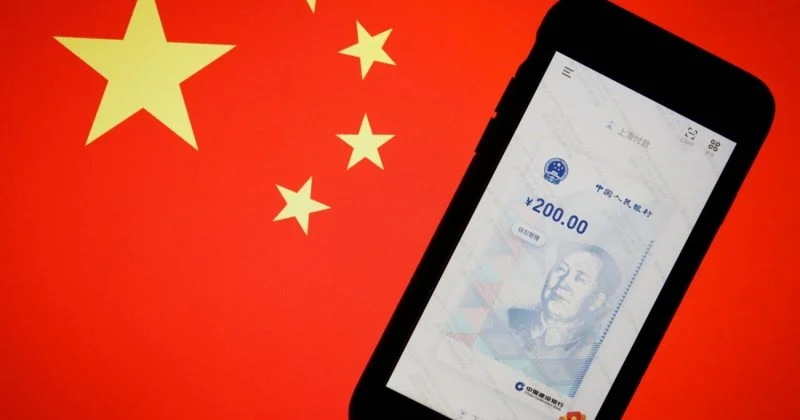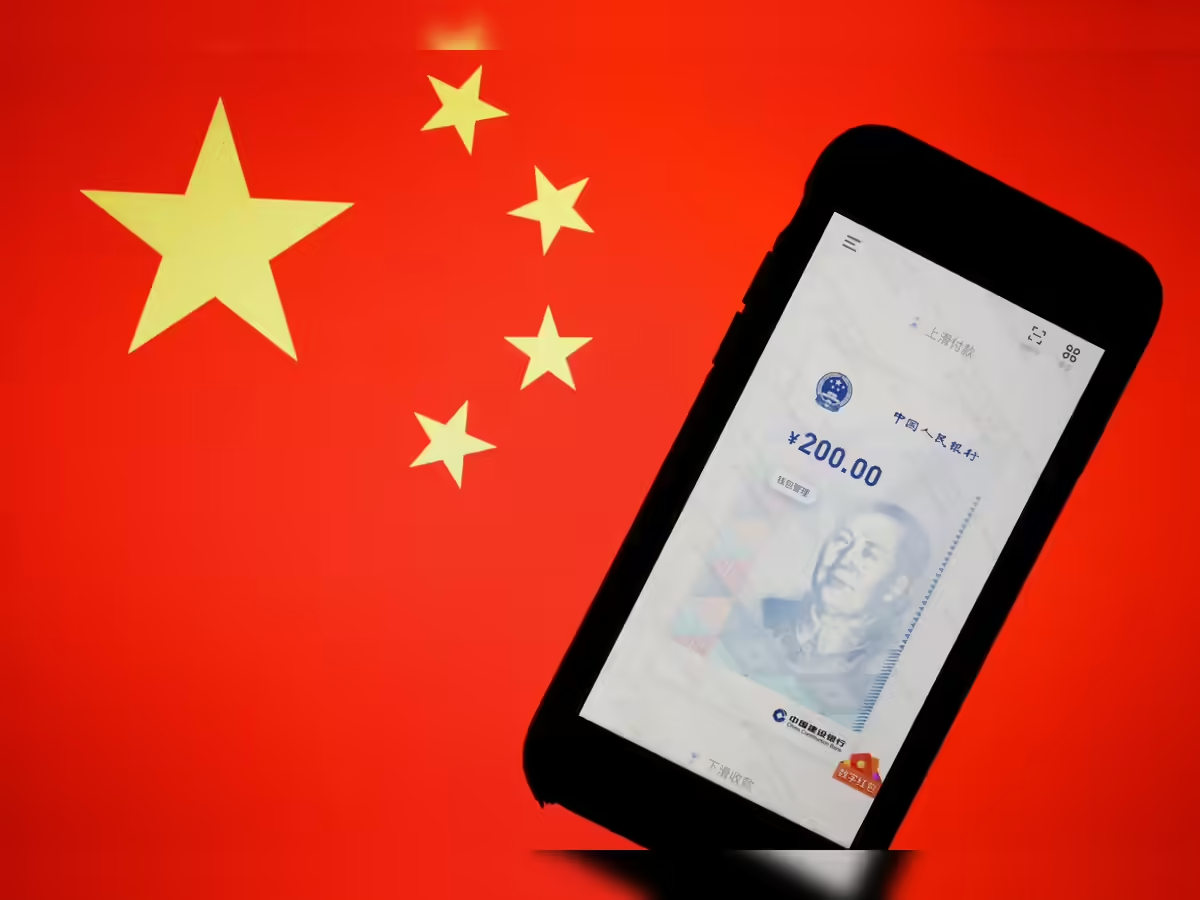
China’s digital yuan (e-CNY) has shifted from being a high-tech version of cash to something that more closely resembles a bank deposit, marking a significant evolution in the country’s central bank digital currency (CBDC) project. This transformation, initiated by an action plan announced by People’s Bank of China (PBOC) deputy governor Lu Lei and effective as of January 1, repositions the digital yuan within the financial system and alters the operational incentives for both banks and users. The move is the culmination of almost a decade of research and experimentation, and aims to address previous shortcomings, such as the lack of interest payments and incentives for commercial bank engagement[para. 1][para. 2][para. 3].Under the new system, the digital yuan transitions from being classified as M0 (cash in circulation) — essentially an interest-free, central bank liability — to being treated as a deposit-like instrument with commercial banks as counterparties. Importantly, as of January 1, digital yuan wallets began paying interest to users, responding to widespread complaints that there was little reason to hold the digital yuan unless for government subsidies or temporary promotions. With the upgrade, digital yuan deposits now are included on commercial bank balance sheets and fall under China’s deposit insurance rules, with a maximum payout of 500,000 yuan per depositor per bank. This realignment provides banks with more motive to promote the digital yuan since they can now manage these deposits directly, receive corresponding benefits, and potentially issue loans using digital yuan[para. 4][para. 5][para. 6][para. 7][para. 8][para. 9][para. 10][para. 11][para. 12].By the end of 2025, the digital yuan had been used for more than 3.57 billion transactions totaling 19.5 trillion yuan, with 230 million individual and 19.08 million organizational wallet holders. Use cases have expanded from retail payments to government subsidies, supply-chain finance, and cross-border trade[para. 13]. The core technical redesign is an “account system + coin strings + smart contracts” model, where encrypted “coin strings” are analogous to digital banknotes, ensuring unique identity and traceability. Presently, 10 key institutions — including major commercial banks and fintech players like WeBank and MYbank — serve as the digital yuan’s operational “mints,” managing issuance, settlement, and user interaction. The central bank maintains technical safeguards and overall systemic oversight[para. 14][para. 15][para. 16][para. 17][para. 18][para. 19].Smart contracts, seen as a flagship innovation, enable programmable money and conditional payment logic. They have been used to secure prepaid funds, manage government subsidies, and enhance supply-chain finance by ensuring loan proceeds are spent as intended and repayments are triggered automatically[para. 20][para. 21][para. 22][para. 23][para. 24][para. 25][para. 26]. In large supply chains, smart contracts offer a solution to longstanding complexities in multi-tier settlement and reconciliation.The digital yuan’s hybrid architecture incorporates distributed ledger technology (DLT) alongside central ledgers. One groundbreaking initiative is “mBridge,” a cross-border platform developed in collaboration with the Hong Kong Monetary Authority and others: as of November 2025, it had processed over 4,000 transactions worth 387.2 billion yuan, with digital yuan comprising 95.3% of volume. In this model, each central bank manages its own node on the network, resolving trust and jurisdictional concerns inherent in centralized international settlement[para. 27][para. 28][para. 29][para. 30][para. 31][para. 32][para. 33][para. 34][para. 35][para. 36].Despite technical progress, challenges remain for true cross-border adoption and broader ecosystem integration. Issues include availability of trading venues for the digital yuan overseas, readiness of foreign financial institutions, and coexistence with existing cash-management products. Moreover, competition from dollar-based stablecoins and tokenized deposits, particularly in Hong Kong, continues to shape the evolving landscape, with practical interoperability and smart-contract functionality being key areas of differentiation and opportunity for the digital yuan[para. 37][para. 38][para. 39][para. 40][para. 41][para. 42][para. 43][para. 44][para. 45][para. 46][para. 47][para. 48][para. 49][para. 50][para. 51][para. 52][para. 53][para. 54][para. 55][para. 56][para. 57][para. 58][para. 59][para. 60].AI generated, for reference only
Cover Story: Digital Yuan Overhaul Targets Mass Adoption, Cross-Border Use
Landmark changes introduce interest payments, smart contracts for businesses and a blockchain-based platform for global trade
TL;DRAI
PBOC trasforma yuan digitale da contante a deposito con interessi (gennaio 2026): 19.5 trilioni transazioni, 230 milioni wallet 2025. Smart contracts + mBridge (387 miliardi yuan cross-border) sfidano stablecoin dollaro; settlement diventa currency-agnostic, destabilizza USD.
620 words~3 min read