(Image credit: Shutterstock)
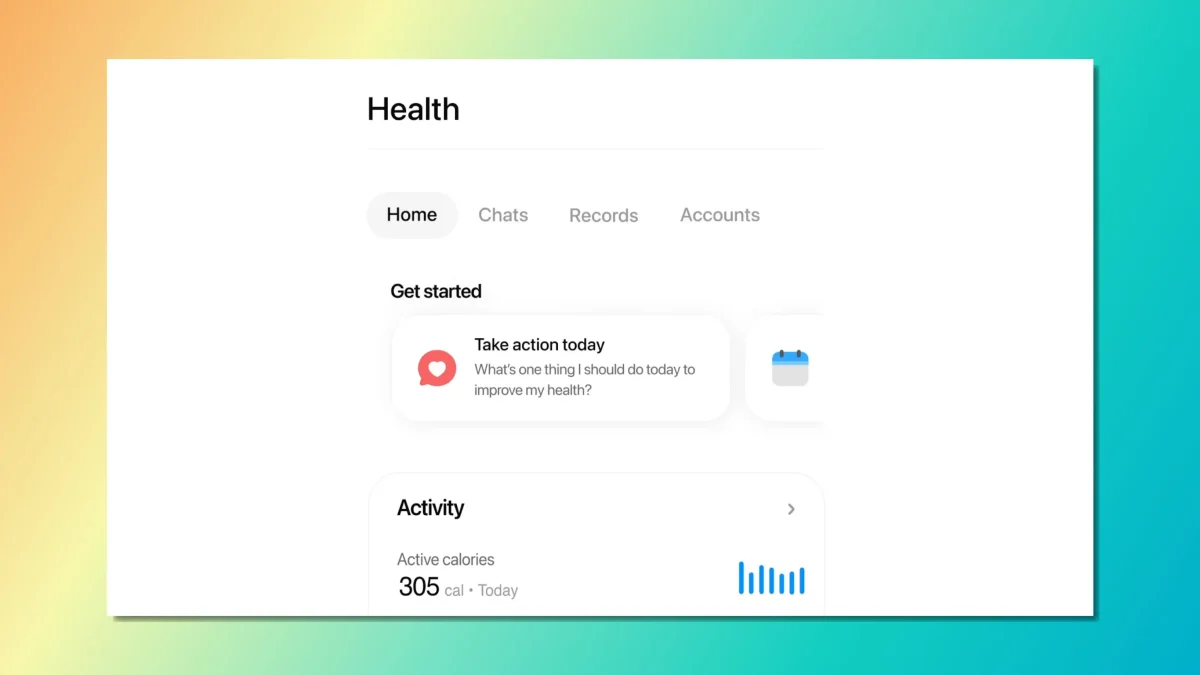
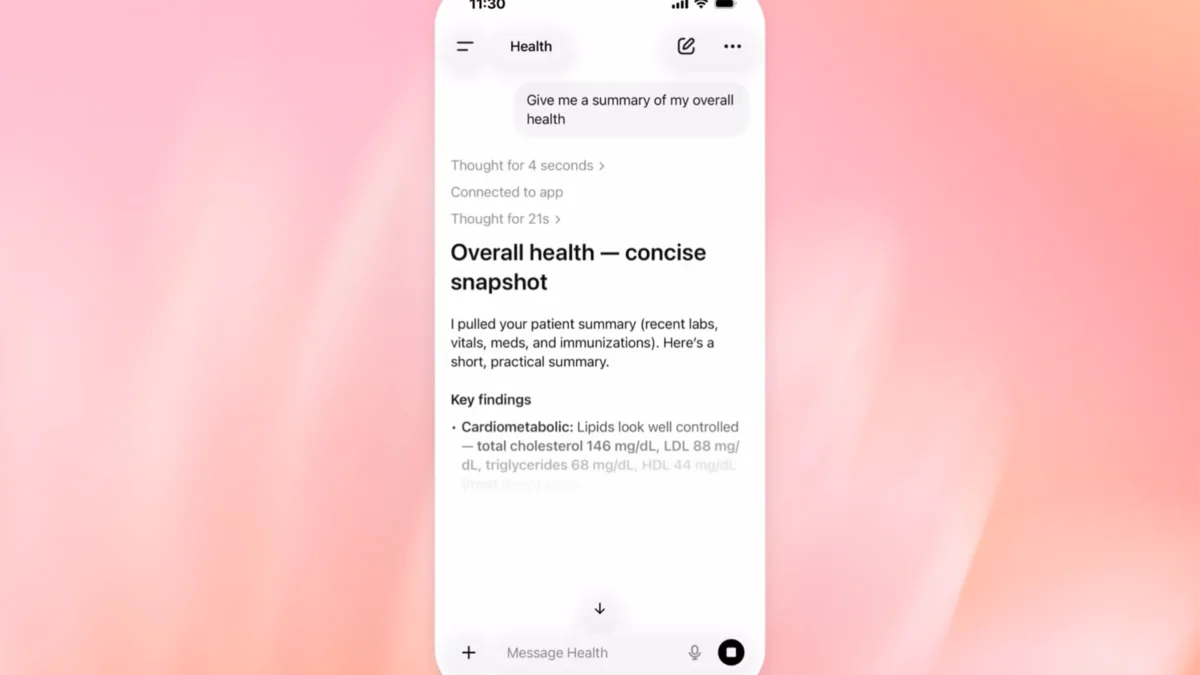
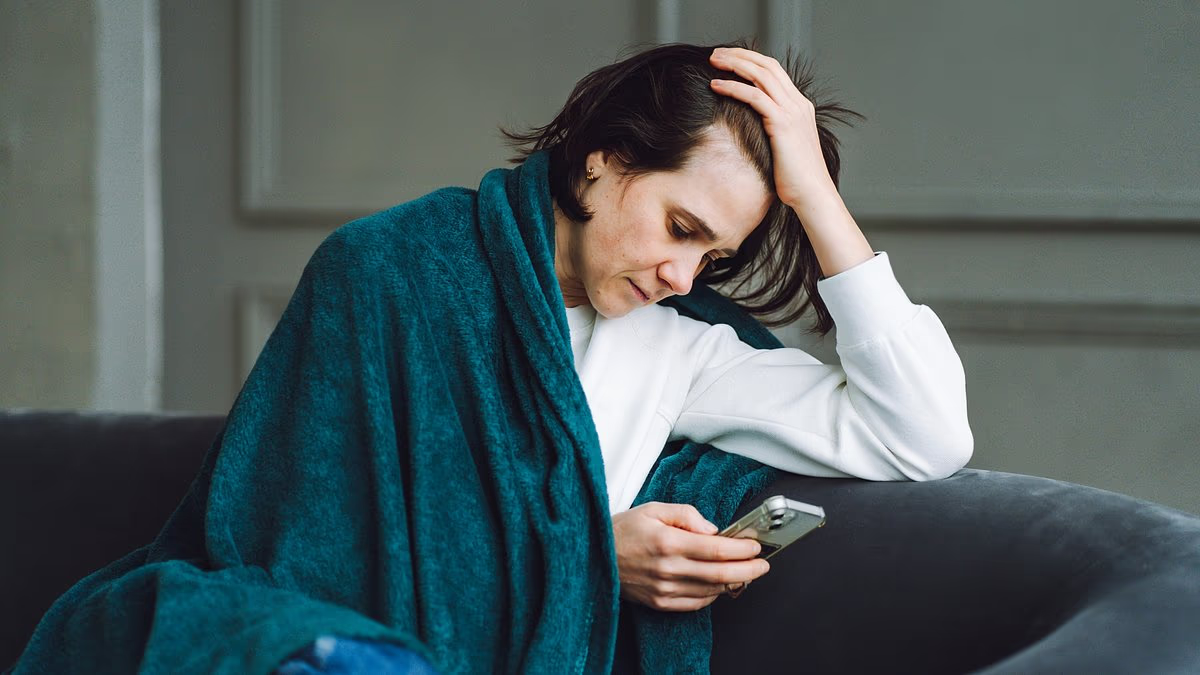
When I logged into ChatGPT last week to lay out a cluster of odd, frustrating symptoms, irregular cycles, sudden night sweats, subtle mood swings and exhaustion, I was looking for help to relieve the symptoms. What I got instead was a confident, direct diagnosis: Congratulations, you’re likely in your first trimester!There was just one glaring problem: I am absolutely not pregnant. My husband has had a vasectomy and I'm in the thick of perimenopause. But the sheer certainty with which the AI delivered its verdict left me stunned. If I hadn't known my own body — or if I had been younger, anxious or facing a high-stakes health decision — that piece of advice could have derailed my day, sent me down an emotional rabbit hole, or led to unnecessary medical testing.My experience isn't an isolated quirk. ChatGPT Health launched Thursday, promising U.S. users can now securely connect their own health info to "better understand and navigate your health," it's important to keep in mind that AI is not a replacement for a human doctor.Landmark lawsuit filedJust this week, The New York Times reported on a landmark lawsuit filed against OpenAI by Scott Winters, a Florida pastor who claims ChatGPT’s medical advice nearly cost him his life. After consulting the chatbot about severe dizziness and pelvic pain, the AI reassured him his symptoms were "nothing dangerous," advising him to remain off his feet in a recliner.Weeks later, he was rushed to the ICU with a massive, life-threatening pulmonary embolism, a condition his doctors noted was exacerbated by the prolonged immobility the AI recommended.While my misdiagnosis was a false positive rather than a medical emergency, both cases highlight the exact same fundamental danger: large language models are engineered to sound authoritative, not to be right.Here is why relying on AI for medical advice is a risky gamble and why we need to change how we interact with these tools.Get instant access to breaking news, the hottest reviews, great deals and helpful tips.1. AI pattern-matches words, not physiology