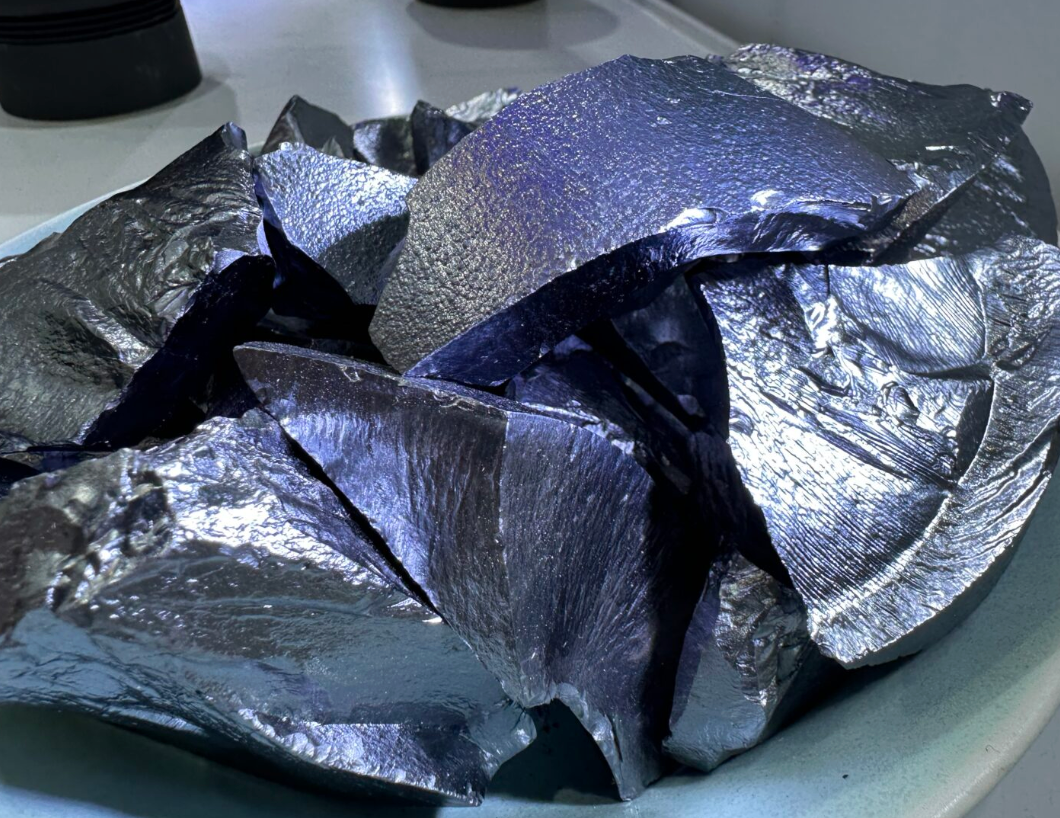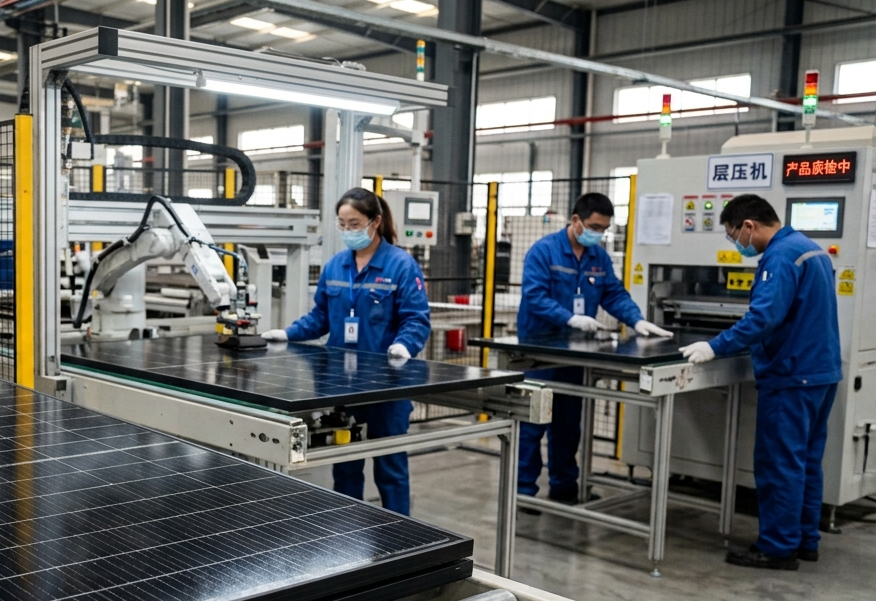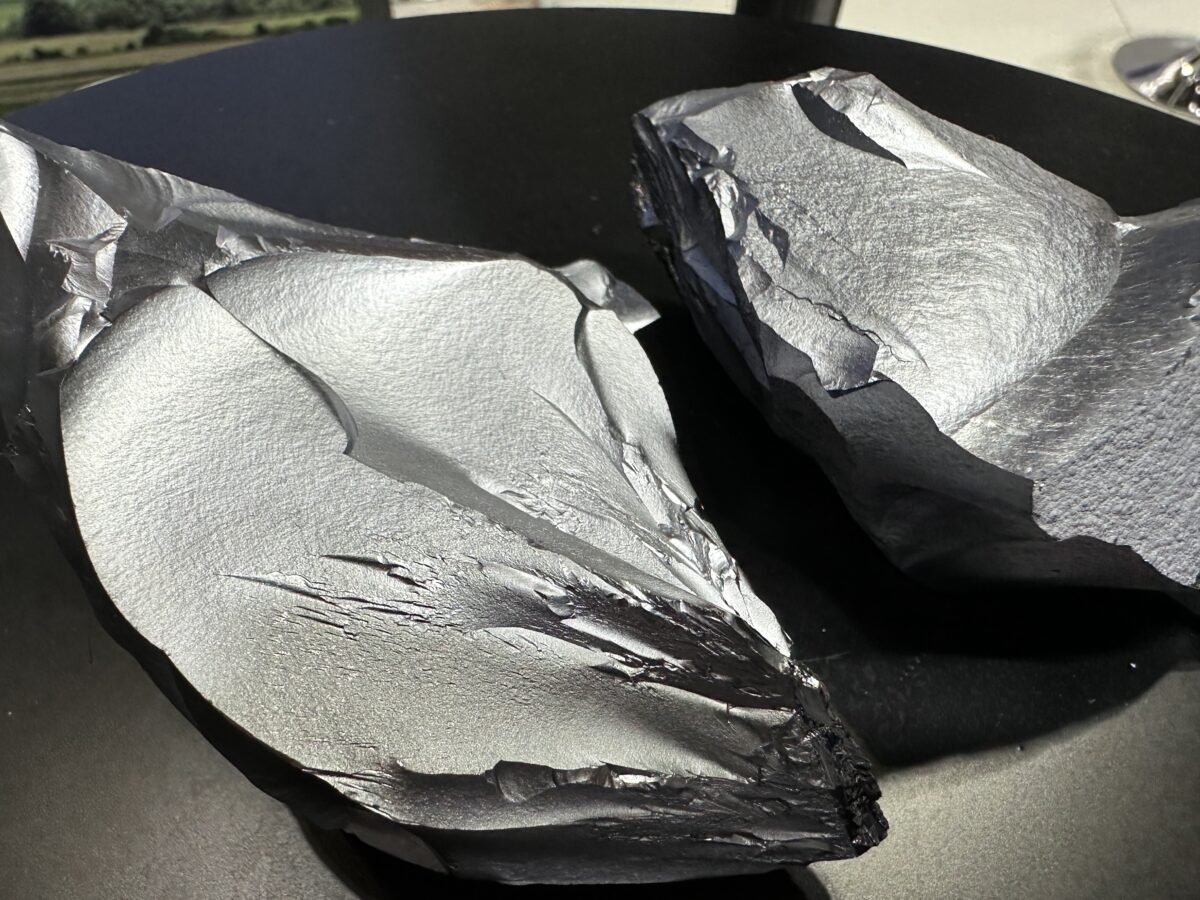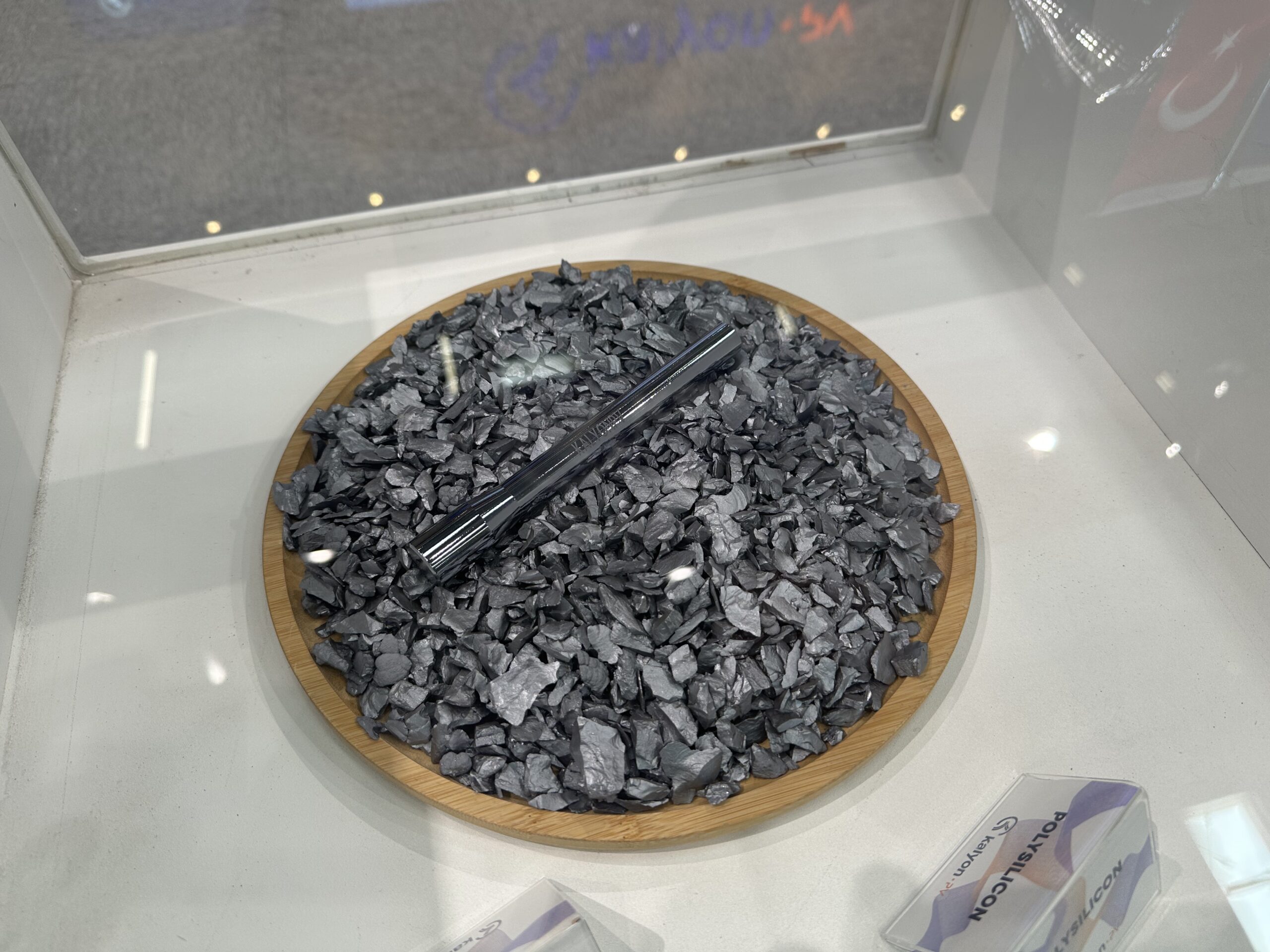
China has published a stricter mandatory energy consumption standard for polysilicon production, lowering the maximum allowable energy use for existing rod-silicon plants and tightening accounting rules. The revised standard, effective Jan. 1, 2027, could significantly reduce China’s compliant polysilicon capacity, although the near-term supply impact may be limited because much of the affected capacity is already idle.
China has released the full texts of three mandatory national standards that impose energy consumption and efficiency limits across the photovoltaic manufacturing value chain.
The standards were approved on June 27, published in full on July 22 and will take effect on Jan. 1, 2027. They cover polysilicon and germanium production, monocrystalline silicon manufacturing, and the efficiency of crystalline silicon modules and inverters.
The most significant changes appear in GB 29447-2026, the revised energy consumption standard for polysilicon and germanium production. The final version is stricter than the draft released for public consultation in September 2025.
For polysilicon produced through the trichlorosilane process, which is commonly used to produce rod silicon, the three energy consumption grades are set at 5.0, 5.5 and 6.3 kilograms of standard coal equivalent (kgce) per kilogram of product. The Grade 3 limit, which represents the maximum allowable energy consumption for existing production, has been tightened from 6.4 kgce/kg in the consultation draft.