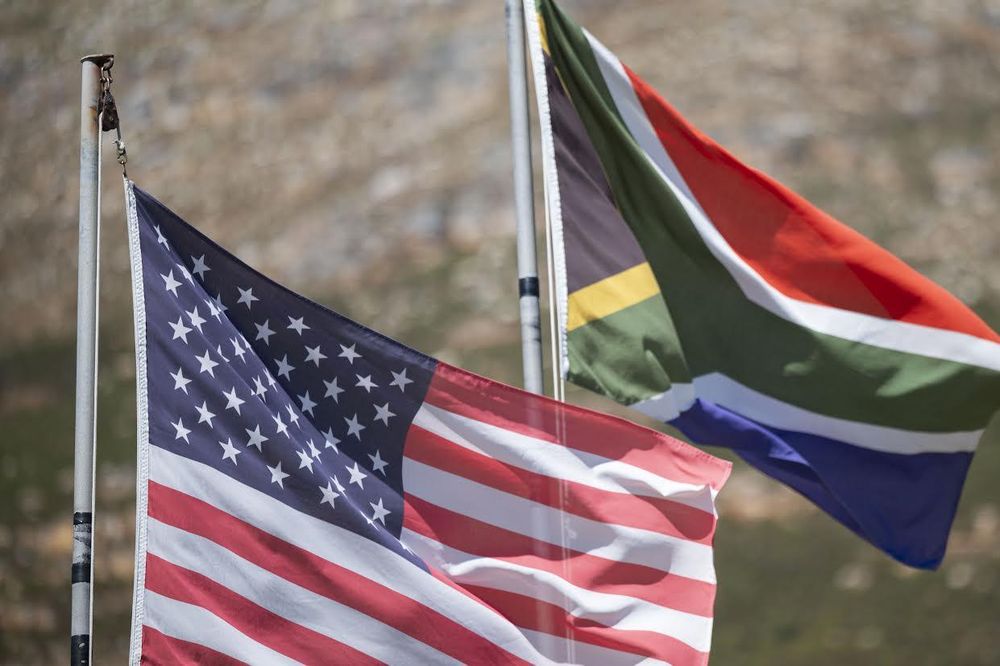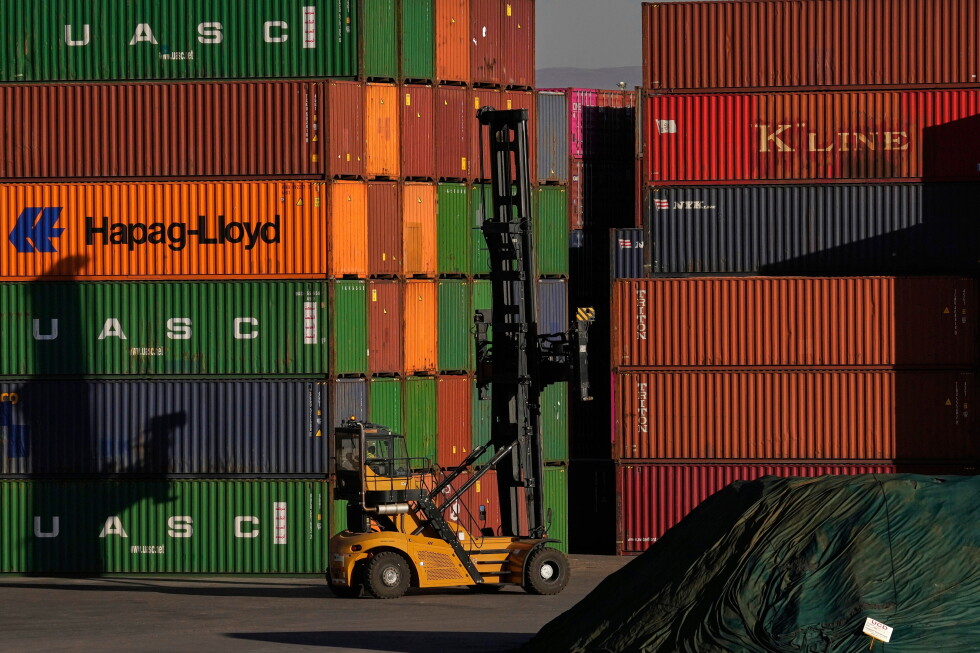
The US has, from July 24, imposed new tariffs of 12.5% on South African products for the country’s “failure to impose and effectively enforce a prohibition on the importation of goods produced with forced labour”.
South Africa was one of 60 countries on which tariffs of between 10% and 12.5% were imposed following a United States Trade Representative (USTR) investigation under Section 301(b) of the Trade Act of 1974.
The investigation was initiated on March 12 after the US Supreme Court's decision to invalidate President Donald Trump's so-called ‘Liberation Day’ tariffs, which were imposed in 2025 under the International Emergency Economic Powers Act.
Until July 24, South African exports not specifically exempted from tariffs by the US had been subjected to a 10% tariff, while Section 232 tariffs of 25% were also being applied to certain steel and aluminium exports, as well as automobiles and components.
The USTR said trading partners that had made commitments to adopt, and effectively enforce, forced-labour import prohibitions would face a 10% tariff, while trading partners that had failed to adopt a forced-labour import prohibition would face a 12.5% tariff rate.