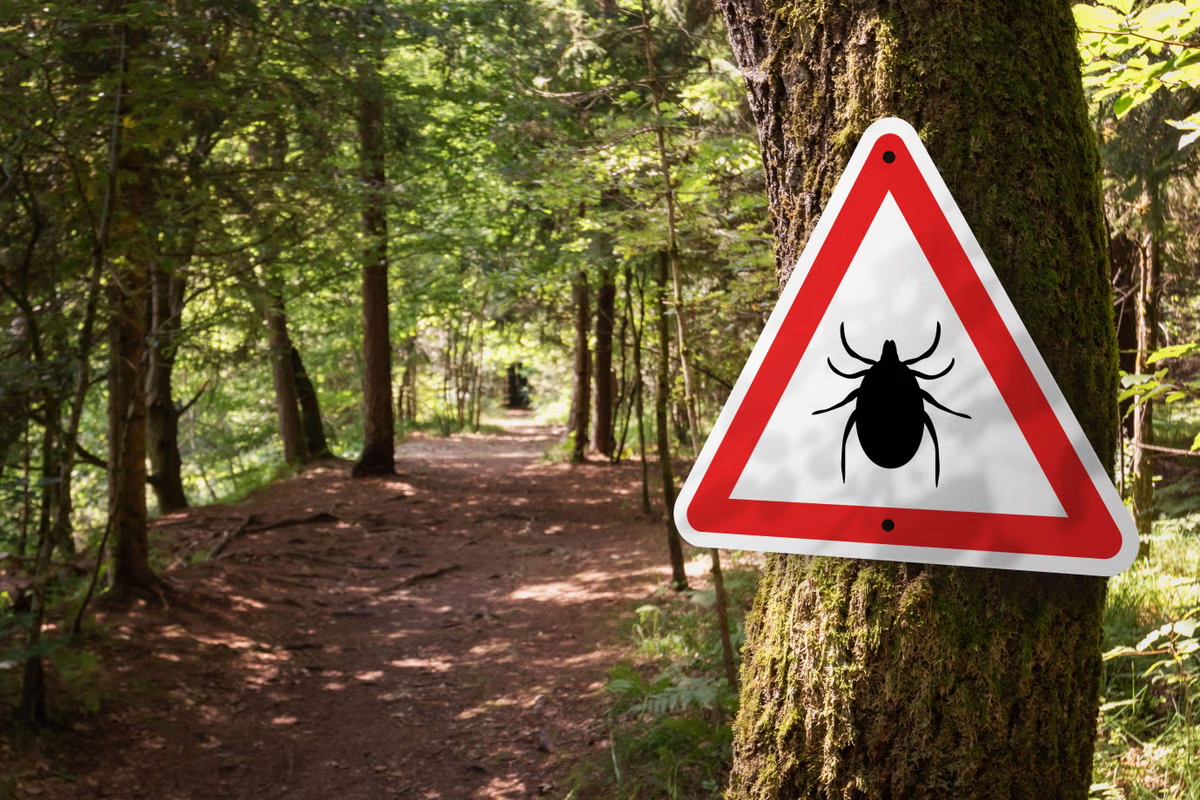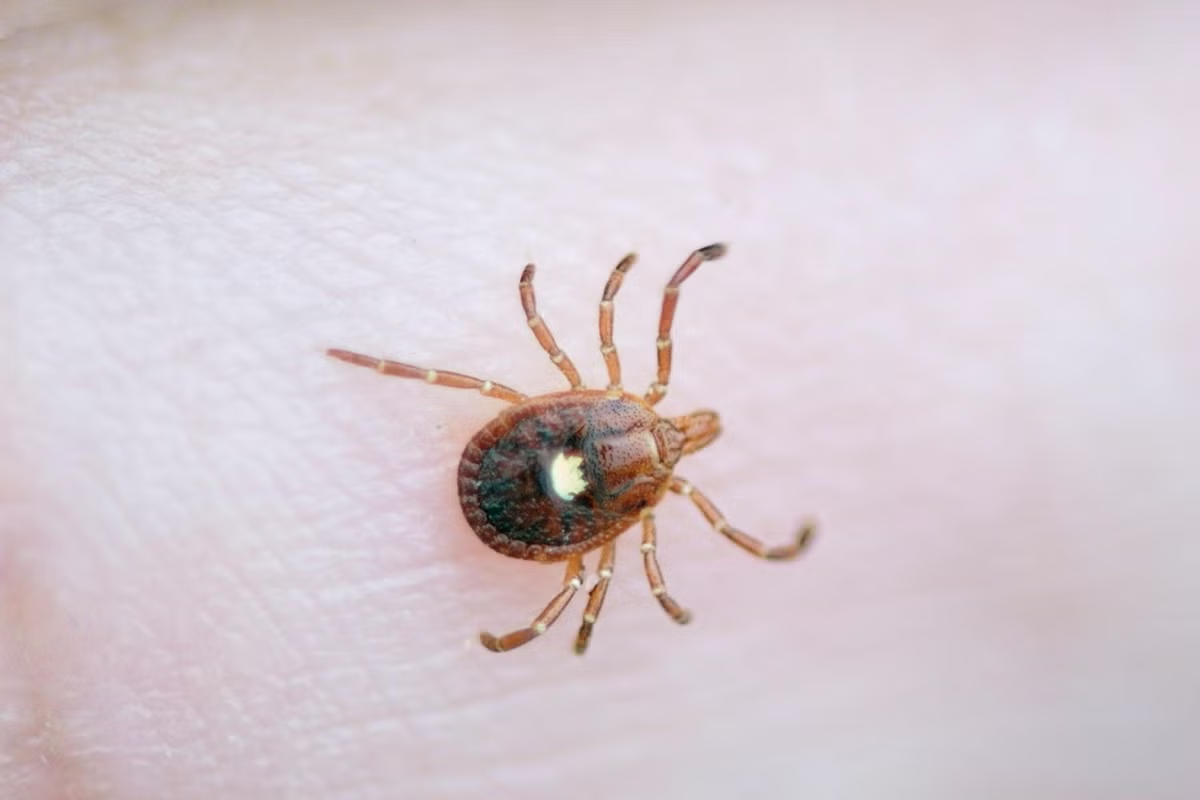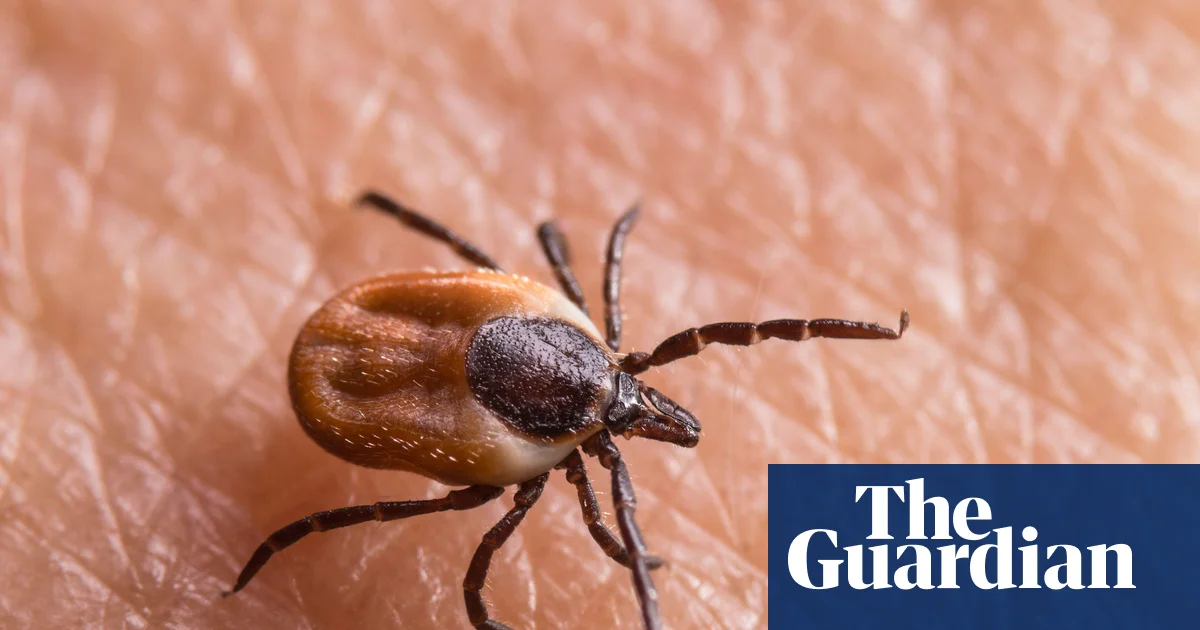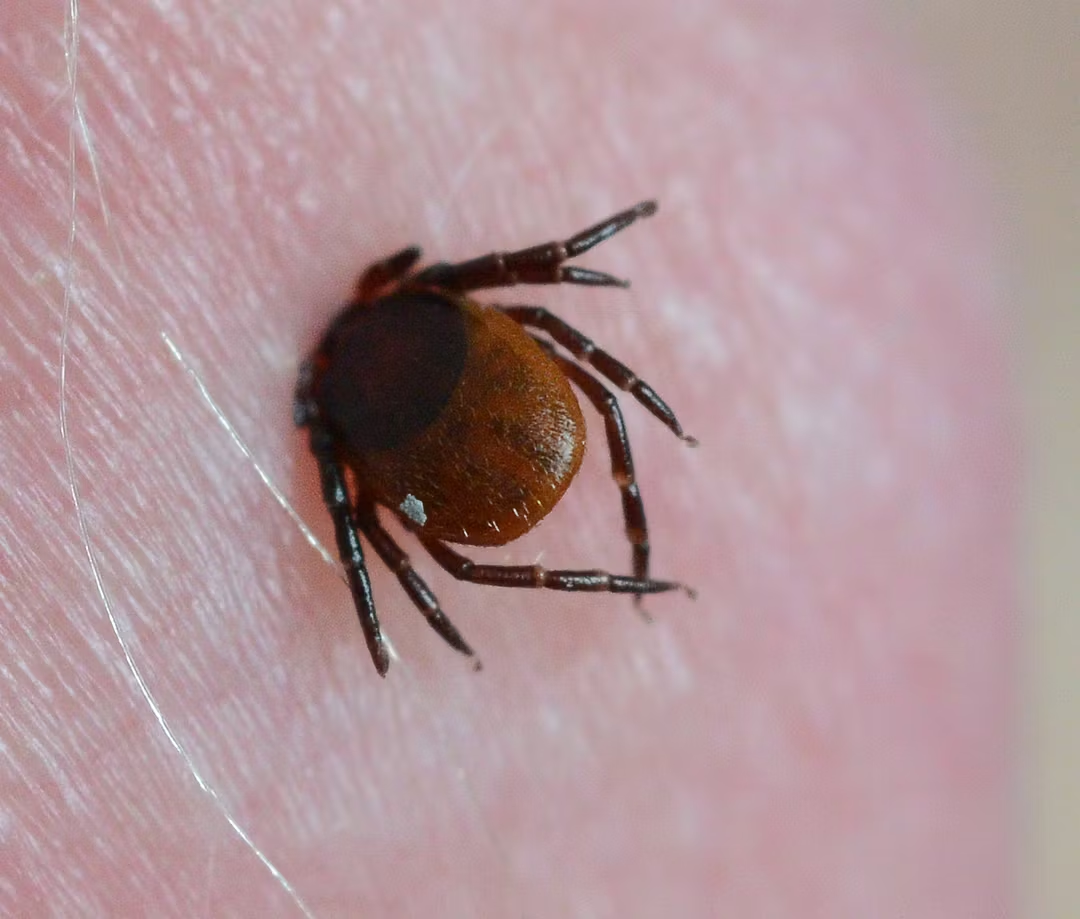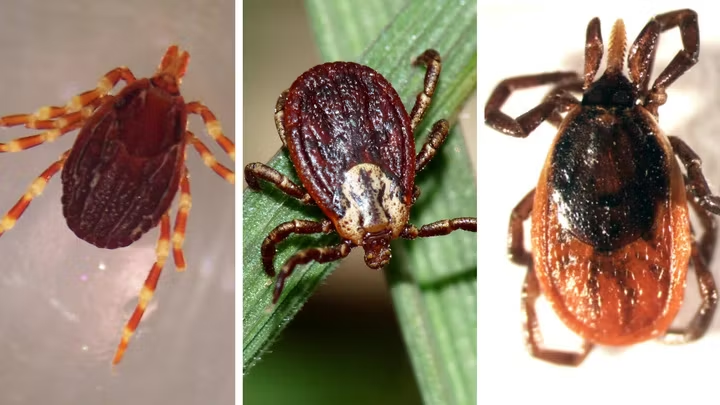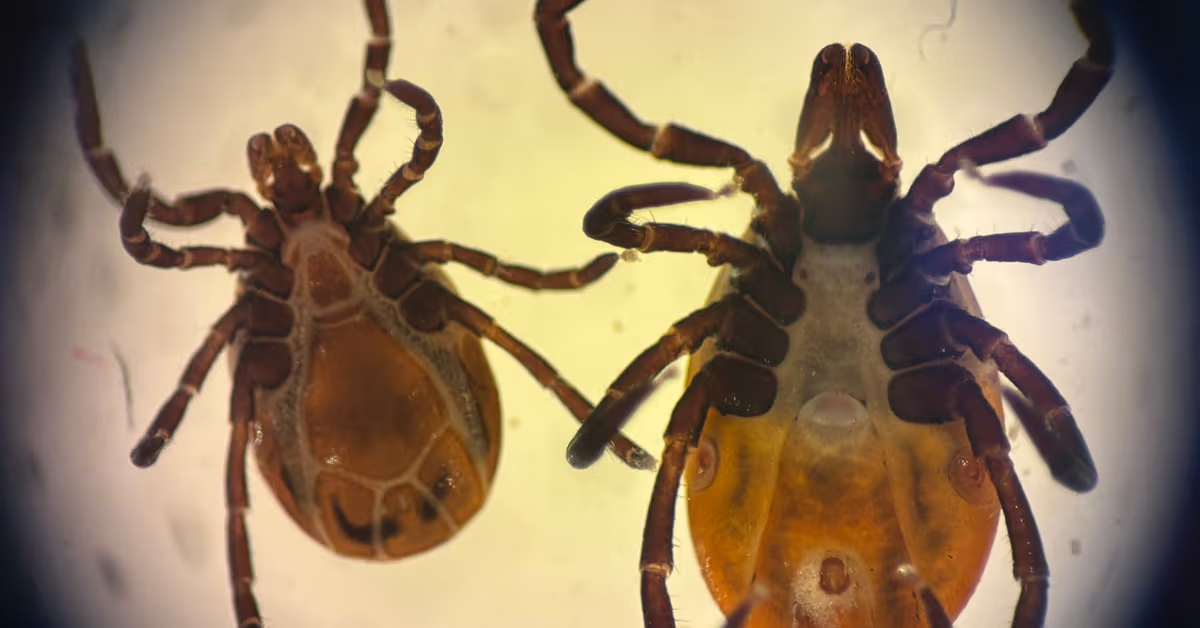
Enjoying the great outdoors in Finland this summer? Be sure to check yourself carefully for ticks. Cases of tick-borne encephalitis (TBE) have doubled this year as the parasites proliferate.Researchers at the University of Turku are closely monitoring the proliferation of ticks.Wif Stenger12:01There are a record number of ticks in Finland’s forests, parks and meadows this year – while the number of cases of tick-borne encephalitis (TBE) has doubled.According to Ilari Sääksjärvi, a professor of biodiversity research at the University of Turku, Finland’s tick population is growing rapidly, partly thanks to the warming climate.Almost 200,000 tick sightings have been reported to the university’s Punkkilive portal this year, compared to around 140,000 reported during all of last year, he says.The largest numbers of sightings have been reported from the greater Helsinki area as well as the southwestern Turku region and around Kuopio in Eastern Finland.According to Sääksjärvi, the spike in the number of these arachnids is partly due to warm, humid weather. The numbers have increased throughout the country in recent years.Ticks are common in the Turku area. Image: Kalle Mäkelä / Yle, Niko Mannonen / YleSääksjärvi predicts that the population will continue to expand, as their breeding season is lengthening due to climate change. In southern Finland, for example, ticks can now typically be found from March until nearly the end of the year – but July is usually peak season.According to the Punkkilive site, the best way to protect yourself and your family from ticks is to wear long-sleeved clothing and long trousers when walking in areas where ticks are common. It's also best to tuck your trousers into your boots or socks and to wear light-coloured clothing, which makes it easier to spot ticks.Pets can bring ticks home.You should also check yourself and any children or pets for ticks daily if you've been in an area where ticks are present. Ticks can also be carried into the home in dogs' fur or on clothing, for example."Various tick repellents are also available, but their effectiveness has not been scientifically proven," says the university website.TBE on the riseTicks can carry a large variety of diseases – most commonly in Finland borreliosis, also known as Lyme disease, and tick-borne encephalitis (TBE), both of which can debilitating symptoms.Remember to check kids and pets for ticks after hikes and picnics. Image: Senni Nieminen / YleTBE has been detected particularly frequently this year. The National Institute for Health and Welfare (THL) says that there were more cases diagnosed between January and June this year than in all of last year.Cases are usually most common in coastal and archipelago areas, but this year the illness has been particularly prevalent in North Savo and North Ostrobothnia, for instance.Vaccine programme expandsWhile only a small proportion of ticks carry the TBE virus, an exceptionally high number of cases were detected early this summer.Image: Anne-Pauliina Rytkönen / Yle & Petteri Sopanen / Yle"In previous years, the highest number of cases has usually been in July," says THL specialist Anni Koivisto.The health agency is closely monitoring TBE. All those diagnosed with the illness are interviewed to try to find out exactly where they were bitten.People most often contract the infection while at summer cottages, so their home address is not necessarily helpful in tracking the pathogen, she says."Once all the information has been gathered, we’ll assess the risk areas for the national vaccination programme," says Koivisto.Finland provides free TBE vaccinations to people who live or spend their summers in high-risk areas. In the past couple of years, this programme has been expanded to many new areas.Last year these included the Raseborg archipelago and in West Herttoniemi in Helsinki. This year’s new areas include parts of Kuopio and Oulu.
What to know about Finland's spiking tick population and TBE cases
Enjoying the great outdoors in Finland this summer? Be sure to check yourself carefully for ticks. Cases of tick-borne encephalitis (TBE) have doubled this year as the parasites proliferate.
617 words~3 min read