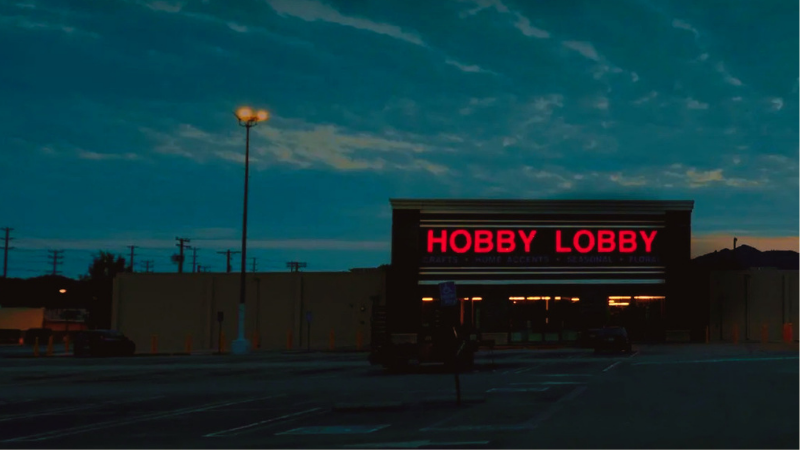
One day in 1970, Hobby Lobby’s oft-told origin story goes, twenty-eight-year-old David Green was sitting at a lunch counter in Oklahoma City sharing frustrations with fellow managers. As they imagined what kind of enterprise they might create on their own, one suggested that they manufacture clocks. “I have a better idea,” David said. “Little miniature frames.” A fad had emerged in home decor of hanging picture frames in clusters, each displaying a painting of a subject such as a sunflower or lighthouse. Customers kept asking for the small frames, and David had a hard time finding them.Article continues after advertisement
“That sounds like it could work,” one of them said. The next day, they located a professional frame chopper through an equipment supplier with the steep price tag of $450, and signed a twelve-month loan for $600 to cover the cutter, wooden sticks, canvas, and other materials. The $600 loan comes up repeatedly in the founding myth of Hobby Lobby—a symbol of the humble roots of the big-box behemoth. Setting up in the garage, the partners created samples and sent them out with a traveling salesman. He came back with orders for a whopping $3,500. The partners begged their supplier for more materials on credit and began furiously creating frames, ending up with $300 in profit.