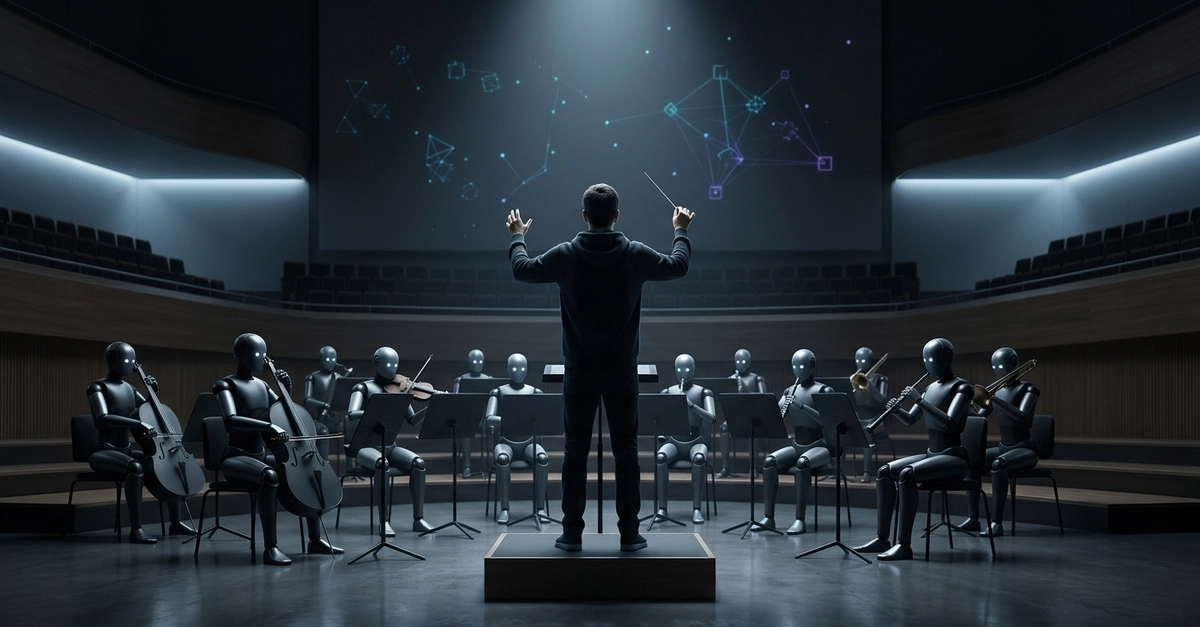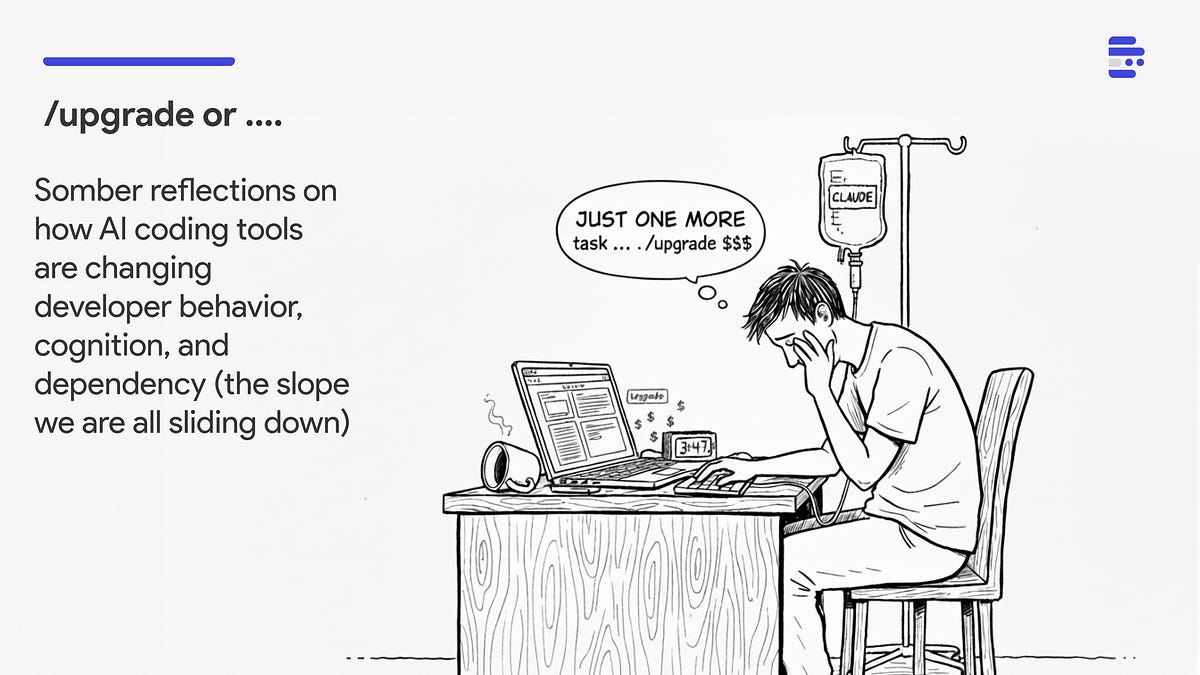
There is a distinct, quiet disquiet settling over the software engineering landscape today. You can feel it in LinkedIn post threads, in hushed conversations over coffee with senior colleagues, and in the background noise of tech news cycles. On one side of the coin, we are navigating an unprecedented era of tech layoffs, budget contractions, and corporate belt-tightening. On the other side, artificial intelligence is advancing at a dizzying, almost relentless speed. Coding agents write entire pull requests, generate complex unit tests, and spin up functional microservices in seconds.
It is almost impossible, even for the most seasoned engineer, not to feel a creeping sense of existential dread.
Will things go sideways for my career? And even if things do go well in terms of employment, will the job change so fundamentally that what I originally fell in love with simply isn't there anymore? Are we being demoted from architects and problem-solvers to glorified code reviewers, wading through mountains of syntactically correct but emotionally hollow machine output?
To understand what we risk losing, we have to look back at why most of us entered this discipline in the first place.
The Lost Magic of Friction