The president called jeonse “key money” loans the “main culprit” behind surging home prices
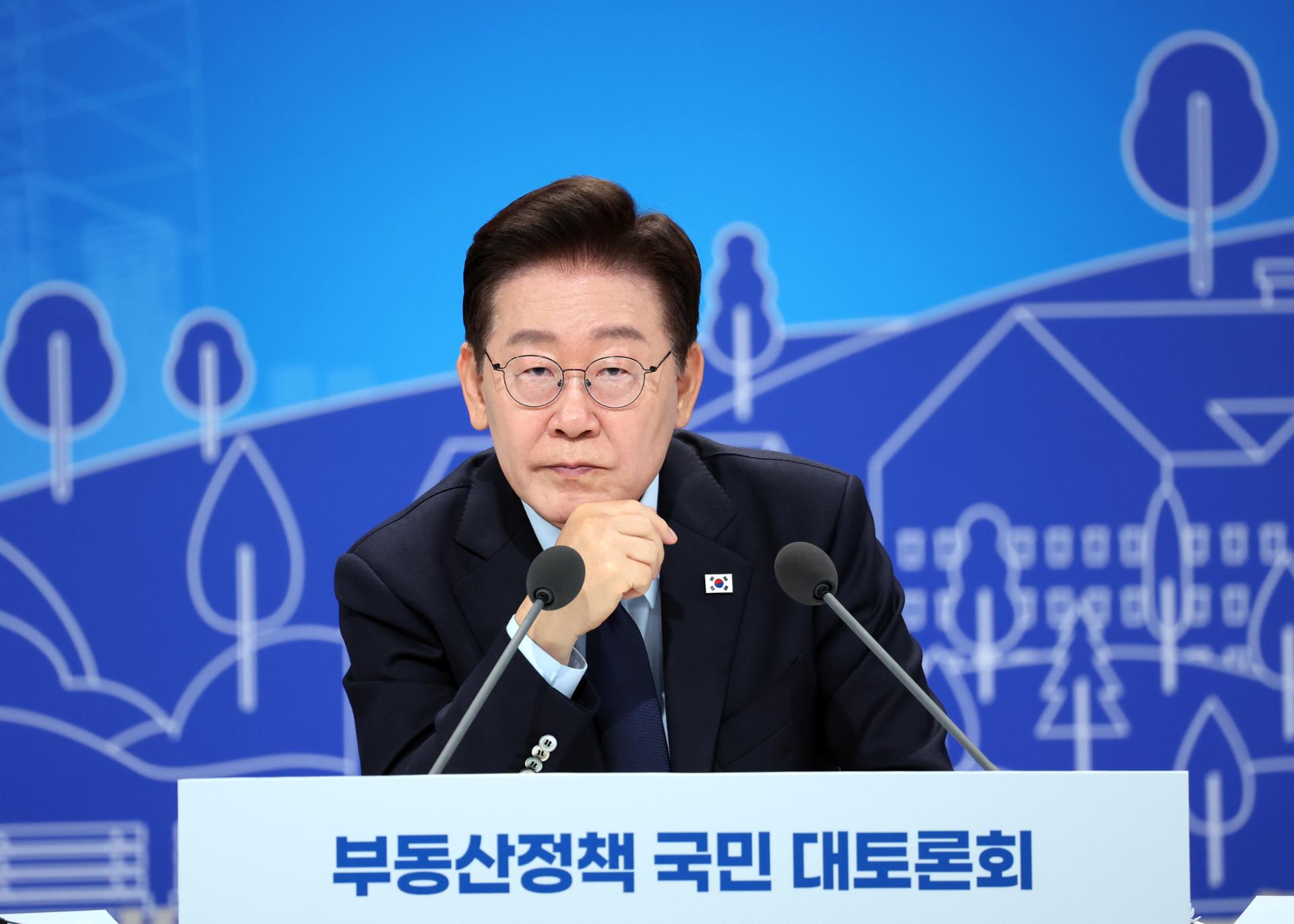
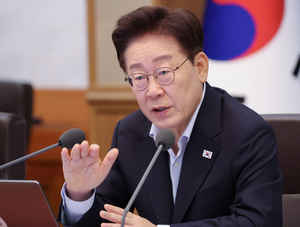
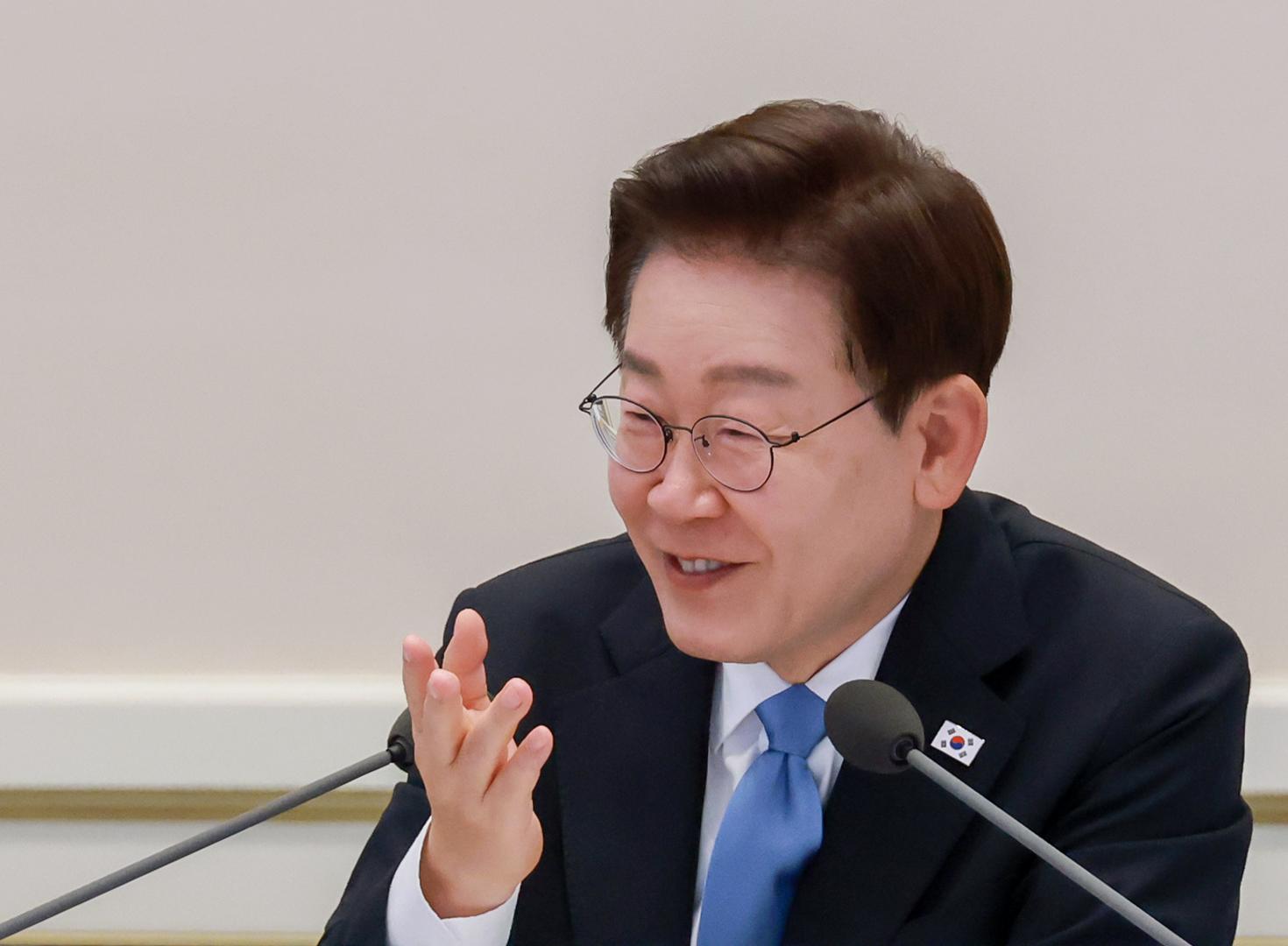
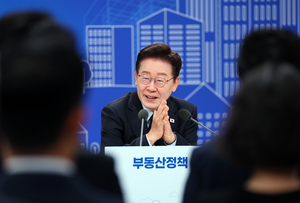
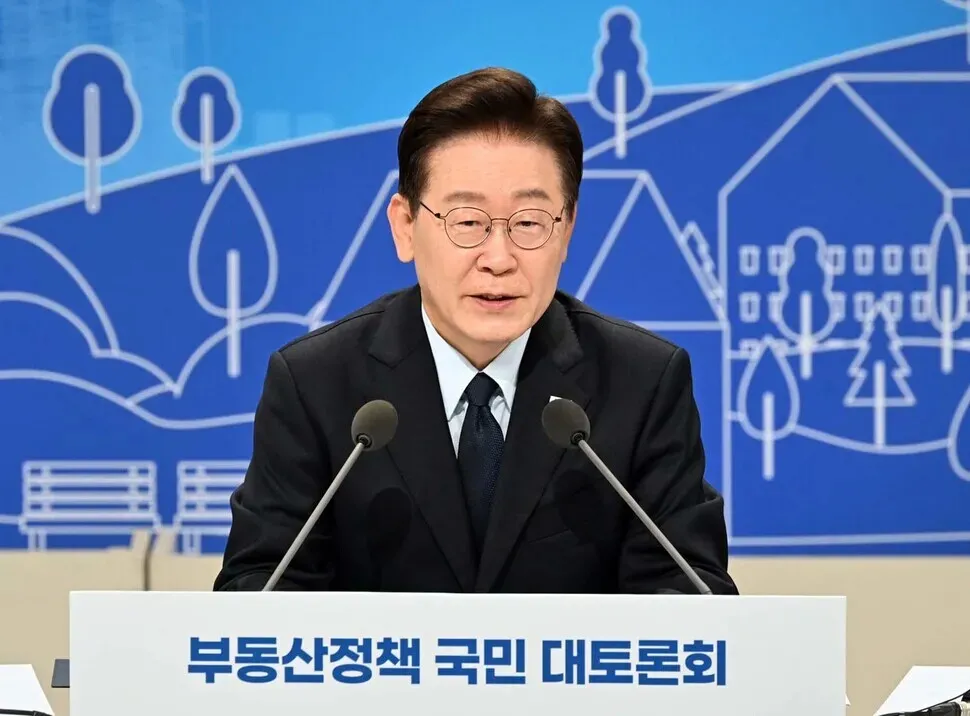
President Lee Jae Myung speaks at a public forum on housing policy held at KBS in Yeouido on July 23, 2026. (pool photo)
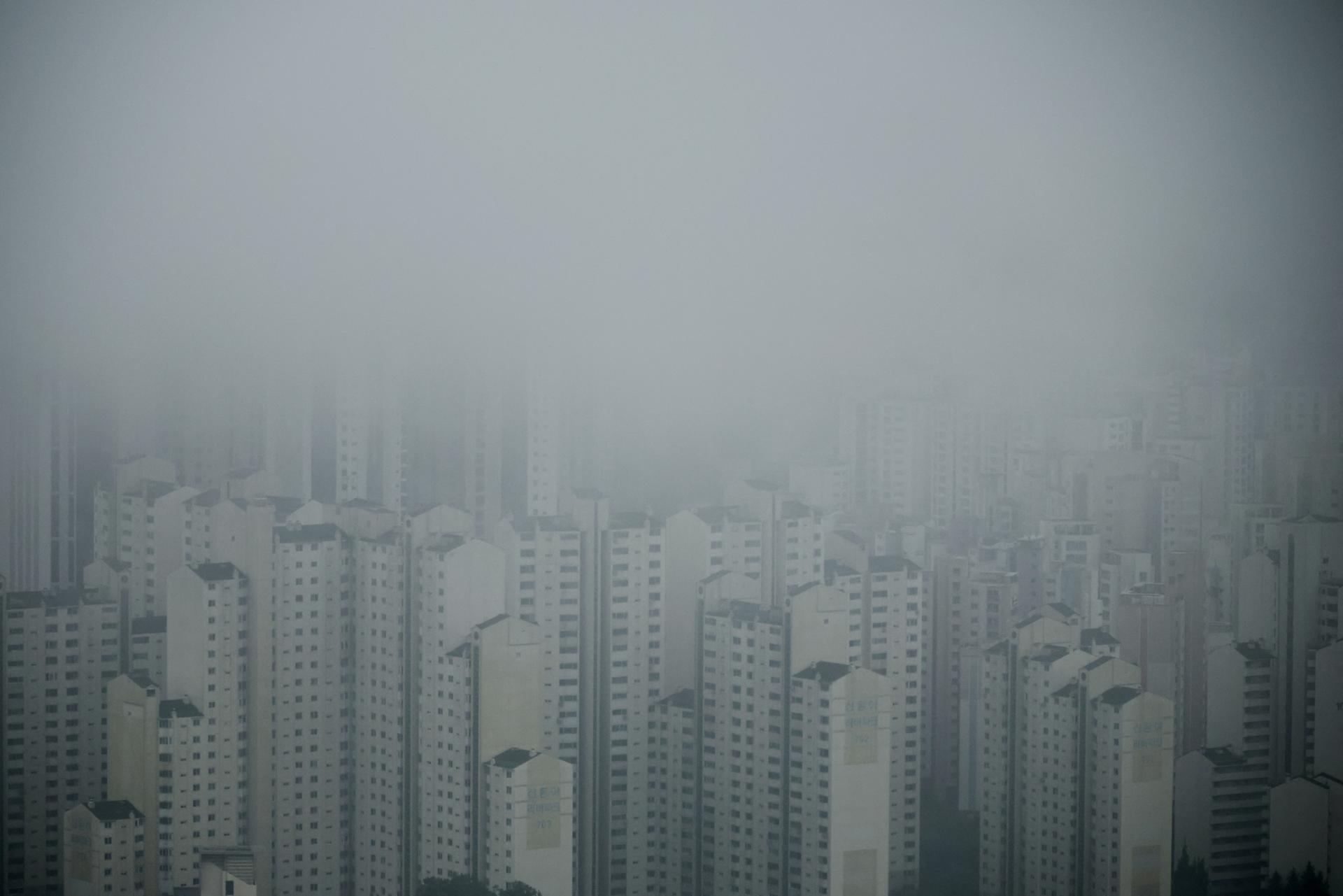
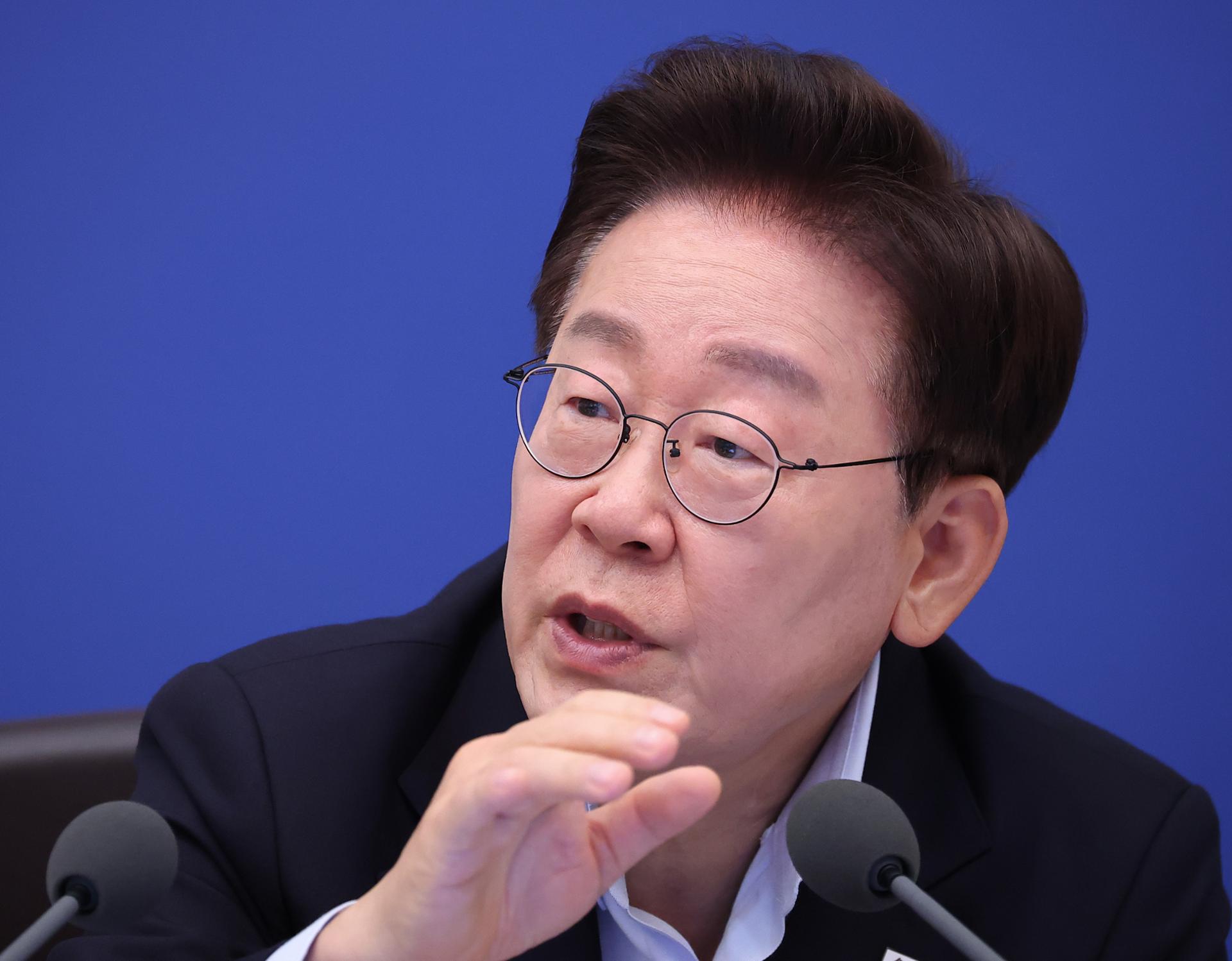
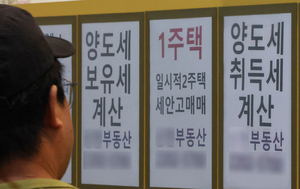
President Lee Jae Myung formally signaled his intent to strengthen South Korea’s property holding tax system by introducing a tiered structure aimed at curbing speculation, saying that there was a “broad consensus” that such taxes should be raised. “The crux of the issue is the scope and extent of those measures, as well as how we should apply differential rates,” he said. The president’s comments came during a public forum on housing policy held at the KBS annex that day. “Rather than shunning those who live in expensive houses and pay high taxes, we should respect them,” Lee said while noting the need to differentiate between those who live in the house they own and those who own multiple properties for monetary gain. “If we had normalized property holding taxes in the past, property prices would not have soared to the extent that they currently have. For those in public office, the greatest virtue is knowing when to take responsibility, which sometimes entails accepting backlash,” he said, signaling his resolve to push for real estate tax reform, despite potential resistance from the market and possible political pressure. Regarding financial policy, Lee emphasized the need to tighten regulations on loans for jeonse “key money” deposits. Lee identified such loans as being the “main culprit” behind the surge in housing prices.“Since jeonse loans are almost provided without a limit, housing prices are rising across the board. It is high time that we do something about that,” the president said. When asked about the so-called “marriage penalty,” in which married couples are given lower priority in housing pre-sales and lotteries, Lee said that he had asked the prime minister to conduct a comprehensive investigation to ensure that such people do not face any disadvantages. “We have an internal plan first to build National Housing-grade high-quality public rental housing around 25 to 30 pyeong (82.6 to 99.17 square meters), which are affordable for the middle class, primarily in areas near transit-oriented areas,” Lee said.“In the past, we resolved issues concerning the expansion of the Seoul metropolitan area by lifting greenbelt restrictions to create large-scale housing complexes or planned cities, but now, it is almost impossible to find land for development in Seoul,” he said, noting the challenges that the plan faces. The government plans to hold a public forum on housing policies, chaired by Prime Minister Han Seong-sook, on Monday. Drawing on public feedback, the government plans to include targeted real estate measures in its tax reform package, set to be unveiled in the coming weeks, while also introducing additional loan restrictions on homeowners who do not live in their own properties.By Seo Young-ji, staff reporterPlease direct questions or comments to [english@hani.co.kr]