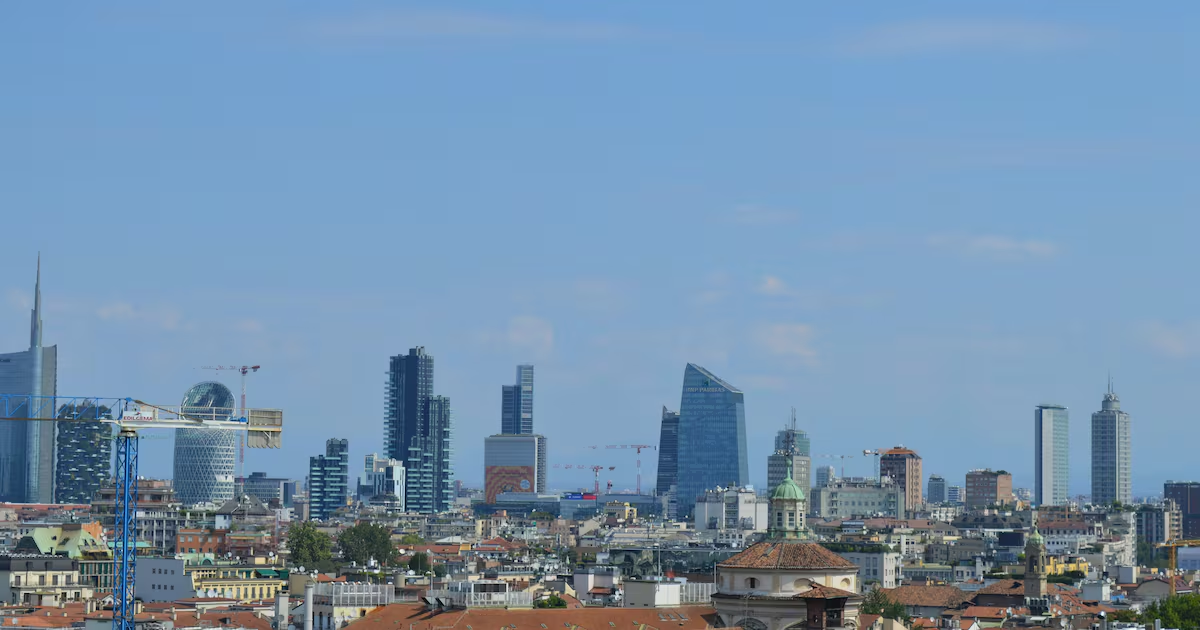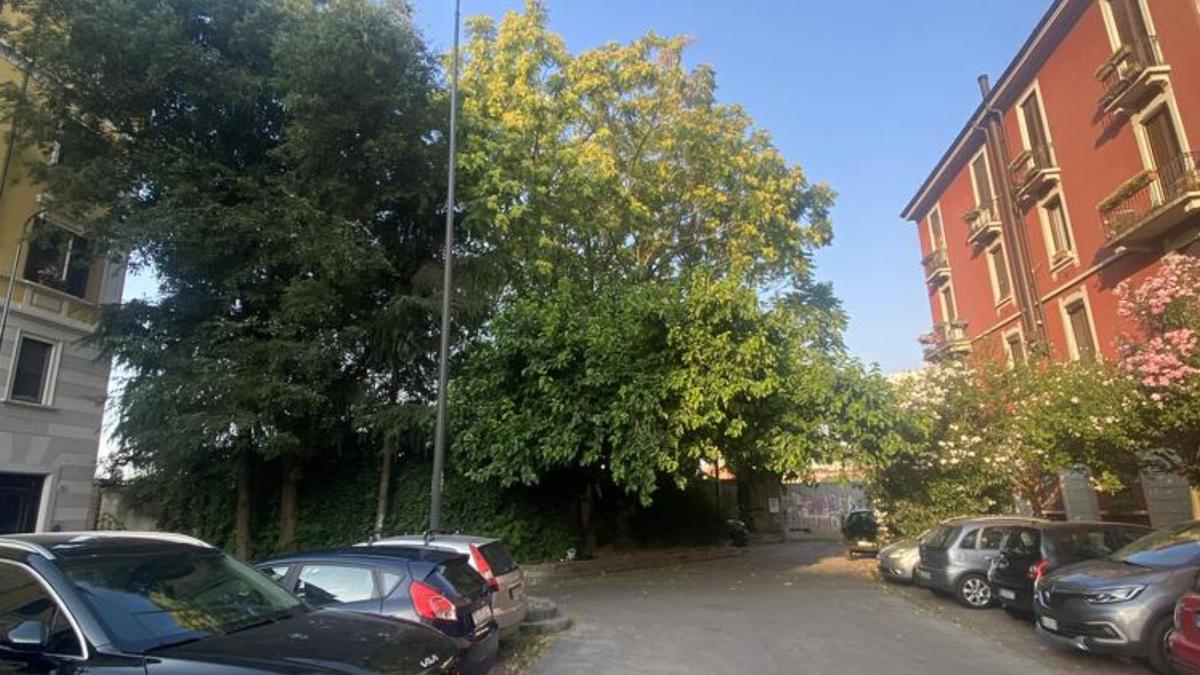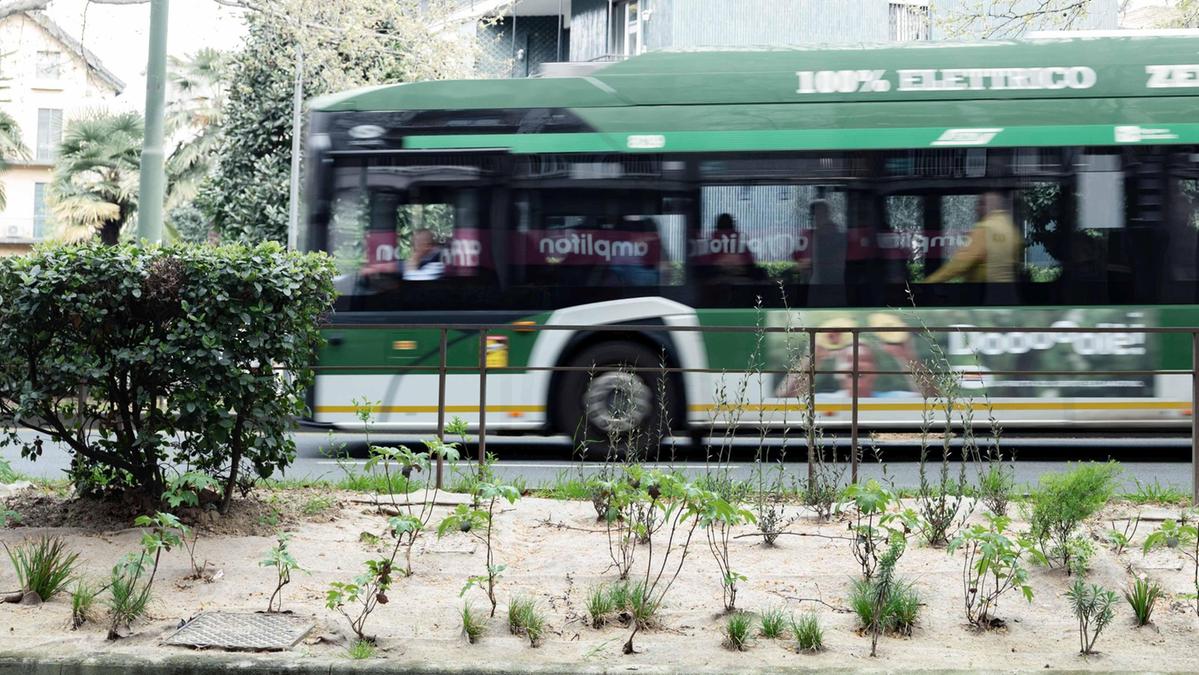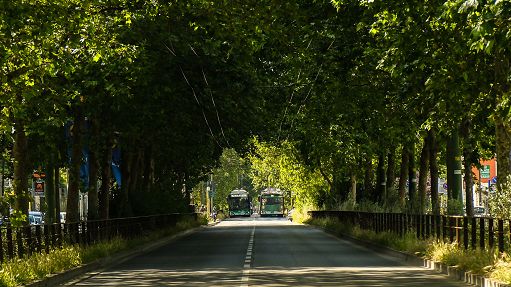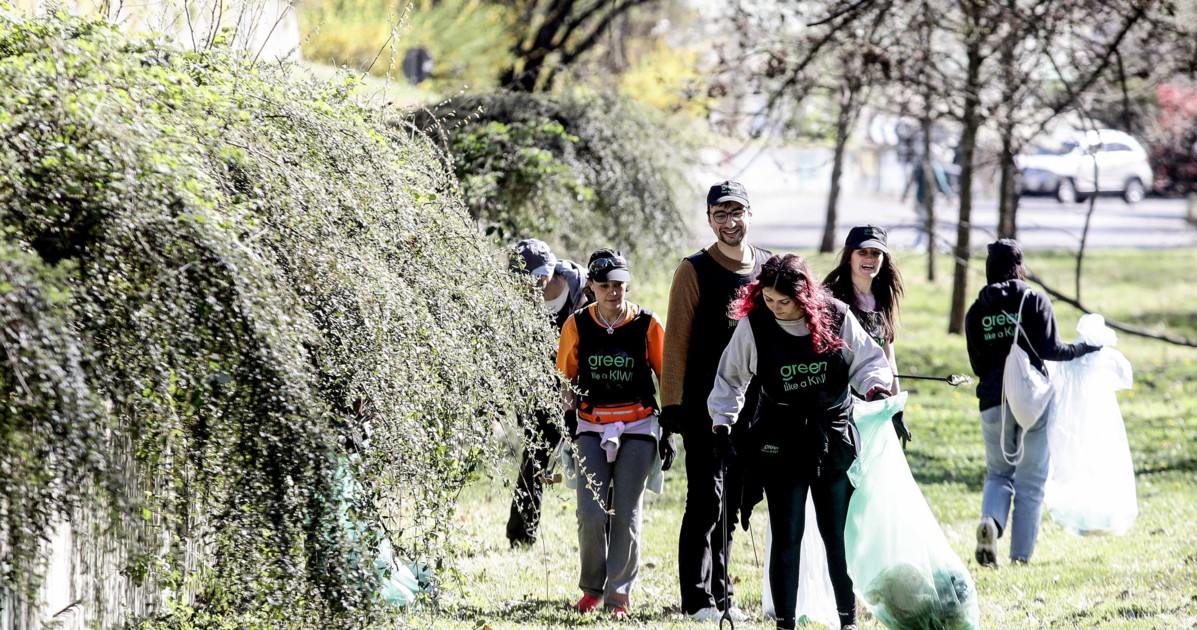
Milan is planting millions of trees and shrubs across its metropolitan area. Image Credit: Wikimedia CommonsMilan, known for fashion, finance and design, is using the Forestami program to plant millions of trees and shrubs across the metropolitan area by 2030. The project aims to increase greenery, improve air quality and create more green space for residents of one of Italy’s most densely populated cities. According to the Forestami website, the project aims to plant 3 million trees and shrubs in Greater Milan by 2030. The figure roughly matches the population of the wider metropolitan area, inspiring the slogan “one tree for every inhabitant”.The need for trees in MilanFor many years, Milan has faced air pollution from heavy traffic, dense development and the Po Valley’s geography, which can trap pollutants. While trees cannot solve the issue of air pollution, urban vegetation can make cities more resilient and healthier. According to the Urban Nature Platform of the European Commission, urban vegetation plays an important role in reducing the effects of heat and improving urban environments.Forestami was developed from research on the benefits of urban forestry in the Milan metropolitan area. The project is based on research from Politecnico di Milano and was developed with Milan’s municipal administration, the Metropolitan City of Milan, the Lombardy Region and other environmental organisations.Planting trees in streets, parks and empty landUnlike many afforestation programmes, Forestami has not limited planting to parks. The programme aims to add trees along streets, in open spaces, at schools and on vacant land across the metropolitan area. According to Forestami, the total includes shrubs because they also support biodiversity, reduce the heat-island effect and provide ecological services. Residents have also taken part in the project. Through community programmes, residents have helped care for young plants and new green spaces.This initiative seeks to improve air quality and create more green spaces for residents. The project involves planting trees along streets, in parks, and on vacant land. Image Credit: Wikimedia CommonsProgress made and what lies aheadForestami has made progress, but it still needs to plant many more trees to meet its 2030 goal. According to Forestami’s 2024 accountability report, 638,321 trees and shrubs had been planted across the Milan metropolitan area since the 2018/19 planting season. Forestami’s organisers say the goal is not only to plant more trees but also to create an interconnected network of greenery that will serve urban needs for years to come. Experts say planting trees is only the first step. Young trees need long-term maintenance and protection before they can deliver environmental benefits.Another model European cities are followingMilan’s strategy reflects a broader trend among European cities adopting nature-based solutions to respond to climate change. Across Europe, cities are increasingly adopting nature-based solutions through tree-planting programmes and urban forest projects. For residents, the benefits go beyond aesthetics: more trees can help shield people from heatwaves, provide habitat for wildlife and improve neighbourhoods.Forestami is a long-term project, and Milan expects the city’s future to be shaped not only by buildings and infrastructure but also by nature. The project is yet another example of the increasing importance of urban forests when it comes to planning for the future. As temperatures rise and extreme weather becomes more common, cities are looking for ways to adapt their infrastructure.Urban green spaces may help provide shade, preserve ecosystems and improve the quality of life for people who live in the densely populated urban environment. Forestami is a unique approach to the development of a major European city.
Italy is planting one tree for every single resident of its second city to clean the air by 2030, with the project still underway
Milan, known for fashion, finance and design, is using the Forestami program to plant millions of trees and shrubs across the metropolitan area by 2030. The project aims to increase greenery, improve air quality and create more green space for residents of one of Italy’s most densely populated cities.
581 words~3 min read