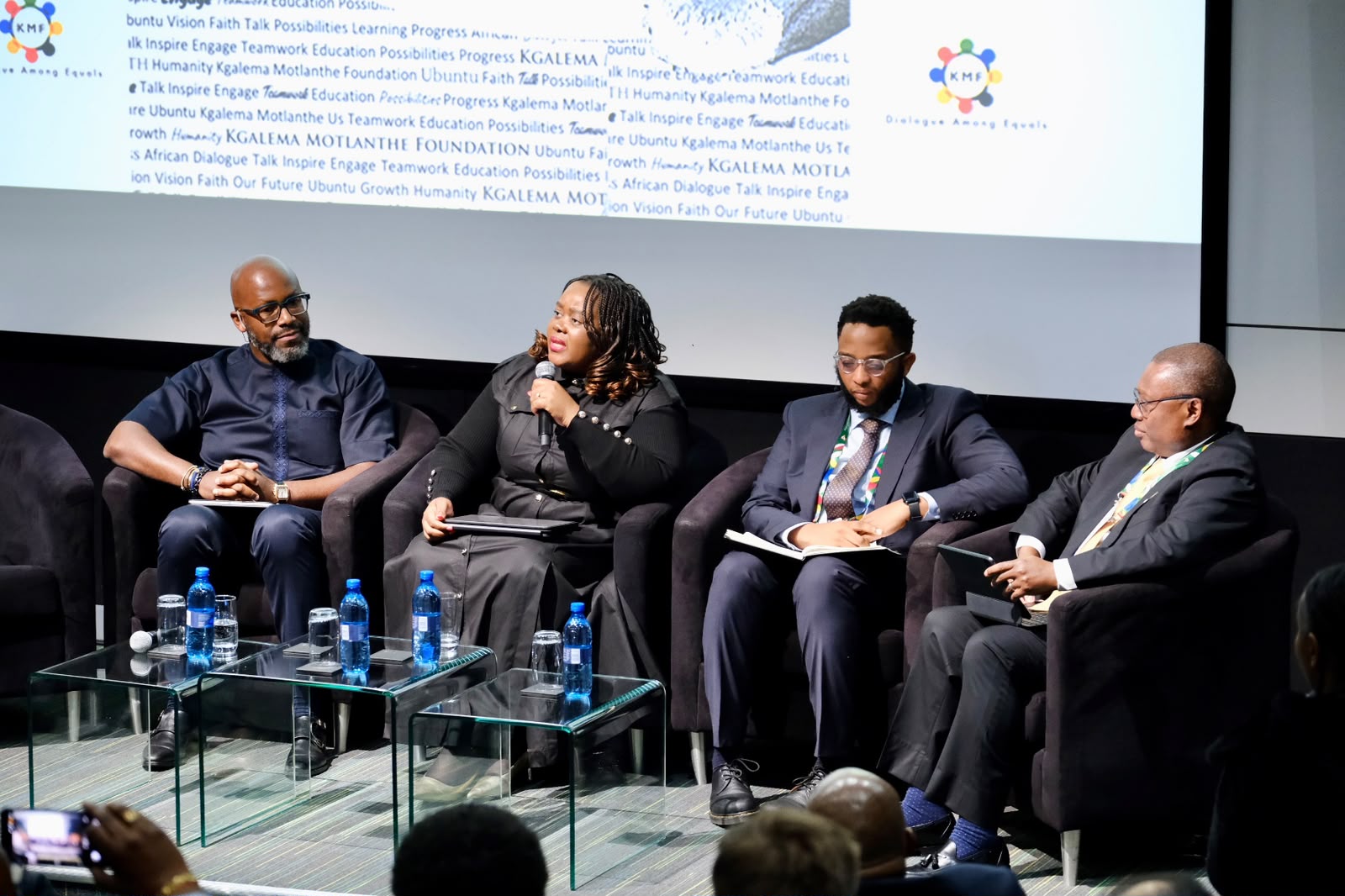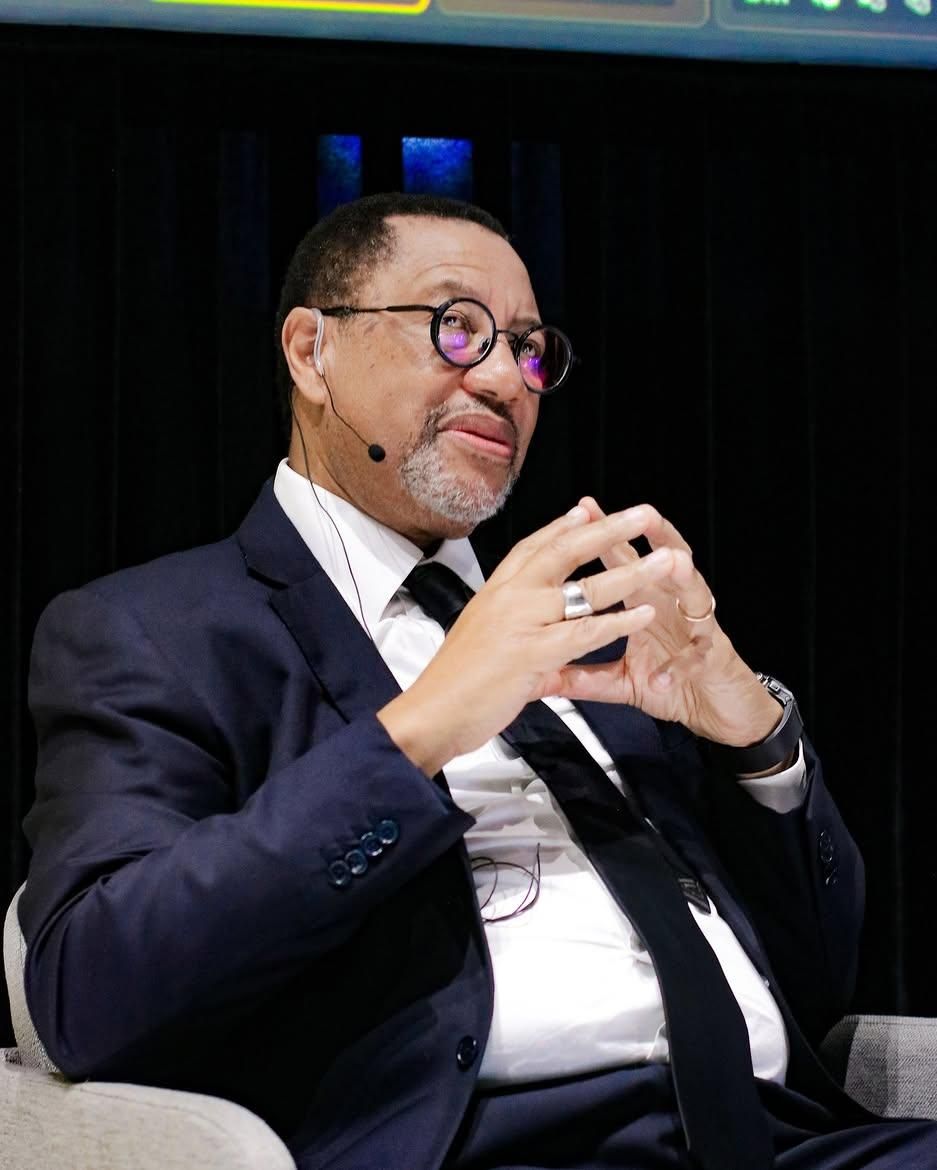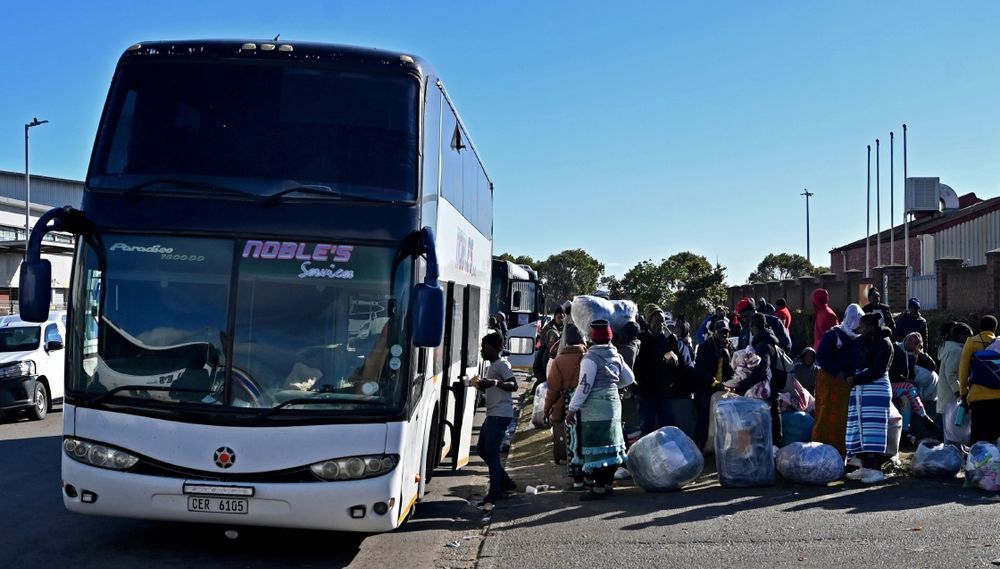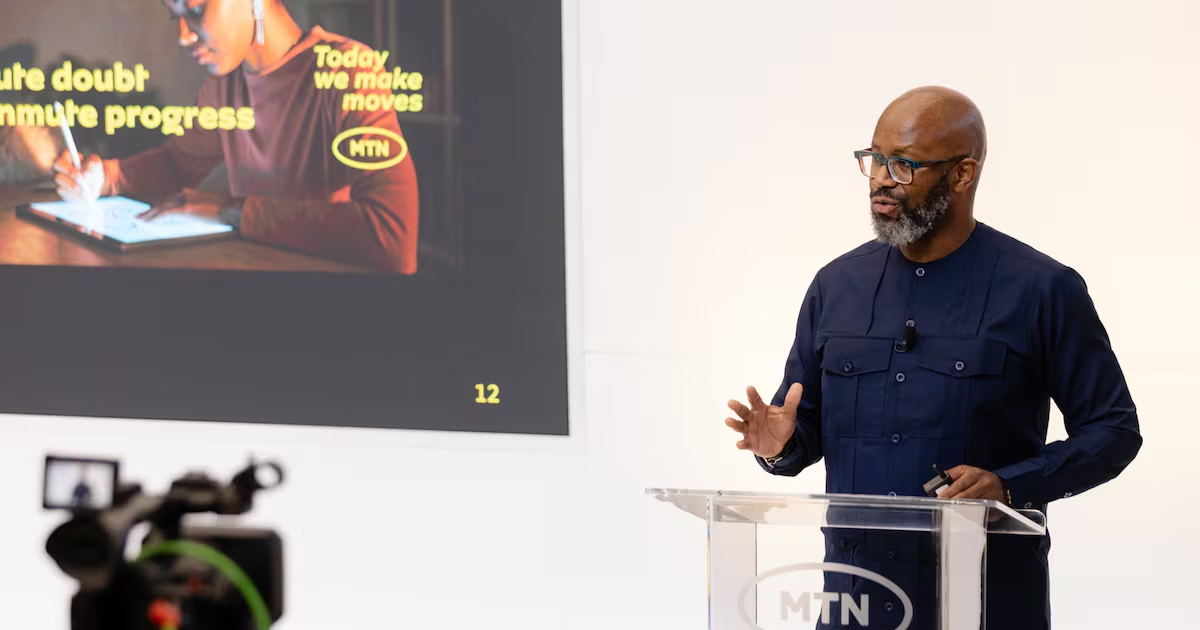
MTN group CEO Ralph Mupita has told government and business leaders that Africa’s future depends on expanded economic opportunity, not division. Speaking at the Kgalema Motlanthe Foundation’s winter seminar on migration and Africa on Thursday, Mupita said MTN makes 82% of its revenue outside South Africa, underscoring the value that comes from operating as a pan-African organisation. MTN is Africa’s largest mobile provider with more than 300-million customers.The event addressed months of attacks on immigrant-owned businesses in South Africa, including vigilante raids on shops and forced evictions of foreigners into makeshift camps. The Zimbabwean-born businessman said Africa’s long-term prosperity depends less on how the continent responds to issues of migration and more on how it expands economic opportunities, strengthens regional integration and enables more people to participate meaningfully in economic growth.“The future of Africa will not be determined by the borders that separate us but by the economic opportunities that connect us. Governments must set predictable policy and regulations. Businesses will follow and allocate resources and capital. Together, we can build a continent where opportunity is more evenly shared and prosperity is more widely created,” he said.“If our discussion ends with the language of crisis around migration, we will have treated the symptom and missed the deeper challenge. People move because opportunity is unevenly distributed. The defining question is whether we can build economies in which mobility is matched by opportunity.”MTN believes that Africa’s strength lies in its connectivity — not only through networks but through people, ideas and shared identity. This initiative is about building bridges, not borders— Ralph Mupita, MTN group CEO Much has been said about Africa’s young population at a time when ageing is a crisis in several developed economies. The median age in Africa is about 19 years, compared with about 35 in Europe and North America. By 2050, the continent is projected to be home to 2.5-billion people, roughly a quarter of the world’s population. Mupita, who also related his own journey as a migrant in South Africa for the last 35 years, said Africa’s demographic advantage would only become an economic benefit if countries invested in the conditions that allow people to participate productively. This includes investment in skills, infrastructure, finance, markets and institutions.“MTN was born in South Africa and has grown alongside the continent. Our prosperity is inseparable from Africa’s prosperity,” Mupita said. He added that digital infrastructure and services have become increasingly important enablers of economic participation. “MTN believes that Africa’s strength lies in its connectivity — not only through networks but through people, ideas and shared identity. This initiative is about building bridges, not borders.”At the same event, MTN chair Mcebisi Jonas said South Africa’s recent wave of anti-immigrant violence undermines the economic integration the continent needs to grow.He said properly managed migration has historically supported South Africa’s economy rather than drained it. He pointed to the role migrant labour played in building the country’s mining, agricultural and commercial sectors, along with regional trading networks such as West African merchant corridors and Somali business communities that have connected African economies for generations.The former deputy finance minister said South Africa’s real problem is not too many migrants but too little growth and too much exclusion. Jonas added the country loses skilled citizens to emigration while making it difficult for skilled foreigners to stay.Standard Bank Group CEO Sim Tshabalala told delegates at the event that South Africa should look to the UK’s departure from the EU as evidence of the economic cost of restricting migration.Tshabalala said the UK’s exit from the EU was driven largely by concerns over migration. But the outcome offers a cautionary lesson rather than a template for South Africa. He said Brexit cut UK GDP by 6%-8%, reduced investment 13% and pushed unemployment up about 4% relative to a scenario in which Britain had remained in the bloc.His comments coincide with an overhaul of South Africa’s immigration architecture. The cabinet approved a revised white paper on citizenship, immigration and refugee protection in April, consolidating the South African Citizenship Act, the Immigration Act and the Refugees Act into a single law. The reform introduces a points-based system for certain visas and permanent residency and new visa categories for remote work, start-ups and skilled workers. It retains South Africa’s commitments under the 1951 Refugee Convention after an earlier withdrawal proposal was dropped.With Thando MaekoBusiness Day
82% of MTN revenue is from outside SA: Mupita says open Africa is vital
Africa’s prosperity will depend less on how it responds to migration and more on how it expands economic opportunity, says MTN group CEO.
725 words~3 min read