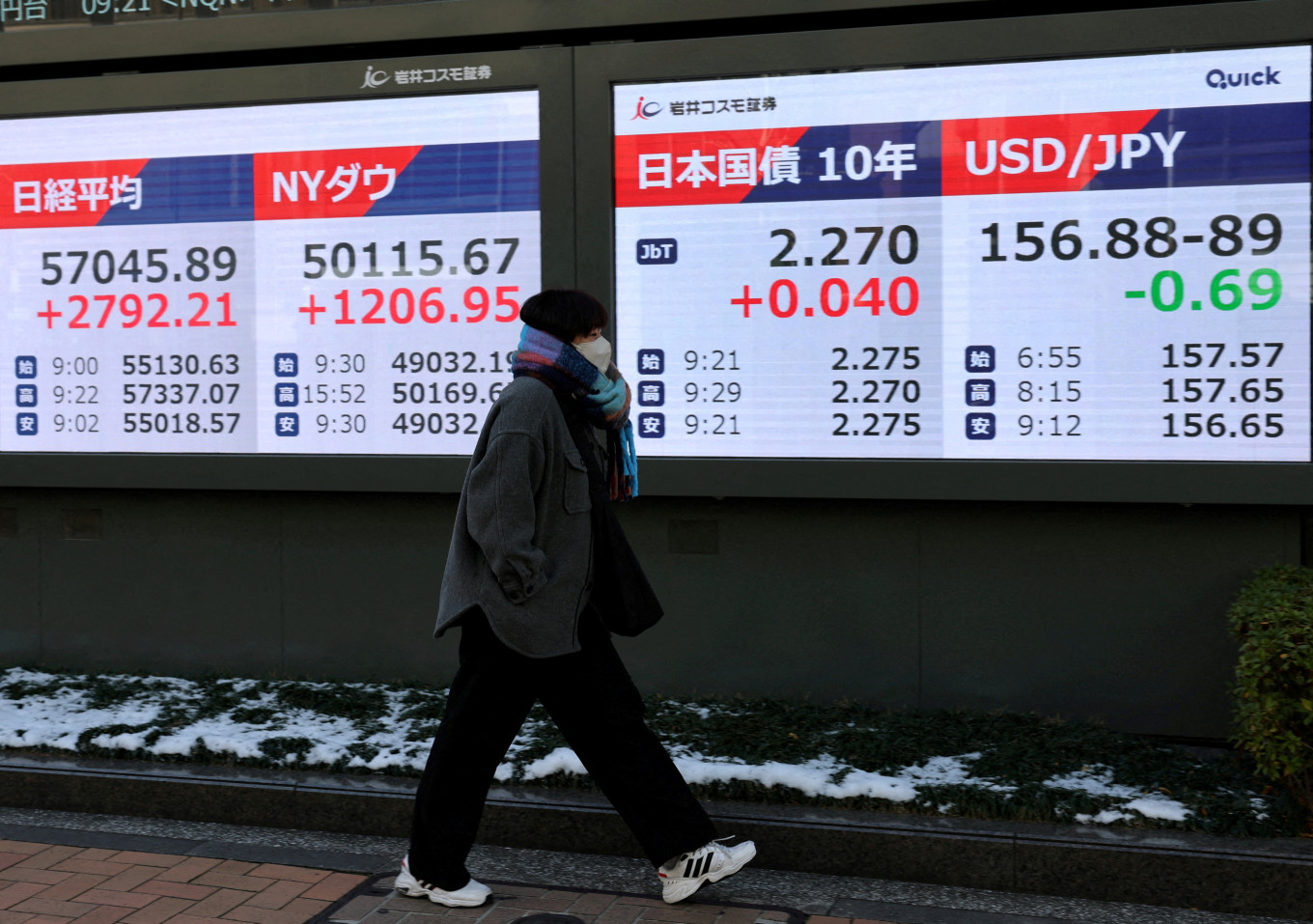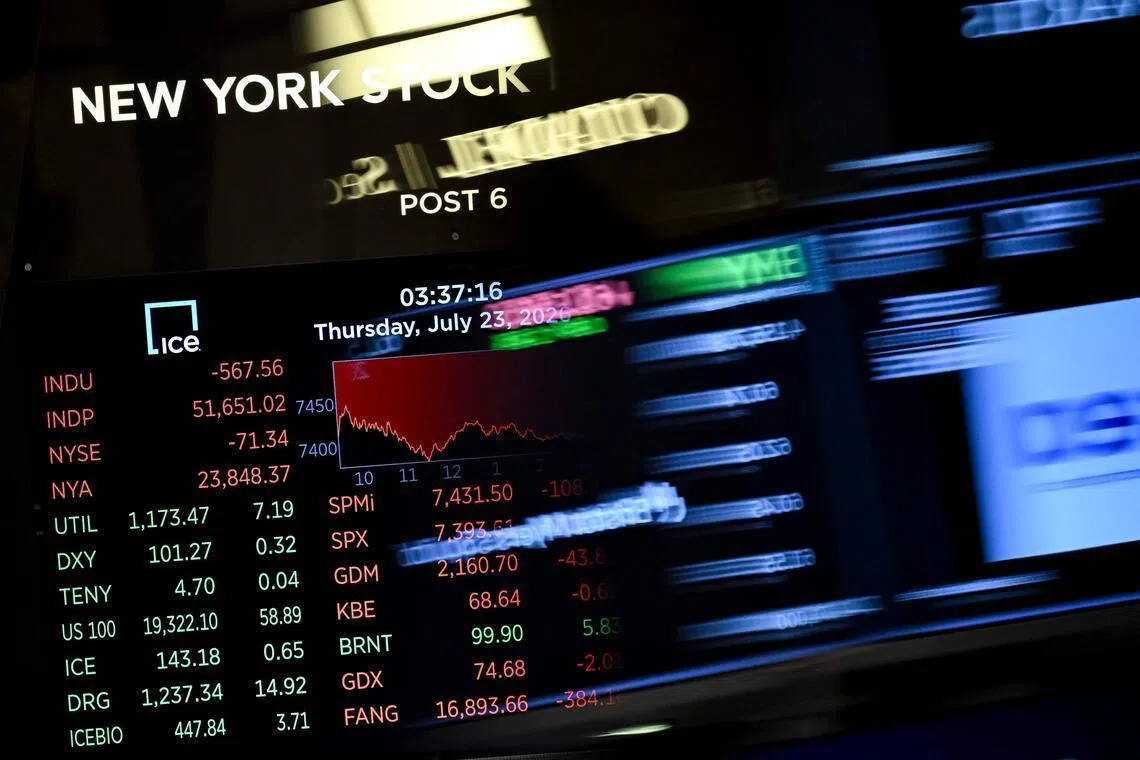
Global bonds are being pummelled by the latest resurgence in energy prices, delivering losses to investors who bet the worst of the rout in 2026 was over and teeing up credibility tests for central bankers.Benchmark UK gilt yields this week set their longest period of daily closes above 5 per cent in almost two decades, Germany’s 10-year yield is at the highest since 2011, while their Japanese peers are close to levels last seen in the 1990s.The US 30-year yield is just below the most since 2007, while shorter-maturity Treasury yields this week hit their highest levels in more than a year. Such is the extent of the selloff that the average yield on the Bloomberg Global Treasury Index – which tracks government bonds of investment-grade countries – has surged to 3.68 per cent, surpassing a peak from three years ago to reach the highest since the global financial crisis in 2008.The benchmark is currently set for its biggest monthly loss since March. The simultaneous pressure on both front- and long-end yields comes ahead of a weekend that may deliver more geopolitical headlines.There are also a series of key central bank decisions due next week, including the Federal Reserve, Bank of Japan and Bank of England.A further sell-off in bond markets would add to concern that global debt levels are becoming unsustainable, push up global corporate borrowing costs and risk spurring a rotation away from stocks. “There are many of the same forces at play,” Torsten Slok, chief economist at Apollo Global Management in New York, said of yields rising across sovereign debt markets. “Oil prices are going up. That creates problems for the Bank of England, that creates problems for the Fed and, by the way, also creates problems for the European Central Bank.”Global debt markets have been battered in 2026 by surging energy prices caused by the conflict in the Middle East. While crude tumbled in June as a ceasefire between Iran and the US appeared to take hold, renewed hostilities sent oil prices higher again in July – with Brent climbing above US$100 a barrel on July 23.The bond market has also been pressured by US economic resilience, with the jobs market and growth figures both remaining solid. That has helped shift the expectation for Fed monetary policy this year to hikes from cuts. Traders are also coming to grips with new chairman Kevin Warsh’s revamp of Fed communications designed to provide less forward guidance – raising the prospect that any change in policy may come sooner than anticipated.Bets on a rate increase at the Fed’s July 28-29 policy meeting have risen, with the market-implied probability now standing at a one-in-three chance. “We know that Warsh does not want to provide the market with forward guidance, which is fine,” said Mark Cabana, head of US rates strategy at Bank of America. “But then the market has greater ability to price the outcome that it thinks the Fed should do, or price an outcome that perhaps will force the Fed to consider hiking.”The reduction in forward guidance from the Fed may mean its next decision may be a surprise whichever way it goes. More than anything, Warsh and his colleagues need to convince the market that the central bank has inflation under control.Bond funds are still reeling after global policymakers were caught off guard by the surge in price pressures following the coronavirus pandemic. Bloomberg’s global bond benchmark remains about 20 per cent below its peak set in early 2021. “A hike would push the market to reassess the terminal rate higher, flattening the yield curve,” analysts at Barclays Plc including Anshul Pradhan wrote in a research note on Thursday. “An on-hold decision, if not explained well, could likely lead to higher long-term rates.”Bonds are also sliding in Asia. Japan’s 10-year yields have been climbing on concern the central bank is not tightening policy fast enough to quell inflationary pressure driven by a weakening yen. That is despite policymakers signalling they are open to quickening the pace of rate hikes ahead of their meeting next week. Traders in the UK will be focused on the Bank of England’s forecasts and Governor Andrew Bailey’s commentary to confirm expectations of two hikes by year-end. The central bank is weighing higher energy-driven inflation risks against a tepid labour market and sluggish growth. Australia’s benchmark yields are the highest in the developed world and there is a risk they will keep climbing. Inflation data next week and a speech by Reserve Bank of Australia Governor Michele Bullock may cement expectations the policy rate will rise for a fourth time this year.“It’s a tricky situation for central banks, because all the hard data is backward-looking now,” said Pooja Kumra, a strategist at TD Securities in London. “They are in a tough place, and it’s a global situation right now.”One casualty is BlackRock’s iShares 20+ Year Treasury Bond ETF, widely-used by investors to access the performance of longer maturity US government debt. The exchange-traded fund has fallen almost 5 per cent over the past month, and has now lost more than half its value since 2020.“We think we’ve entered a new macro regime,” said Atsi Sheth, chief credit officer at Moody’s Ratings in New York. That means “structurally higher inflation, higher interest rates as a result, but also wider fiscal deficits, and the possibility that the global uncertainty that you see will be socialised further and fall onto the government balance sheet”. BLOOMBERG
Global bonds are reeling as oil surge renews inflation threat
An index tracking government bonds of investment-grade countries has reached its highest since 2008. Read more at straitstimes.com. Read more at straitstimes.com.
909 words~4 min read