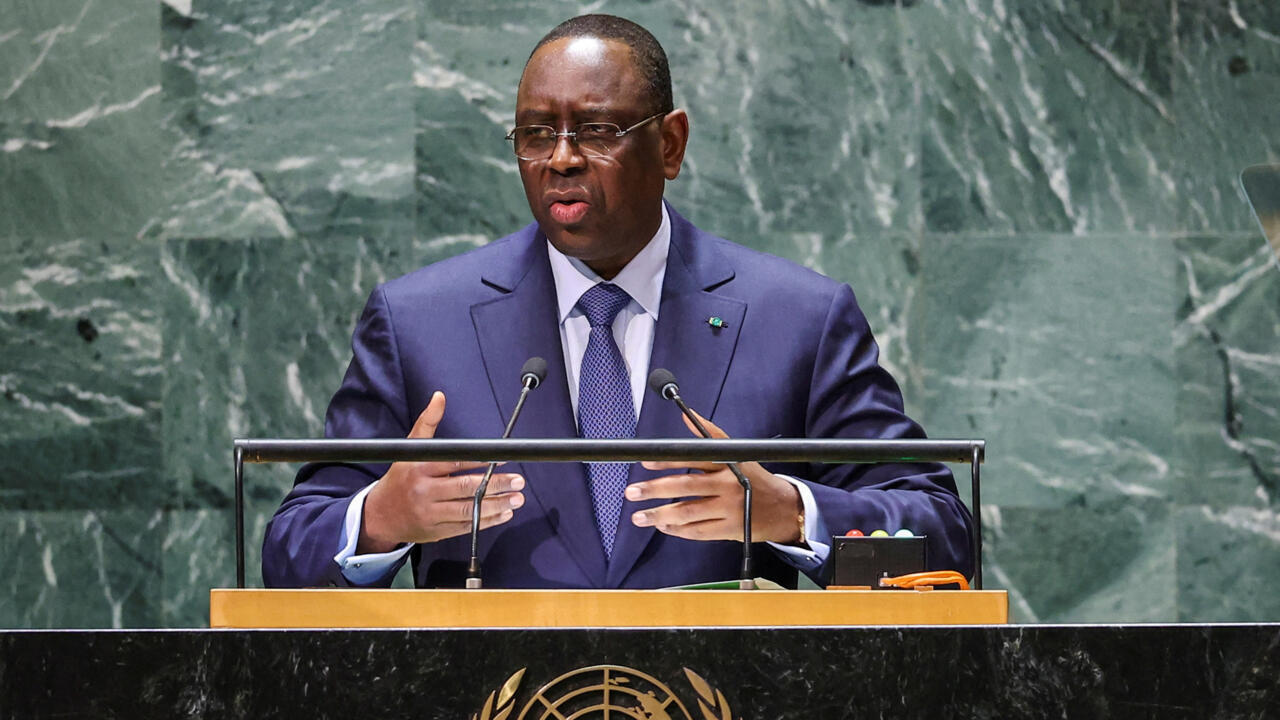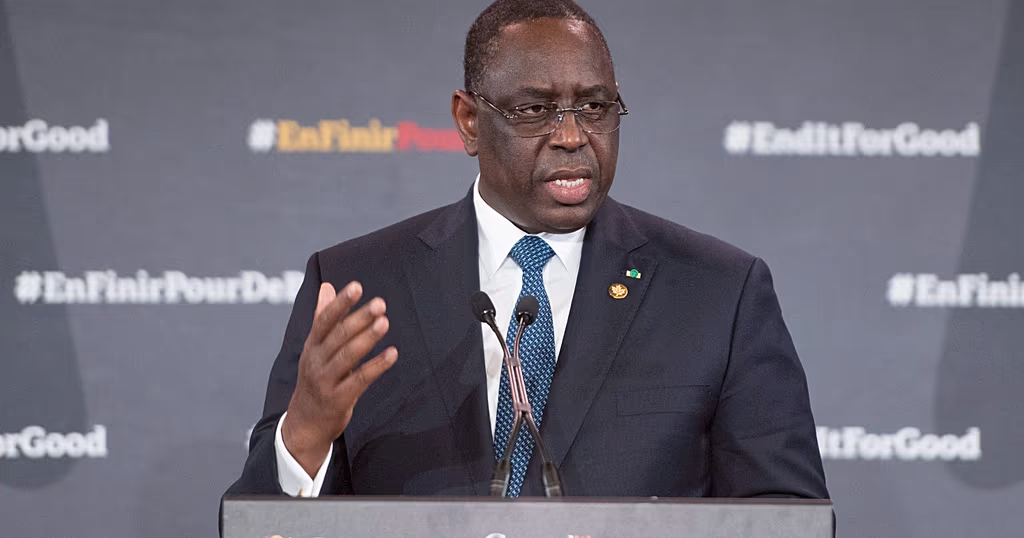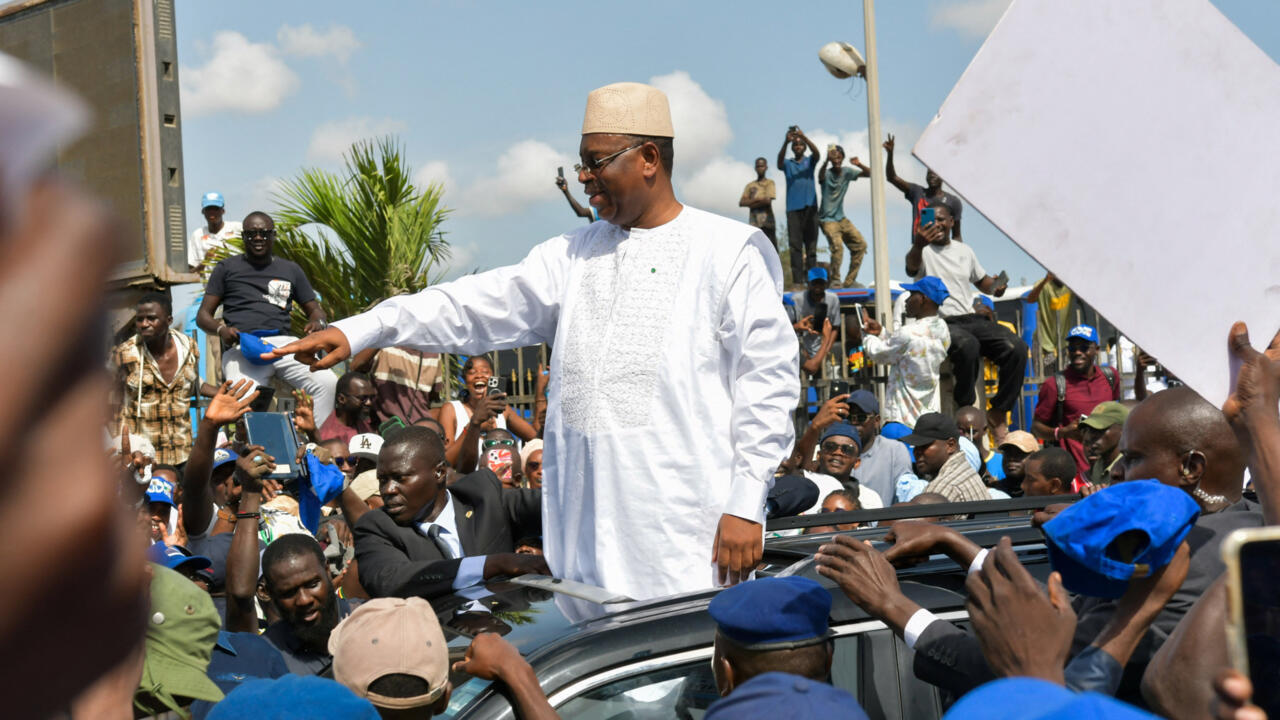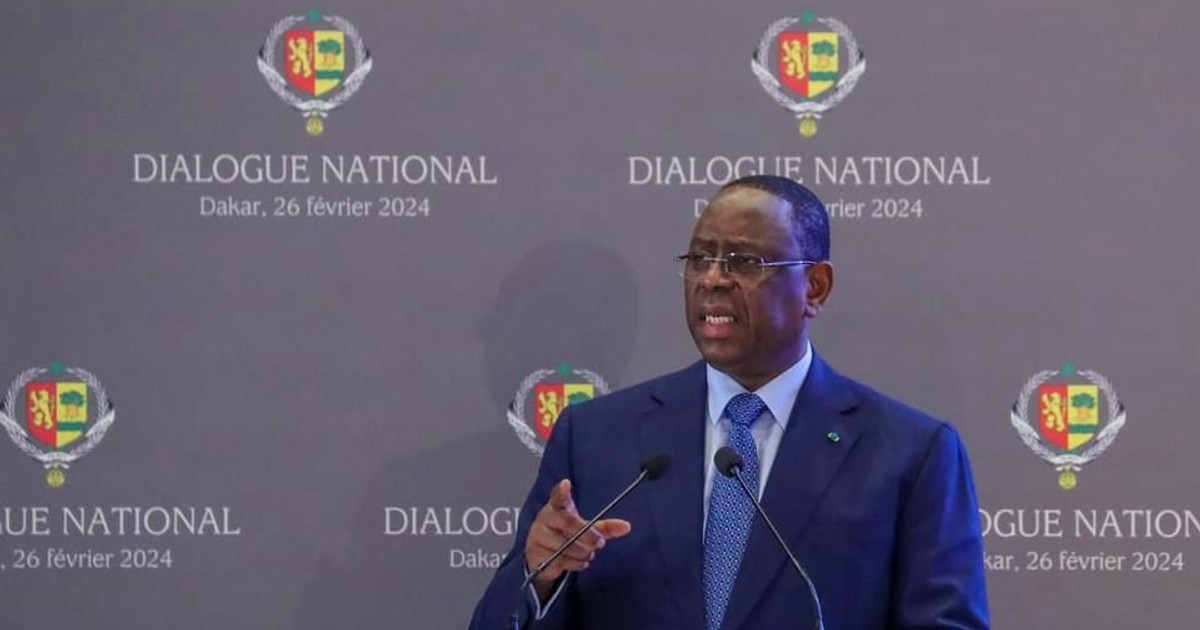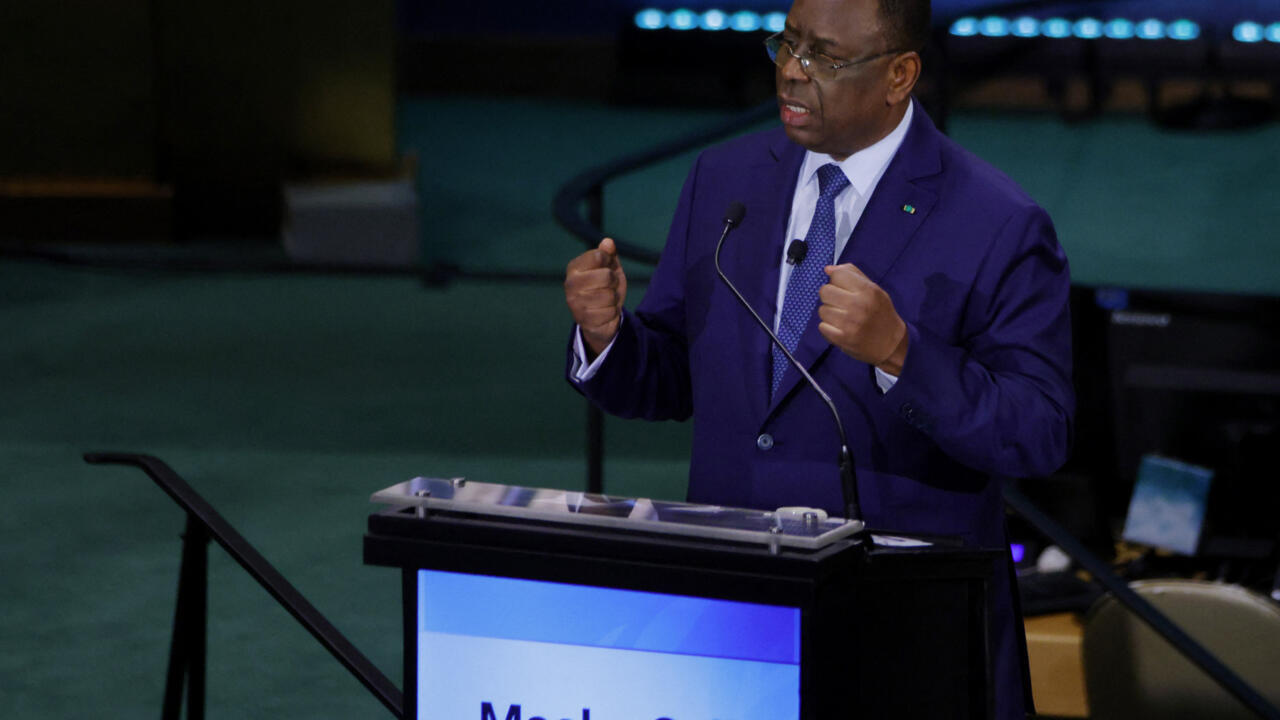
Former Senegalese president Macky Sall has pledged to restore trust in the United Nations and make the organisation more responsive as he seeks to become the first African to lead the global body in nearly three decades.
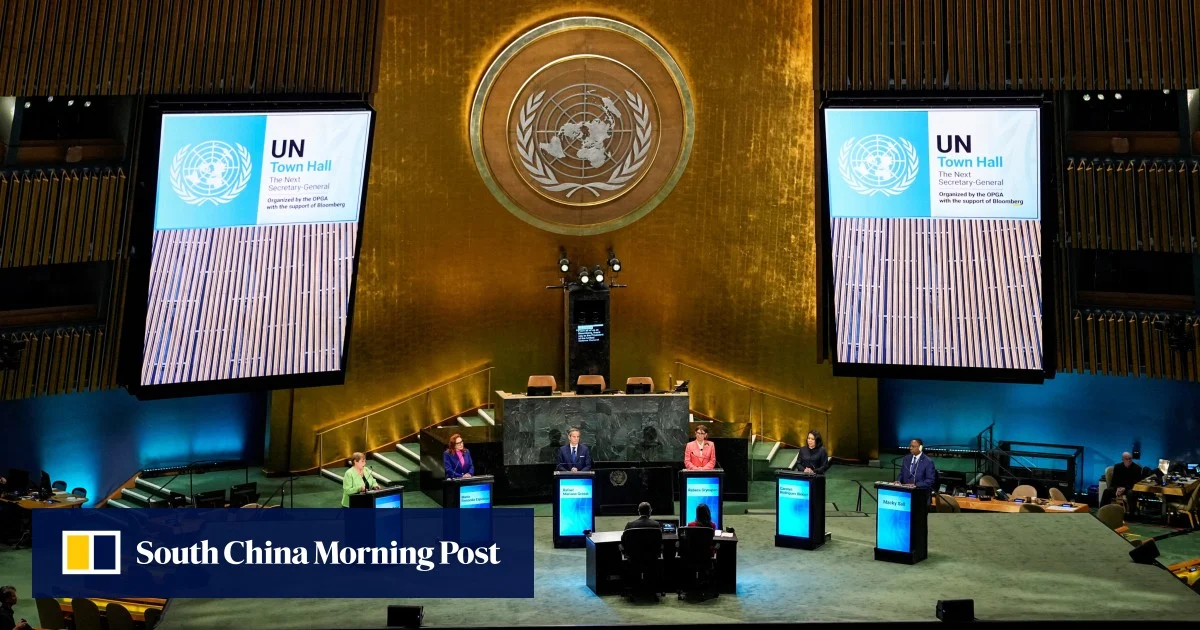
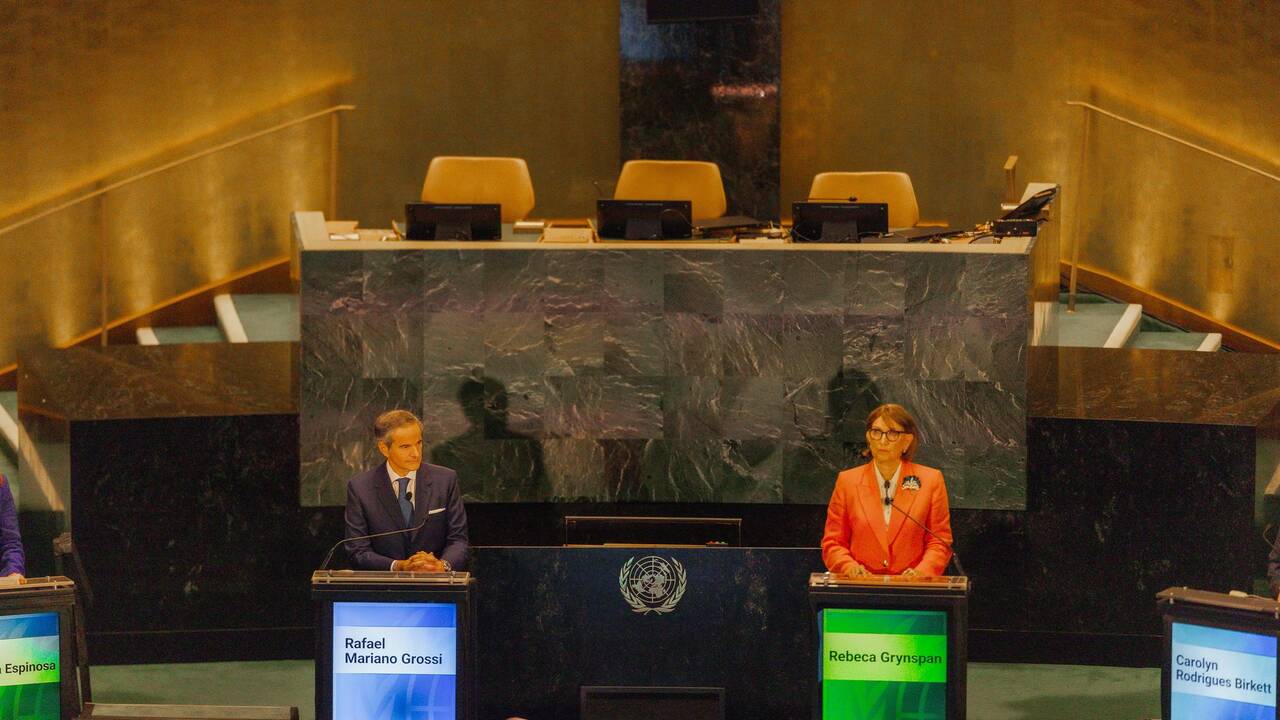
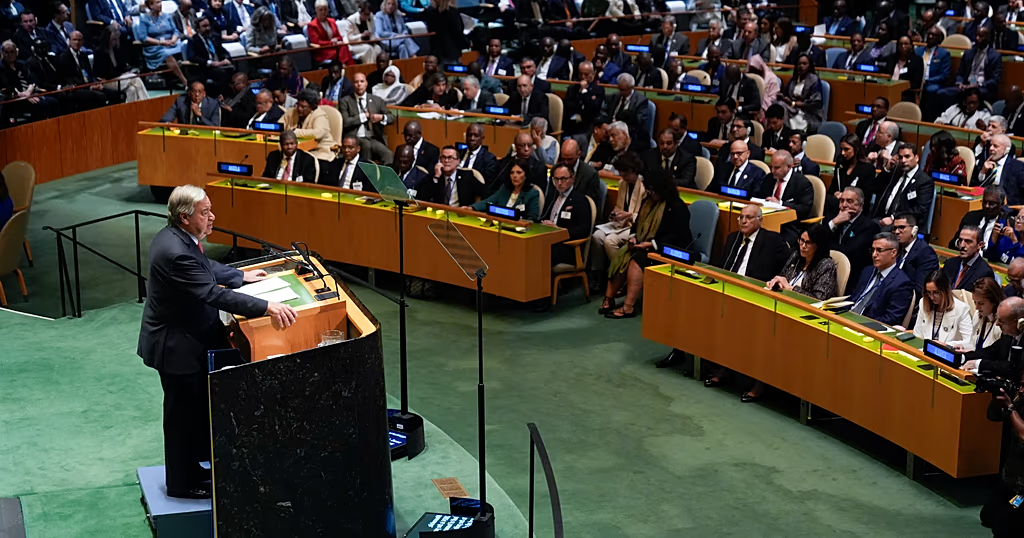
Sall was among six candidates who set out their vision for the UN during a restrained debate in New York on Thursday, one week before the formal selection process begins. The candidates agreed that the next secretary-general would need to rebuild the credibility of an organisation facing deep financial pressures, growing geopolitical divisions and criticism over its response to conflicts around the world. Sall said he would use his first 100 days in office “to restore trust and put the UN on a path to become more agile, more effective and more ready to listen”. The former Senegalese leader promised an organisation able to “listen, act and bring people together”, placing effectiveness and dialogue at the heart of his campaign. Sall, who served as Senegal’s president from 2012 to 2024, is the only African and the only non-Latin American candidate in the race to succeed Secretary-General Antonio Guterres, whose term ends on 31 December. His candidacy challenges an informal tradition of geographic rotation, under which many countries believe the next secretary-general should come from Latin America and the Caribbean. Four of the six contenders are women, adding further weight to longstanding calls for the UN to appoint its first female secretary-general. Senegal's Faye backs former president Sall's bid for UN top job in U-turn Six candidates set out their credentials Alongside Sall, the candidates are former Chilean president Michelle Bachelet, former Ecuadorian foreign minister Maria Fernanda Espinosa, International Atomic Energy Agency chief Rafael Grossi of Argentina, UN trade and development head Rebeca Grynspan of Costa Rica and Guyanese ambassador Carolyn Rodrigues-Birkett. During the nearly two-hour, televised debate in the UN General Assembly Hall, the candidates answered questions from diplomats, UN employees and civil society representatives. Each presented their national or international experience as evidence of their ability to manage the organisation during an era marked by wars, political rivalry and declining confidence in multilateral institutions. Grynspan said she wanted the UN to regain a central role in resolving conflicts and delivering visible results. “Five years from now, I would like nobody to ask me again, ‘Where is the UN?’” she said. She called for the organisation to be “back at the table” in conflict situations and able to produce meaningful improvements on the ground.