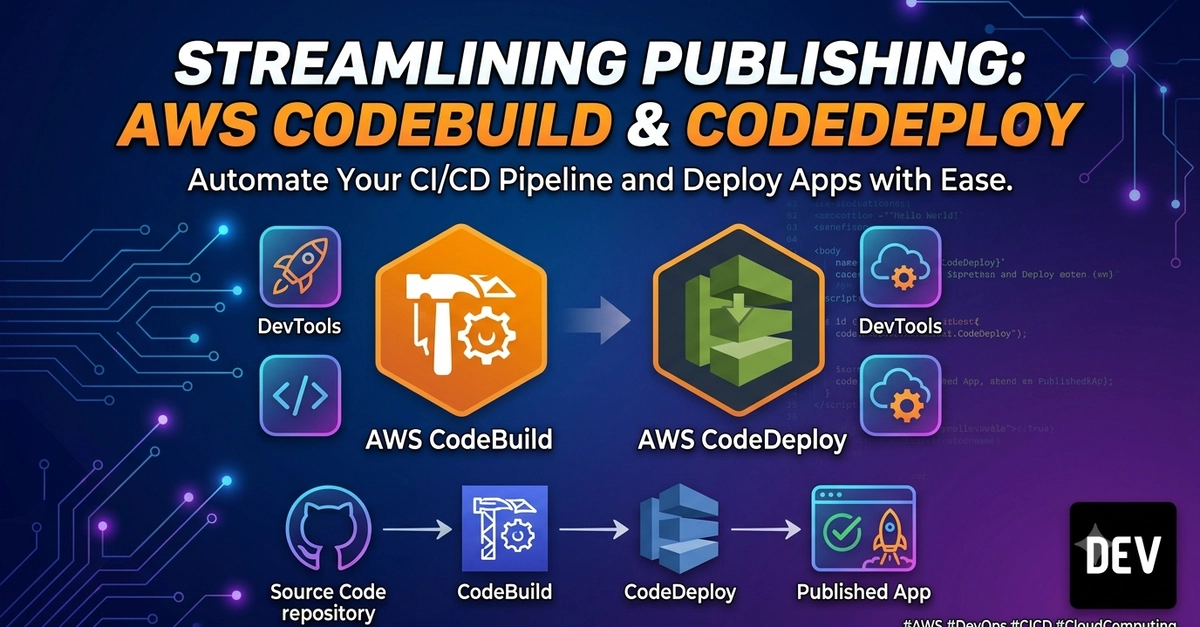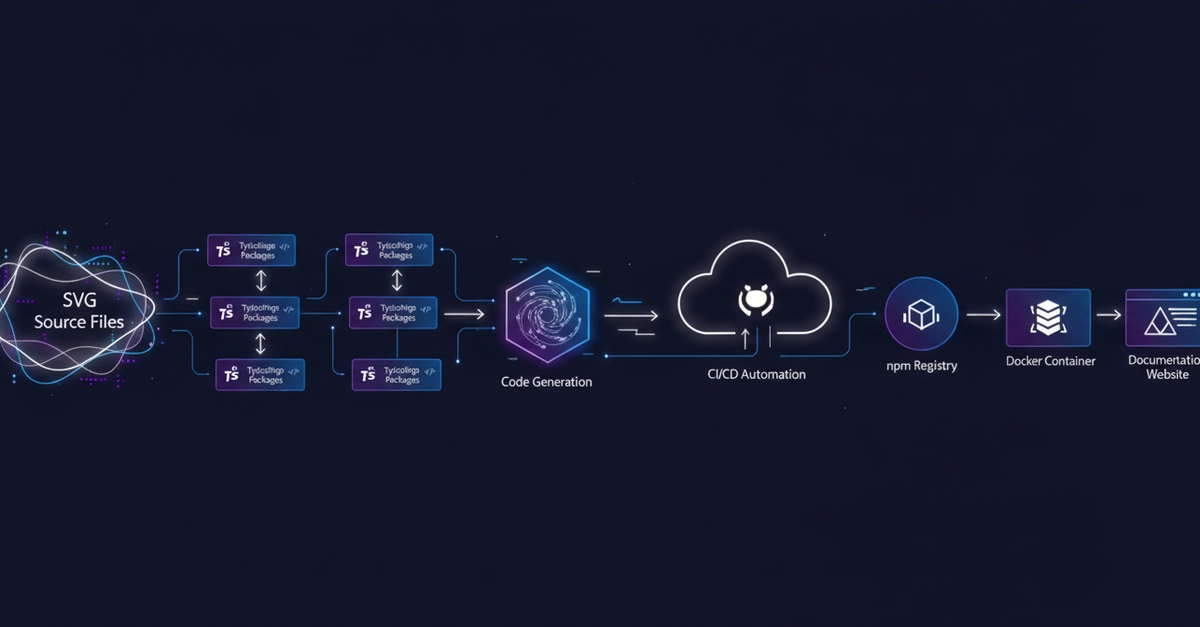
In the last article, I set up a pipeline that builds, tests, and deploys the monorepo automatically. That solves getting code out safely and repeatably. It does nothing for the problem that starts the moment the deploy finishes: knowing whether the thing you just shipped is actually working.
This is part of the Full Stack SaaS Masterclass series, and it sits right after CI/CD for a reason. A fast, reliable deploy pipeline raises the stakes on observability. If you can ship five times a day, you need to know within minutes when one of those releases regresses something for a customer.
Monitoring can swallow an entire team's roadmap if you let it, so I want to be upfront about scope. This article covers the version worth building for a SaaS in its first year or two: health checks, a handful of application metrics, alerting that pages a human only when it matters, and uptime checks from outside the system. Distributed tracing and log-based anomaly detection are real tools, but they earn their place later, once you have enough traffic and incidents to know what you're catching.
Why monitoring matters more once you're multi-tenant
A single-tenant app that goes down is obvious: your one set of users can't log in and someone notices fast. A multi-tenant SaaS can degrade for a subset of organizations while the rest of the system looks completely healthy. A slow query that only triggers for tenants with a large dataset, a background job that silently stops processing one organization's queue, a feature flag that misfires for a specific plan tier: none of these show up as a global outage. Without monitoring, the first signal you get is a support ticket, and by the time it reaches an engineer, the customer has already formed an opinion about your reliability.