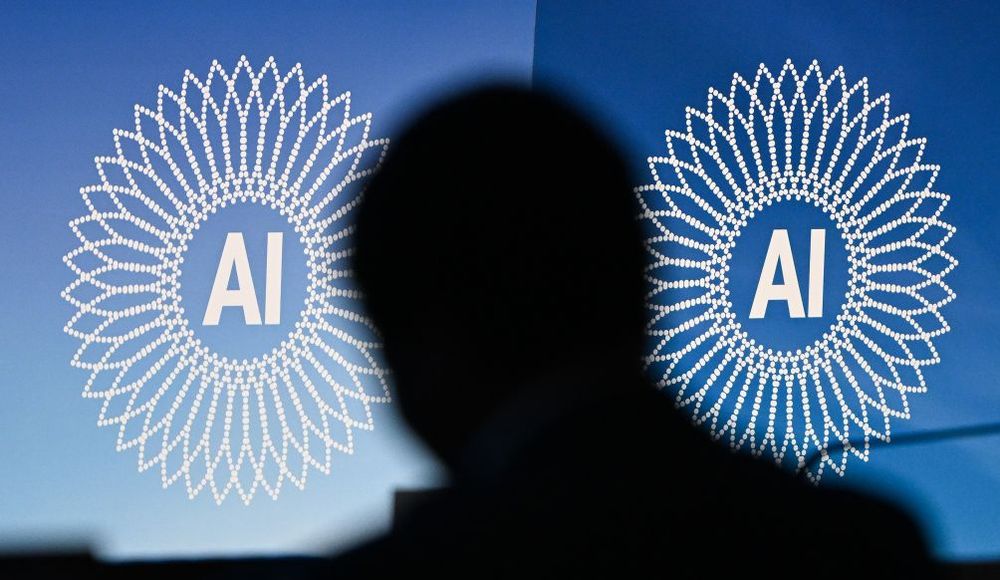
A participant attends the first session of the Global Dialogue on AI Governance in Geneva, Switzerland, July 6, 2026.
If you want to see where artificial intelligence is actually changing daily life, stop looking at chatbots and start looking at water pipes, forests, and farms.
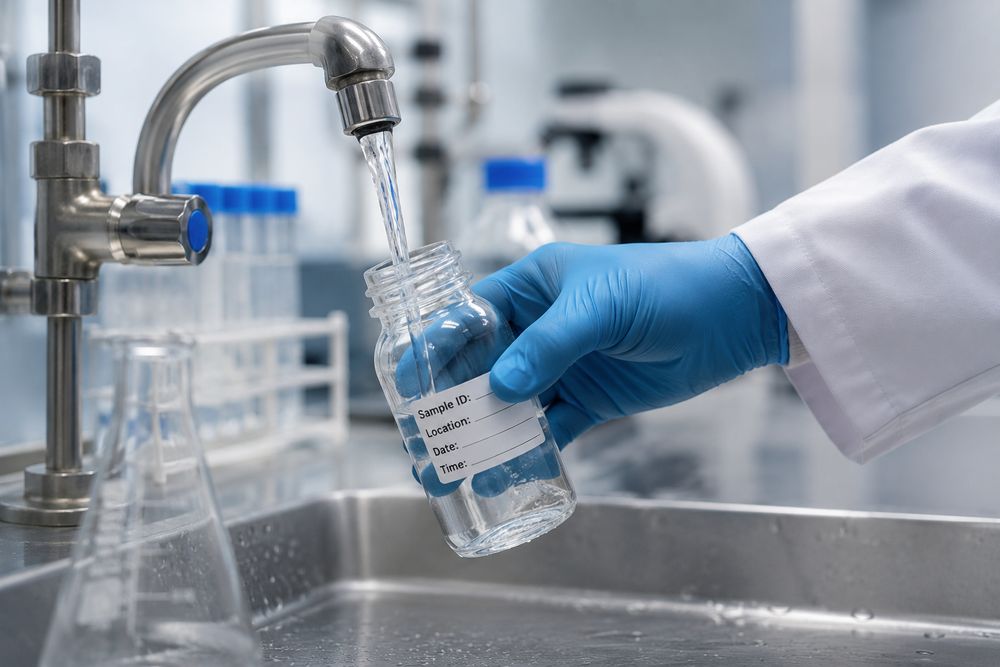
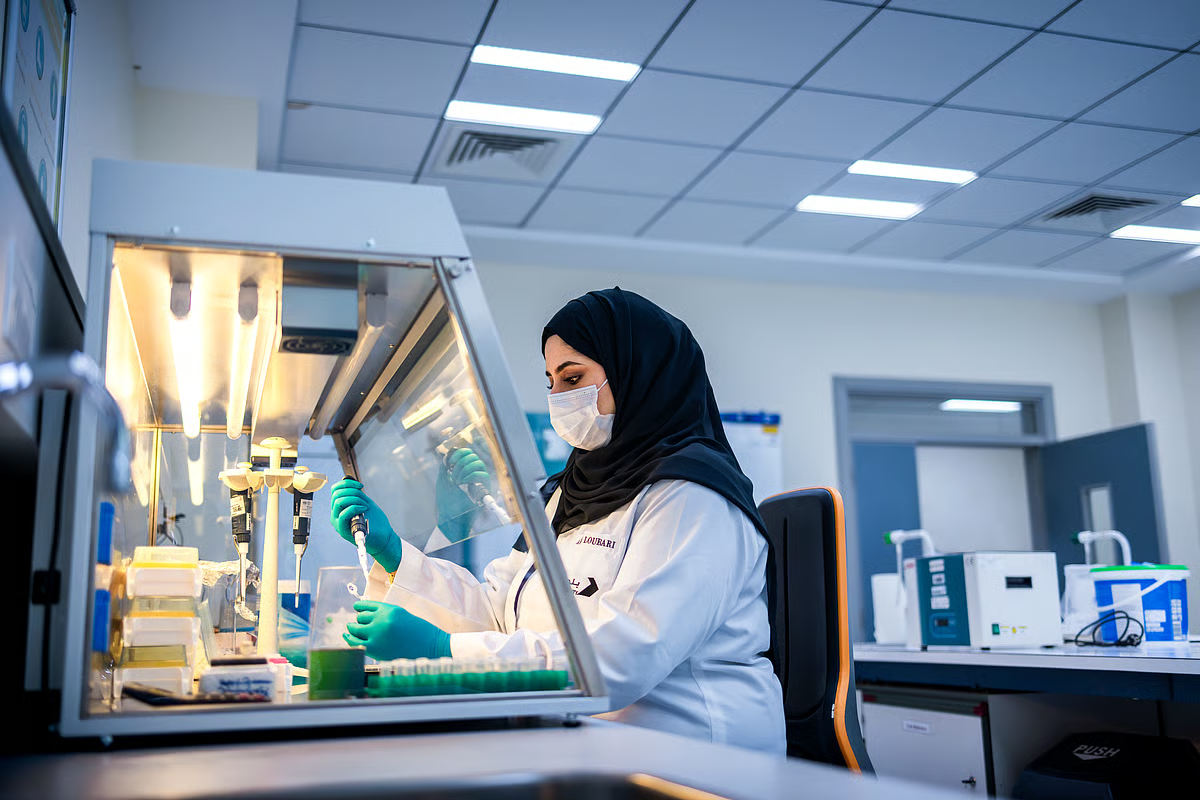
This week, Dubai Municipality rolled out an AI-powered system that dramatically speeds up household water testing, catching bacterial threats like Legionella and E. coli far faster than conventional lab methods, across everything from swimming pools to unbottled drinking water. It's a small, unglamorous upgrade. It's also a good snapshot of where public-sector AI is heading globally right now: not flashy, but functional, and spreading fast.
Dubai isn't alone. In China, researchers at the National Space Science Center trained an AI model on more than 300,000 auroral images to automatically detect "space hurricanes" in the upper atmosphere, hitting nearly 98% accuracy, technology expected to feed into satellite-based space weather forecasting. Vietnam has launched a digital platform called V-Standard to help farmers certify products and meet export standards more easily. Kazakhstan is installing 90 AI-linked camera towers across its eastern forests to catch wildfires before they spread. Thailand has built an app that nudges working-age citizens toward healthier habits by tracking sleep, diet and activity. Different countries, different problems, same underlying pattern: AI quietly slotting into the machinery of government.