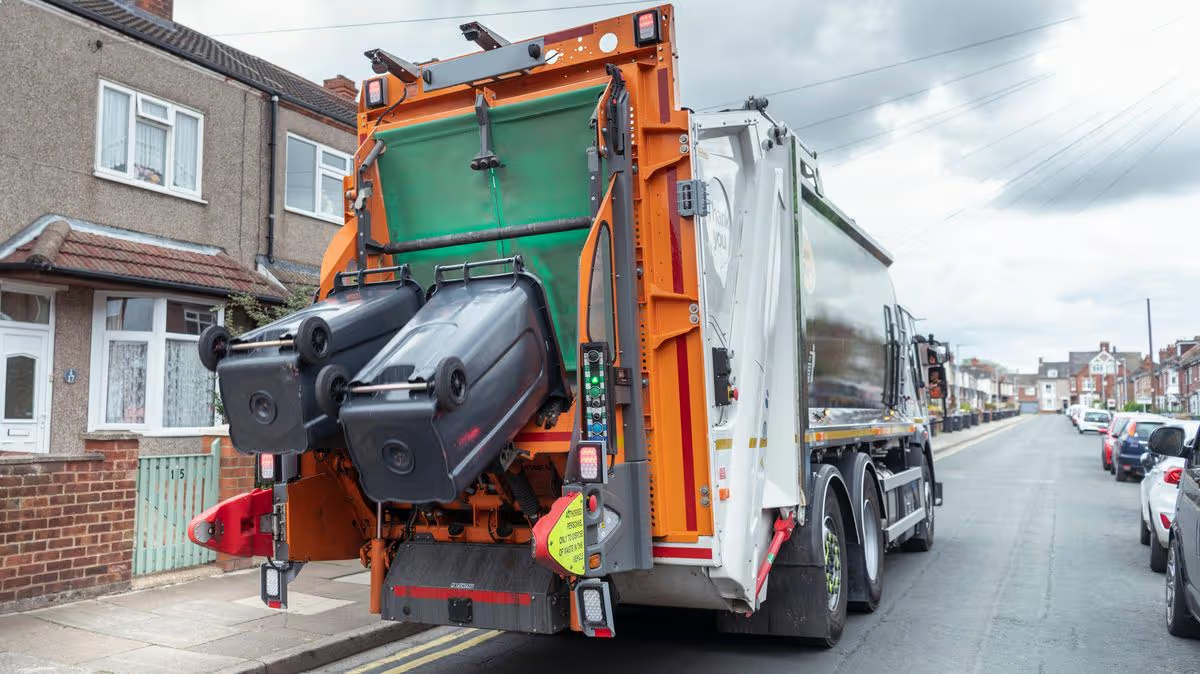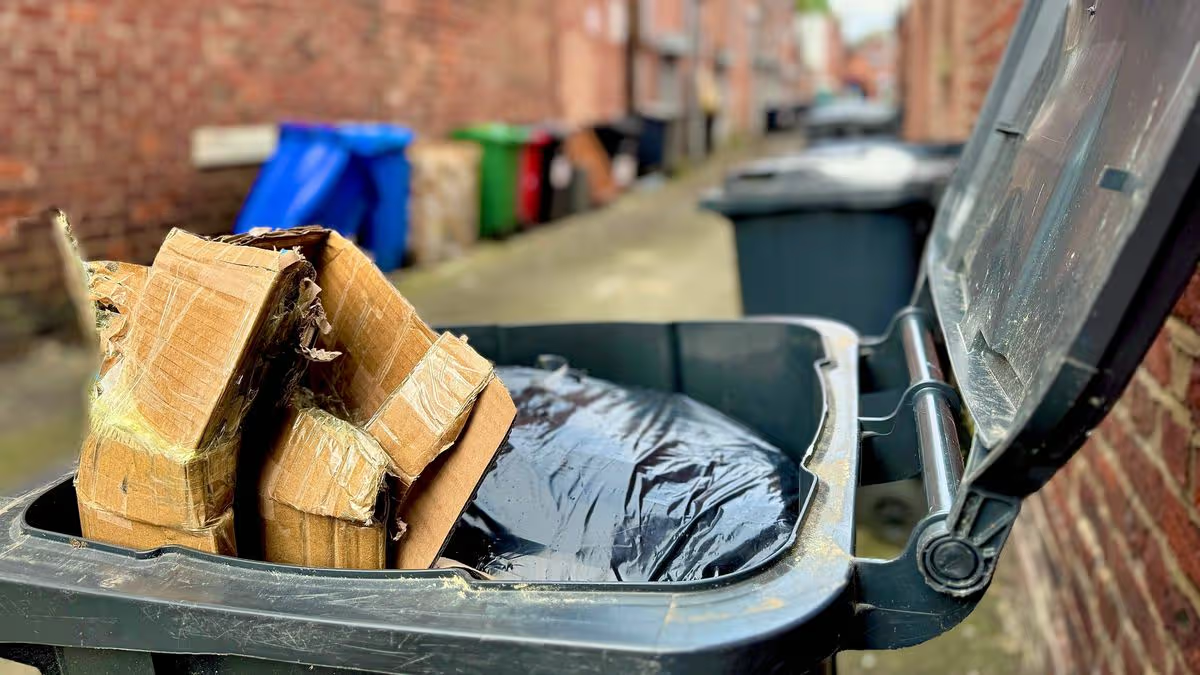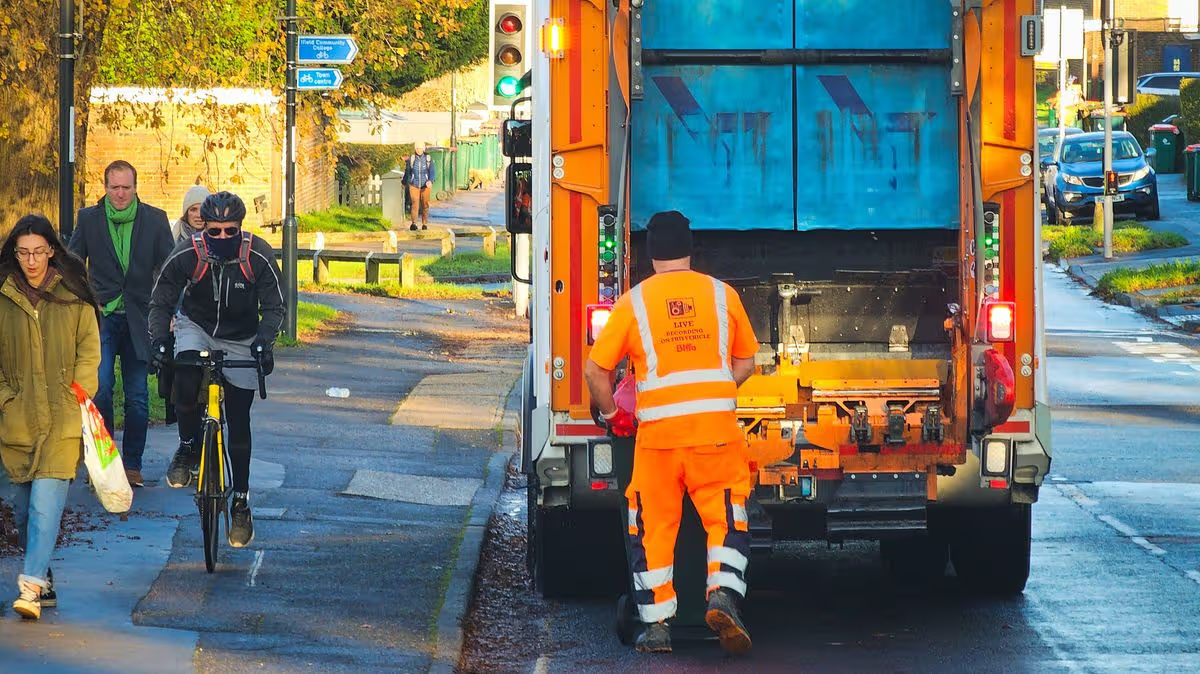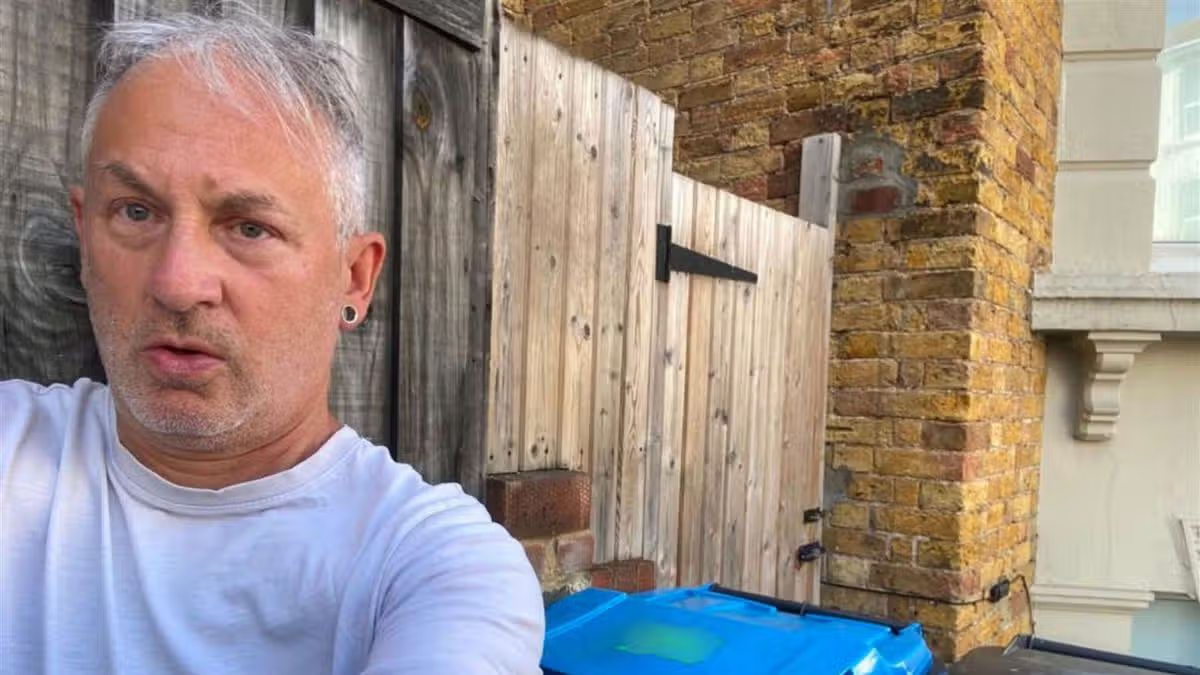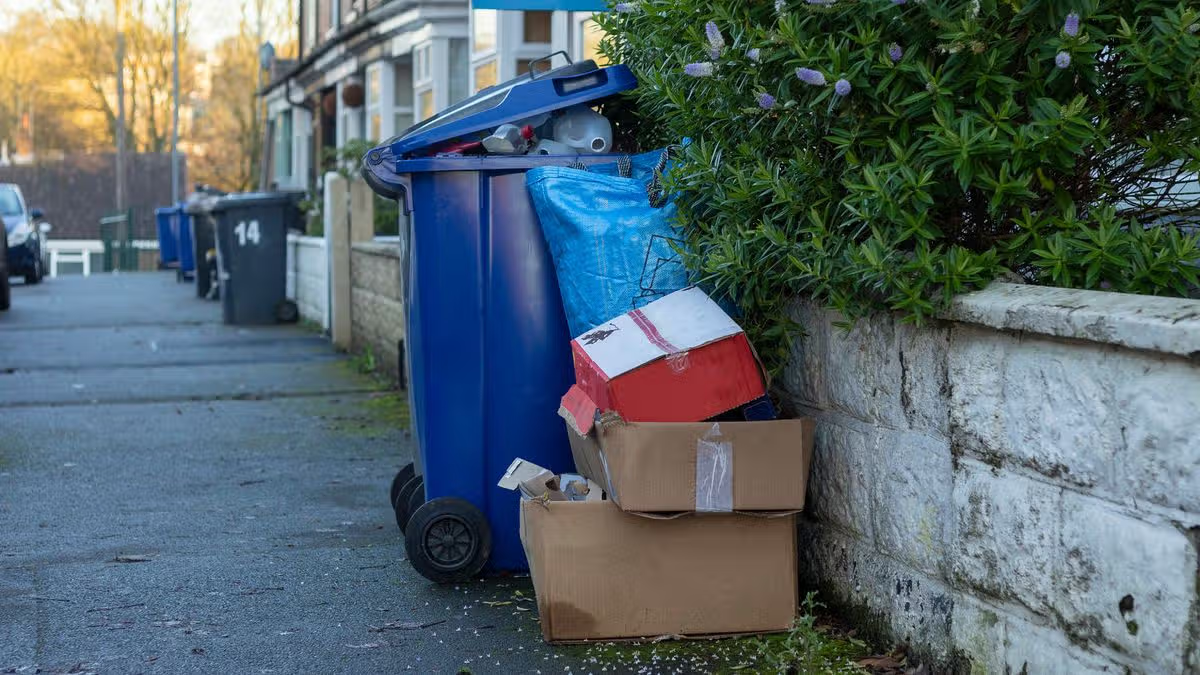
A binman has settled the debate on whether excess rubbish can be left beside wheelie bins07:20, 24 Jul 2026Rubbish quickly builds up in homes across the UK because it can be hard to wait weeks for the next collection. Recycling items such as plastics, glass bottles and cardboard can soon fill up a wheelie bin.Many homes prefer to keep the rubbish out of sight and have it collected as soon as possible, so it is tempting to leave it beside the wheelie bins on collection days. However, it sometimes isn't collected.A binman has now explained why that happens and if it is actually acceptable to leave rubbish beside bins in the hopes it gets collected.The No.1 Binman, whose real name is Ashley, often takes to social media to share tips and tricks with the public. He confirmed that the answer all boils down to what your local council says.Ashley said: "It depends on your council, every council will say something different. Some will allow it, some won't."He added: "Some councils allow it, maybe paper, but it is how you get it into the lorry, you can't just lean in and add it in. Check your council, if they allow it then you can and follow the guidelines they tell you."The binman said the council he works for doesn't allow collections of excess waste as if anything smashes, or mess is caused, he would be at fault.Content cannot be displayed without consentNot everything can be recycledHe has previously urged households to take care with their recycling for another reason. Ashley explained that while items such as polystyrene may display the recyclable symbol, this doesn't necessarily mean they're appropriate for household recycling bins.The common mistake could result in your recycling bin being left full and uncollected, while collectors wait for you to sort your recycling correctly."It can be recycled, you just have to find out where it can be recycled," he said. Ashley said the same principle applies to items like batteries, crisps packages, and carrier bags.The everyday items cannot be placed in household bins, but instead must be taken to designated locations. He explained: "So you just need to find out where things can be recycled. And just like at home, you have separate recycling bins."Placing something in the incorrect recycling bin, such as food in the paper recycling bin, would contaminate everything and prevent it from being properly recycled.Major changes to recyclingThis year, there has been a major change to recycling across England. The UK's Simpler Recycling reforms, under the Environment Act 2021, have introduced uniform recycling for businesses and households in England.There are now separate collections for food waste, paper and card, glass, metal and plastic. Local authorities need to provide clear information about what can and can't be recycled, with some councils exempt until at least 2040.Don't risk a fineThe Department for Environment, Food & Rural Affairs states that penalties can be issued when households don't follow waste collection rules. Not following the rules could cause a nuisance and negatively affect local amenities.Putting waste out that causes an obstruction to neighbours, restricts access to the pavement, is likely to attract vermin or is unsightly is all grounds for councils to issue fines.Article continues belowFixed penalties are issued in the form of a written warning to explain why the rules have been broken. If the household doesn't comply, a notice of intent can be issued.A final notice can be sent 28 days after the notice of intent, and it will include the amount the household must pay. The government states that the maximum full penalty is £80.
'I'm a binman — rubbish can be left beside bin if you do easy step first'
A binman has settled the debate on whether excess rubbish can be left beside wheelie bins
598 words~3 min read