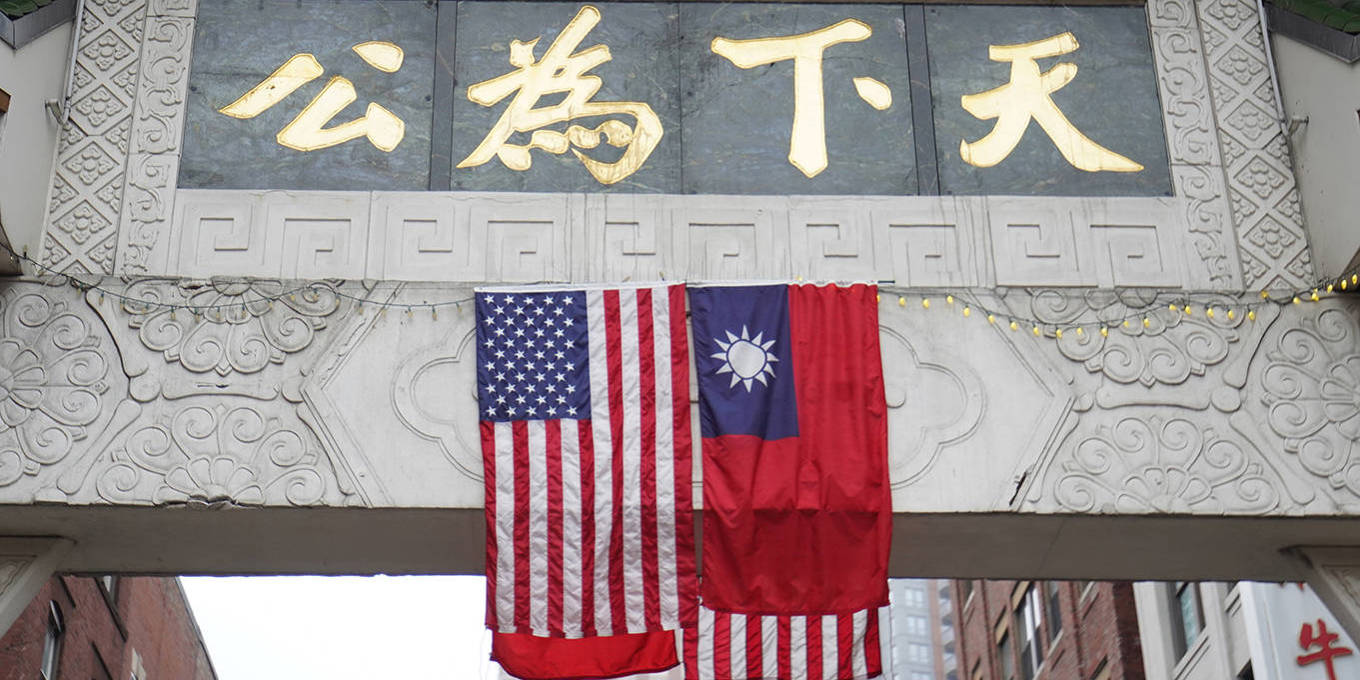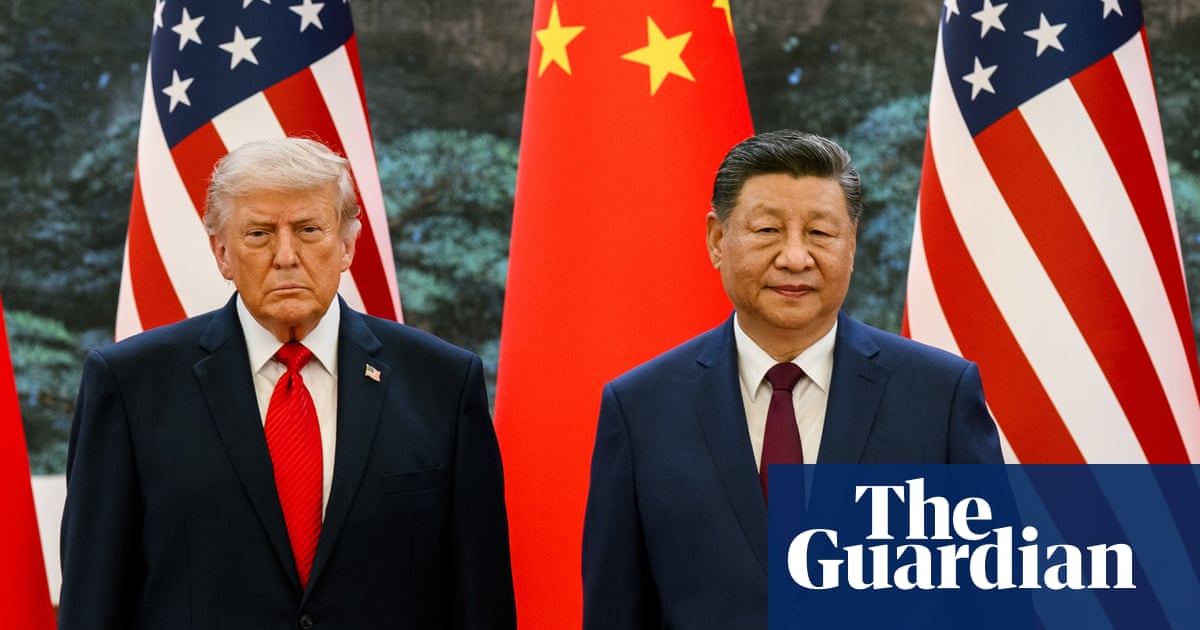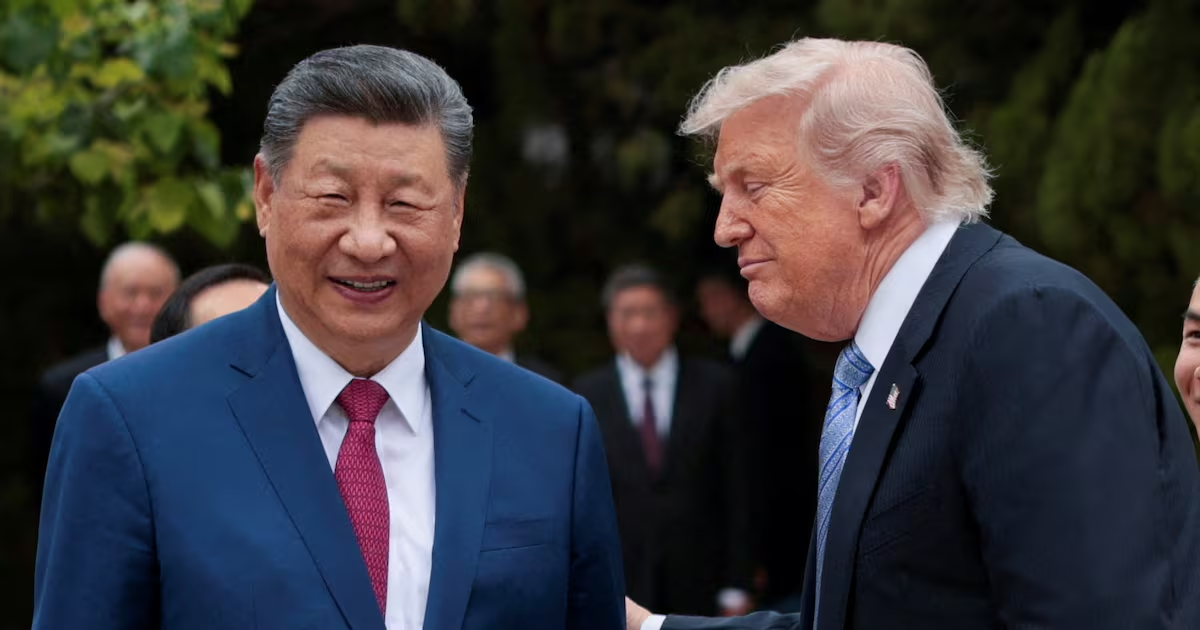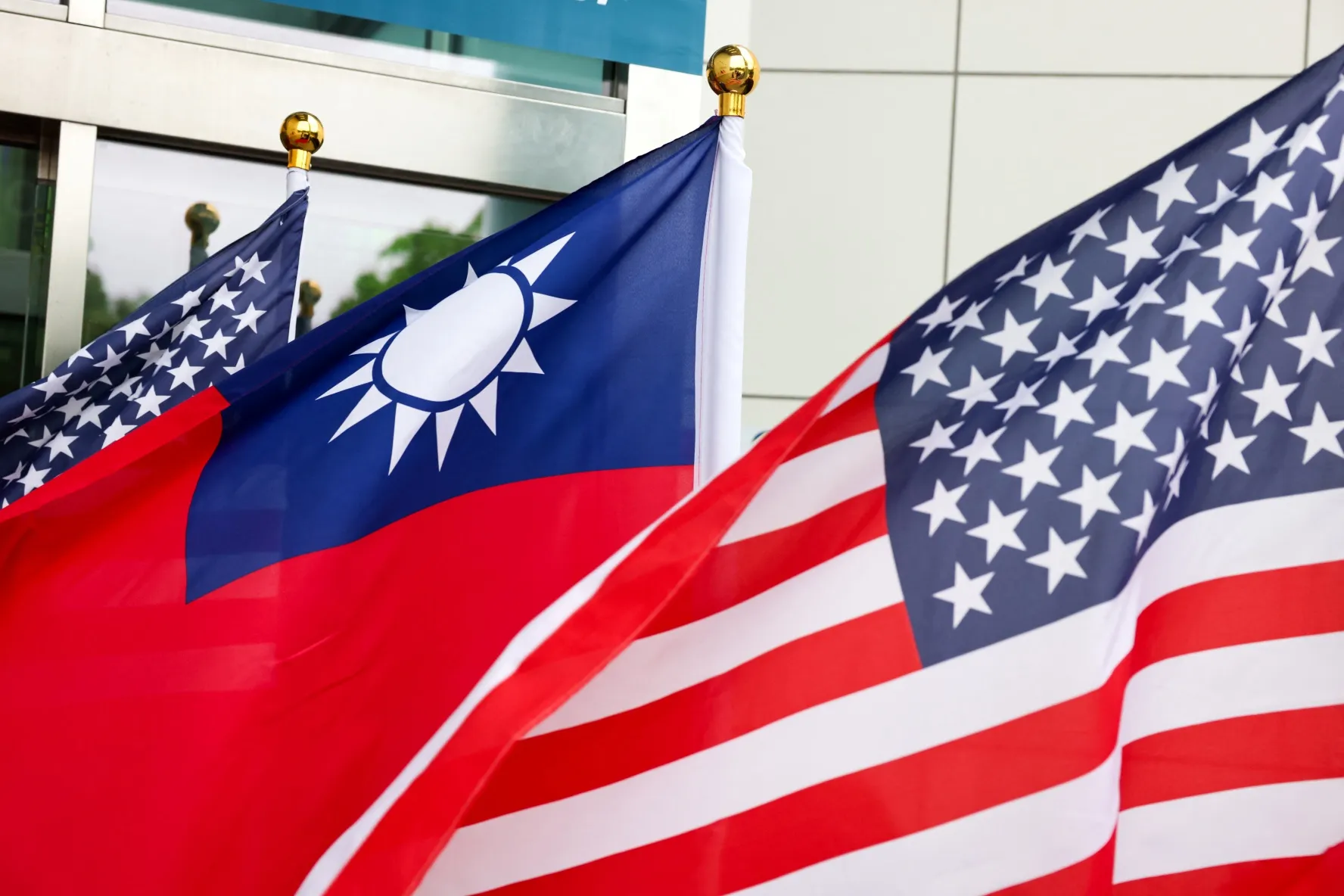
There has been much handwringing recently about the state of the U.S.-Taiwan relationship in the wake of President Donald Trump’s comments about arms sales to Taiwan and broader questions about the future direction of U.S. policy toward the island. Some observers point to polls suggesting that Taiwan is losing faith in U.S. commitments to support Taiwan’s self-defense, while others contend that recent U.S. rhetoric and policy signals have raised doubts about the overall health of the relationship. These concerns warrant careful consideration. Yet they present only part of the picture. While public confidence may fluctuate in response to political events and official statements, and while some degree of uncertainty is inherent in any security relationship, the broader evidence suggests that the U.S.-Taiwan relationship is not only holding steady but flourishing. Indeed, measured by the depth and breadth of cooperation across multiple sectors, the relationship is arguably stronger today than at any time since the United States changed diplomatic recognition from Taipei to Beijing in 1979.
Recent surveys indicating that some Taiwanese have become less confident in the United States should therefore be interpreted with caution. Polling captures public perceptions at a particular moment, but it provides only a partial measure of the health of the bilateral relationship. As recent analyses by scholars at Stanford University and the Brookings Institution have argued, the substance of the relationship tells a different story. Bipartisan support for Taiwan in Washington remains exceptionally strong, American public attitudes toward Taiwan continue to be favorable, and cooperation in defense, trade, technology, and regional security has reached unprecedented levels. Rather than indicating a weakening partnership, fluctuations in Taiwan’s public confidence should be seen in the context of this increasingly institutionalized and strategically significant relationship.