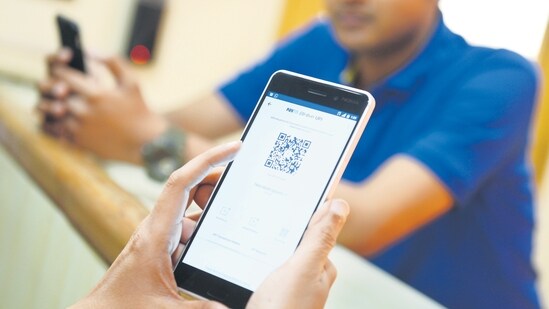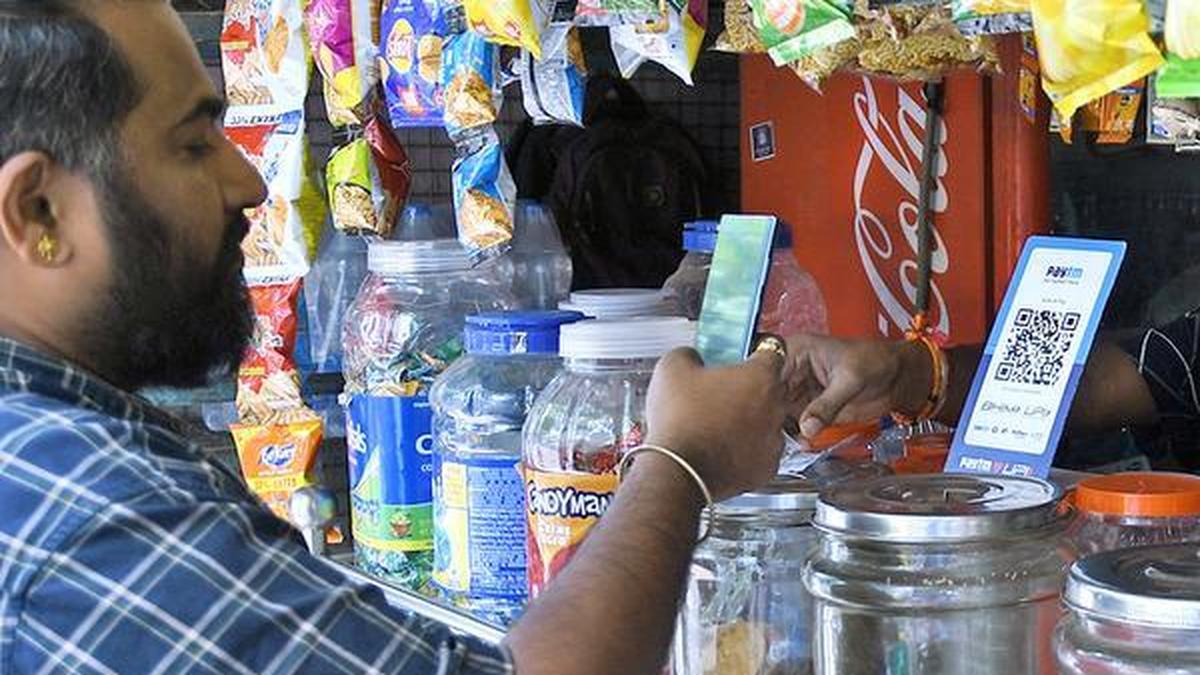
Smaller UPI players have urged the National Payments Corporation of India (NPCI) to reconsider the proposed rollout of UPI Meta, arguing that the framework could unintentionally strengthen the dominance of larger apps such as PhonePe and Google Pay by altering how consumers choose their preferred payment application.In a joint representation to NPCI, seen by businessline, the companies called for wider industry consultations before the framework is implemented, warning that the proposal fundamentally changes UPI’s open architecture by shifting consumer choice from every transaction to a one-time onboarding decision.UPI Meta is a tokenisation layer being developed by NPCI that would allow users to save their preferred UPI app on merchant platforms such as Amazon, Blinkit and Swiggy. Instead of being redirected to a UPI application for every payment, users would authenticate transactions directly on the merchant platform using their UPI PIN or biometric authentication.NPCI is targeting a launch around the Global Fintech Fest later this year as it looks to make UPI payments as seamless as tokenised card transactions, particularly amid the expected entry of Apple Pay into India.However, smaller UPI apps contend that the proposal addresses a problem that does not exist.“Despite UPI processing billions of transactions every month and continuing to witness strong growth, no ecosystem-wide evidence has been presented to demonstrate that the current checkout journey is causing material customer drop-offs or transaction abandonment,” the representation said.The companies argued that unlike card tokenisation—which eliminates the need to repeatedly enter card details—UPI already offers a frictionless payment experience, making the proposed changes unnecessary.At the core of the industry’s concern is the possibility that users are unlikely to revisit the default UPI app selected during onboarding, giving incumbent players with the largest installed user base a lasting competitive advantage.“Over time, this may create structural advantages for larger incumbent apps with significant existing customer bases, while making customer acquisition and transaction share growth increasingly challenging for smaller and emerging UPI apps,” the representation noted.According to the latest industry data, PhonePe accounts for around 45 per cent of UPI transaction volume, while Google Pay has about 33 per cent. Smaller apps such as Navi, super.money and BHIM each account for around 1-2 per cent of transaction volume.The representation also cautioned that while users may technically retain the ability to change their preferred UPI application, digital behaviour suggests that default settings rarely change.“While customers may continue to retain the ability to modify or remove linked applications, based on observed customer behaviour across digital ecosystems, default preferences established during onboarding tend to persist unless customers have a specific reason to change them. Consequently, the TPAP selected during onboarding may become the default application for a substantial proportion of future transactions,” the letter said.Seeking a broader industry discussion before implementation, the companies said, “We respectfully request NPCI to undertake broader consultation with third-party application providers (TPAPs) and other ecosystem participants and comprehensively evaluate the concerns highlighted above before progressing with the proposed framework.”Published on July 24, 2026
Smaller UPI players seek wider consultation on NPCI’s UPI Meta, warn of market concentration risks
Smaller UPI players urge NPCI for broader consultation on UPI Meta, warning of risks in market concentration and consumer choice.
492 words~2 min read