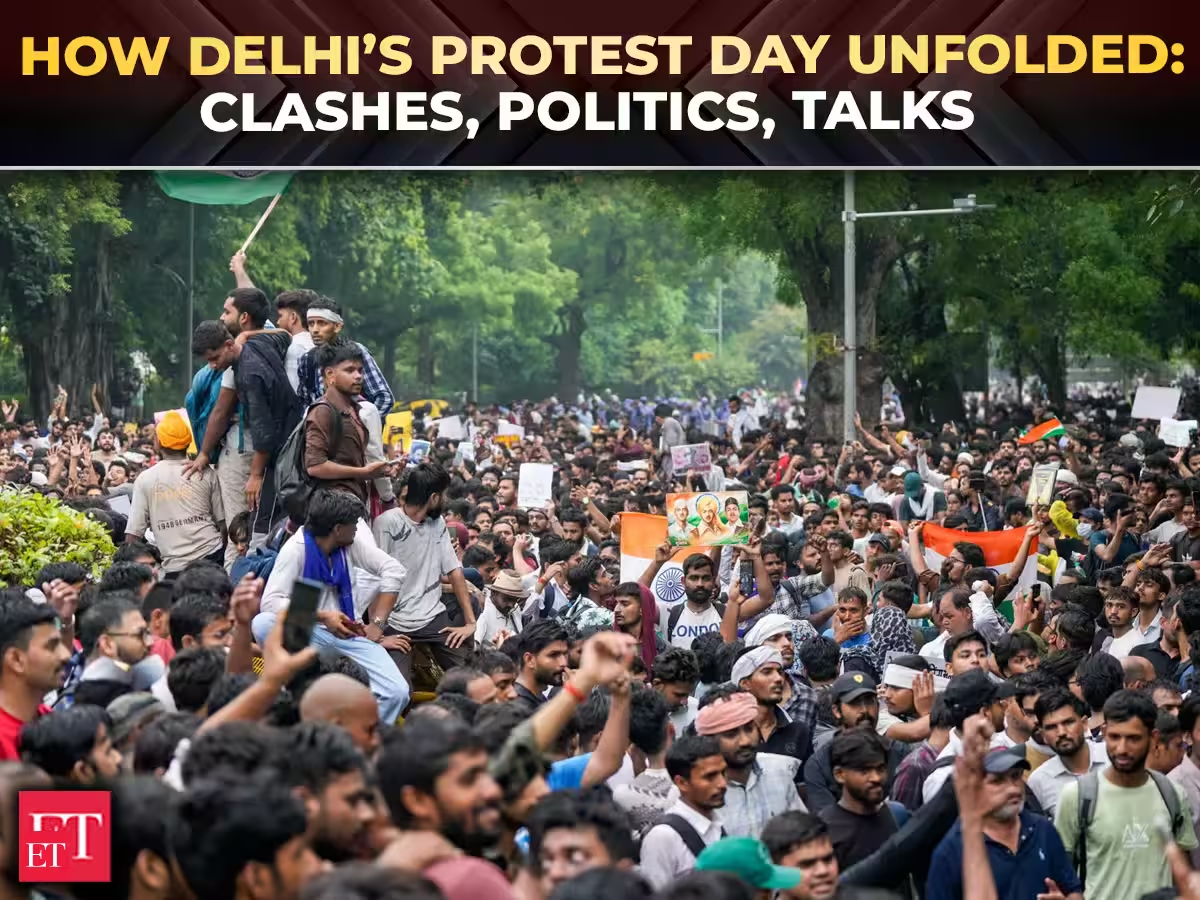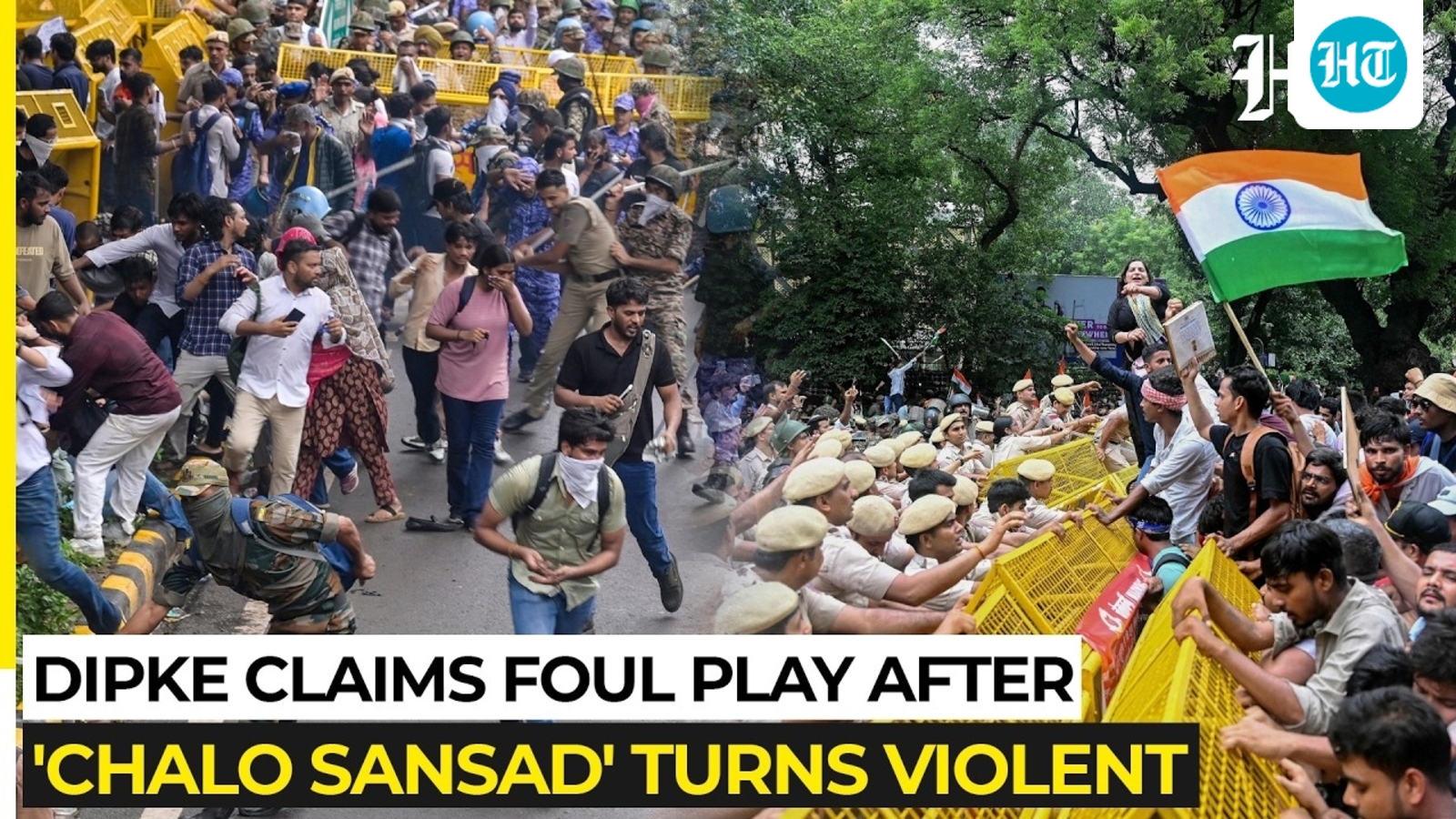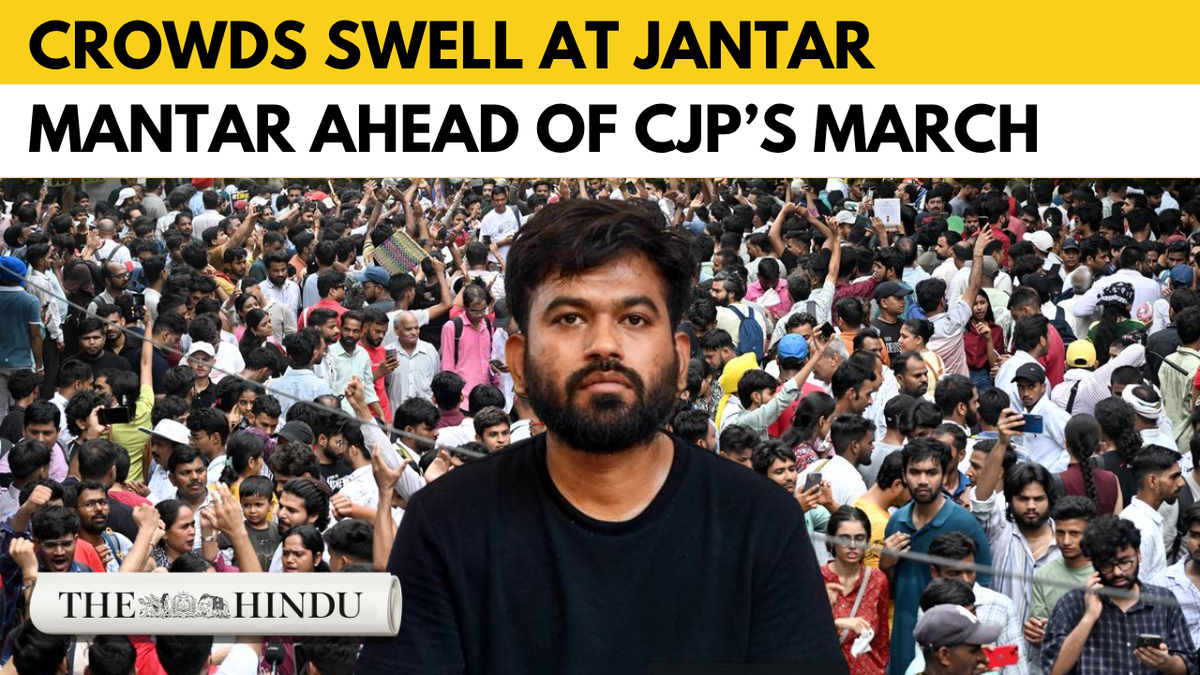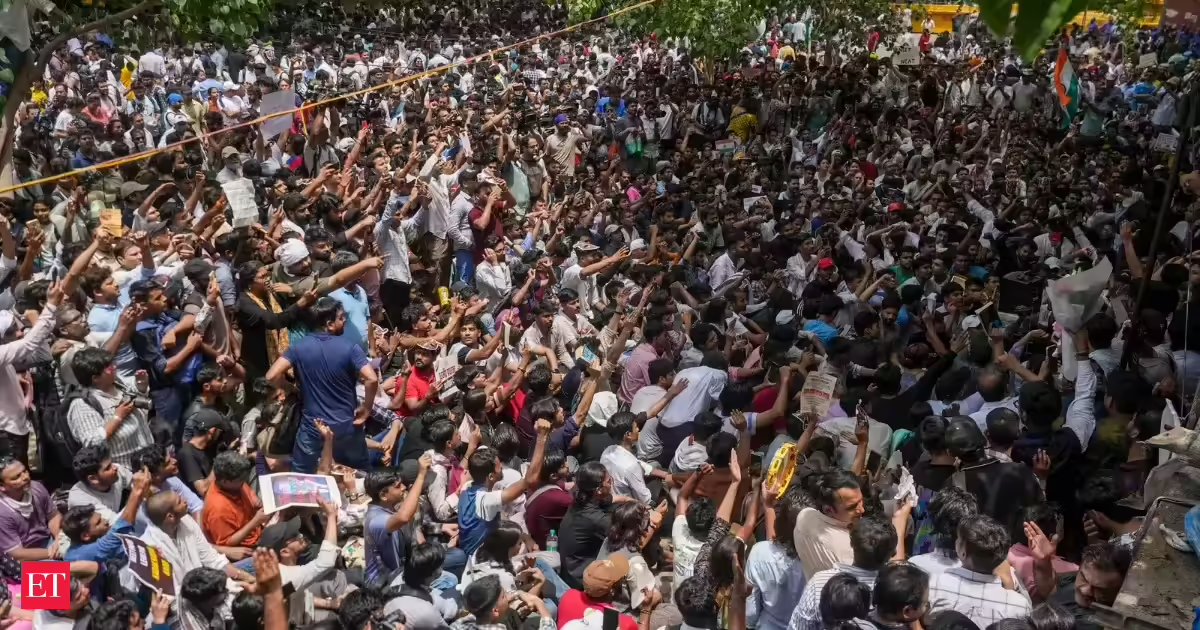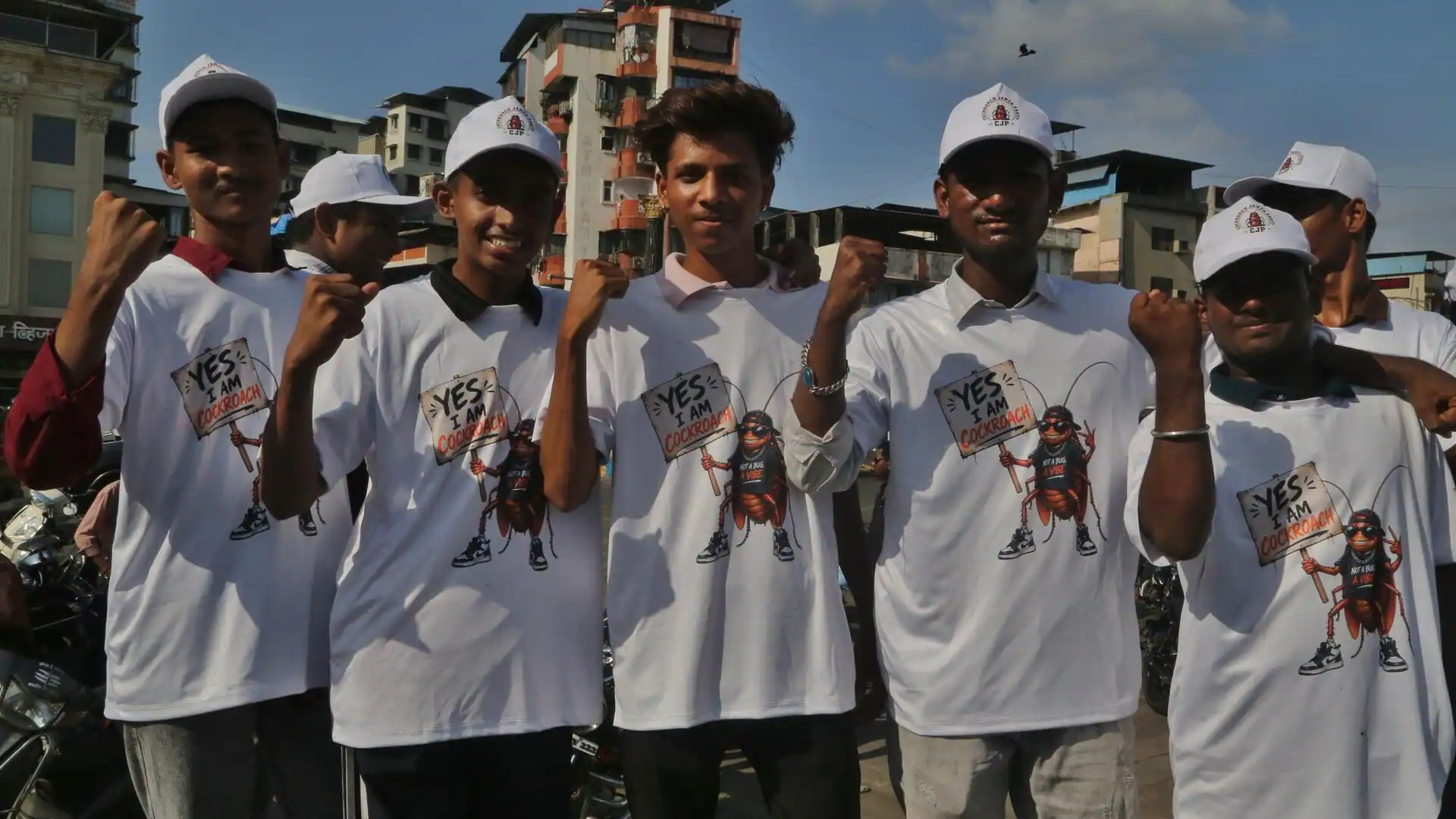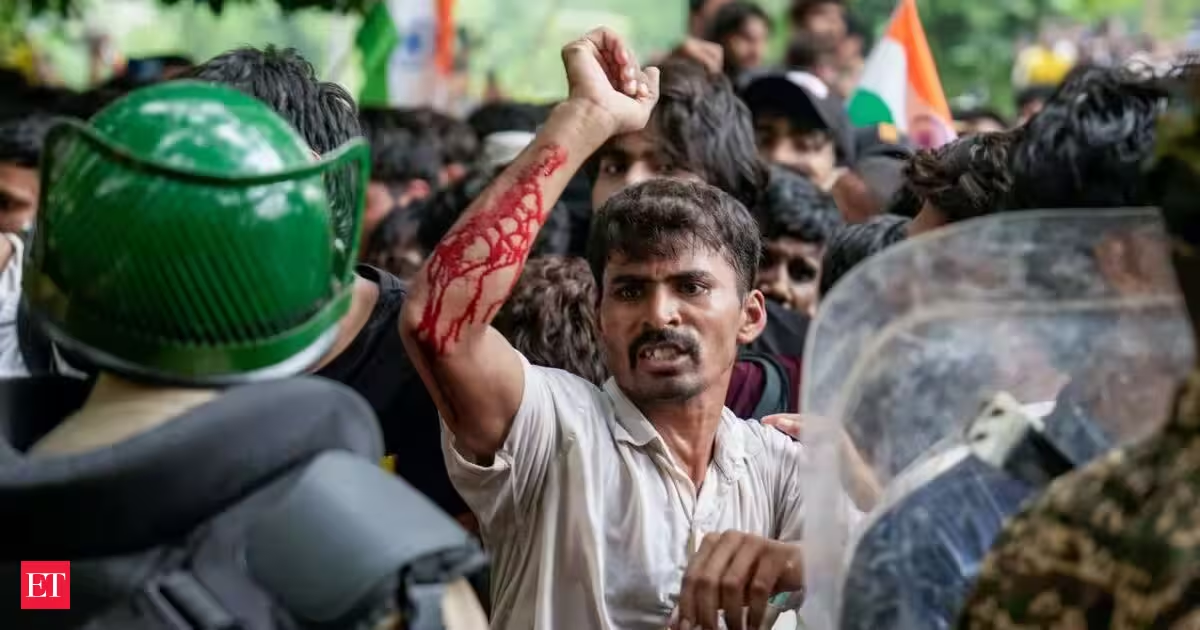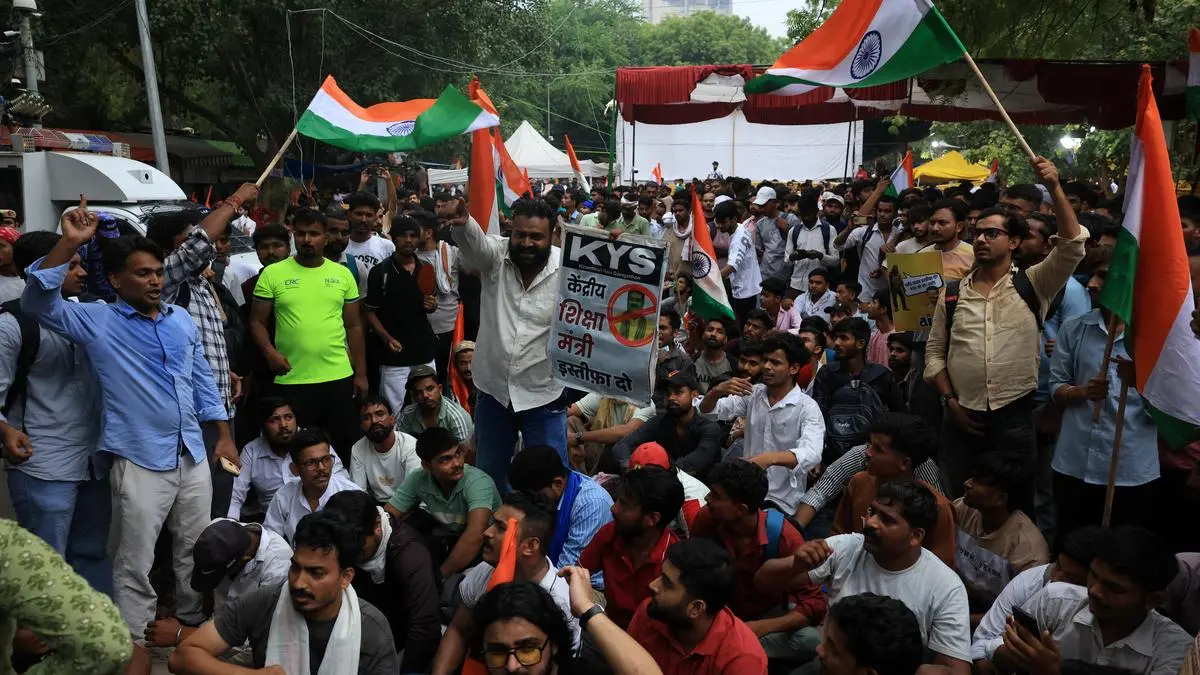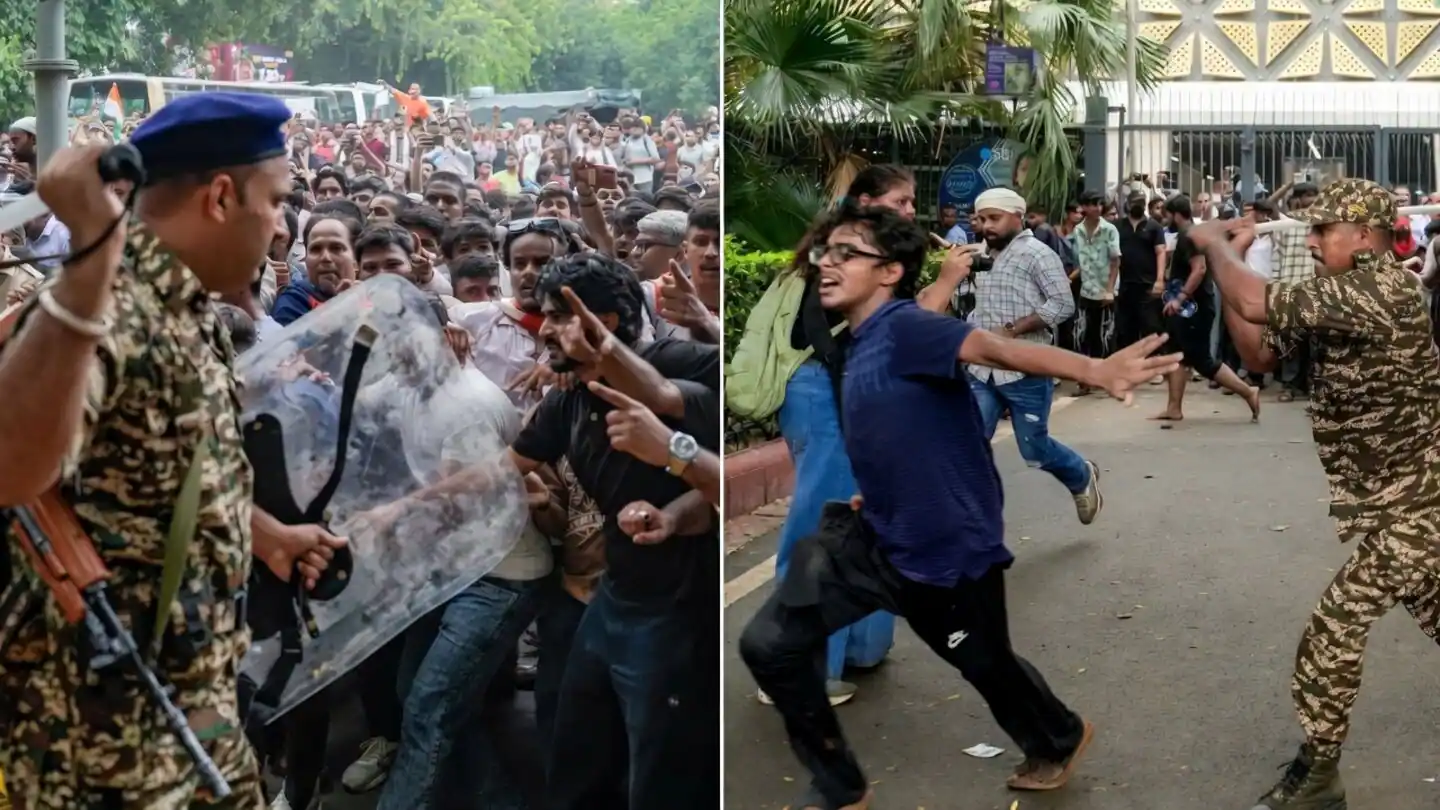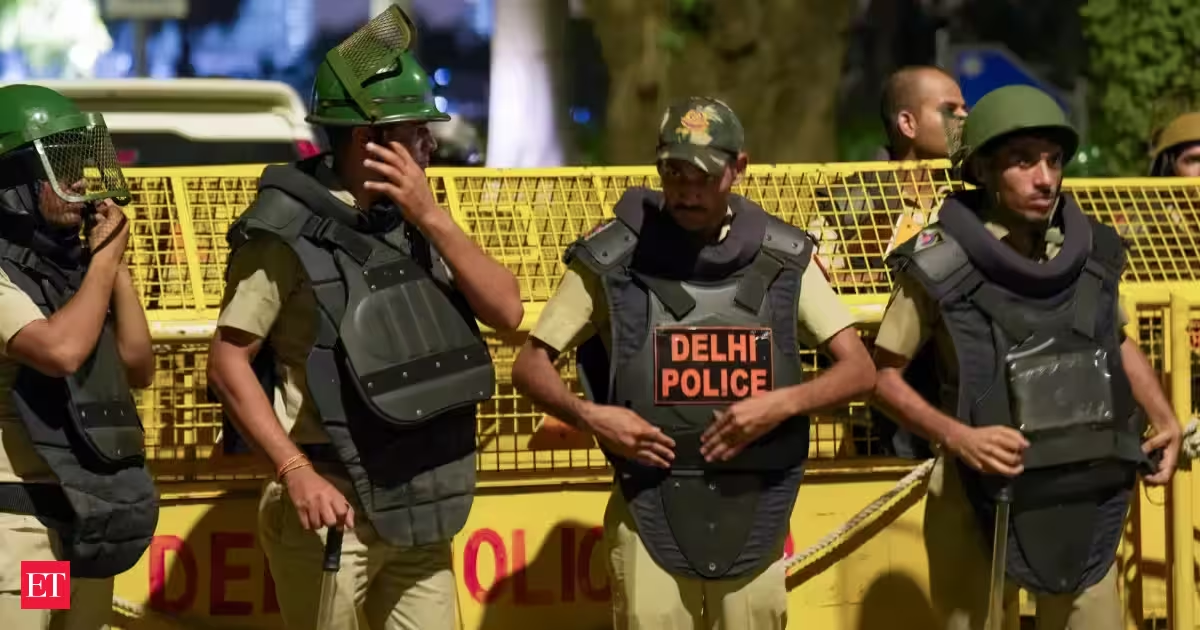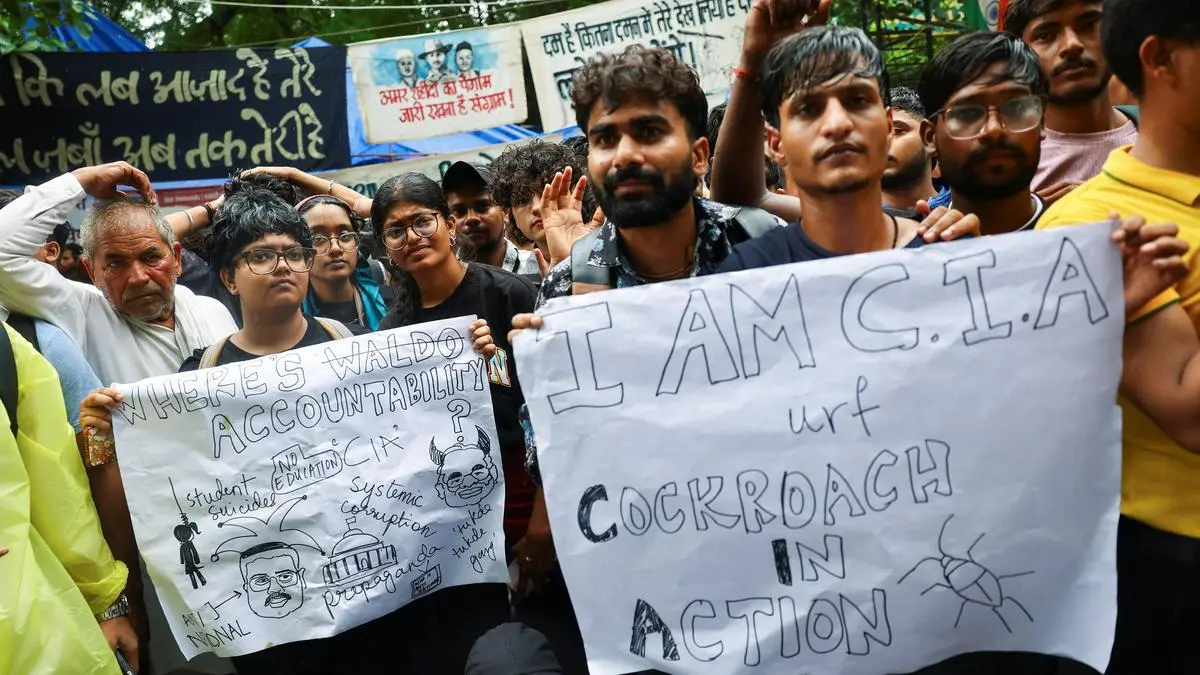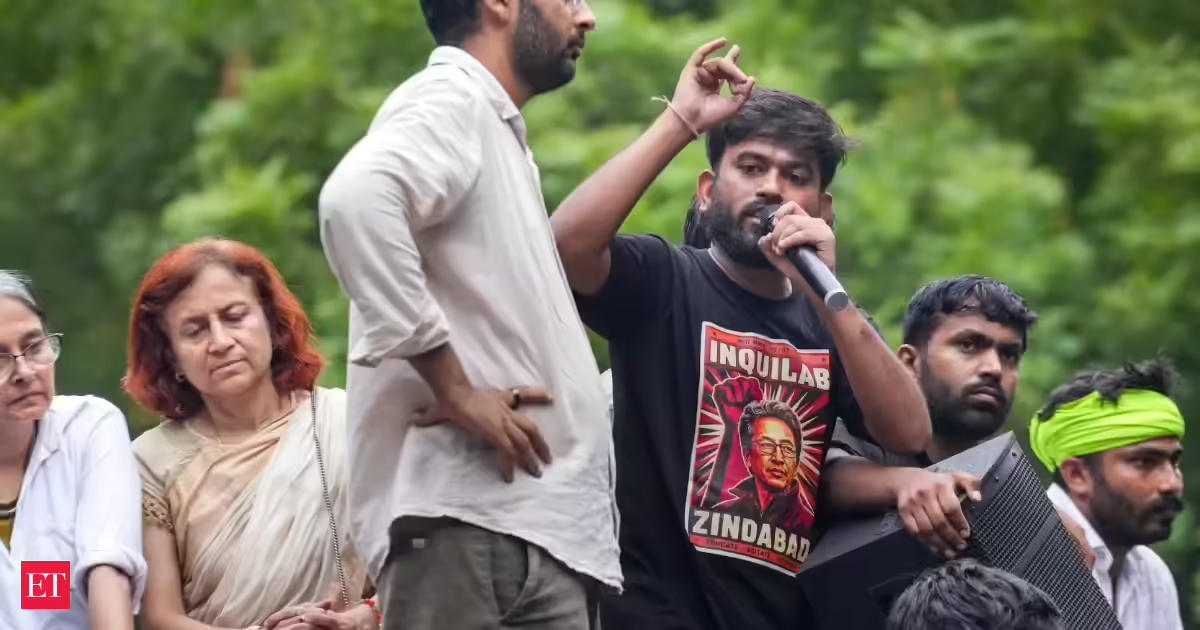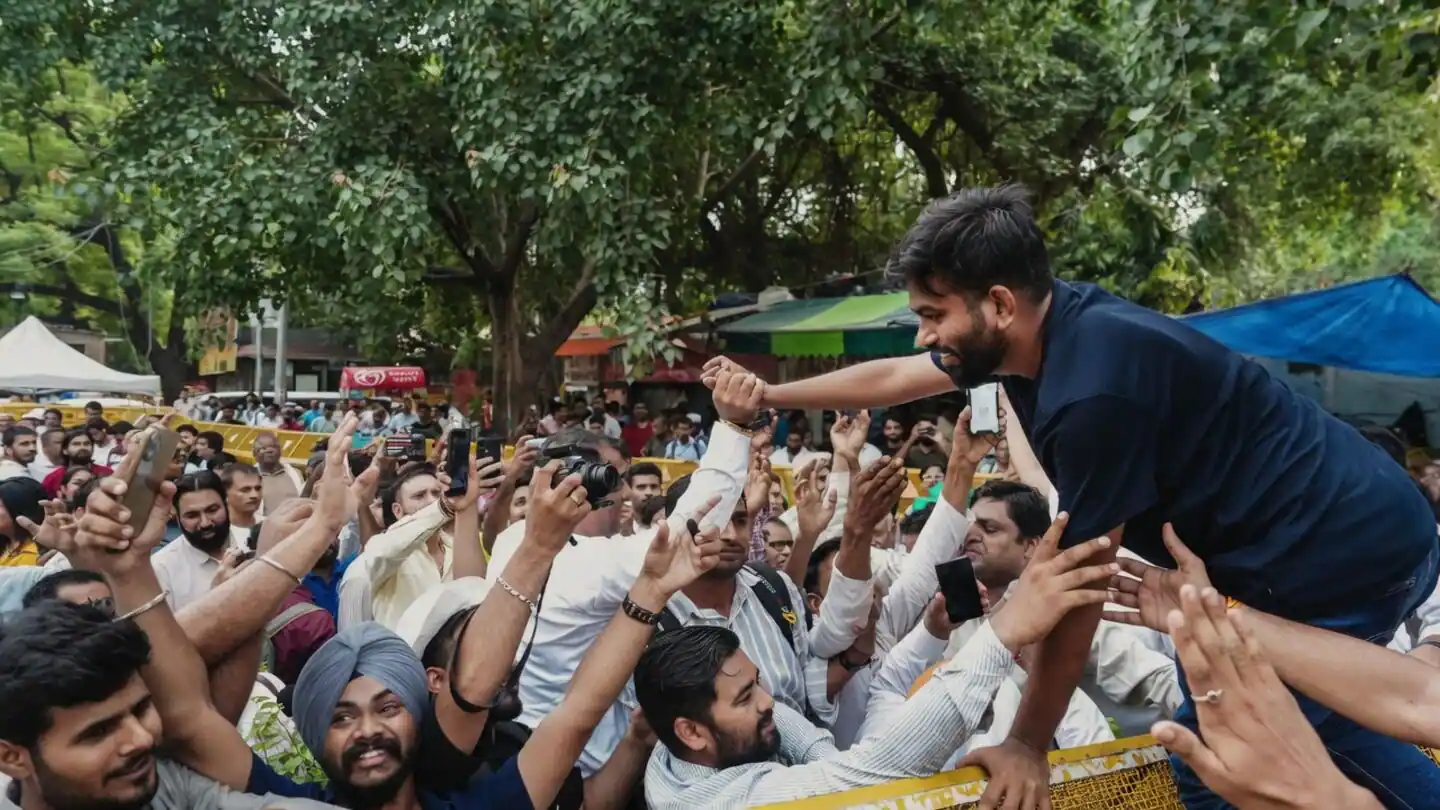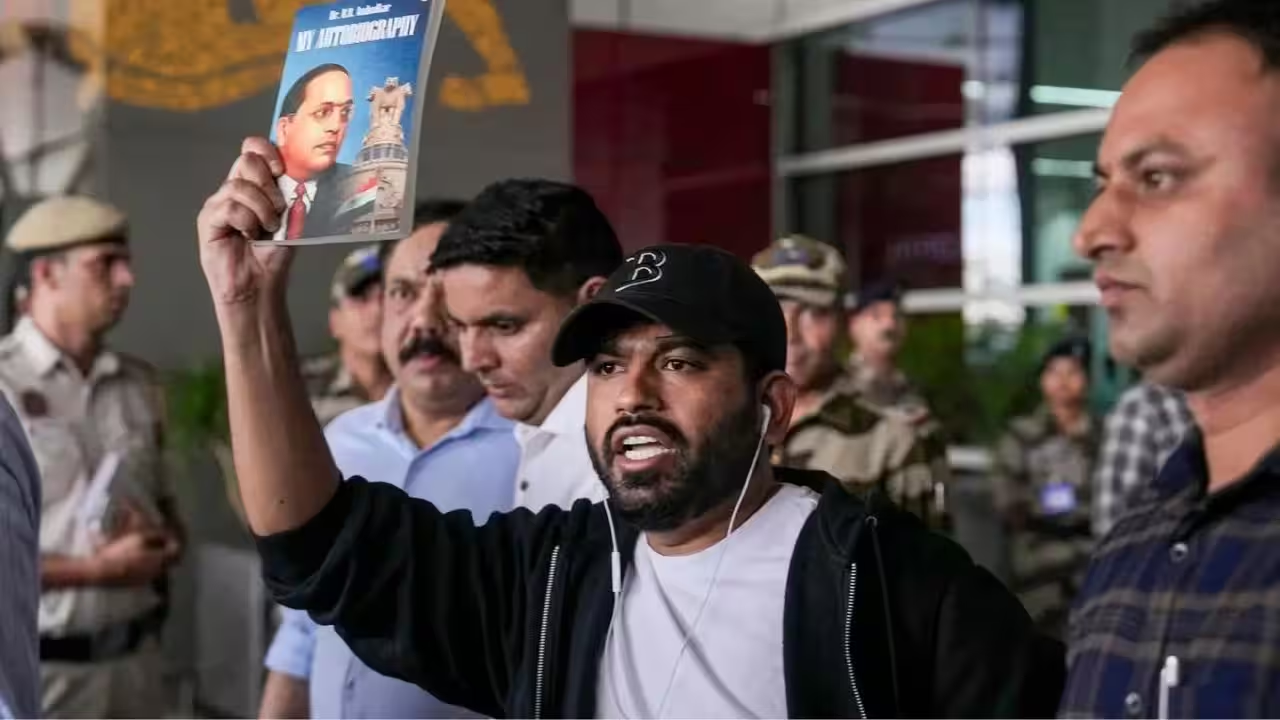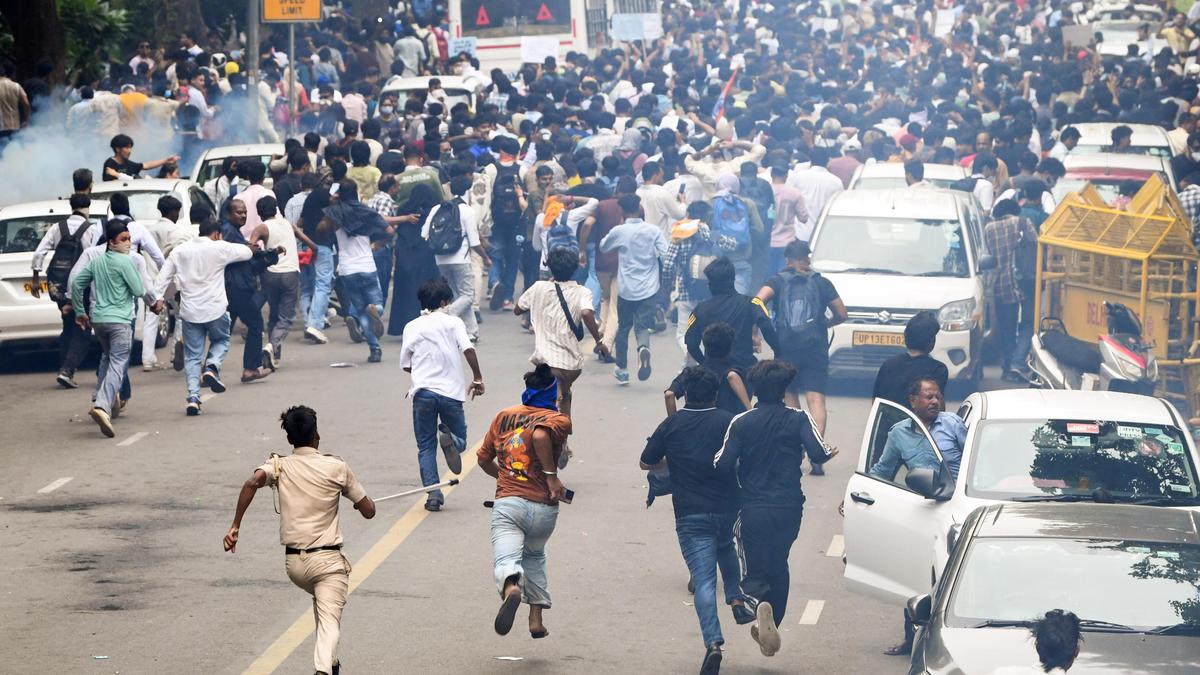
People from across the country gathered at Jantar Mantar in central Delhi on July 20 for the Cockroach Janta Party’s (CJP) “Chalo Sansad” march, carrying placards demanding reforms in the National Testing Agency (NTA) and the resignation of Union Education Minister Dharmendra Pradhan. Within hours, the demonstration descended into clashes. Police used tear gas and lathi charges to disperse protesters attempting to march towards Parliament. Tear gas enveloped parts of the protest route as demonstrators ran to escape the crackdown. Several nearby Metro stations were temporarily closed, and many demonstrators reported losing mobile connectivity during the march, making communication and coordination difficult.The incident has once again brought an old question into focus: how should a democracy police public protest?The right to protest is fundamental, but not unlimitedThe Constitution guarantees citizens the right to assemble peacefully under Article 19(1)(b). But that right is subject to “reasonable restrictions” under Article 19(3) in the interests of public order, the sovereignty and integrity of India, and other constitutionally recognised grounds. In practice, these restrictions are implemented through laws governing public order and policing.The legal authority to regulate protests, however, comes from a range of statutes. The Bharatiya Nagarik Suraksha Sanhita (BNSS), 2023 empowers Executive Magistrates and the police to issue orders in urgent situations to prevent disturbances and to disperse unlawful assemblies. State police laws and local laws, such as the Delhi Police Act, 1978, further authorise the police to regulate public meetings and processions by prescribing routes, timings and conditions. The question, therefore, is not whether the police may intervene, but how and within what limits those powers are exercised.Was the CJP march unlawful?Whether a protest is “unlawful” is a legal question that depends on the facts and circumstances of each case. Under the Bharatiya Nyaya Sanhita (BNS), an assembly of five or more persons becomes an unlawful assembly only if its common object falls within specific categories, such as using criminal force, resisting the execution of law, committing an offence, or compelling another person by force or threat. A gathering that begins lawfully may also become unlawful if its conduct changes over the course of the event.Ahead of the march, Delhi Police said the CJP had not sought permission for a procession to Parliament. It also pointed to prohibitory orders issued under Section 163 of the BNSS, which barred protests, marches and demonstrations in the New Delhi district, except at the designated Jantar Mantar protest site with prior permission. As demonstrators attempted to march towards Parliament, officers stopped the procession and eventually used tear gas and lathi charges to disperse the crowd. The authorities response has since come under judicial scrutiny, with the Delhi High Court seeking responses from the Centre and the Delhi Police on petitions alleging police brutality and excessive use of force.Because an equally important question is whether the police response complied with the legal and human rights standards governing the use of force.What standards govern police action?The National Human Rights Commission’s Manual on Human Rights for Police Officers emphasises that effective policing and respect for human rights are complementary rather than conflicting objectives.It states that “A democratic country like India needs democratic policing, which is based on the idea of the police as protectors of the rights of citizens and the rule of law, while ensuring the safety and security of all equally.” The manual also notes that human rights violations by police can have “a multi-dimensional impact” by eroding public confidence, bringing institutions into disrepute and “even escalating civil unrest at times.” The principles are consistent with the UN Basic Principles on the Use of Force and Firearms, which require force to be lawful, necessary and proportionate.When can police use force? Under the BNSS, an Executive Magistrate or an authorised police officer may order an unlawful assembly, or an assembly likely to disturb public peace, to disperse. If the assembly does not comply, the law permits it to be dispersed by force.But neither the law nor police manuals give officers an unrestricted licence to use force. The Code of Conduct for the Police in India, states that police should, as far as practicable, “use the methods of persuasion, advice and warning. When the application of force becomes inevitable, only the irreducible minimum force required in the circumstances should be used.”Beyond the use of force itself, the protests also raised questions about police accountability after videos appeared to show some police personnel without visible name tags or with their faces covered. While the BNSS requires every police officer making an arrest to bear an accurate, visible and clear identification of his or her name, it contains no corresponding requirement for police personnel engaged in crowd-control or the dispersal of assemblies. This statutory requirement builds on the safeguard first laid down by the Supreme Court in D.K. Basu v. State of West Bengal (1997), which directed that police personnel carrying out arrests bear clear, accurate and visible identification and name tags. How has the Supreme Court viewed protests?The CJP protest also brought the judiciary into focus. A day after the clashes, a lawyer urged the Supreme Court to take suo motu cognisance of the alleged police excesses, citing videos circulating online. Chief Justice of India Surya Kant orally declined the request, saying, “We are not interested in videos. We don’t have time to watch them,” adding, “Don’t waste our [Court’s] time, and don’t waste your time.”Over the years, however, the Supreme Court has repeatedly laid down principles governing both the right to protest and the limits of police action.In Himat Lal K. Shah v. Commissioner of Police (1973), it was held that while the State may regulate assemblies on public streets, it cannot impose arbitrary restrictions that effectively extinguish the right to protest. In Re: Ramlila Maidan Incident (2012), arising from the midnight police crackdown on sleeping protesters led by Baba Ramdev in Delhi, the Court held that citizens have a constitutional right to peaceful protest. It found the police action unjustified on the facts of the case and observed that any use of force must be exercised with restraint and only to the extent necessary.In Anita Thakur v. State of Jammu & Kashmir (2016), which concerned a police lathi charge on protesters demanding employment under a rehabilitation policy, the Court held that the use of excessive force violates fundamental rights and awarded compensation to the injured protesters, emphasising that police action must remain reasonable and accountable.More recently, in Mazdoor Kisan Shakti Sangathan v. Union of India (2018), the Court reiterated that while authorities may regulate demonstrations to maintain public order, they cannot extinguish the right to protest altogether. In Amit Sahni v. Commissioner of Police (2020), arising from the Shaheen Bagh protests, it affirmed that dissent is a constitutional right but cannot result in the indefinite occupation of public spaces.
The right to protest and the limits of police power | Explained
Explore the balance between the right to protest and police authority, including legal limits and recent incidents in India.
1,132 words~5 min read