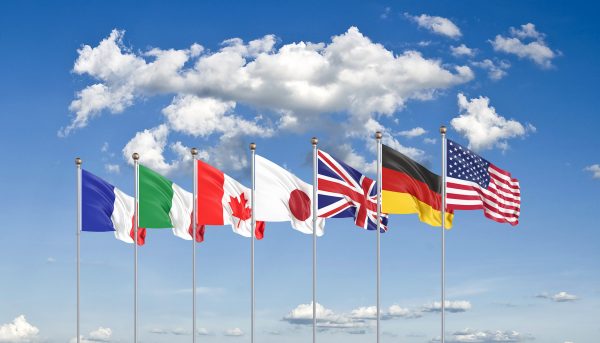
The G7 has changed almost everything – except its membership. Created in the 1970s to coordinate among the largest industrial democracies, its agenda has become impressively expansive. Canada’s G7 presidency in 2025 produced initiatives on critical minerals and artificial intelligence. France’s 2026 presidency has placed economic security, supply chain resilience, global imbalances, development partnerships, and new technology risks at the center of the group’s work.
The G7’s agenda has moved into the 21st century. Its composition still reflects the late 20th.
The G7 has tried to compensate through guest invitations and issue-specific outreach. That flexibility is valuable, but it does not provide continuity, agenda-setting authority, or responsibility for implementation. A country invited to one summit may disappear from next year’s. Guest invitations can widen participation, but this cannot correct a persistent membership mismatch.
And two of the countries best positioned to contribute to the G7’s expanded agenda, South Korea and Australia, remain outside the group’s permanent membership.
South Korea is the world’s 13th-largest economy and a pivotal producer in semiconductors, batteries, shipbuilding, nuclear energy, digital infrastructure, and defense manufacturing. When the G7 discusses chip supply, maritime industrial capacity, advanced manufacturing, or North Korea, South Korea’s participation is indispensable.