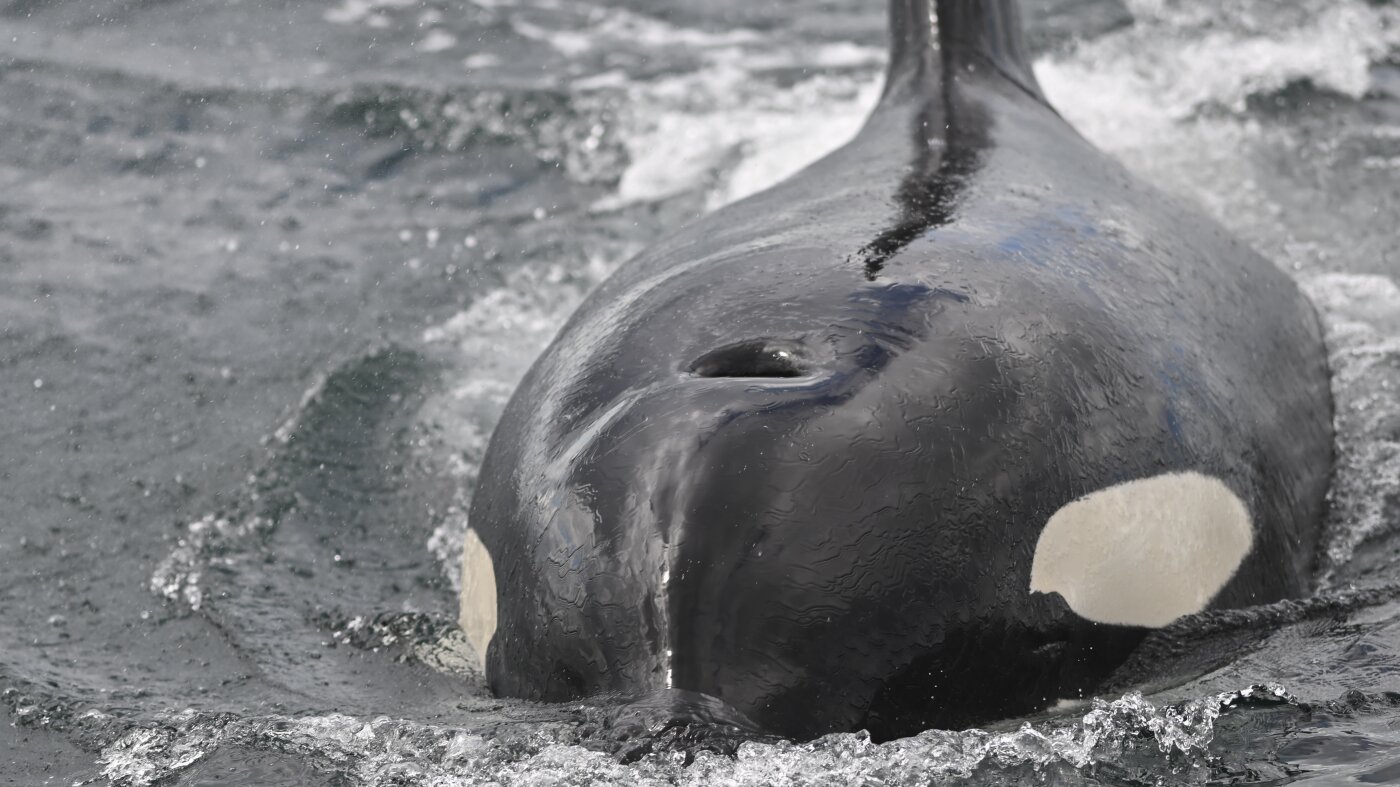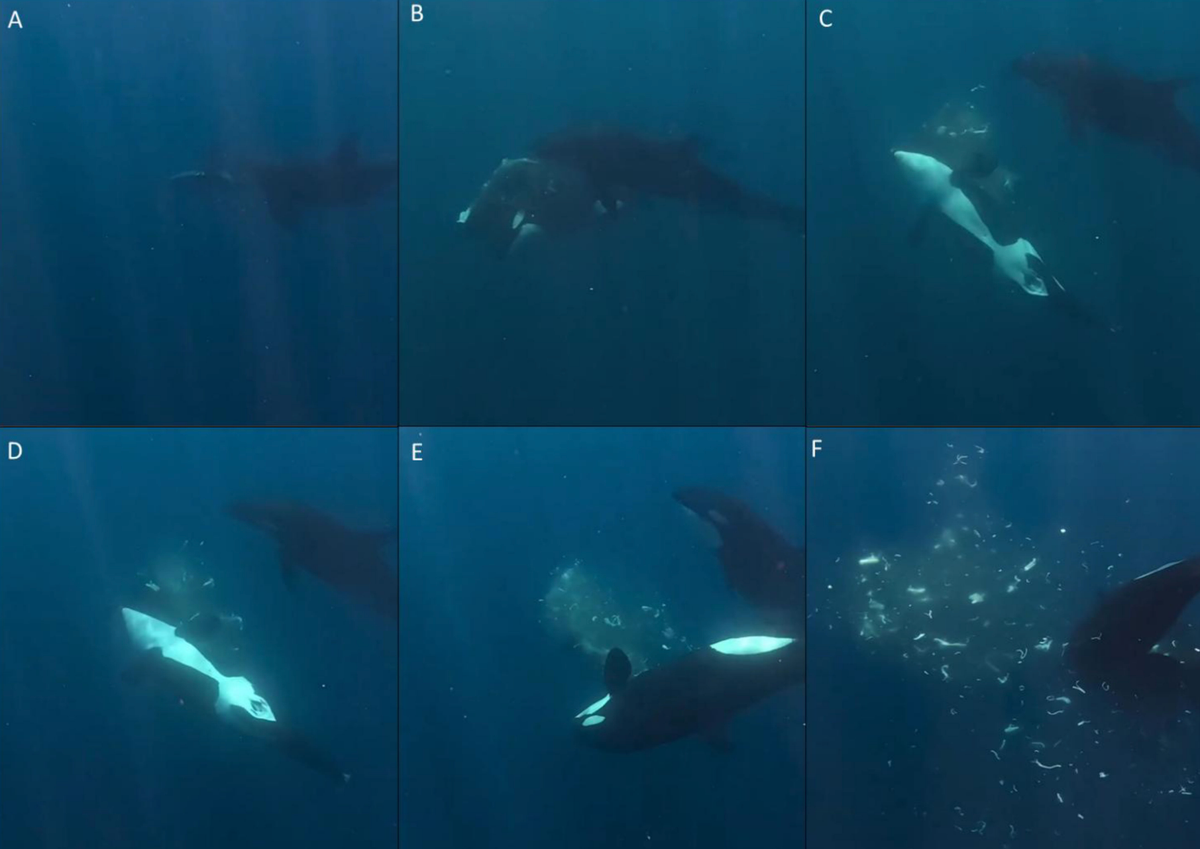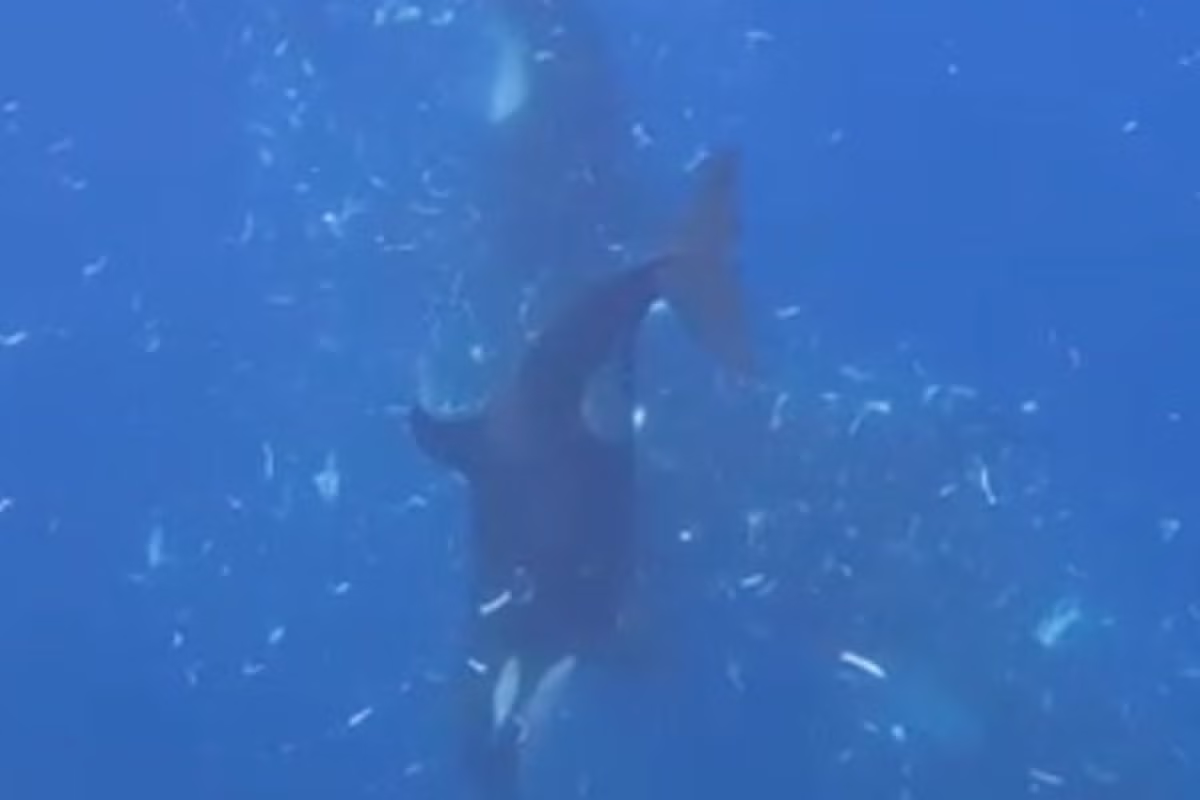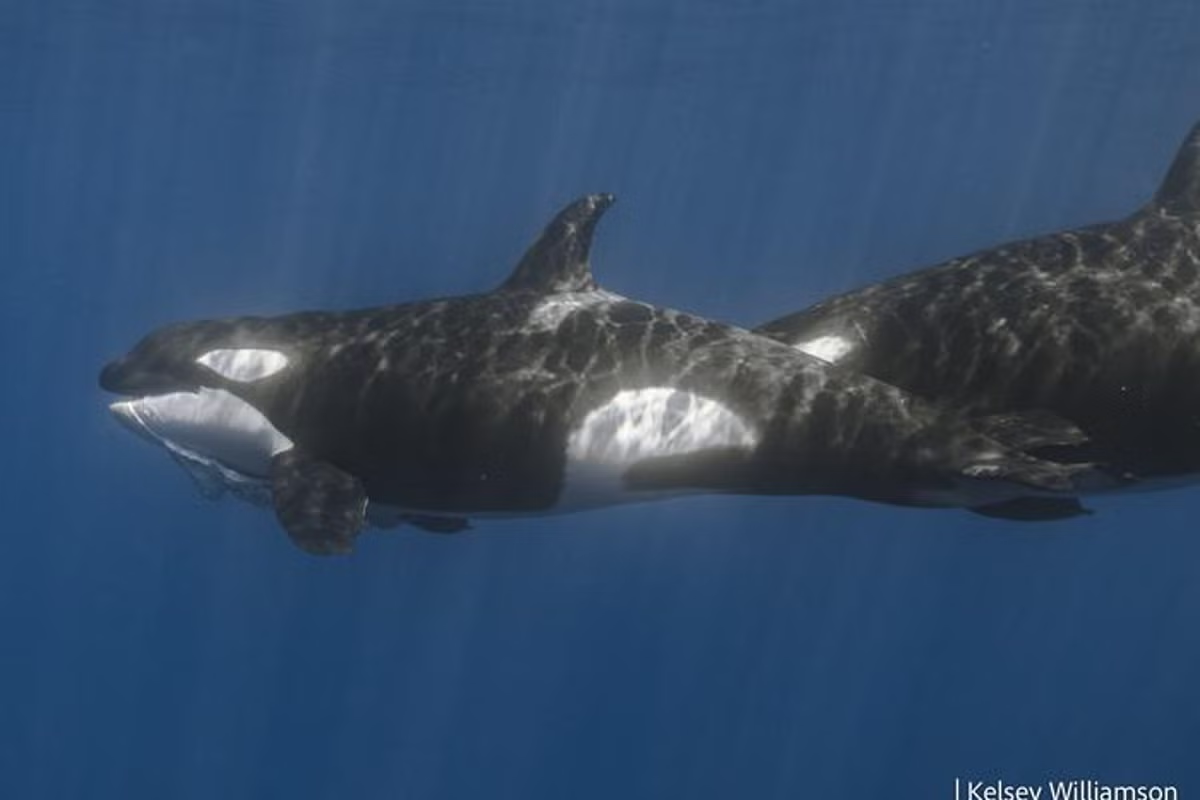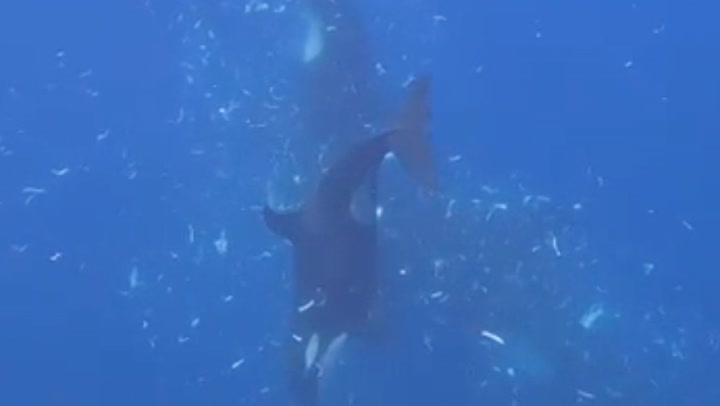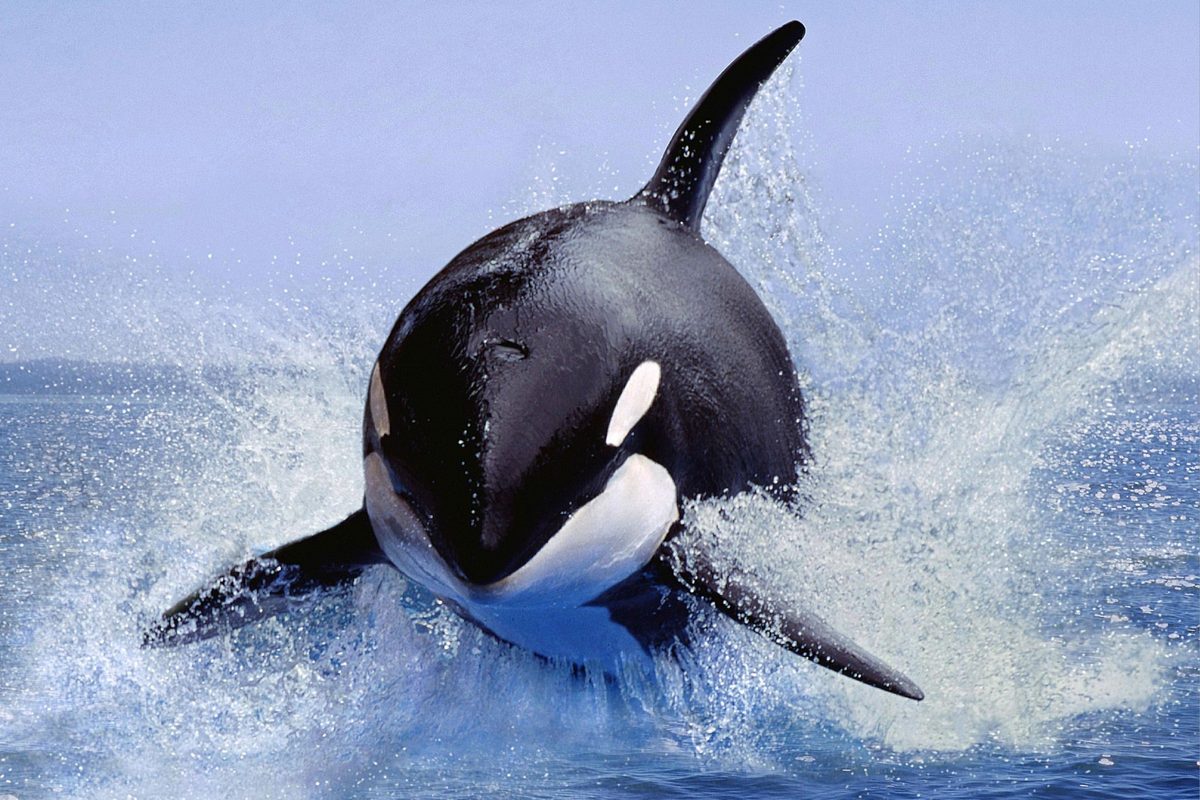
July 24, 2026 — 11:42amFootage has captured an orca ramming a sunfish with such velocity that the fish explodes into a cloud of viscera, documenting a new behaviour that reveals insights into the ruthless intelligence of an oceanic apex predator.In video captured off the Gulf of California, a female orca holds a sharp-tail sunfish steady by its tail fin while a male orca torpedoes forward.The female releases the sunfish with perfect timing and the male smashes into its target with an audible splat, while scientist Dr Kathryn Ayres yells “Oh my god!” underwater. Within a millisecond, where once there was an animal remains only a mist of minced flesh, like it’s been blitzed in a blender.This is possibly an orca’s version of making baby food, Ayres wrote in a resulting research paper in Frontiers in Ethology.“We think this may help younger orcas feed more easily or it could also just be for fun. Orcas are known for playing with their food,” Ayres, a researcher with non-profit ocean health organisation Beneath The Waves, said.Adults didn’t eat the remaining fragments but a juvenile swam in to hoover up some of the sunfish smoothie, adding credence to the idea that the technique could be a form of parental investment in their young. Orcas are known to shred prey and share it with calves.The researchers dubbed the behaviour the “ram-to-fragment” technique. A similar instance of orcas holding and ramming prey was observed by another researcher last year.“The targeted sharp-tail sunfish in these events were already deceased with viscera removed at the time of ramming, suggesting that this behaviour is a processing technique to fragment tissue rather than to deliver a killing blow,” the researchers wrote.Fish expert at the Australian Museum, Dr Kerryn Parkinson, described the footage as “very impressive and disturbing” but said she wasn’t surprised because orcas are the masters of inventing hunting and feeding techniques.Although sunfish have been cast by memes as the “world’s dumbest fish”, the species – which grow up to three metres long and can weigh two tonnes – use their huge dorsal and anal fins to manoeuvre quickly when they want to, Parkinson said.Dr Kerryn Parkinson (left) with a sunfish specimen at the Australian Museum.James AlcockBut perhaps not fast enough for a gang of streamlined, cunning hunters. “The sunfish, if they’re targeted, probably don’t really stand a chance,” Parkinson said.The cloud would have been made from skin, fat, muscle and exploding internal organs.Sunfish don’t have traditional fish scales but have rough skin similar to sharks, made from modified scales called denticles. Parkinson has witnessed a sunfish autopsy and said the fish are extremely tough and dense. “It took a lot of elbow grease to get muscle tissue,” she recalls.This tough skin and density may be the reason orcas decided to detonate the sunfish to make it easier to devour.Sunfish also have a gelatinous layer of collagen called the “capsule”, which is filled with microbial life, the authors of the new research wrote. Releasing this microbiome into the water column may confer nutritional and other health benefits to the orcas, they speculated.Whale scientist Dr Vanessa Pirotta wrote in The Conversation that the behaviour was like someone “whacking a pinata” to release tasty treats.She pointed out orcas are highly intelligent and social, and different pods across the world have refined their hunting strategies to target different prey, including humpback whales, sea lions, white sharks and chinook salmon. Others have started attacking boats, another example of inventive and destructive fun.“We are still seeing new techniques of how orcas hunt and process their prey,” Ayres said. “They’re one of the most iconic marine predators in the world, yet they continue to surprise us.” The Examine newsletter explains and analyses science with a rigorous focus on the evidence. Sign up to get it each week.Angus Dalton is the science reporter for The Sydney Morning Herald.Connect via X or email.From our partners
‘Oh my god!’ Why an orca rammed a sunfish so hard it exploded
The newly documented behaviour has been observed at least twice, with an expert describing it as “impressive and disturbing”.
648 words~3 min read