SQLite + Vector Search: The Dependency-Free AI Memory Stack
Why are AI engineers moving from bloated vector databases to sqlite-vec? Discover how combining SQLite's legendary reliability with a zero-dependency vector extension creates the ultimate local memory for autonomous agents, with head-to-head performance benchmarks against cloud solutions.
The Agent Memory Paradox: Why Your Stack is Weaker Than You Think
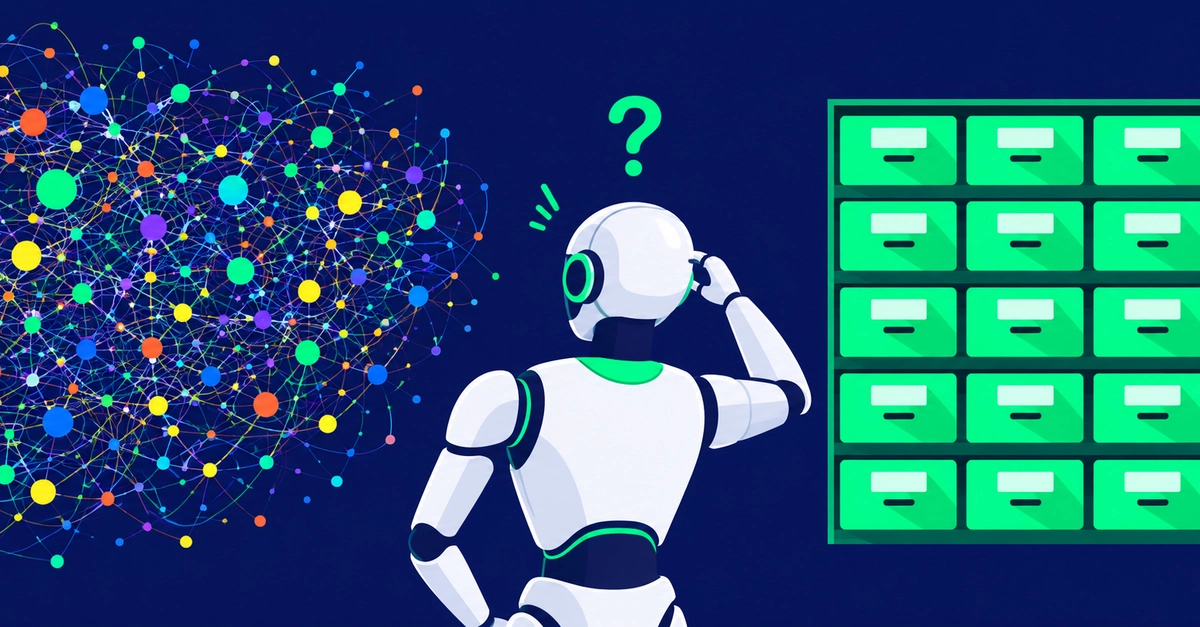
The modern autonomous agent is a memory-intensive application. It needs to recall past conversations, retrieve relevant document snippets, and maintain context across sessions. The conventional solution? Deploy a dedicated vector database like Pinecone, Weaviate, or ChromaDB. But this introduces a critical flaw: dependency and complexity. Your agent, which could be a lightweight Python script, now requires a network connection to a separate service, configuration management, and an understanding of multiple API schemas.
This creates a fragile stack. What happens when the network blips? Or when you need to package your agent for offline use or distribute it? The vector database becomes a point of failure and friction. The real need is for vector search that is embedded directly within your application's primary data store, eliminating external dependencies. This is the philosophy behind sqlite-vec, an extension that brings high-performance vector operations directly into SQLite, creating a single, portable, and dependency-free data file.