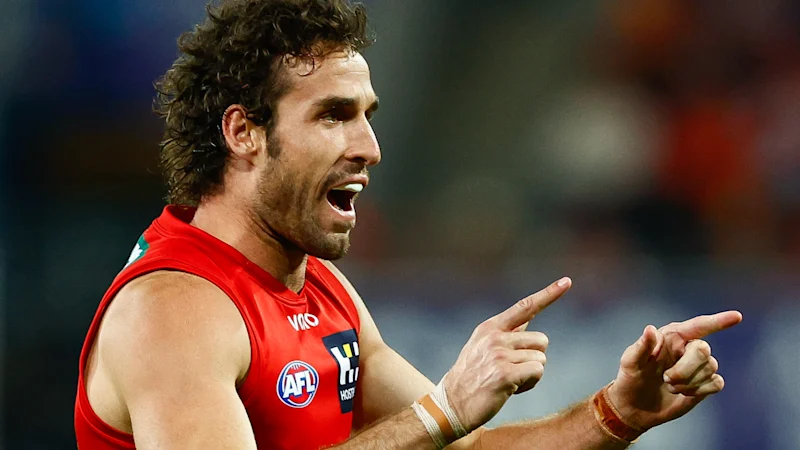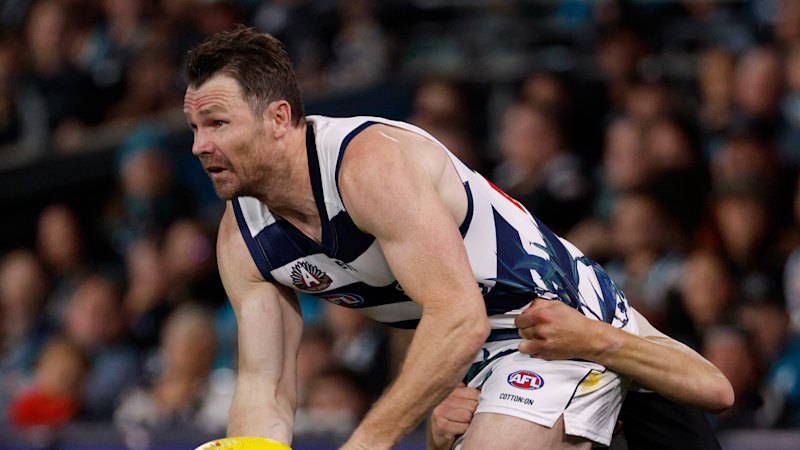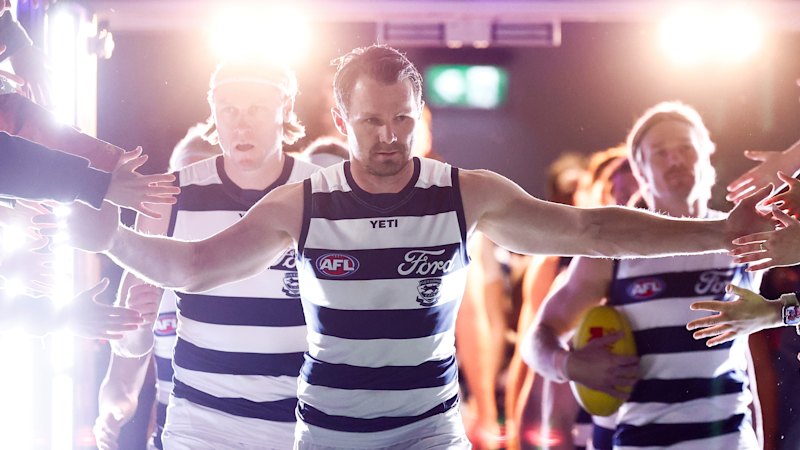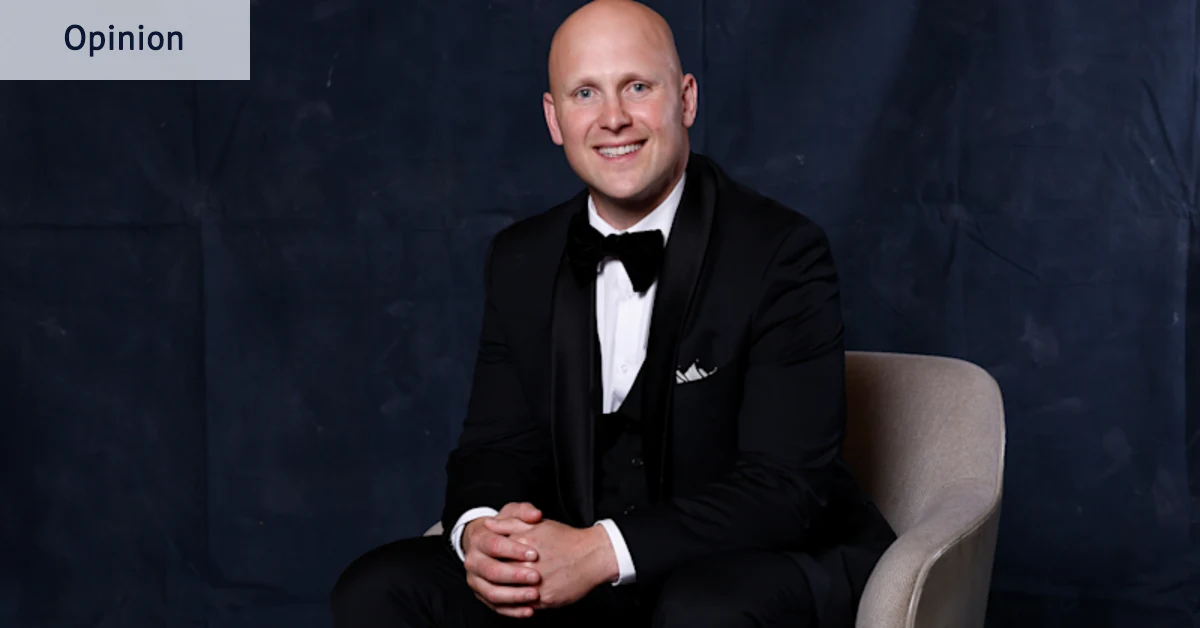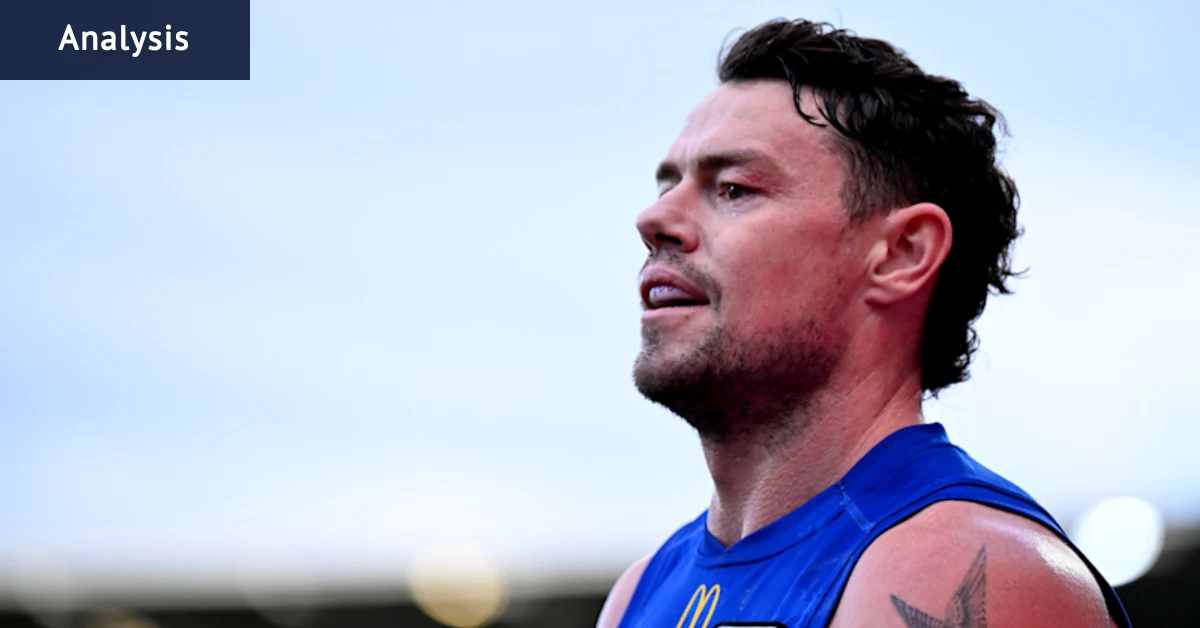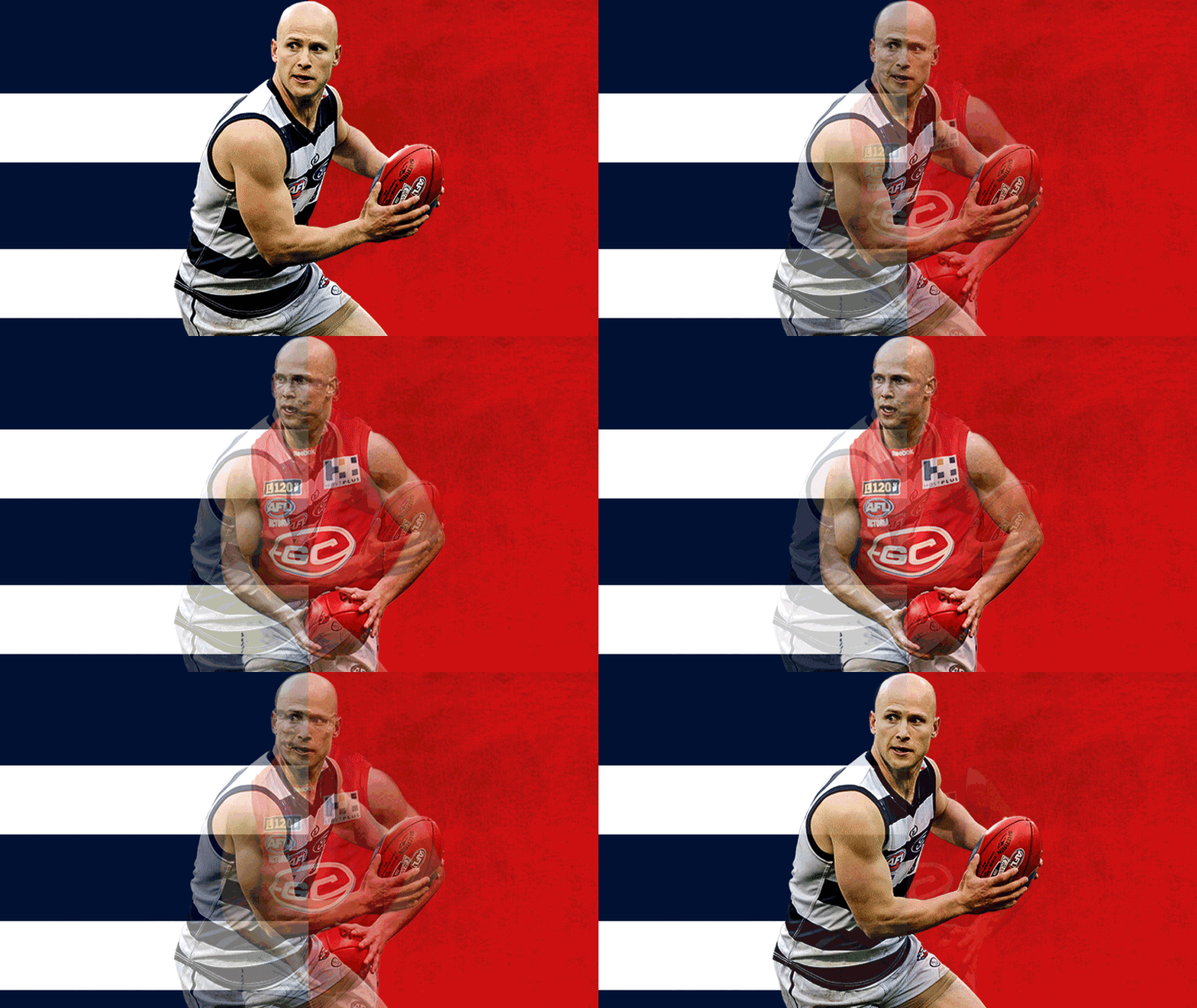
I was sitting opposite player agent Liam Pickering in his St Kilda Road office. ‘I want Gary Ablett,’ I said. Pickering was amazed at the cheek of my suggestion: “A million-to-one,” he said. I wasn’t deterred. I explained, without being able to provide any names, what type of list was being built on the Gold Coast. At the very least I wanted Pickering to put the question to Ablett: would he consider moving to the Suns?He did just that and I was excited to receive a text from Pickering that Ablett was up for a chat. I showed my phone to coach Guy McKenna as he opened the door to the apartment in Canberra that we were staying at during the 2009 AFL Combine, and said to him: “Here’s an interesting text.” He fell on the couch face down like an excited child. We both knew it was big.Pickering wanted to hear more before he would be putting any proposal to Ablett, so Travis Auld, who was aware of my approach from the start, and I met with him. He was then keen to know which other uncontracted players we had lined up. We could not tell him specifically because the truth was, we had no one close to Ablett’s status.Ablett was willing to talk to us, but he also needed to know more. He was deep in the 2009 season as the Cats won a famous redemption premiership, defeating the Saints in a classic grand final. Not only was his brilliance instrumental in the Cats’ flag, he also won his first Brownlow Medal by eight votes and was the joint winner of Geelong’s Best and Fairest alongside Corey Enright. It meant any information that Pickering could gather before putting a possible deal to Ablett was critical.Ablett celebrates the 2009 flag. Wayne TaylorAt the start a million dollars per year was on the table but when the figure reached $1.5 million per year, including marketing money from the AFL, there was enough of a jump in pay for Pickering to take it forward. Pickering also met with AFL officials where a whole range of marketing scenarios were couched as hypotheticals without them strictly entering into the recruiting process.Pickering told Ablett that the Suns had the capacity to make such a deal happen. He knew Ablett was fiercely loyal but Geelong’s reluctance to reconsider his contract made it possible he would turn his head towards another opportunity. Particularly if the opportunity included life-changing money, as it did. Faced with such an attractive financial deal, Ablett did not dismiss the prospect, and I organised for him and Pickering to fly north in the first weekend of December 2009 to meet with me, Auld, Marcus Ashcroft and McKenna.Auld was seen as a rising star in AFL circles, his personality suiting the game’s machinations. Articulate and earthy, he had played in a country premiership with Nagambie in Victoria’s northeast. Able to sell a commercial plan, he could schmooze clients and the big end of town with common sense and optimism. But he could also hold firm and strategise. He had won my respect with his willingness to ask the right questions, and to listen.We met at Auld’s 15th-floor apartment in Broadbeach just across the road from the Mantra Hotel. Pickering had been assured nobody would know of the meeting and was told to walk through the foyer and catch the lift. None of us knew, however, that Port Adelaide were starting a training camp at the Gold Coast and there they were, checking in to Auld’s building at the same time.Travis Auld, who was Gold Coast CEO at the time. Eddie JimAs he walked through the foyer, Ablett bumped into Jason Davenport, one of his best mates from Geelong, who was then on Port’s list. He may as well have carried a neon sign saying: “I’m here to meet with Gold Coast officials.” We all knew as soon as we heard of the encounter, that any hopes of a secret meeting would be dashed. Ablett, however, was oblivious to the fuss the rendezvous would inevitably cause, incapable of telling white lies when he greeted his friend.We had brought all our key decision-makers to the meeting, led by Auld, with me, McKenna, Ashcroft and Ken Hinkley, who had just joined us as McKenna’s assistant. We knew Hinkley had had a strong relationship with Ablett during his time as an assistant coach at Geelong. The AFL was aware of everything that was happening but was staying at arm’s length as they knew Geelong and other Victorian clubs would be unhappy at what was happening.Auld did not underestimate the challenge we faced. He knew how to sell commercial packages, but could he sell the vision of a new club to a dual premiership player with such deep connections with Geelong? He also knew he had nothing really to show except plans. I had already agreed to keep Ablett away from Carrara, the old Bears base, because the Suns’ training centre was then a portable building with a few light towers surrounding the oval. Visitors were more likely to trip over a snake than a Sherrin. A shabby training centre was the last thing we wanted Ablett to see, so he was shown pictures of what was to be built, including a new high-performance building that, we said, would soon be the envy of every club. We were not being duplicitous because at that stage we were sure the high-performance centre would be built quickly.Pickering was impressed at the pitch and Ablett was enthusiastic. Numbers were discussed with $1.2 million a year over five years the starting point. The club was able to offer more as a marketing allowance so that by the time the pair left, the deal was the $1.5 million a year we had already floated for five years, with $500,000 of that paid as an additional service agreement. With that on the table, an agreement looked likely. This would make Ablett, who would be 26 when the Suns made their AFL debut, the highest-paid player in the game, as he was entitled to be after his performances in the previous three seasons.The fact the secret would get out was not ideal, but I was used to living with such speculation and guessed, correctly as it turned out, that Ablett would be able to compartmentalise his focus to be the best player he could be at Geelong, while public speculation raged. I had also thought we might have some time to prepare our reaction.Ablett and Joel Selwood togetherGetty ImagesPickering had not long left the meeting when Port Adelaide’s football manager Peter Rohde, my old colleague at the Bulldogs, rang to ask how Ablett’s meeting with Gold Coast had gone as, by then, everyone in the Port Adelaide troupe knew the cat was out of the bag. Geelong officials knew within an instant too. Age journalists Jake Niall and Caroline Wilson were on the phone soon after Rohde’s call to Pickering. All we could do was decline to comment. We had been busted. There is never any point in lying or dissembling.Ablett in full flight for the Cats in 2010.Paul RovereGeelong’s reaction was measured. They did not want to criticise Ablett for meeting with another club while he was still on their list and a required player, even though such meetings were seen as taboo in those days. Alarmed but not angered, they remained confident that the familiar surrounds of Geelong, their success, and the connection he had with teammates would see him stay. They also knew they could not match Gold Coast’s offer but initially they felt as though they still held the best cards.They also underestimated the challenge Ablett was willing to accept – to be the face of a club in a new market. Although he would be relatively anonymous on the Gold Coast, he also knew he would need to push himself outside his comfort zone. Finally, after much consideration, Ablett agreed to join Gold Coast for the club’s first season, in 2011.Ablett’s agent, Liam Pickering. Josh RobenstoneAs soon as it was practical, Pickering drove to the carpark at the Werribee Park Golf Club. He and Ablett had agreed to meet halfway between Melbourne and Geelong and a rendezvous at the golf club fitted the bill. I needed Pickering to deliver the signature on a memorandum of understanding before the end of December, so we could then plan our list strategy with the biggest fish already on the boat.Drizzle fell as Pickering popped open the boot and grabbed the papers from his bag, papers which guaranteed Ablett $7.5 million over five years. He gave Ablett a pen and pointed to where Ablett should sign. It was rather an unglamorous setting for the biggest deal in the game’s history to be executed.But things were not as they might have seemed when the deal was done. No-one except Pickering, me and Auld knew that Ablett was having buyer’s regret. Behind the scenes he was emotional, telling Pickering often that he could not leave Geelong. Pickering informed us that Ablett was having second thoughts.He told us to leave Ablett alone as he would not respond positively to any pressure. But Pickering believed he would honour his agreement if he was left to his own devices.It was no surprise to us that Mark Thompson was putting public pressure on Ablett to recommit even while he performed at his best for him every week. Thompson’s attitude did not help Ablett’s state of mind. When Joel Selwood extended his deal by another five seasons, Thompson had a less than subtle dig at Ablett in a mid-season radio interview. “I love Joel Selwood and what he’s been able to do,” Thompson said. “It’s just all class and integrity. A lot of our players have stayed for the right reasons, because they love playing together and they love playing for Geelong.”Gary Ablett and Mark Thompson at the Brownlow in 2009.Vince CaligiuriPickering reassured the Suns that although Ablett was struggling to come to terms with his decision, signs that he wanted to make the move were regular enough for him to remain confident it would happen. We just had to hold our nerve while speculation about his future swirled.Midway through 2010 Pickering rang Auld. He said he wanted to meet with him and me. “No problems, I’m free next week,” Auld said. “Today,” Pickering demanded. That did not sound great but not for a moment did we imagine how thin the thread holding the deal together had become. Auld was in Melbourne, so he and I headed to IMG’s offices and sat down with Pickering and Ablett.Pickering got straight to the point: “Gary has decided he doesn’t want to come,” he said. Such a prospect had not really entered our thinking, despite the occasional warnings from Pickering. We knew Gary was struggling but we also knew we had an agreement. “I just can’t do it,” Ablett said. I knew enough about Ablett to stay calm, but my mind wanted me to say: “Bad luck, we have a contract and you are coming whether you like it or not, so you had better get used to it.” Auld was thinking similarly and he could feel himself tensing. He knew the temperature needed to ease otherwise we would never change Ablett’s mind. “Let’s just keep talking,” Auld said. “We don’t have to make any decisions today. We understand this is a big move for you.”As soon as we left the meeting, we were struck by the enormity of what had been said, and its consequences. The AFL needed to be made aware of the conversation. We might need the AFL’s muscle at some point. I rang Andrew Dillon and within hours the three of us met at the Zest Café, in the ironically named Nott Street, Port Melbourne, to work through the news. We needed to understand our legal position and also to ensure that the AFL agreed with our calm strategic approach, which, to be honest, was more a case of hoping things would right themselves without any need for us to assert our legal rights. The last thing we wanted was a reputation that we would force players to join us. And, to be honest, despite our chair John Witheriff’s belief that the agreement was binding, Dillon was not so sure if push came to shove. Nothing unusual there – that two lawyers may have different views!A new book on the art of AFL recruiting by veteran recruiter Scott Clayton.Even Pickering was wondering at times whether he had done the right thing in committing Ablett to a new franchise. Pickering knew how emotional Ablett became as he confided in him of the difficulty that he would have in leaving Geelong, but he also knew he would not feel comfortable breaking an agreement. Lawyers were being briefed from all places, with the AFL Players’ Association aware a controversy was brewing. Pickering asked Ablett to sit with his decision a bit longer and he agreed to do so.Pickering did not dare interrupt Ablett’s finals campaign with any discussions about his future. We watched with interest, but there was nothing we could do. After Collingwood had opened up a 62-point lead over Geelong by half-time in their preliminary final I believed Ablett would make his call known that week, but little did I know his decision was still forming as the players headed to the three-quarter time break. At that point Ablett was the sole winner for the Cats, his brilliance undiminished by Collingwood’s onslaught. He already had more than 30 disposals as he tried to lift his team, still trailing by 61 points.Ablett looked at the magnets and could not see himself among the midfield matchups. As assistant coach Brendan McCartney walked past him, he asked where he was playing. Just as McCartney uttered the words “forward pocket”, Thompson’s frustrated voice was heard above the din: “Deep forward pocket, out of the way”. That move turned out to be the final straw in a year when he felt support for him from Thompson had been lacking. He had been on track to collect 50 disposals in a one-man war against Collingwood. He finished the battle with 40 disposals and his mind was all but made up.The Suns unveil Ablett as their star signing in January, 2011. Steve HollandDesperate to clear his head, Ablett headed to Hamilton Island for four days ahead of the Cats’ Best and Fairest. On Tuesday night of Grand Final week, Pickering received a call from Ablett. His instructions were clear. Ablett said: “Let’s do it.” The final deal was quickly executed, with Pickering throwing one last comment in as he left: “He’ll be captain I assume?” There was only one answer to that, and Pickering knew it.This is an edited extract from Deal Maker by Scott Clayton (with Peter Ryan) published by Hardie Grant Books and available from July 28.Keep up to date with the best AFL coverage in the country. Sign up for the Real Footy newsletter.
‘He doesn’t want to come:’ How one of the biggest trades in AFL history almost didn’t happen
The veteran recruiter reveals the real story behind Gary Ablett’s move from Geelong to the Gold Coast.
2,509 words~11 min read