Academia
As Western energy majors retreat from Southeast Asia, the $21 billion Masela Block project signals a major geopolitical shift toward Asian self-reliance, binding Indonesia, Malaysia, and Japan into a resilient new energy alliance.
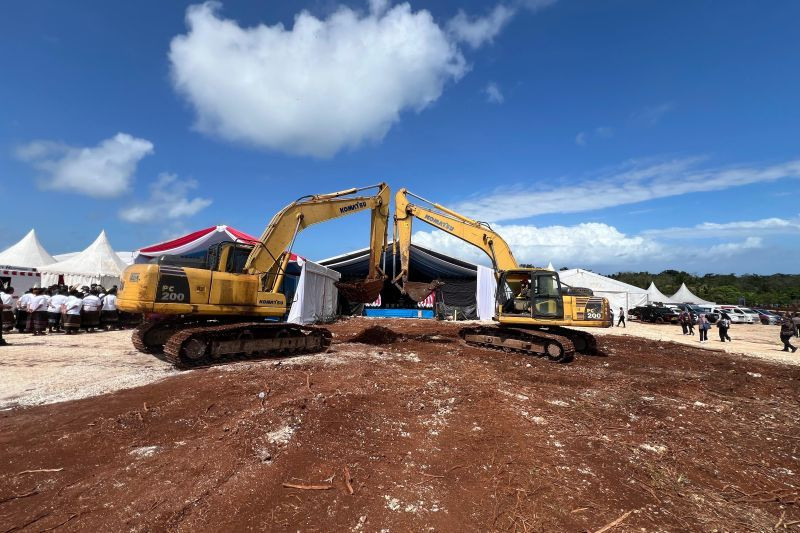
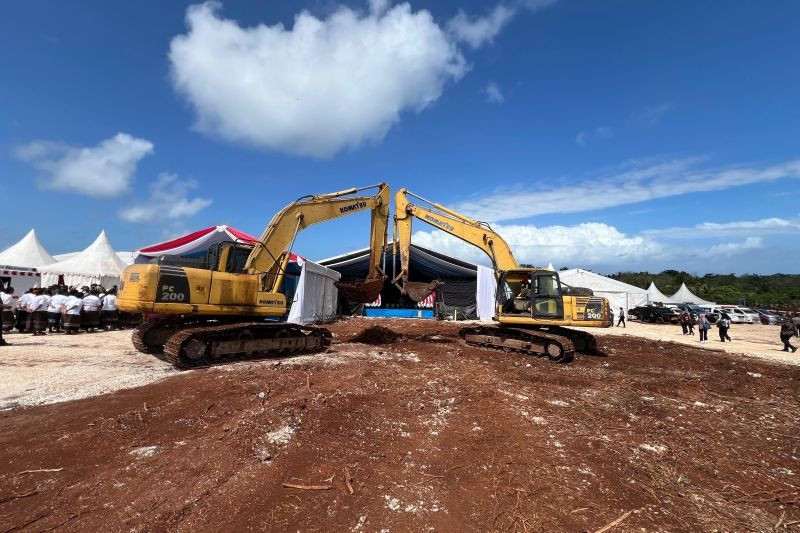
Heavy equipment is used at the groundbreaking site for the Abadi Masela LNG project in Tanimbar Islands, Maluku, on July 16, 2026. (Antara/Putu Indah Savitri)
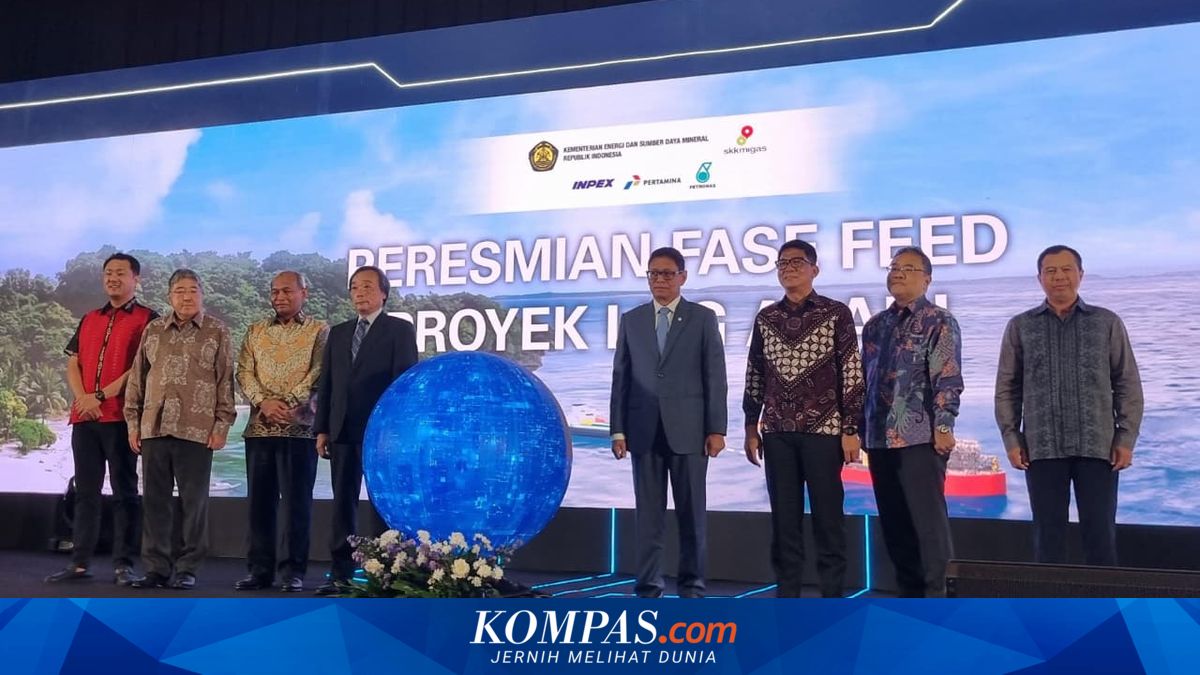
President Prabowo Subianto’s recent groundbreaking of Abadi LNG Project in the Masela Block, Maluku is far more than a long-overdue ceremonial start for an energy infrastructure venture delayed for nearly 28 years.Beneath its US$20.9 billion price tag and targeted 2029 operational timeline lies a tectonic shift in Indo-Pacific energy geopolitics: Masela offers concrete proof that the regional energy security architecture is gradually pivoting away from reliance on Western energy majors toward a more politically resilient consolidation of intra-Asian alliances.
To appreciate this strategic shift, one must examine the drastic evolution of the project's ownership structure. When British energy giant Shell exited the Masela Block by selling its 35 percent stake, Western observers questioned the commercial viability of a complex, capital-intensive offshore LNG project in the Arafura Sea. Shell’s departure was widely framed as evidence that high-cost upstream projects in developing nations were losing appeal amid growing pressure for global decarbonization.