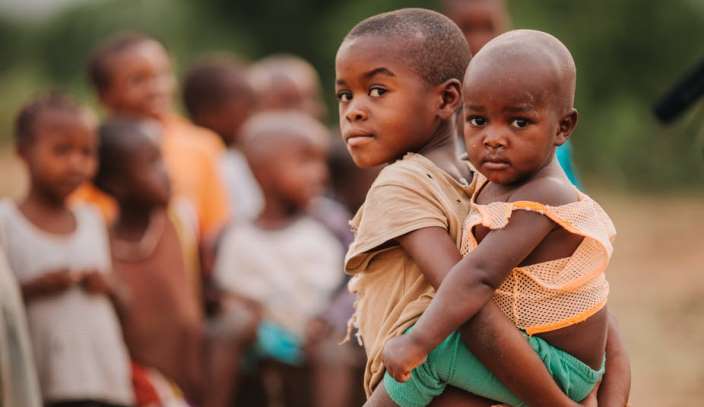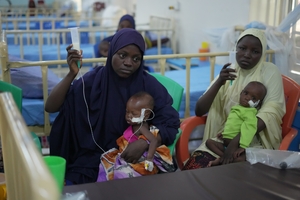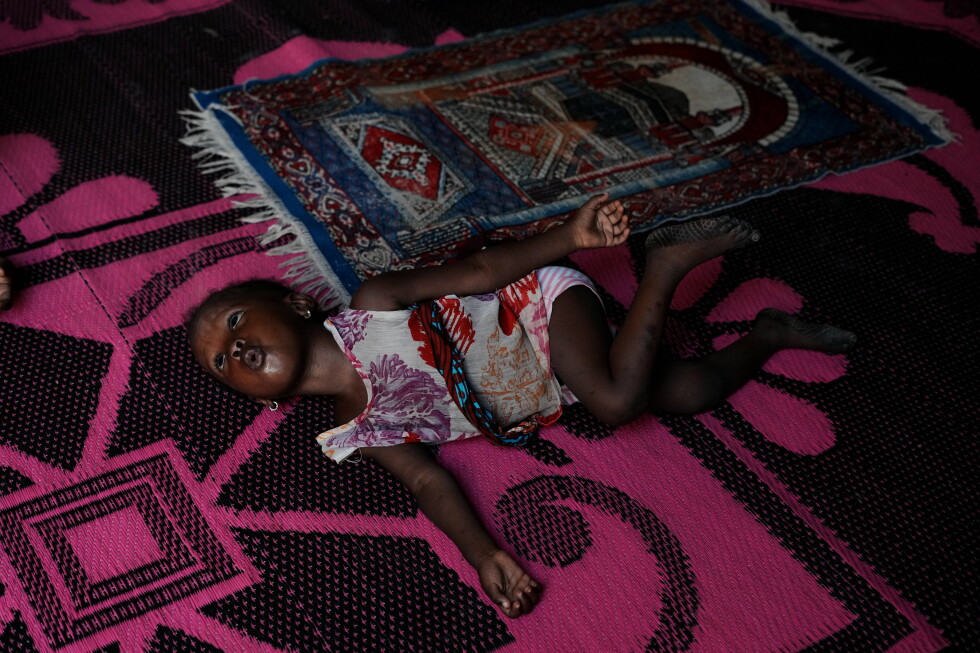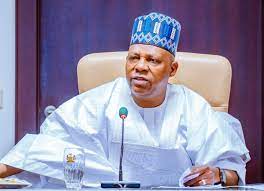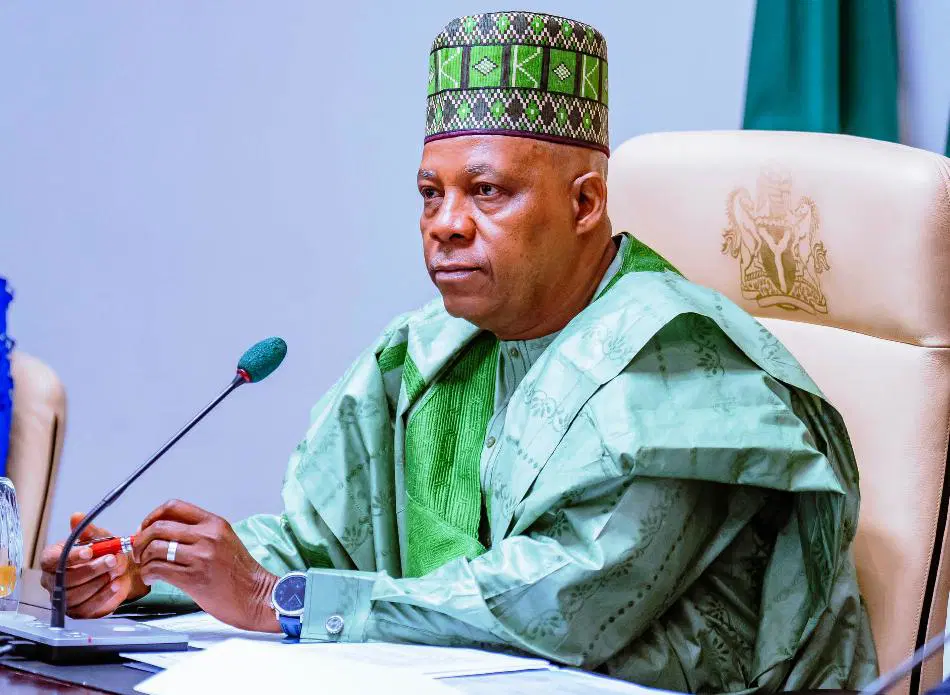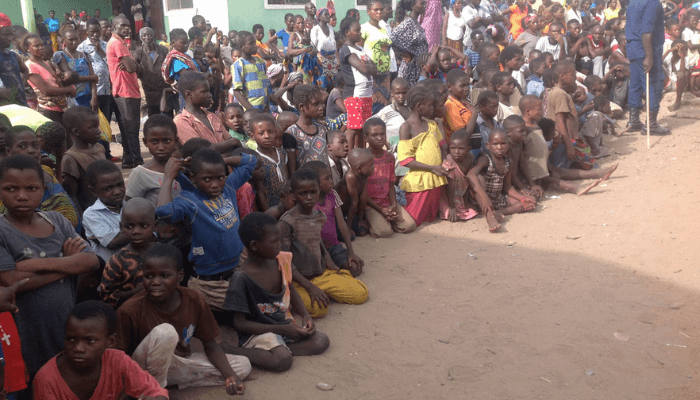
This month, the Vice President, Senator Kashim Shettima, received a delegation from UNICEF, and he talked about child nutrition in Nigeria, among other issues. Nutrition for children has been part of national discourse in recent years, particularly as the subnational governments embark on school feeding programmes with varying degrees of success. I observed that in the same week Shettima received UNICEF in Abuja, a state-owned health agency in Borno, the vice president’s home state, called a meeting of stakeholders in child nutrition. At the Borno meeting organised by the state health agency, officials issued warnings against the diversion of nutritional items meant for children. This isn’t the first time news of the diversion of items meant for Nigerians emerges in the public space. My concern, though, is that there’s been so much talk about diversion, but few practical solutions offered to stop the diversion.
As the reader already knows, I don’t concentrate on complaining about issues, name-calling, or sharing blame. I focus on solutions. In this regard, I noticed the VP mentioned some practical solutions during his meeting with UNICEF, as well as other stakeholders, even though diversion of nutritional items for children wasn’t his main focus when he did. I think what he said should be echoed and implemented in Borno State, and across the federation as well. For instance, the he said some of the initiatives embarked upon to support children reflect FG’s convictions that the quality of tomorrow is determined by the investments made in children today. What investments are the subnational governments making regarding children, when they can’t ensure that ordinary nutritional items safely get to the children who need them?