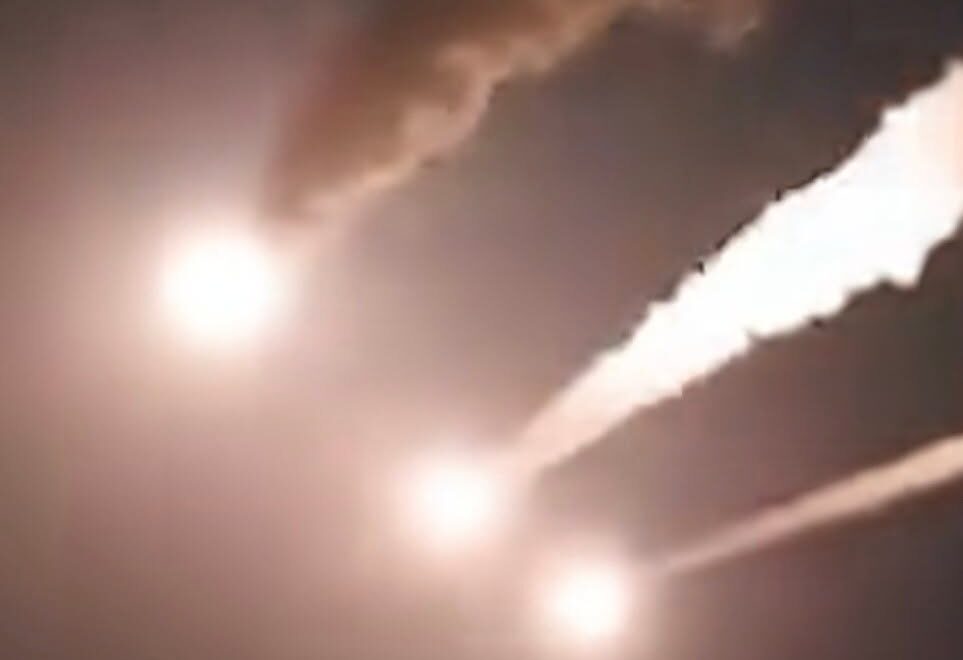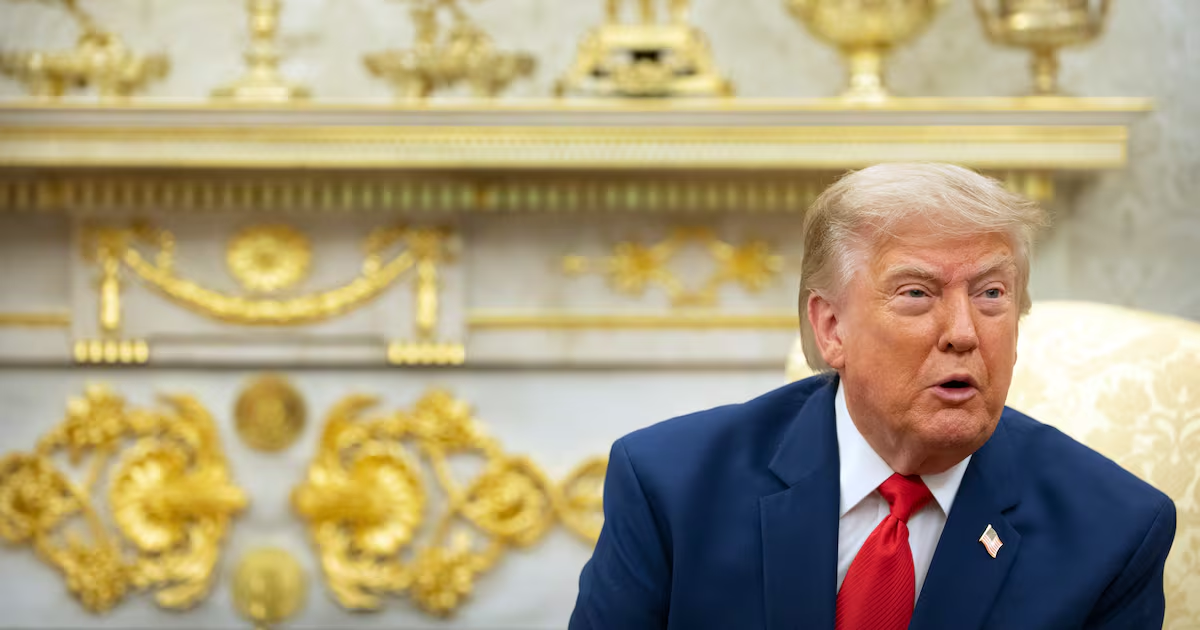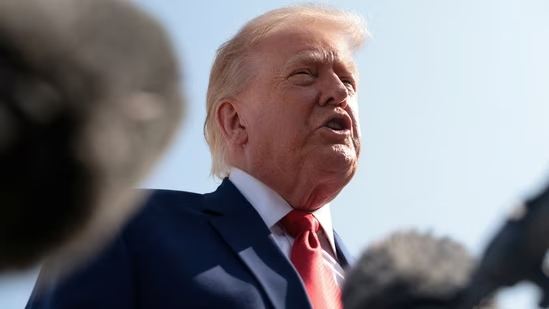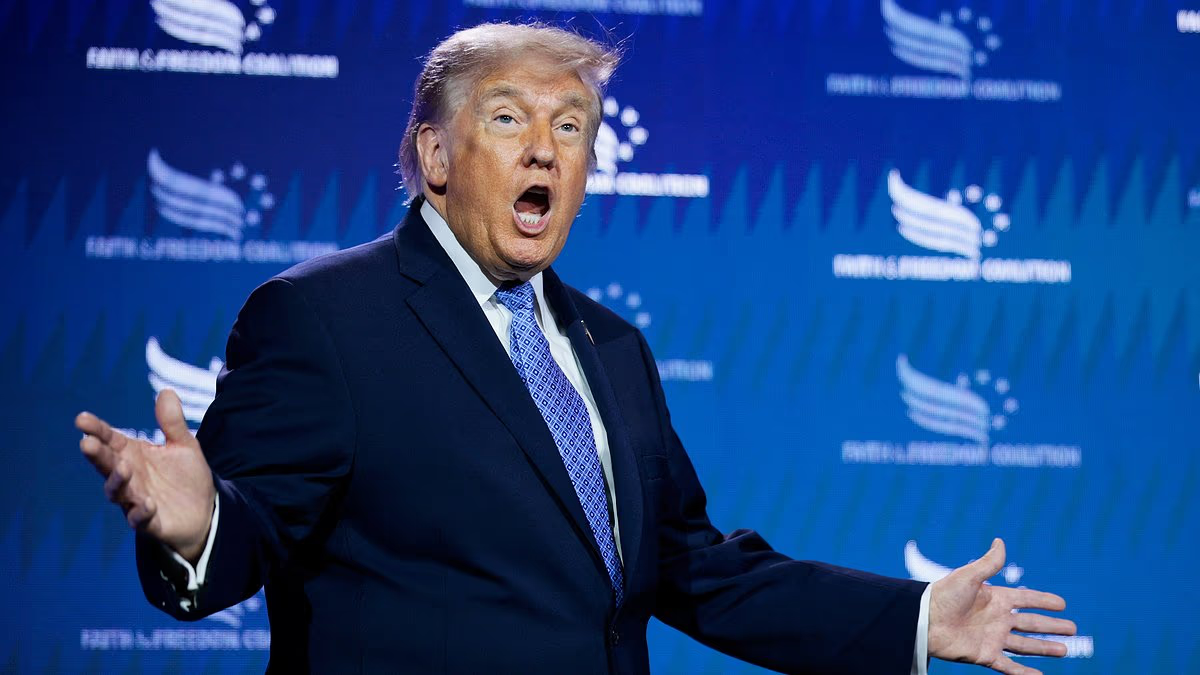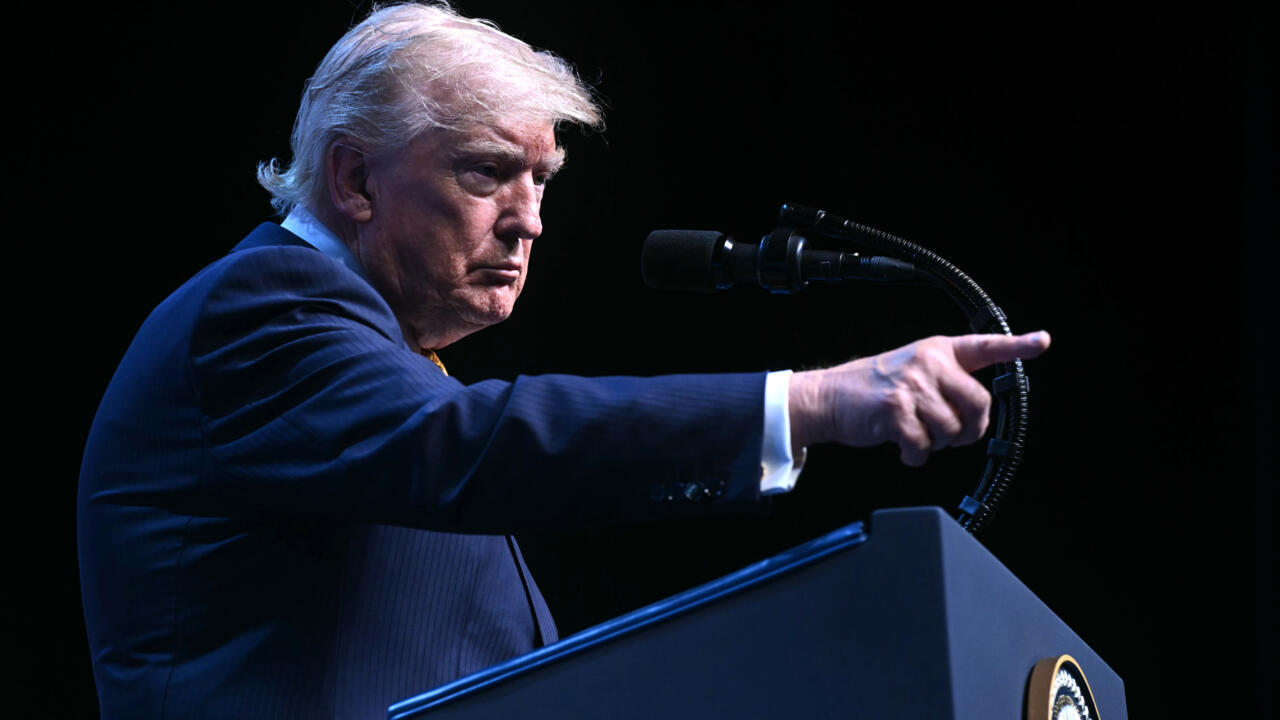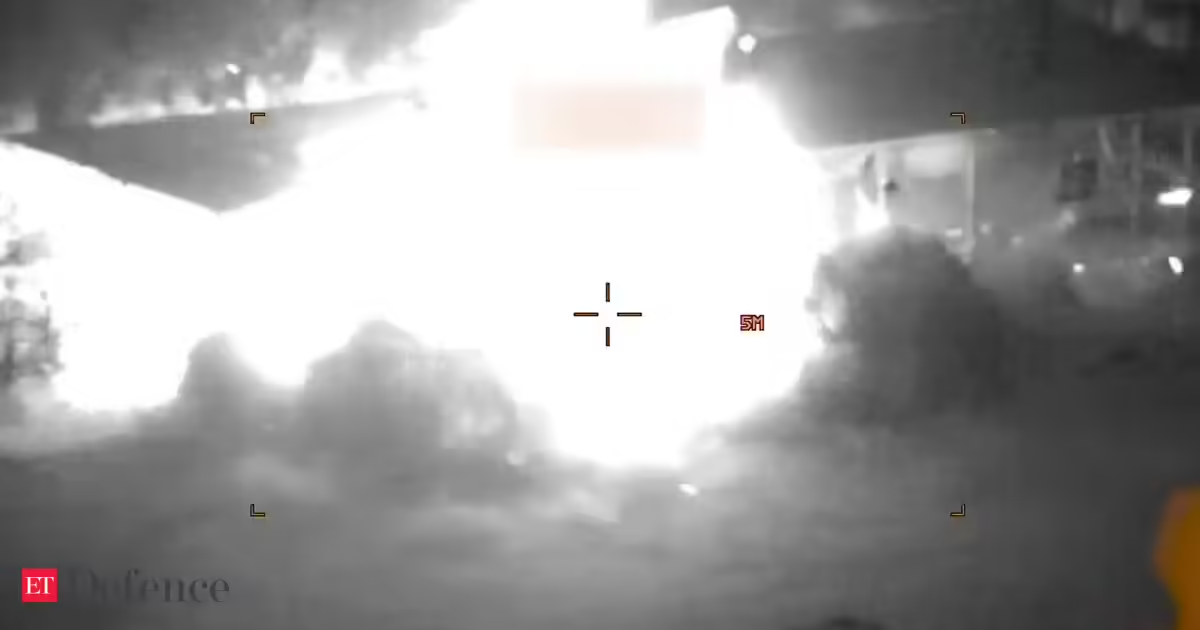
President Donald Trump launched another night of strikes against Iran just hours after weighing a 'major attack.'The strikes came after Trump warned that seized 'Iranian money' would go to reimburse any damage to ships traversing the Strait of Hormuz. 'Please let this statement serve to represent, until further notice, that from this point forth, any and all damages done to Ships, Cargo, or anything related thereto, will be paid for by Iranian Money that the United States has in its possession, and controls,' Trump wrote.'These damages may be very substantial but, nevertheless, this is the fair and equitable thing to do.' The commander-in-chief made the announcement on his Truth Social platform Thursday evening as tensions mount in the strait, through which one-fifth of the world's oil supply traverses.The statement came as US Central Command announced that a 13th night of military were launched against Iran. Control over the Strait of Hormuz had been a sticking point in the US's negotiations with Iran, as the Islamic regime tries to retain control of the waterway.The country has repeatedly struck vessels trying to pass through the strait, and on Thursday, Yemen's Iran-backed Houthi rebels said they attacked two Saudi oil tankers in the Red Sea.Following this week's strikes, Trump said he was considering a 'massive attack' on Iran. He had claimed leaders in Tehran wanted a deal but had not yet felt 'enough pain' to properly negotiate. He did not say when he would finalize his decision. President Donald Trump warned on Thursday that any damage to cargo ships traversing the Strait of Hormuz will be paid for with seized 'Iranian money' The commander-in-chief made the announcement on his Truth Social pageTrump also claimed that Israel would join the new strikes if he were to ask, though he insisted that its help was not needed.Already, the Pentagon has flown a B-1 bomber over the region for the first time since the ceasefire collapsed and surged extra special operations forces into the area. A further 150 medics have also been sent to a military hospital in Germany that treats US troops wounded in the Middle East.Meanwhile, Iranian foreign minister Abbas Araghchi said on X that Iran would harshly respond to any military action taken against it.'Our defense doctrine is clear: Eye for an eye,' he wrote. 'Any aggression against Iran, including our infrastructure, will compel a powerful and decisive response.'Secretary of State Marco Rubio then shot back, telling reporters that US policy would be a 'head for an eye' when it comes to retaliating against Iranian action. 'They will pay a very heavy price for the things they’re doing,' Rubio added.But as the war continued, the price of Brent crude oil, the international standard, spiked more than six percent, to about $100 a barrel. That is the highest level since May, before the two sides reached a preliminary peace agreement last month that has since collapsed. Houthi rebels claimed on Thursday they struck two Saudi oil tankers in the Red Sea Previous Iranian attacks damaged an Iraqi vessel moving through the Strait of Hormuz in MarchTrump has made repeated threats against the Iranian regime, but since the collapse of the memorandum of understanding, the US has been unable to restore traffic through the Strait of Hormuz. Iranian leaders have argued they have a right to manage traffic and potentially charge fees in the Strait of Hormuz, which was open to all and toll-free before the war.They have since attacked ships using a route through the strait that is overseen by US forces and intended to be outside Tehran's control.As the hostilities now continue, Trump is facing pressure at home to wrap up the war as Republicans, facing crucial midterm elections in November, fear a bloodbath if gas prices remain elevated and push inflation higher.Many Democrats have voiced opposition to the war since its inception. Secretary of War Pete Hegseth was grilled in a Senate committee hearing on Tuesday, where even a Republican senator rebuked him for not giving 'straight answers' to questions.Hegseth testified that the cost of the war has already exceeded $37.5billion, and the White House is asking Congress for even more than that in emergency war funding. The US has bombed Iranian radar and missile systems along the Strait of Hormuz for nearly two weeks after Trump's ceasefire collapsed That request, however, comes after four US soldiers were killed over the weekend, bringing the death toll to 18 since the war's beginning. Three died in an Iranian missile and drone attack on an air base in Jordan. One died after an attempted controlled detonation of an Iranian drone. More than 400 US troops have been wounded in the fighting.Nearly half of voters, 49 percent, now say launching military action in Iran was the wrong thing to do, according to a Daily Mail/JL Partners poll of 1,021 registered voters taken between July 17 and 20.
Trump launches strikes on Iran just hours after vowing 'major attack'
The commander-in-chief made the announcement on his Truth Social platform Thursday evening as tensions mount in the strait, through which one-fifth of the world's oil supply traverses.
812 words~4 min read