Editorial
Rushing the newly planned financial center through an opaque, three-week legislative blitz risks creating an unstable tax haven and sidelines the deep, system-wide economic reforms the country actually needs.
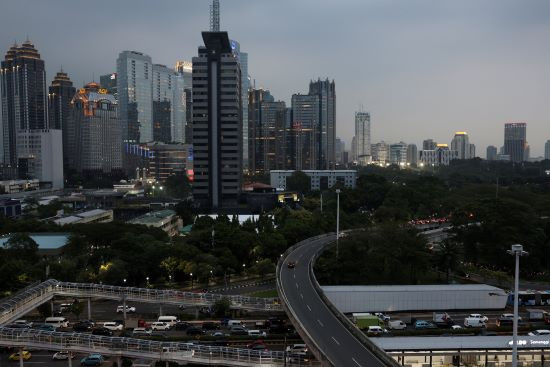
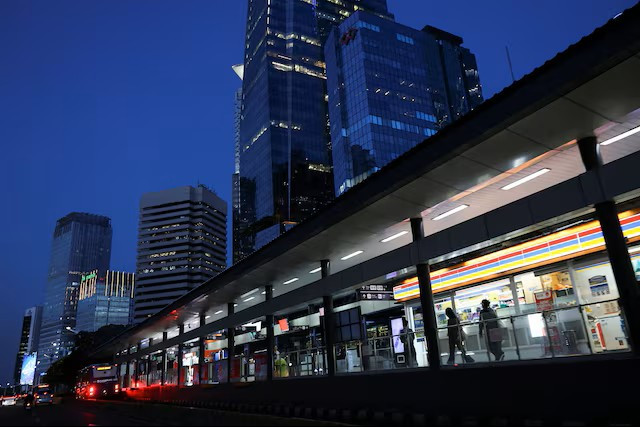
People wait at the Sudirman Central Business District (SCBD) bus shelter in South Jakarta on Sept. 2, 2025. (Reuters/Willy Kurniawan)
Since taking office two years ago, President Prabowo Subianto has unveiled a series of ambitious economic initiatives. Yet many share a common flaw: a distinct lack of transparency from conception to execution.For example, state asset fund Danantara has yet to publish its 2025 financial report, while the government’s plan to centralize exports has left local businesses bewildered over its implementation.
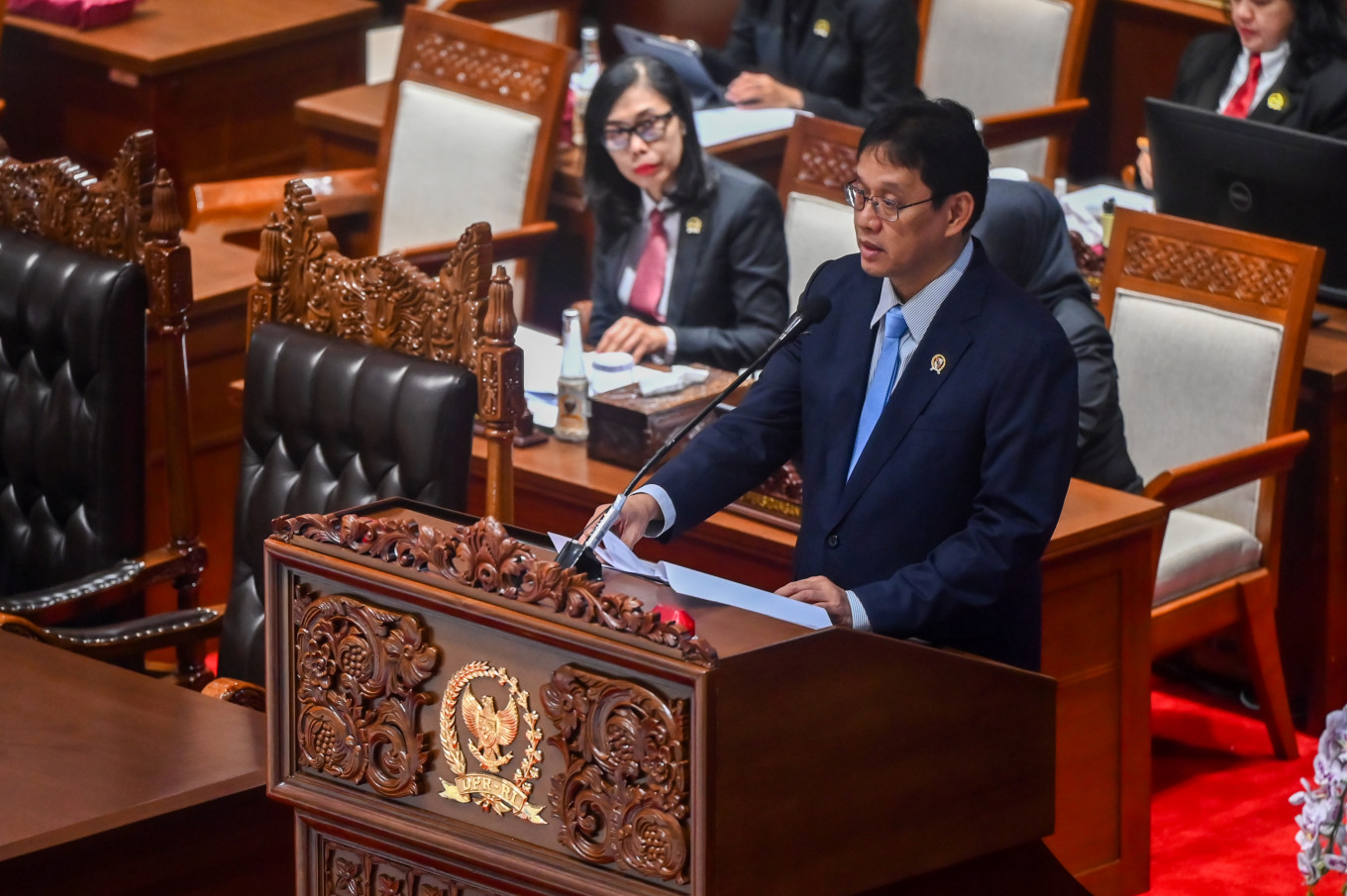
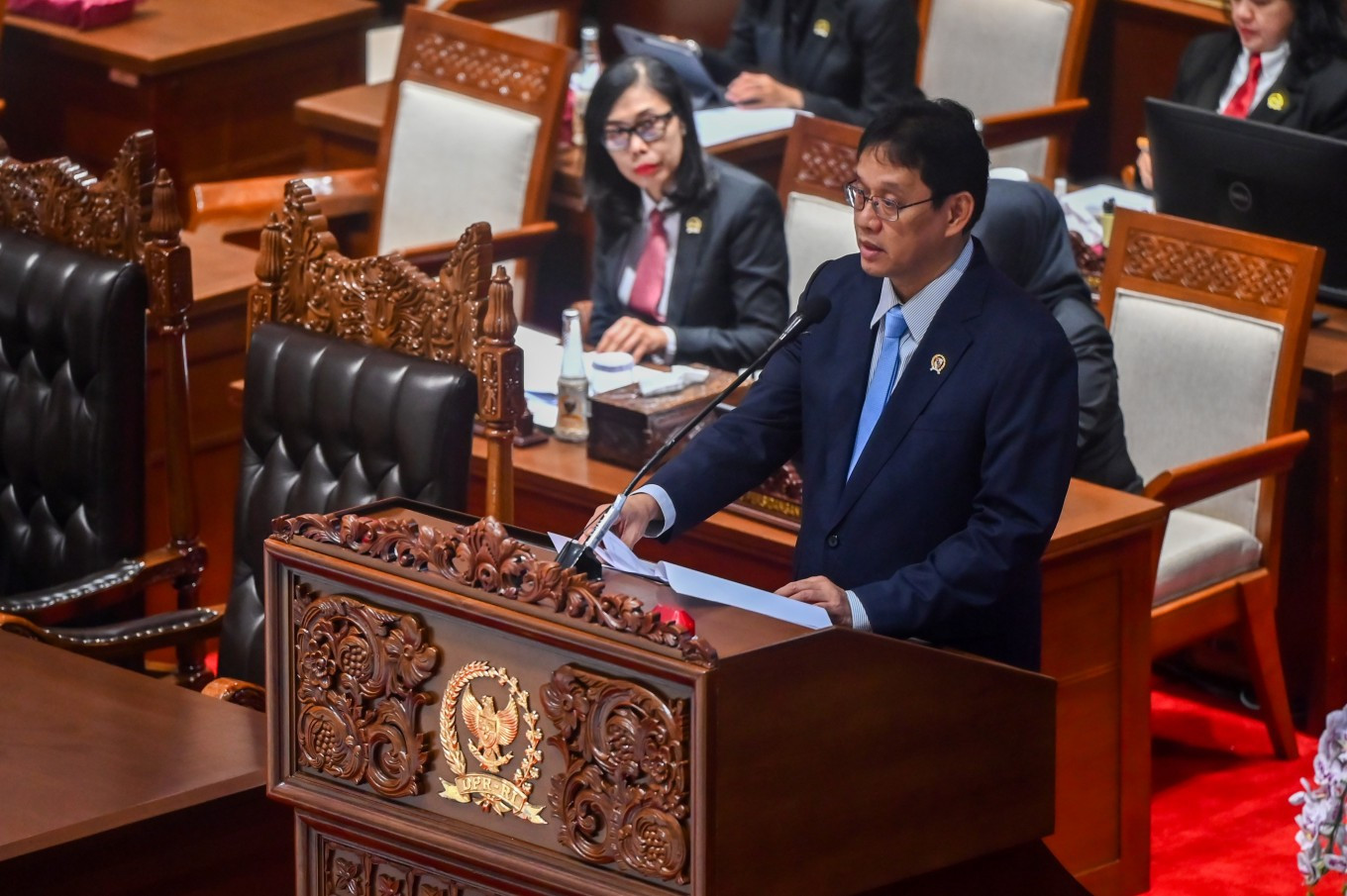
Its latest plan, to establish the Indonesia International Financial Center (PFII) to attract foreign investment, now risks following the same path. This is particularly indicated by the swift passage of the PFII Bill into law on July 21, less than three weeks after the first official drafting meeting on July 2.