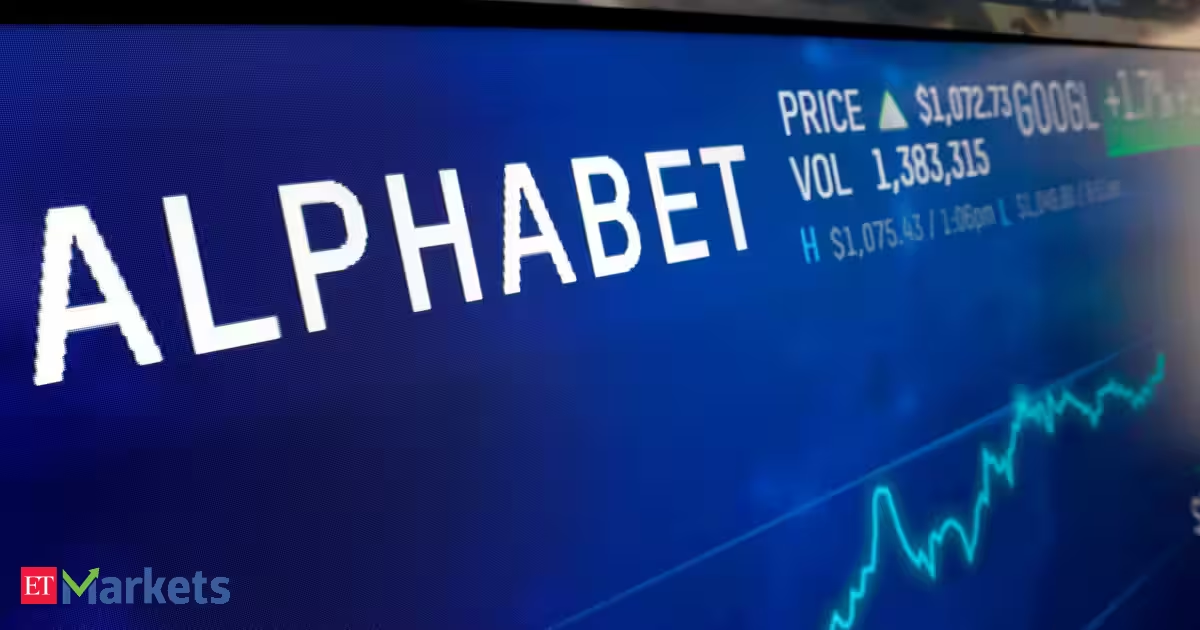
First, it had its most-profitable quarter in corporate history. Reporting $112 billion in profit, that’s its first 12-figured quarterly profit in history. But 69% of that came from unrealized paper gains on its stakes in SpaceX and Anthropic, not the core business, and Wall Street looked straight through it.
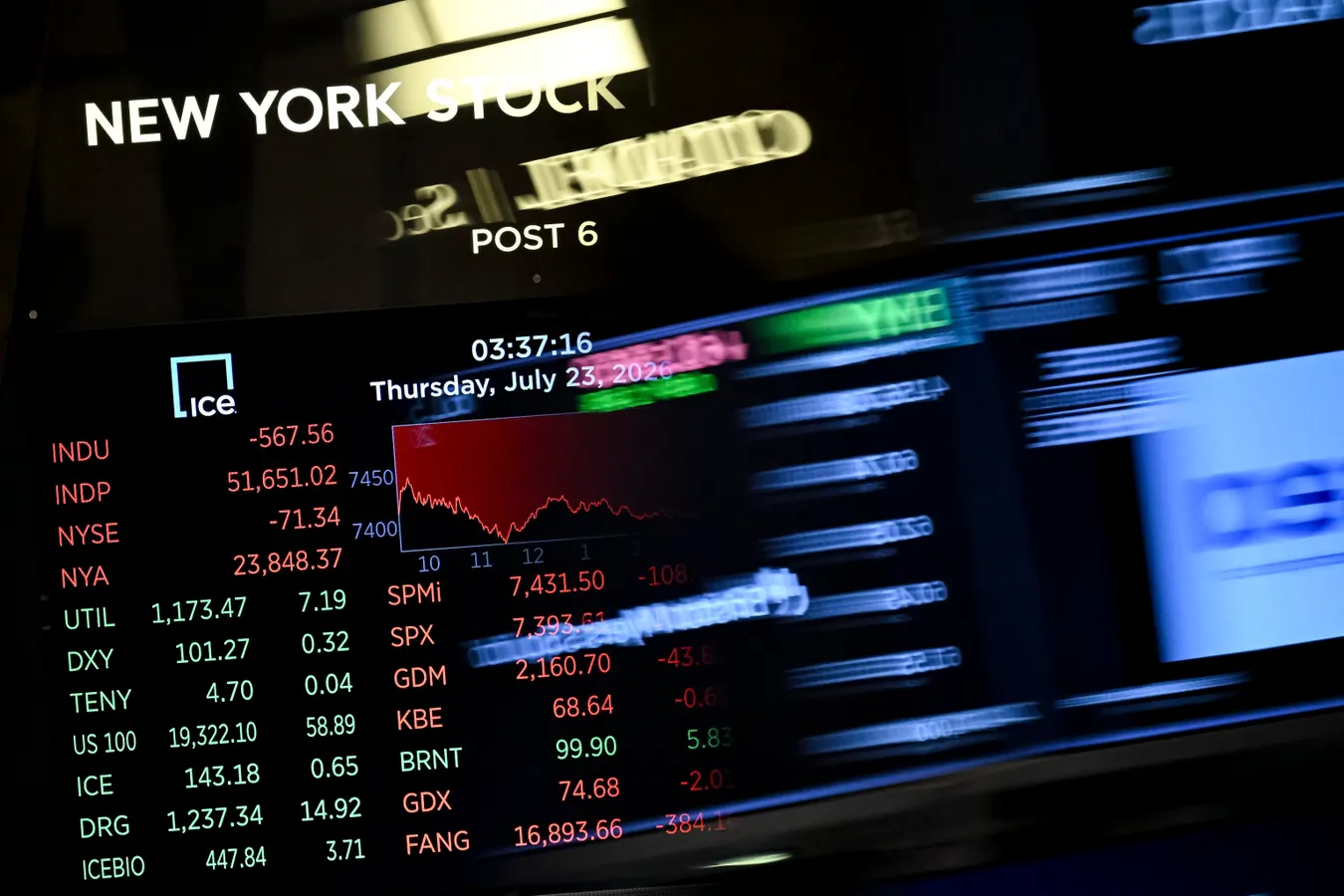
Stripping that out, however, Google still ostensibly had an excellent quarter; its cloud computing business, now the core of the company, soared 82%. So why did investors punish Alphabet today, sending their shares down nearly 7%, the worst day since tariffs?
Because of the other record it set: for the first time in the company’s history, it became cash flow negative, meaning less cash entered the company than left it last quarter. Management also warned that 2027 capital expenditures would be “significantly” higher, further deepening anxiety on the Street. The company’s latest filing Thursday shows more than $800 billion in purchase commitments and other obligations, an eye-popping number that reveals some sneakier expenses like some $51 billion spent backstopping other companies’ data centers.
At least six firms cut their price targets for Alphabet in response, including Piper Sandler (to $395), UBS (to $379) and D.A. Davidson, whose $350 target was one of the most bearish on the Street. Only Barclays raised its target. The damage was contagious, spreading outward to Microsoft, Amazon, Nvidia and the chip complex, and compounded this week by jitters over a new wave of powerful Chinese open-weight models. Tesla also reported a profit margin decline and high capital expenditure, sending its stock down 15%.