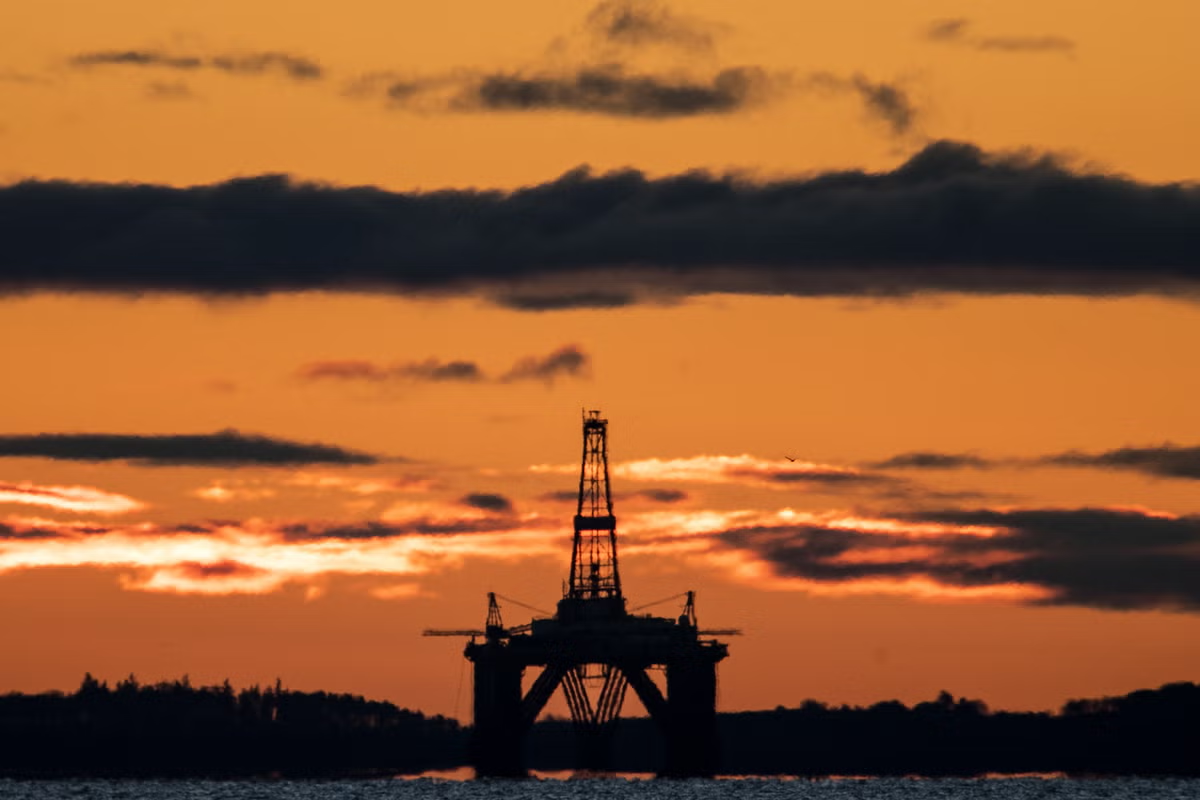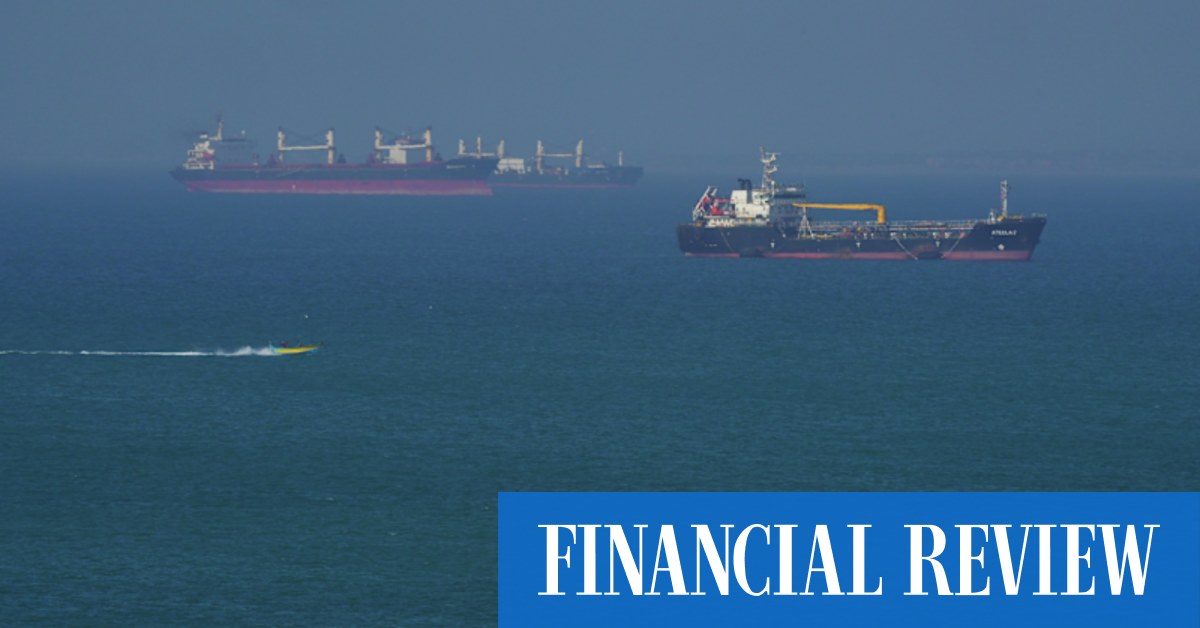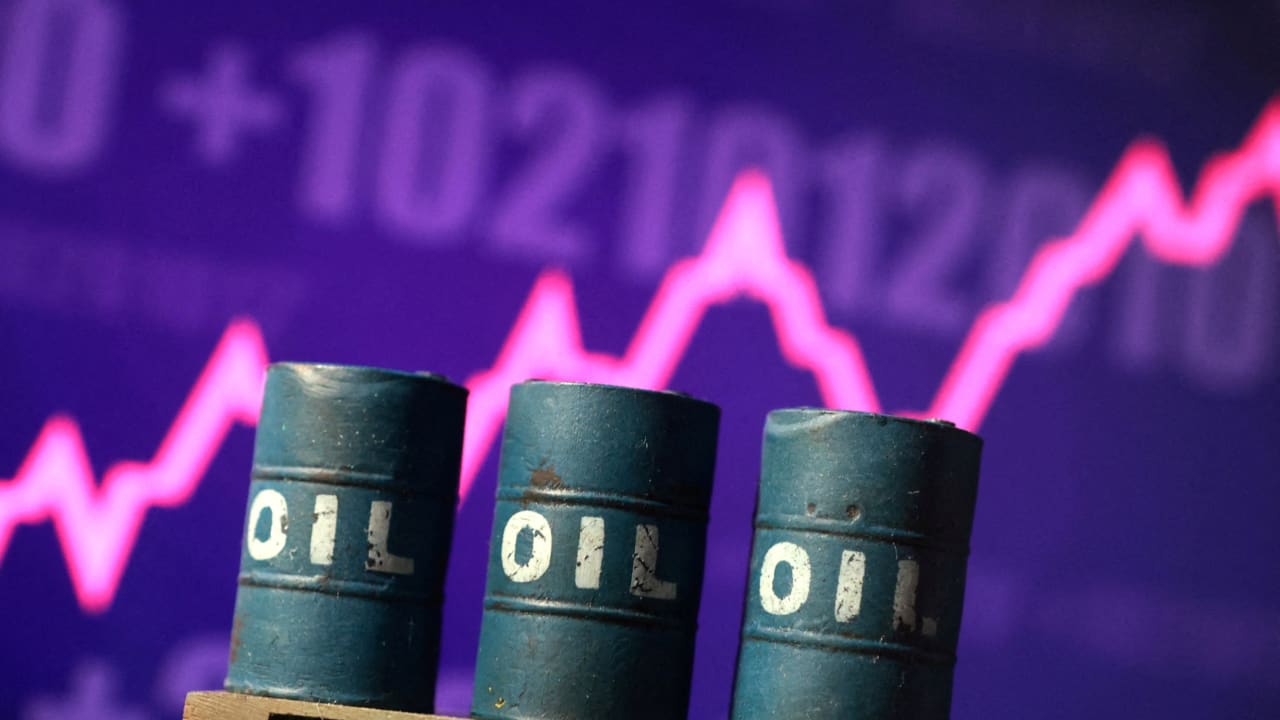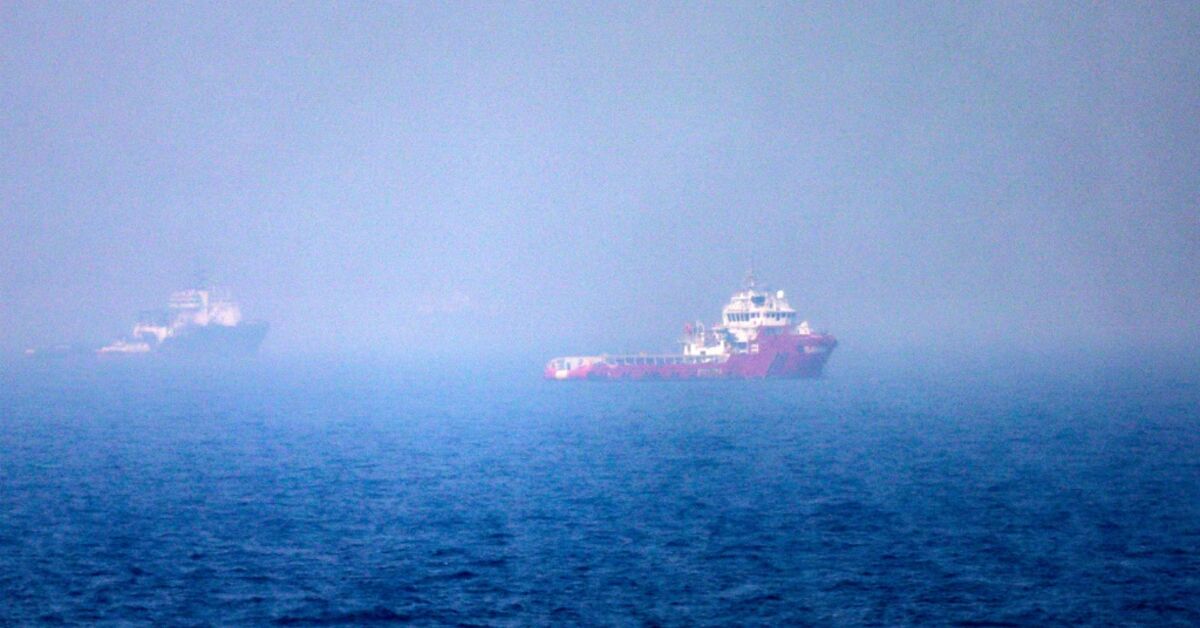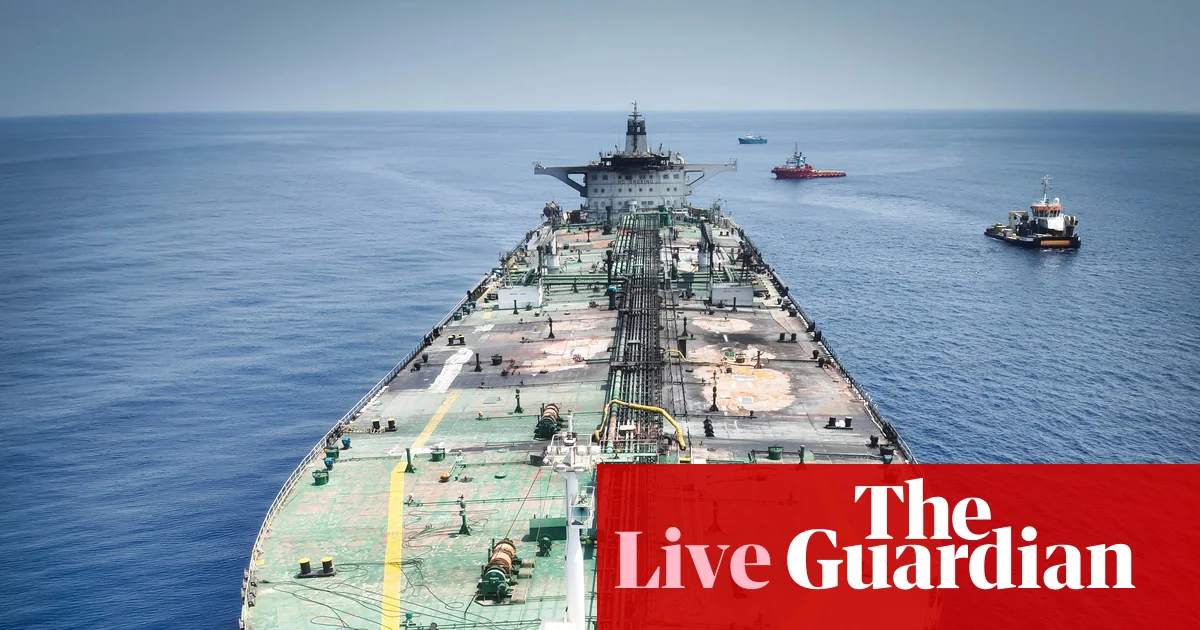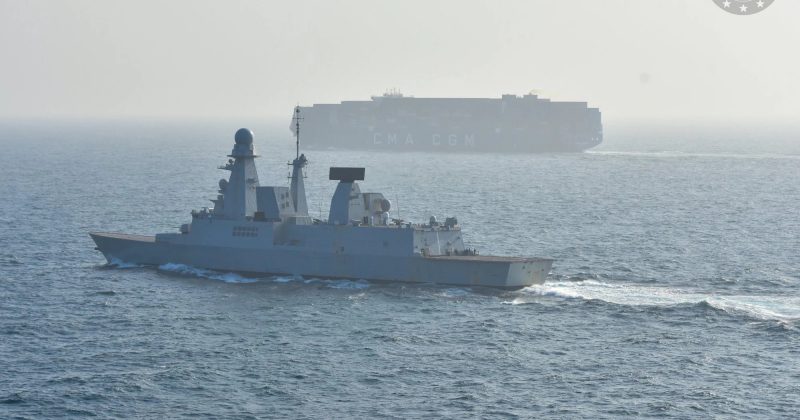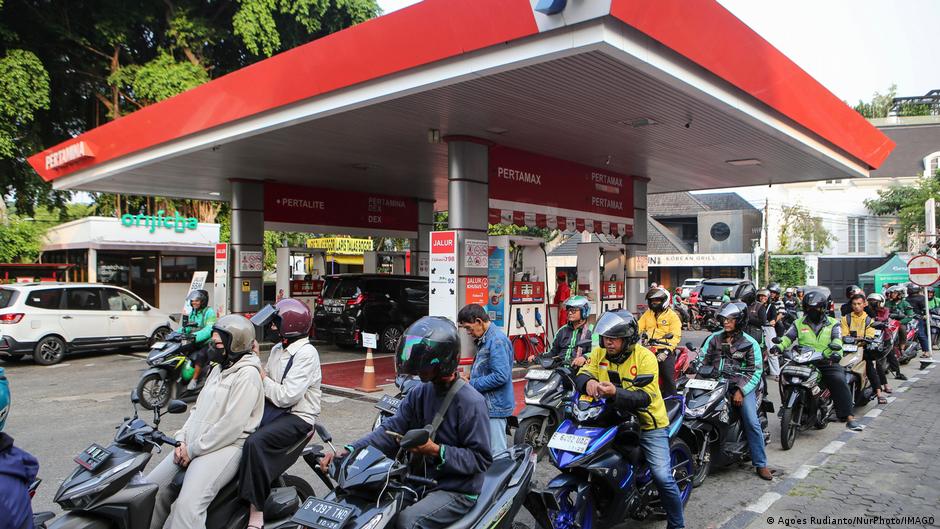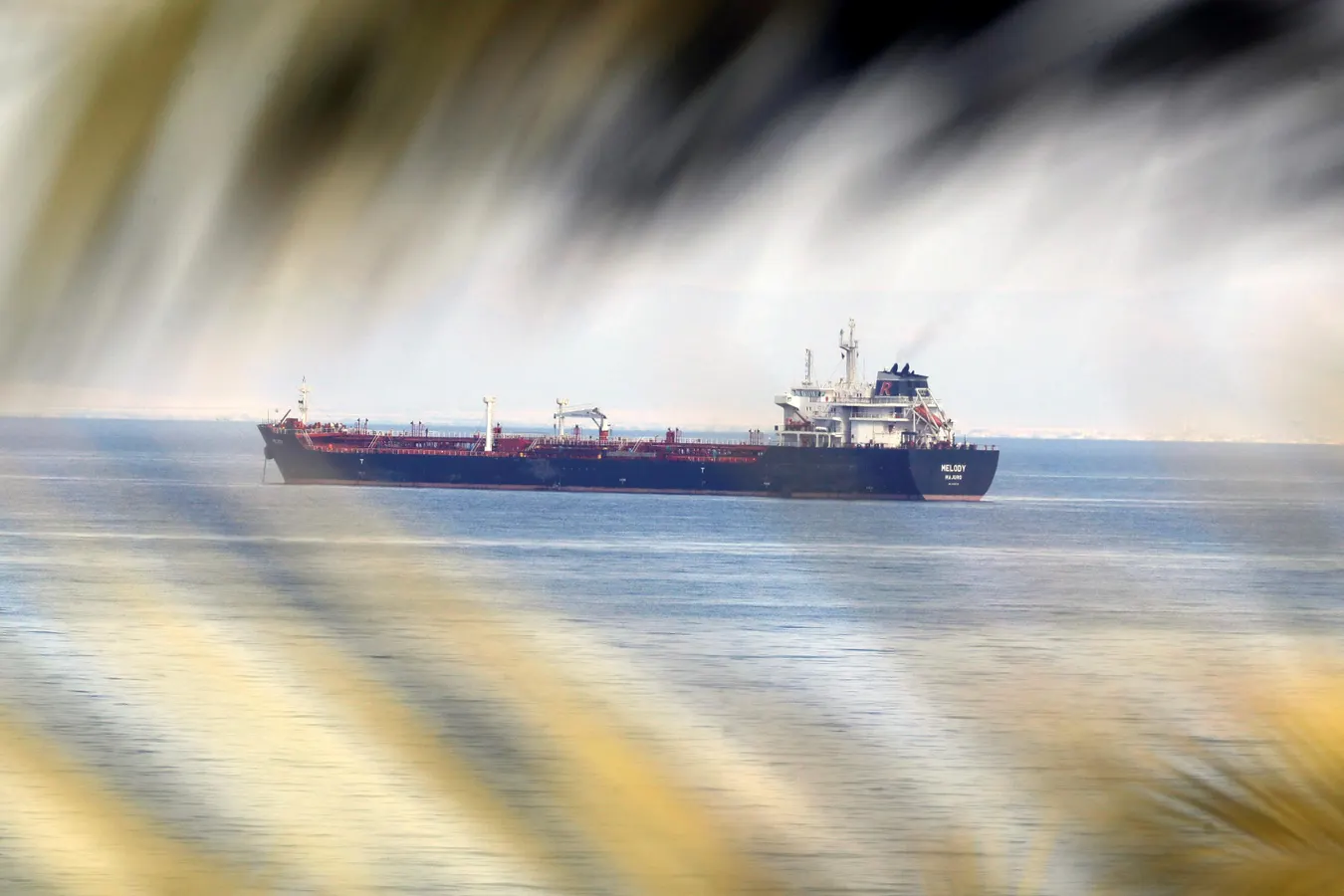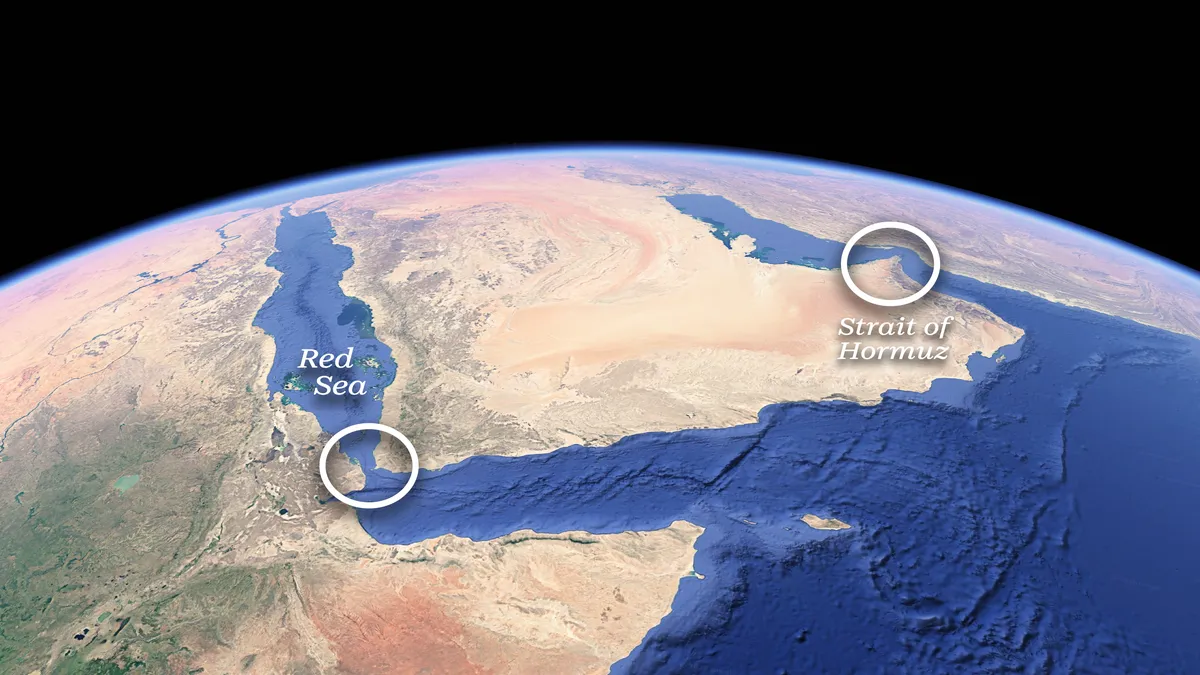
Global oil prices hit $100 a barrel July 23 after Iranian-supported Houthi forces announced attacks on two oil tankers from Saudi Arabia, a U.S. ally.The price of benchmark Brent crude oil rose 6% following the Houthi attacks in the Red Sea. The strikes raised market fears that a second vital oil shipping route in the Middle East could be closed or restricted.The Houthis, a political-religious faction in Yemen, announced the Red Sea blockade July 20. The group controls a narrow waterway known as the Bab el-Mandeb Strait, one of the world's most important oil shipping routes.In a social post, President Donald Trump said the United States would inflict punishment on Iran for future Houthi attacks.Gasoline prices generally rise and fall with crude oil costs. Crude is the largest component of the retail price of gasoline, says the Energy Information Administration.Changes in crude oil price over past 30 daysCan't see our graphics? Click here to reload the page.The current average price of a gallon of regular unleaded gas is $4.09, according to AAA. That's about 37% higher than the pre-war price of $2.98 per gallon.How crucial is the Bab el-Mandeb Strait?The Bab el-Mandeb Strait is connected to the southern part of the Red Sea and has been used as an alternative route to the Strait of Hormuz, a crucial shipping route for oil and natural gas. The U.S.-Iran war has limited ship travel through the strait.Closing the Bab el-Mandeb Strait could trigger a fresh surge in crude prices, disrupt fuel supplies and add strain on the global economy, Reuters reported.The Houthis said they attacked two Saudi oil tankers, the Encelia and the Layla. Saudi state media reported an attack and fire on Encelia, but the Layla strike remains unconfirmed.Iran had been pressing the Houthis to close the Bab el-Mandeb Strait if the United States continued to attack Iranian power infrastructure. That would put two of the world's most vital energy arteries at risk, according to Reuters.A full closure of Bab el-Mandeb could reduce global oil supply by 7% because it would leave most Saudi oil exports unable to leave the region, adding to the 10% cut in oil flows from the war in the region.Because of the massive amounts of petroleum, other liquids and liquified natural gas that flow through them, chokepoints – narrow passages along popular international maritime routes – are vital to the world's energy trade and security.The simultaneous disruption of several transportation routes, including energy, shipping and air cargo, is expected to increase global inflation and put key world economies at risk of stagflation. That's on top of existing political and tariff disputes, according to Oilprice.com.Source: USA TODAY Network reporting and research; Reuters
See how oil prices soared after Red Sea attacks and latest US strikes
Fears over oil shipment constraints triggered by the US-Iran war have sent crude oil prices soaring. What will happen next?
448 words~2 min read