The new tariffs will affect major economies including China, India, and the European Union.
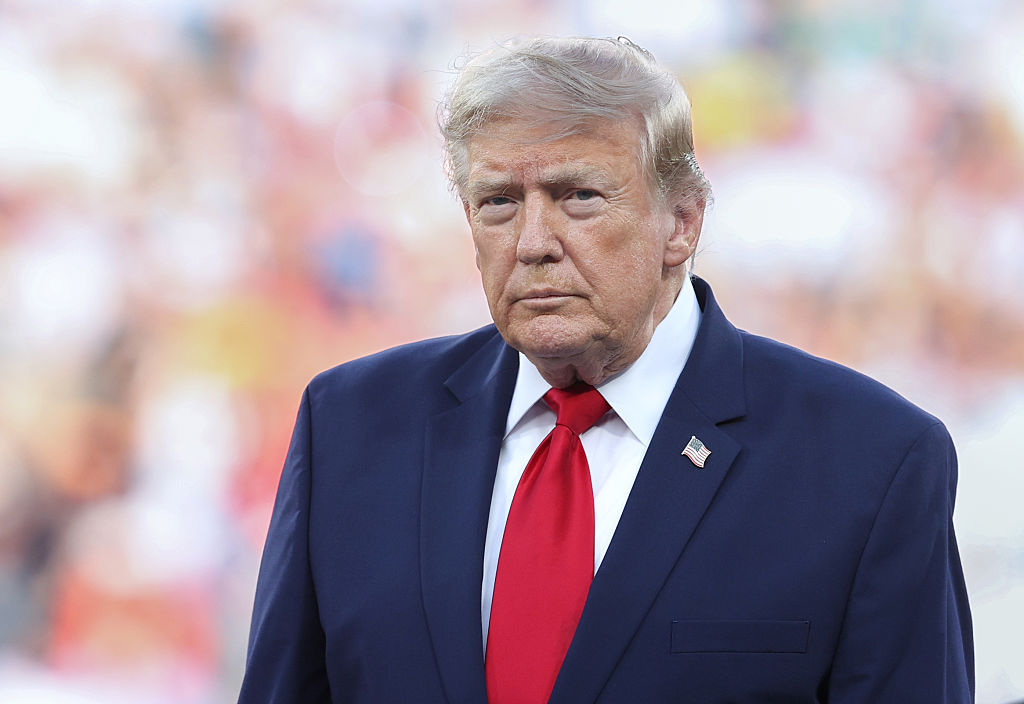
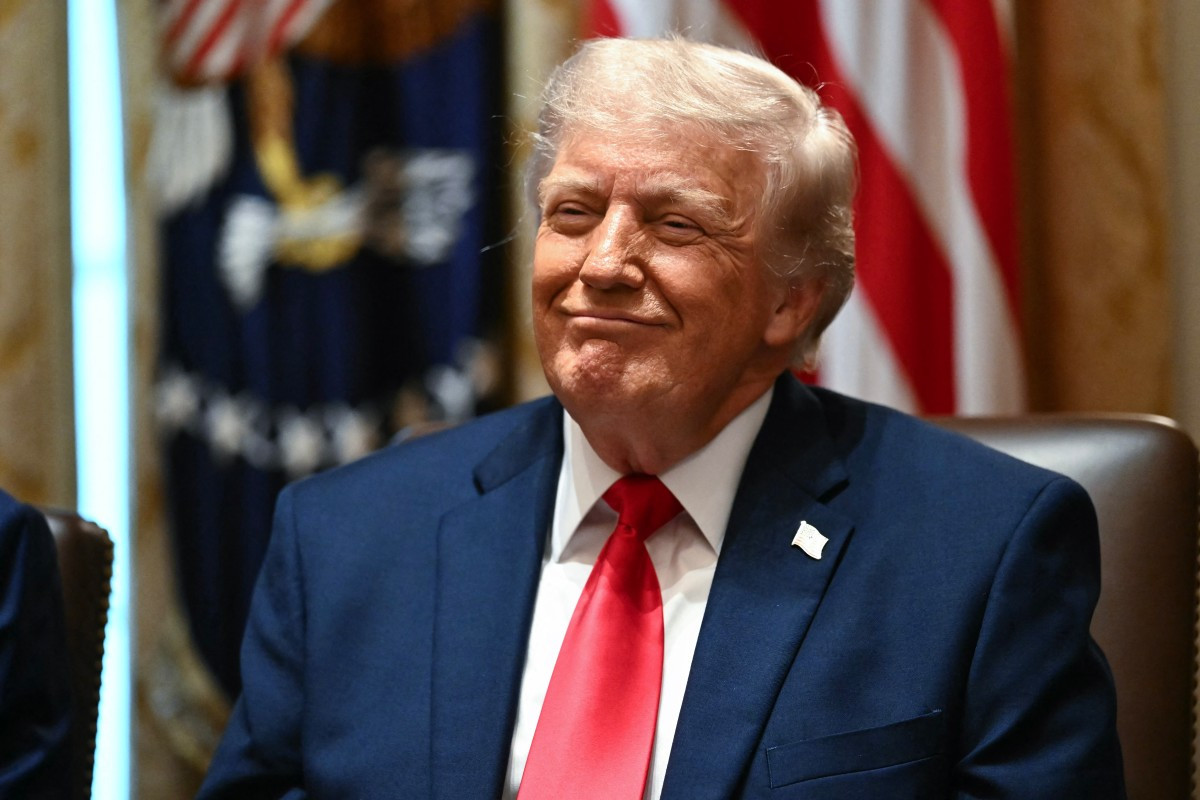
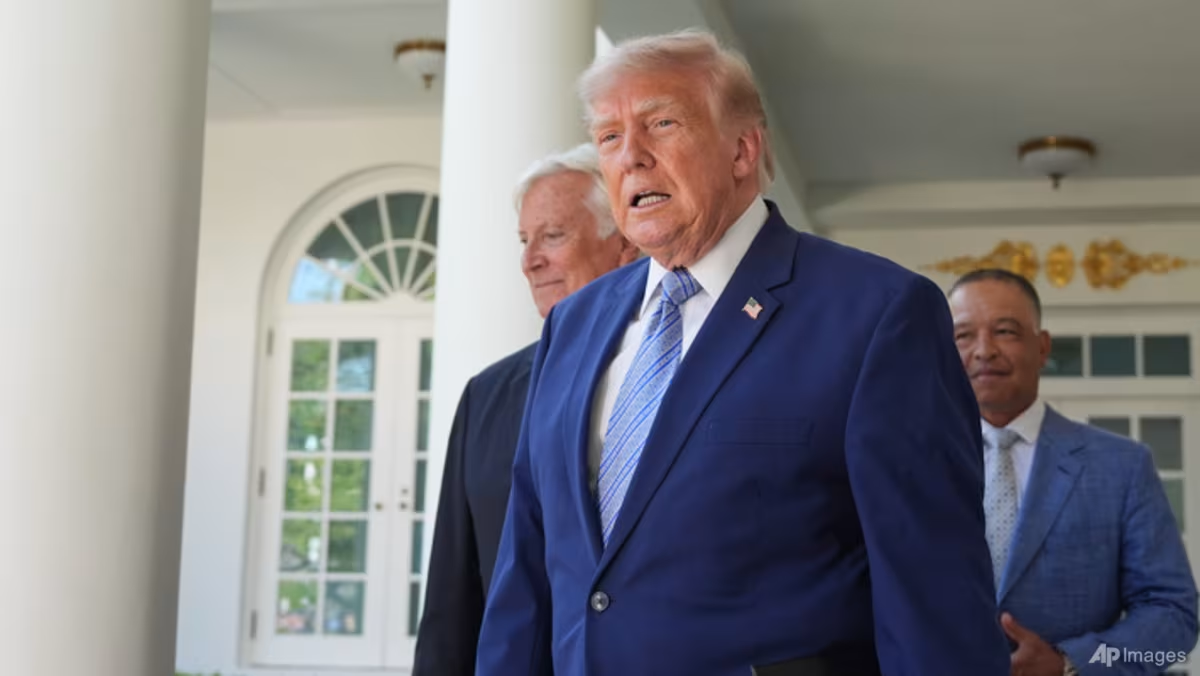
US President Donald Trump arrives for an event to honour the 2025 World Series champions Los Angeles Dodgers in the Rose Garden of the White House, Thursday, Jul 23, 2026, in Washington. (Photo: AP/Alex Brandon)
24 Jul 2026 05:45AM
WASHINGTON: The United States said Thursday (Jul 23) that it would impose new tariffs on 60 trading partners over forced labour concerns, replacing an expiring global duty rolled out by US President Donald Trump earlier this year.The levies, which take effect Friday, range from 10 per cent to 12.5 per cent and impact major economies like China, India and the European Union."The United States has had a forced labour import ban for nearly a century, and rigorously enforces it; it's well past time for our trading partners to do the same," said US Trade Representative Jamieson Greer in unveiling the duties.The Trump administration has moved swiftly to rebuild the president's tariff wall after the Supreme Court struck down a host of his duties in February - dealing a blow to his ability to unleash steep levies at will.After the legal setback, Trump tapped different authorities to reimpose a 10-per cent tariff on imports. But this only lasts 150 days, expiring Friday.The volley of new duties, initially proposed in June, will now take its place.The measures were proposed after a months-long investigation and are considered more resistant to legal challenges than earlier moves.Under Thursday's announcement, economies that have implemented a forced labour prohibition are hit with the lower 10-per cent rate. They include Canada, the EU and the United Kingdom.Others were deemed to deserve harsher levies, receiving the higher 12.5 per cent tariff, a US official told reporters. Trading partners like China and Japan are covered in this group.Goods already facing Trump's sector-specific tariffs - like steel and aluminium - will not be impacted.Goods entering under the US-Mexico-Canada free trade pact will also be exempt, a US official told reporters.