By
July 23, 2026 / 4:37 PM EDT
/ CBS News
Add CBS News on Google
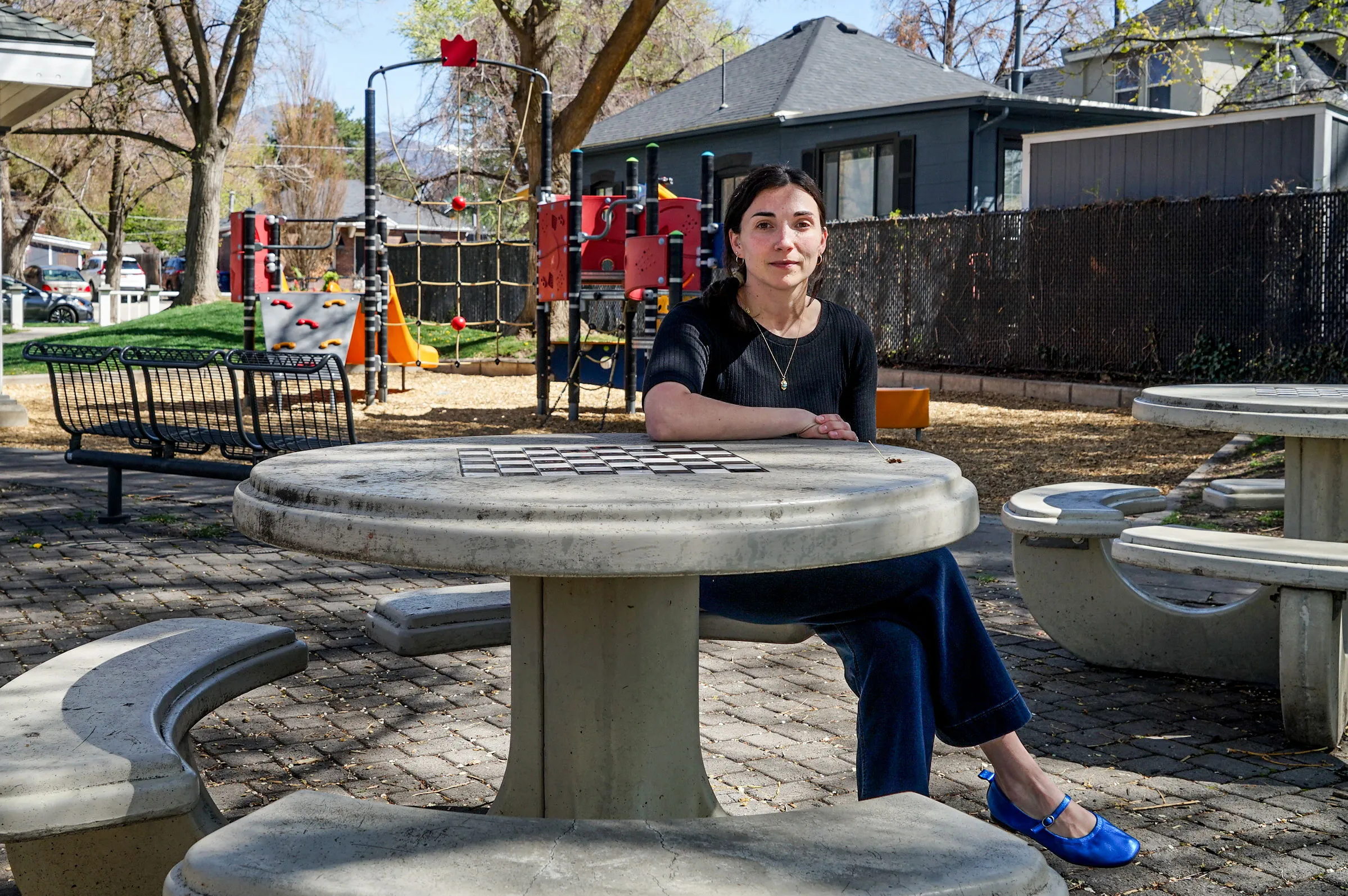
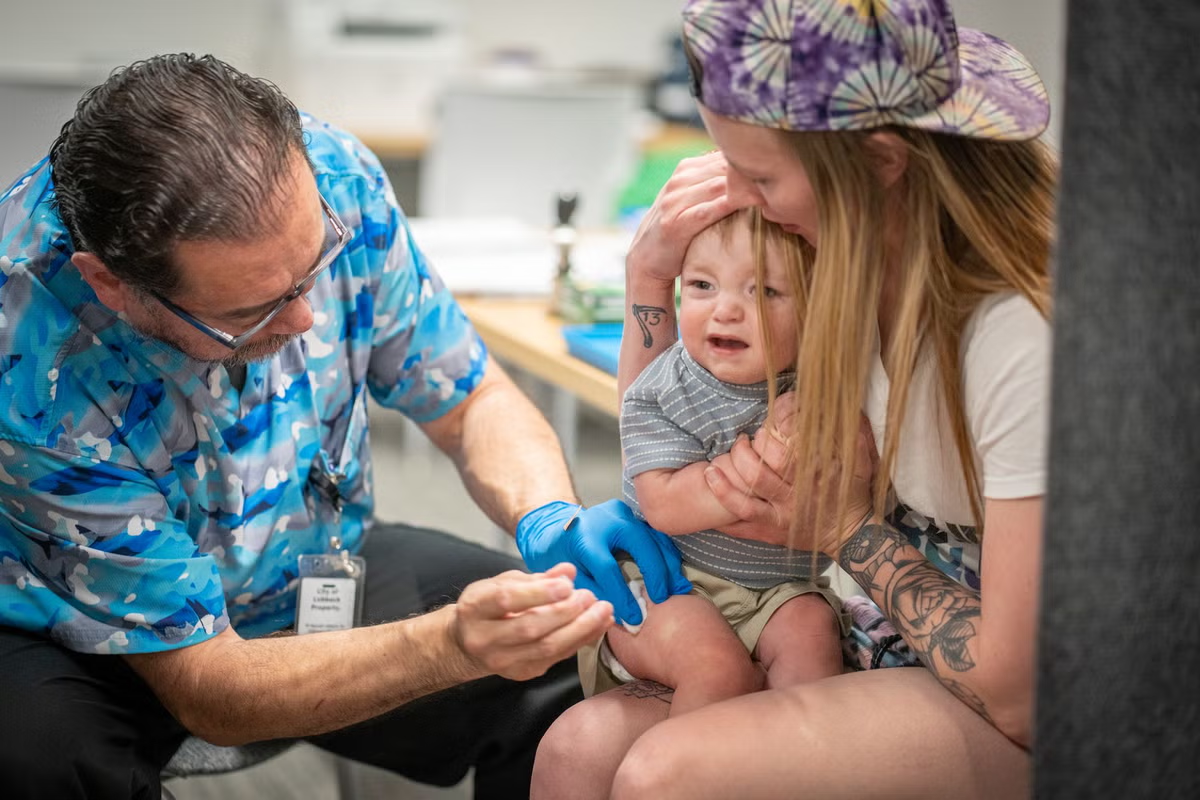
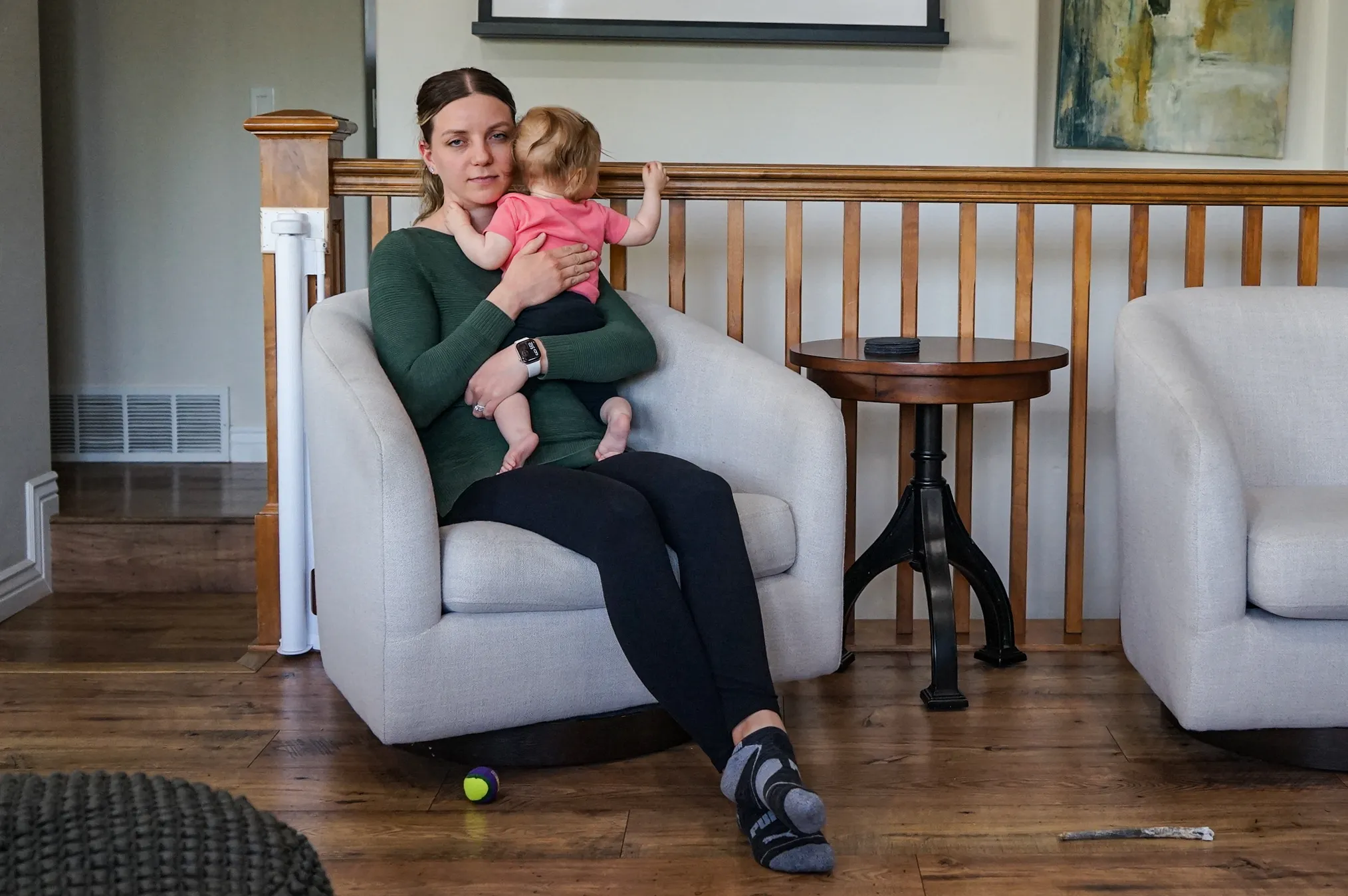
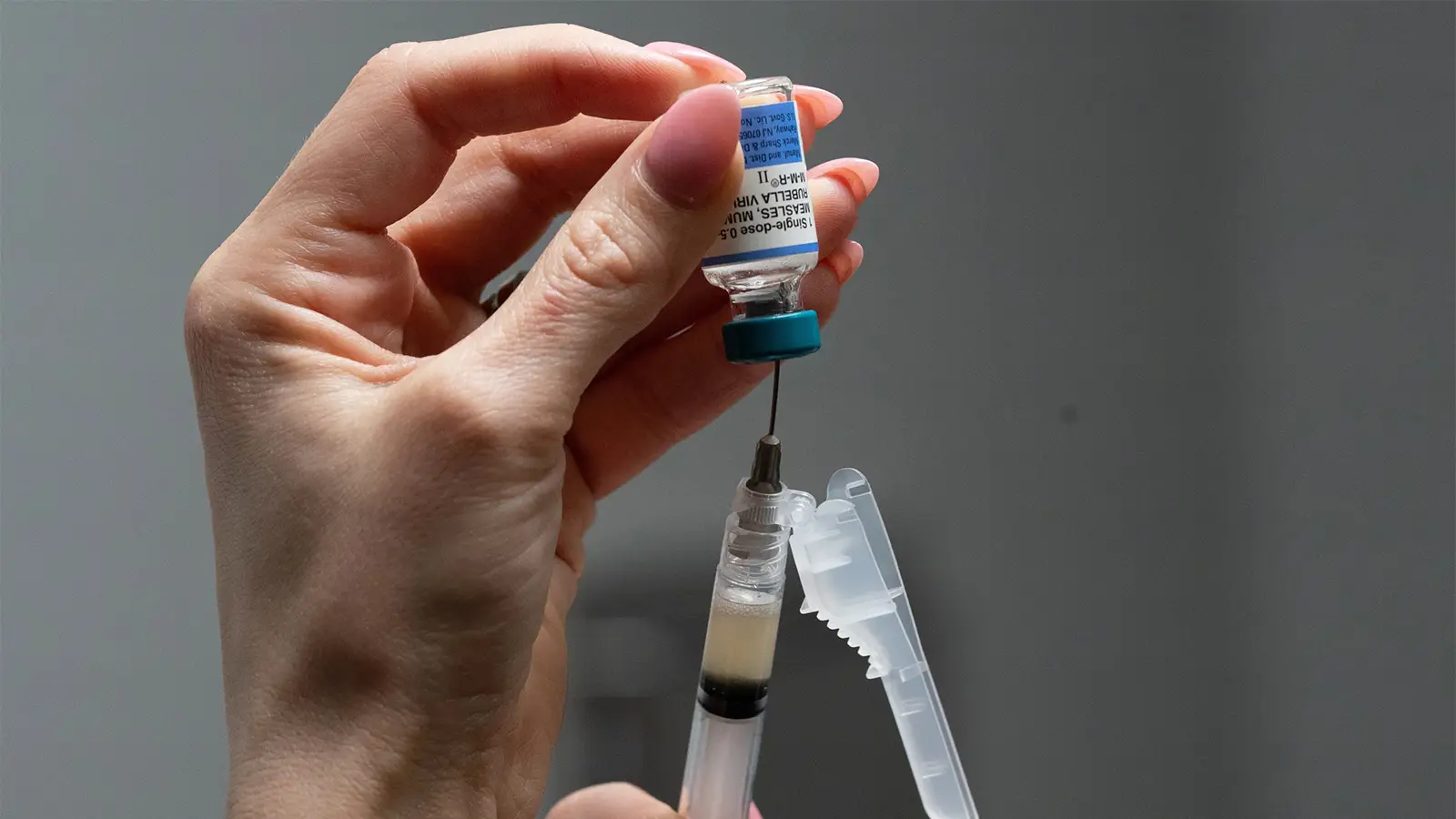
Kasey is seven weeks old tomorrow. Her parents keep a running list of the people she hasn't met: great-grandparents in the Midwest, family in Arizona, relatives who are sick and running out of time to fly. Measles is the reason.The official story in Utah is that the worst has passed. State guidance on the measles shot recently moved back to the usual 12 months, after a stretch of offering it early because spread had slowed. Utah's own weekly case count has fallen sharply since its March peak. The national count hasn't: it passed last year's full-year total this week and is still climbing.None of that changes the math in Abby Laskey and Liam Hammons' apartment in Mill Creek, just outside Salt Lake City. Kasey is too young for the MMR vaccine. The earliest she can get a dose is six months, and with Utah back to standard guidance, more likely a year. Until then she depends on the one thing measles is built to erase: everyone else's immunity.So her parents have rearranged their lives around a virus that's supposedly receding. No museums. No indoor public spaces. No flying. They're both vaccinated, both careful, both doing everything the system asks of them. And they still can't introduce their daughter to the people who most want to meet her. "There's not a guarantee," Abby told me, "that by the time she's fully vaccinated they'll be able to meet her at all."Then came the part I keep thinking about. To justify the caution to older relatives, they caught themselves borrowing authority from others. The pediatricians are really cautioning against travel, they'd say, reaching for the white coat to make the case. It made them uneasy. They were, said Liam, "offloading blame and caution onto systems that are already ... on the ropes … in the public perception." You can hear the grandparent's reply coming: those pediatricians are overreacting; when I was a kid, we all got measles. They didn't love making every pediatrician in Utah the reason a family stayed home.Vaccination used to spread the cost. Now it doesn't.Vaccination used to spread the cost of protection across everyone. When enough people are immune, a 6-week-old who can't be is covered anyway, for free, by the wall around her. That wall is what's thinning: national kindergarten MMR coverage has slipped from 95.2% five years ago to 92.5% last year, under the threshold epidemiologists use for herd protection. And when it thins, the cost doesn't disappear. It moves. It settles on the people with the least protection and the least to do with the problem: the immunocompromised, the newborns, and the parents now playing bouncer on their own maternity leave.Abby kept circling something they couldn't quite name: the scary stories, they said, of kids who "die of related things" years later. They're describing immune amnesia. Measles doesn't only make a child sick in the moment. It infects the immune cells that remember past infections and erases a chunk of that memory. In work led by the immunologist Dr. Michael Mina, the effect lined up with higher deaths from other infections for about 28 months afterward. A child can recover from measles and stay more vulnerable to everything else for two years. Dr. Paul Offit and New York Times writer David Wallace-Wells call the social version "cultural immune amnesia," our forgetting of what these diseases actually did. Both kinds are running at once.