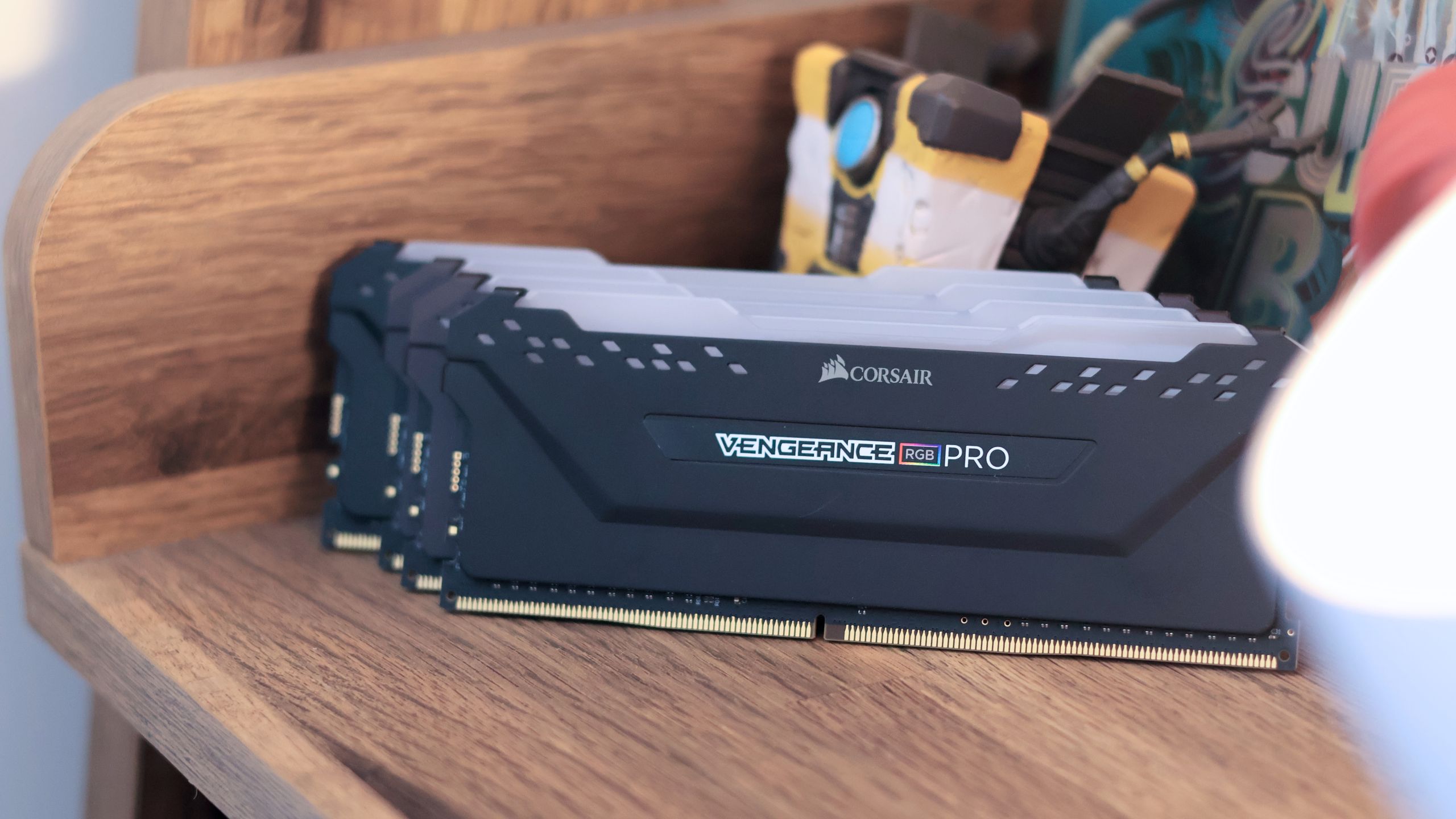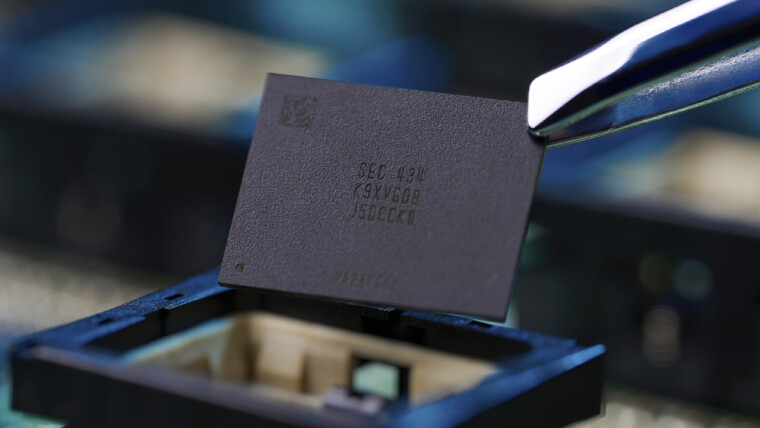
The AI-fueled memory shortage has already sent prices soaring for computers and video game consoles. Now, cars could be next. Automakers around the world are beginning to respond to rising memory costs and tightening supplies. Most recently, General Motors said in its second-quarter earnings report that it expects North American vehicle pricing to climb about 0.5% this year. Additionally, GM Chief Financial Officer Paul Jacobson also told investors this week that the company expects to face between $1.5 billion and $2 billion in commodity inflation headwinds this year, including higher DRAM costs. The comments came just weeks after GM and Ford separately signed long-term supply agreements with Micron to secure memory and storage components for future vehicles. The deals are meant to strengthen their supply chains just as AI data centers consume an increasingly large share of the world’s memory production. Tom’s Hardware reported earlier this year that huge data center projects like OpenAI’s Stargate are calling for hundreds of thousands more DRAM wafers per month, amounting to roughly 40% of global DRAM output.
In response to increased demand from AI companies, memory makers like SK Hynix, Samsung, and Micron have increasingly prioritized data center customers over consumer electronics companies. Micron even decided to wind down its consumer business brand, Crucial, to focus on data center demand.