The deployment race for industrial artificial intelligence (AI) in the energy sector is on, and the United States has roughly twenty-four months to set the standards that will create technological and commercial dependencies for the next decade or longer.
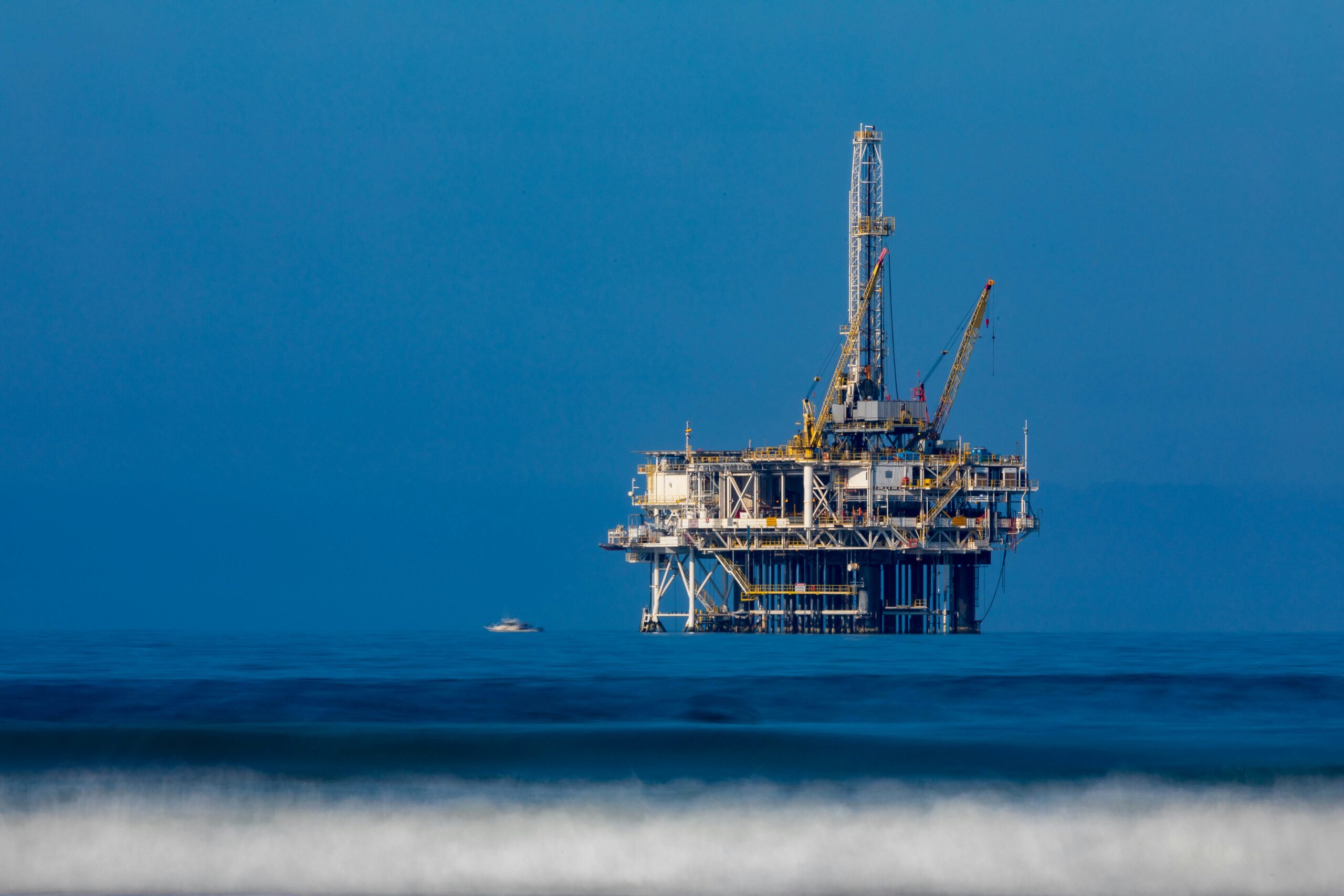
AI architectural decisions are already yielding real world results, according to energy companies.* In Saudi Arabia’s Khurais oil field, artificial intelligence is processing data from more than 40,000 sensors in real time and adjusting production without a human in the loop. The same architecture is running on Shell’s deepwater platforms, at SLB’s autonomous drilling operations offshore from Brazil, and across ADNOC’s refineries in Abu Dhabi.
This architecture lives in the interfaces that connect the layers of AI—and whoever defines how those three layers talk to each other will set the standard that many in the global energy industry will follow.
From isolated tasks to integrated systems
What separates the operators capturing this value from the rest is not more AI pilots. For a decade, companies have run AI as a catalog of dozens of discrete “use cases.” The approach felt rigorous but has become the industry’s largest source of stranded AI capital: a 2025 study of enterprise AI found that 95 percent of pilots deliver no measurable return, diagnosing the failure as one of workflow integration, not technology. Leaders do the opposite: they reinvent entire workflows as integrated systems, from the drilling decision loop, to pipeline integrity, to grid dispatch. The unit of transformation is the workflow, not the task.