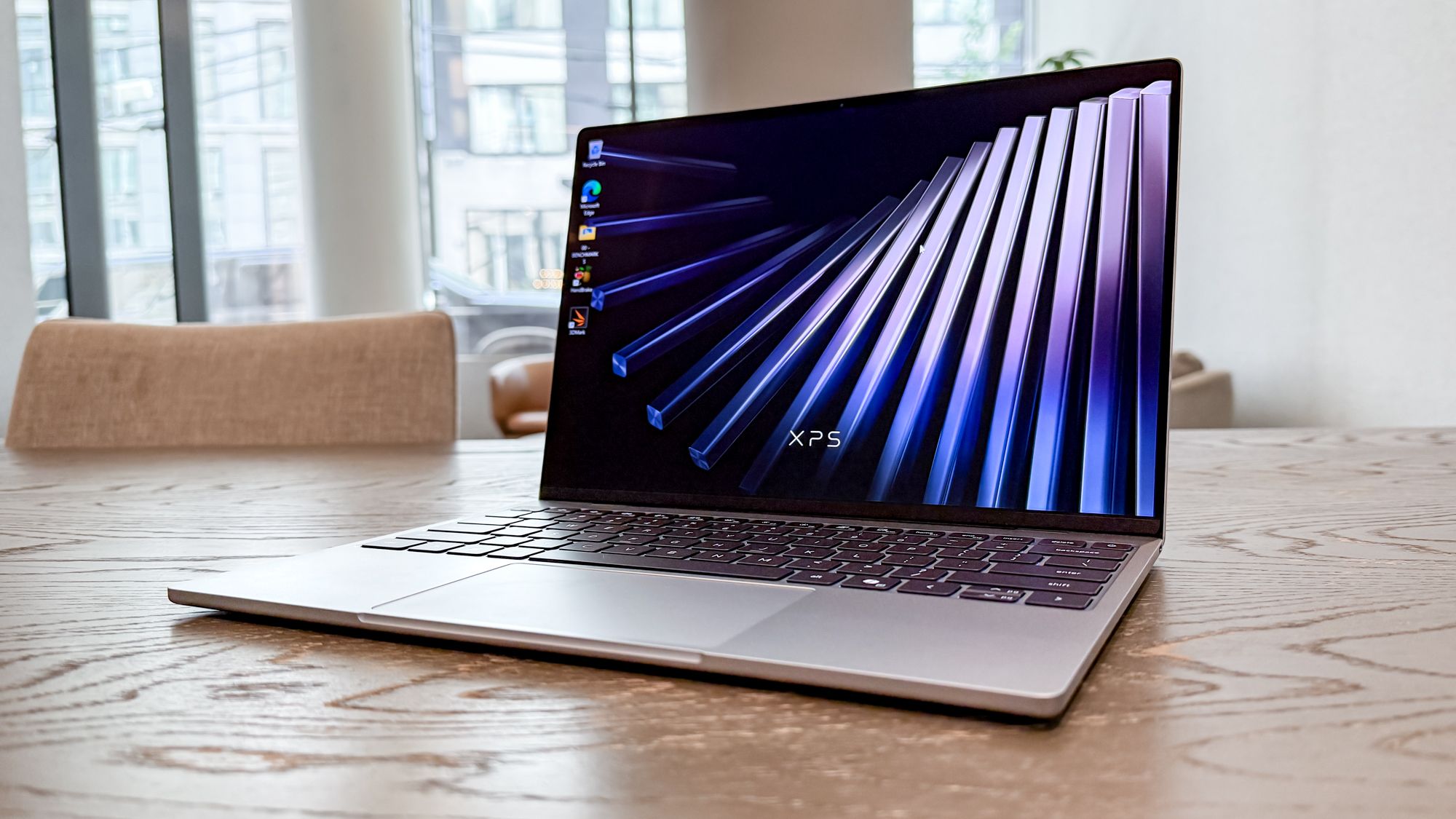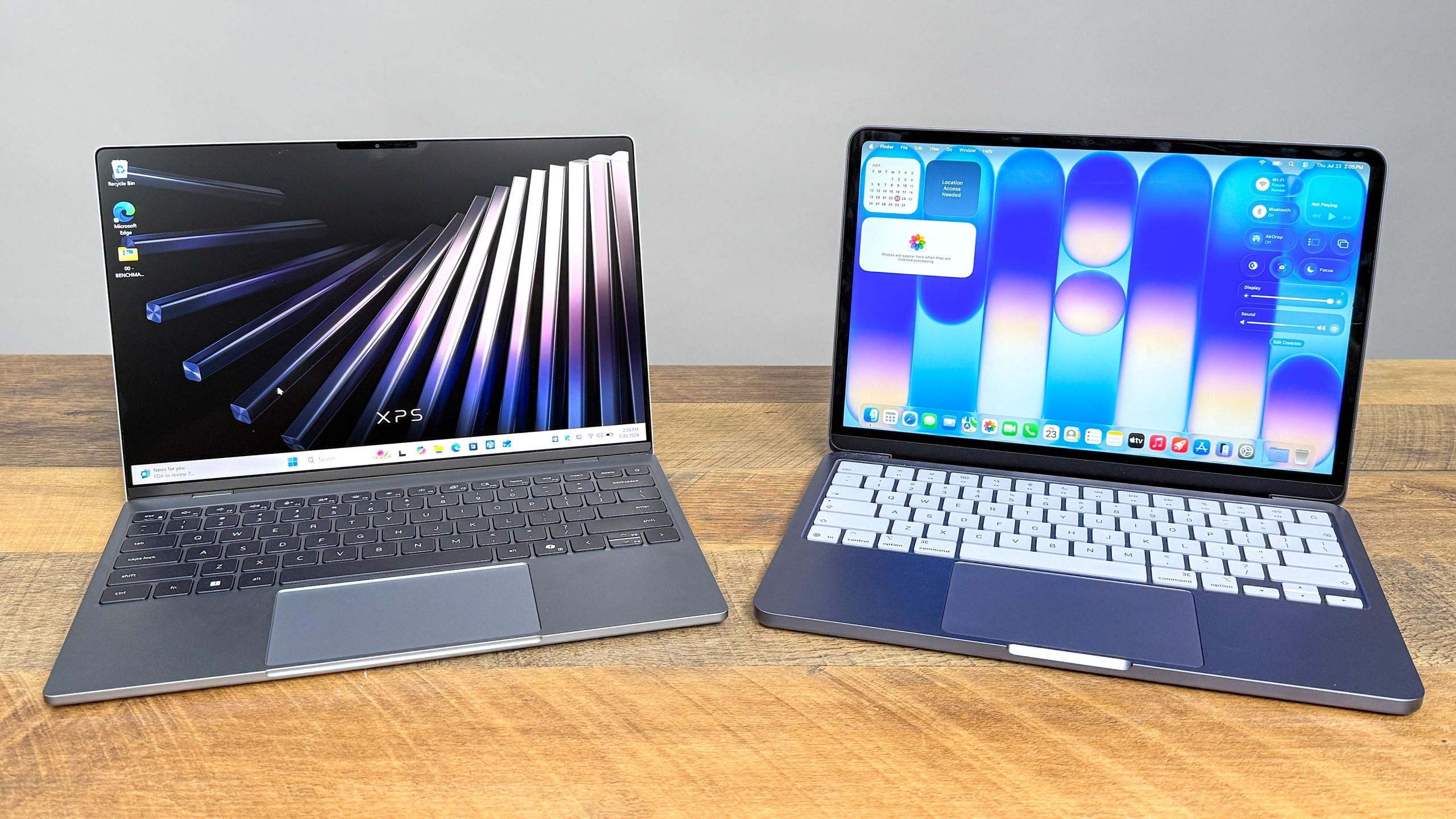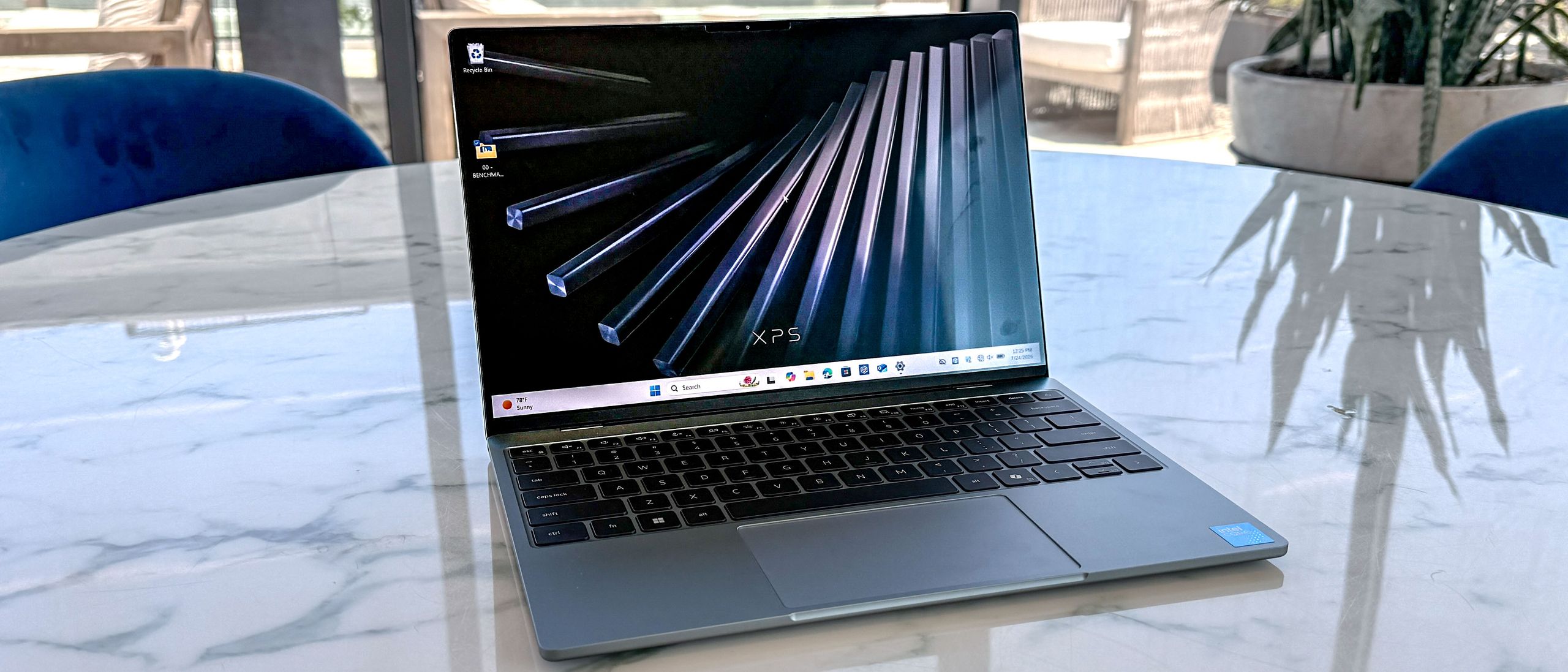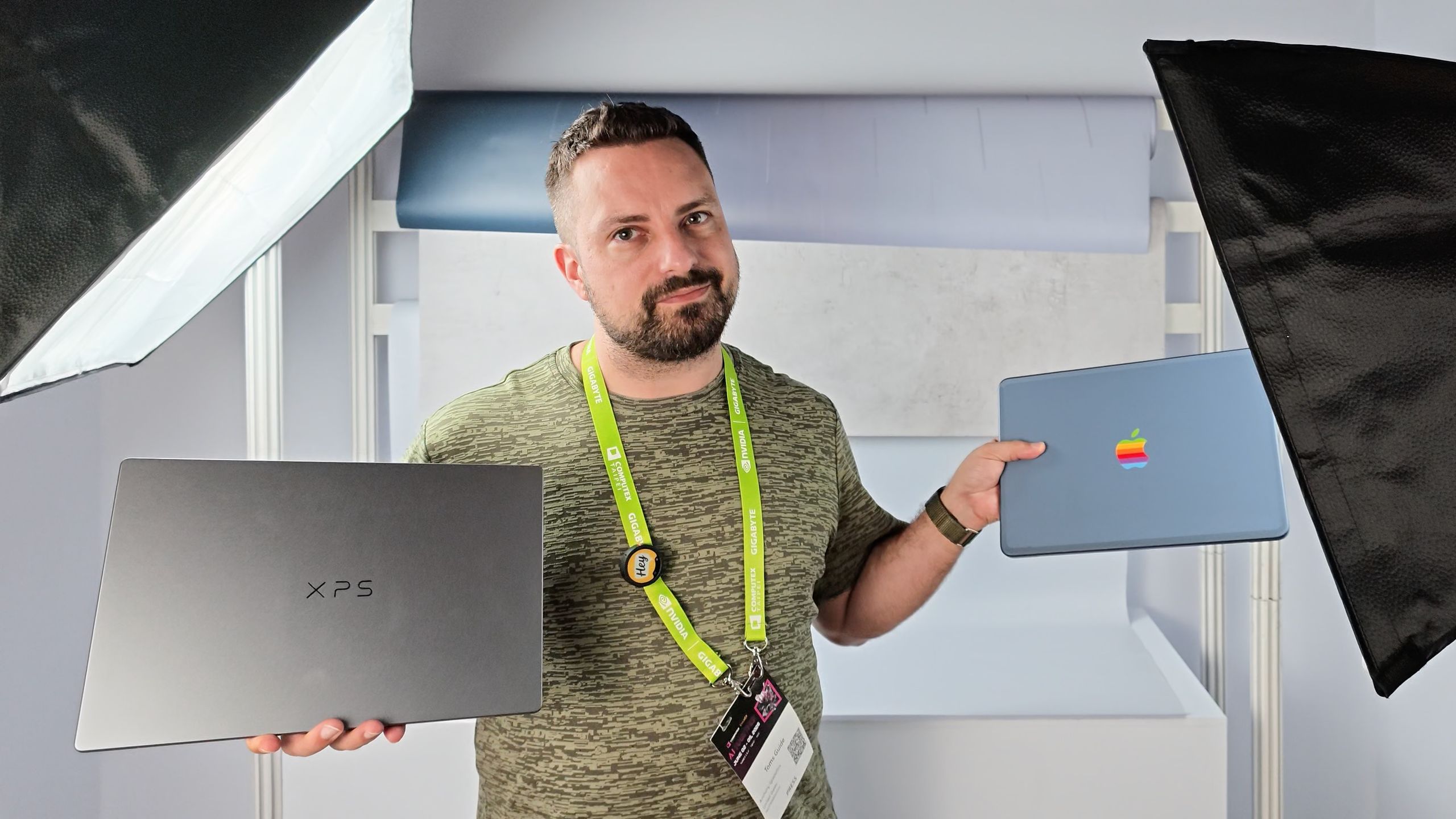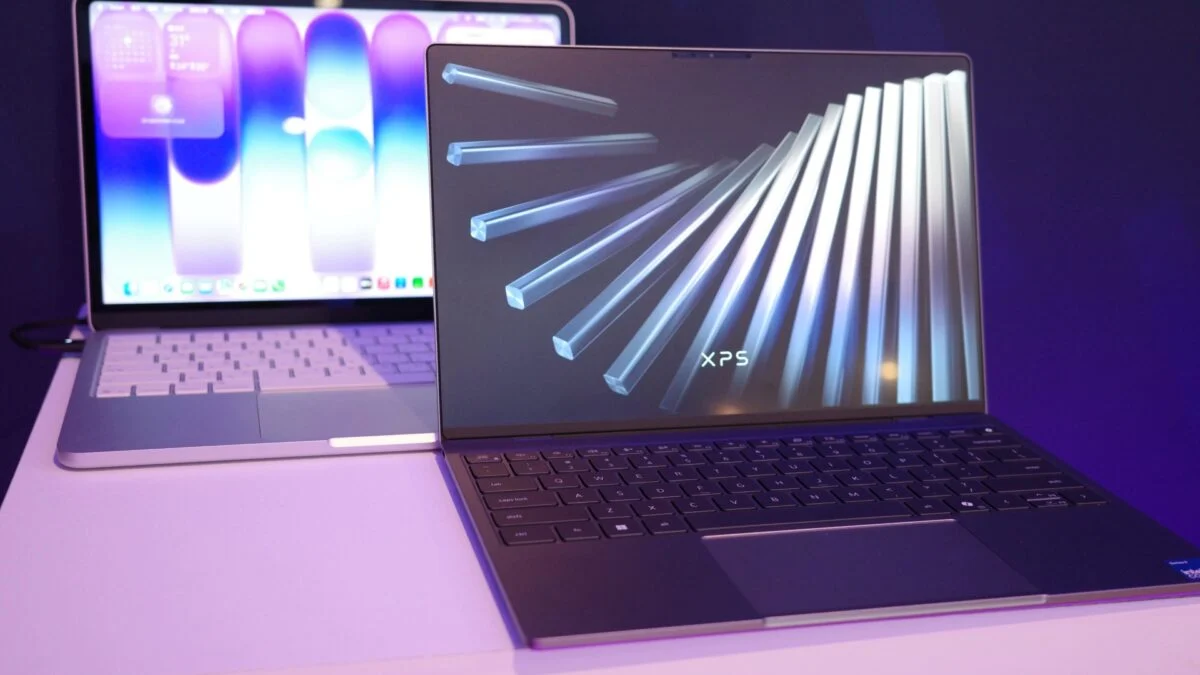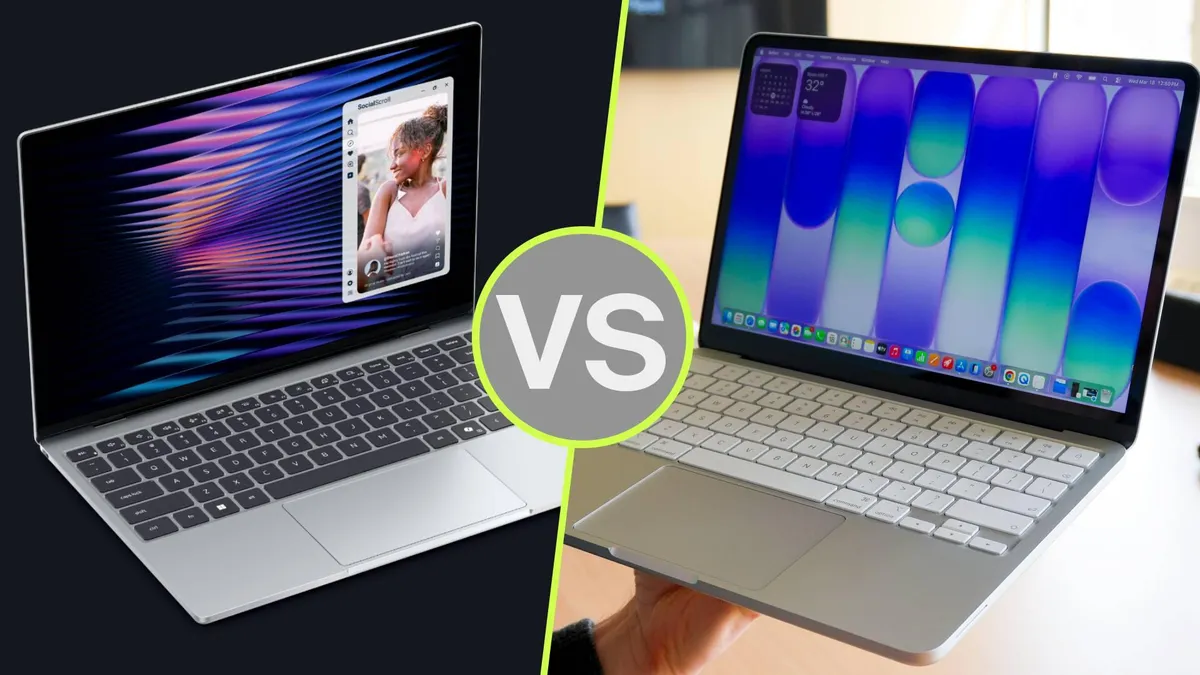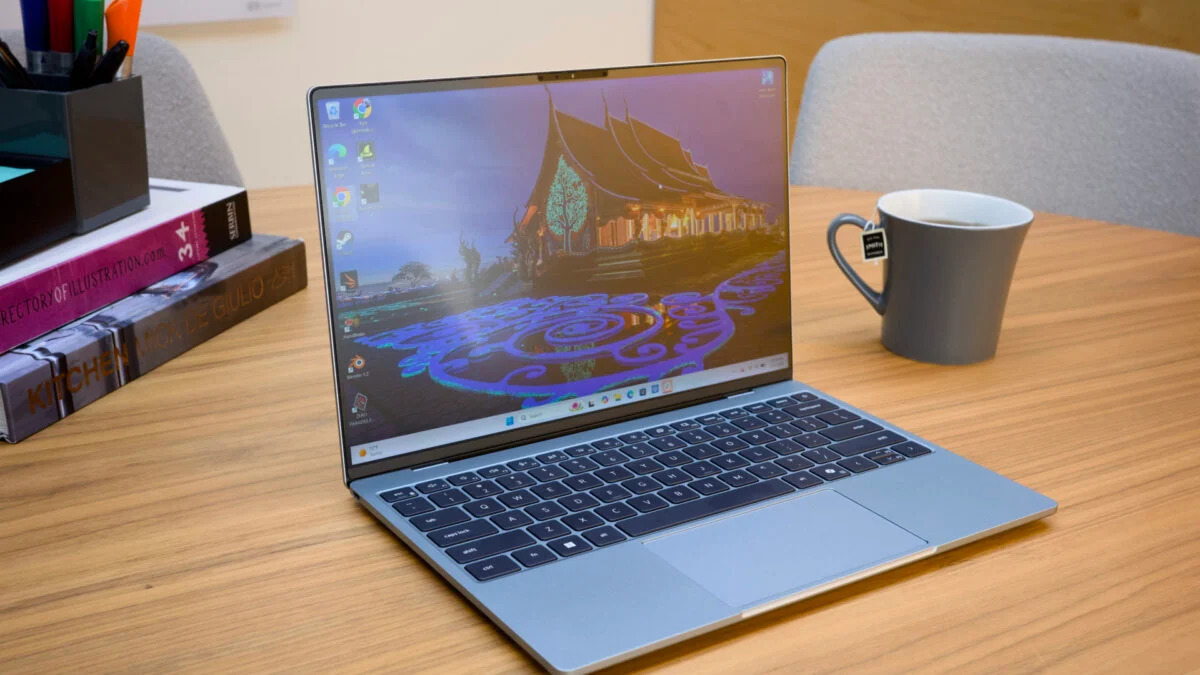
Dell, you mad geniuses, you actually did it. The latest rendition of the XPS 13 is a wonderful little PC for the masses. It’s the kind of notebook that once and for all proves laptop makers don’t need to cheap out by creating flimsy pieces of silicon sandwiched between two Fisher-Price plastic covers to keep prices down. The $900 XPS 13 model ($800 with a student discount) with 16GB of RAM offers everything you need for basic browsing or light editing tasks. It would be the perfect PC for my typical daily grind if it weren’t for a bare few flaws. If that’s all you needed to know, go ahead and skip the rest of this review. 4 Dell XPS 13 (2026) Dell has boiled a laptop down to its basic parts and offers a slim, efficient machine that feels better than its price suggests. Pros Bright touchscreen Solid aluminum build quality Quality keyboard Loud, quality speakers Enough performance for basic tasks Cons Trackpad is less than premium GPU performance is subpar Lack of headphone jack $200 on top of 8GB model Here’s where things get complicated. I know that, for many of you, all you want to know is how the Dell XPS 13 compares to Apple’s landmark $700 MacBook Neo (it costs more than at launch after recent price hikes). Calm yourself, good sir or madam. The answer you’re looking for is way more complicated than can be put down in a single paragraph. Dell’s pint-sized PC is in some ways superior to Apple’s low-cost MacBook—sound quality, girth, and screen specs, to name a few. In other ways, the XPS 13 is an imitation that misses the mark in two key areas: the trackpad and in peak performance. There are other factors at play. The most-affordable $700 model of the XPS 13 comes with only 8GB of RAM. There is enough evidence that shows 8GB is not enough to run Windows 11 with a bare minimum number of apps for a regular workday. The 16GB model and its base-level Intel Wildcat Lake chip don’t beat the performance of a MacBook Neo, either, despite the Apple’s cheap laptop making use of just 8GB of unified memory (this shares the memory pool on the laptop between the various components, normally making the PC run more efficiently).
Dell XPS 13 (2026) Review: Truly the MacBook Neo of PCs
Finally, cheap PCs don’t have to feel like plastic crap.
2,687 words~12 min read