by Molly Just-Behr
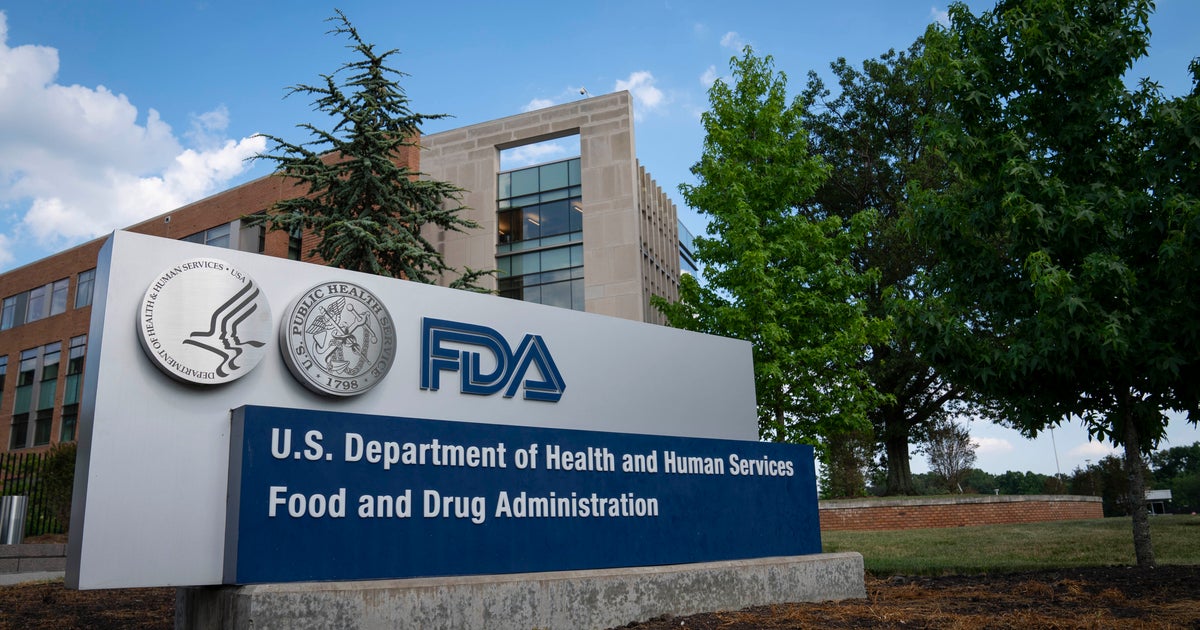
Almost every American interacts with the FDA before breakfast. The agency regulates the food we eat, the medicine we take, and the medical devices we rely on. Every 20 cents spent by a US consumer touches something the FDA oversees. Behind that trust is an extraordinary volume of data: a petabyte of documents, hundreds of gigabytes arriving daily, thousands of regulatory submissions flowing in every month across eight centers responsible for drugs, biologics, devices, veterinary medicine, tobacco products, food safety, and inspections. To keep pace with that demand, the FDA's Office of Digital Transformation has built ELSA, a generative AI platform available to all 16,000 FDA staff, and Halo, the governed data foundation underneath it, which runs on Databricks.
The FDA's organizational structure reflects the breadth of its mandate. CDER handles drugs. CBER covers biologics. CDRH oversees devices. Each center, along with those covering veterinary medicine, tobacco, inspections, and food safety, had built its own AI capabilities independently. Separate chatbots, separate data stores, significant cost duplication, and no unified picture of the data needed to power AI effectively.