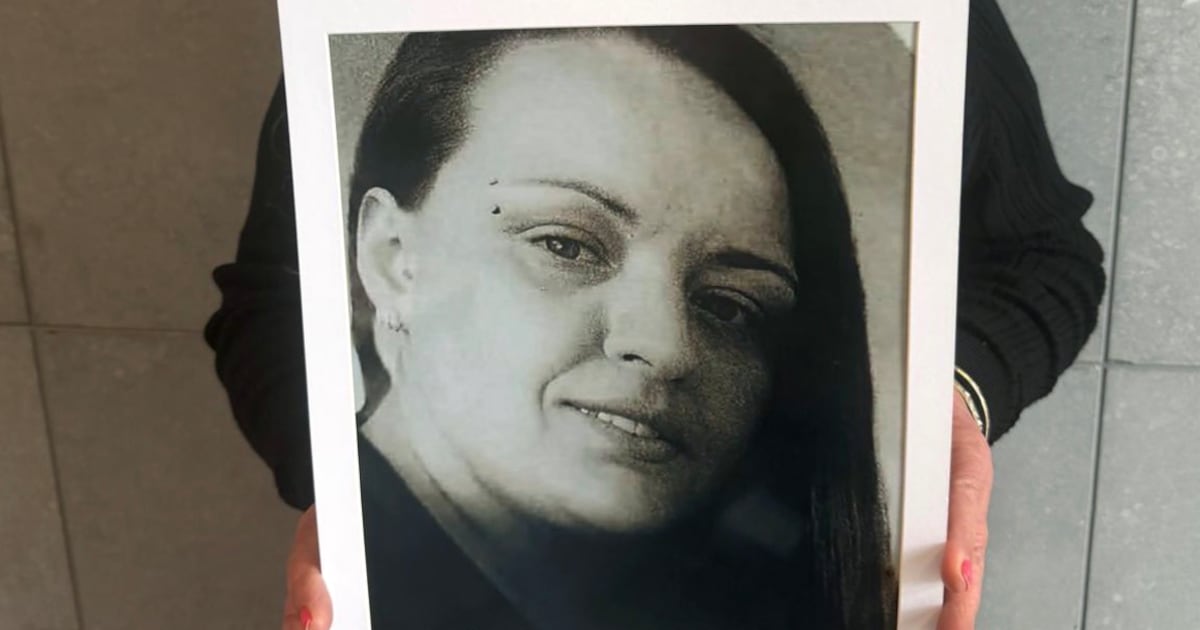
The blood alcohol level of a woman pronounced dead at her partner’s house was not a contributory factor in her death, the trial of the man accused of her murder has head.Gillian Curran (47) was found unresponsive at the house of her partner, Marcus O’Neill, at O’Brien Street in Waterford on the morning of January 25th, 2025, when the emergency services were alerted by O’Neill. She was subsequently pronounced dead at the scene.O’Neill has denied the murder of his partner.On Thursday at his trial at the Central Criminal Court in Waterford, the State Pathologist Dr Heidi Okkers said toxicology tests had found that Curran, who was a chronic alcohol user, had a blood alcohol concentration of 309mg per 100ml, over six times the legal driving limit but below the toxic level. While it may have affected her responses, it was not a contributory factor in her death.Head and abdominal injuries suffered by a woman who was pronounced dead at her partner’s house could only have been caused by direct trauma impacts such as punches or kicks, the trial of the man accused of her murder has heard.Okkers gave evidence of 143 external bruise and abrasion injuries as well as more than 20 internal injuries she found at postmortem on January 26th, 2025.Okkers told prosecution counsel Conor O’Doherty that among the internal injuries she found Curran had suffered was a diffuse full thickness bruise to her scalp, which extended all over the scalp and was deep in nature.She said it had resulted from blunt force trauma impacts from either punches or kicks to the head and could not have resulted from a fall or falls, as falling gives a localised bruise injury.She found that the dead woman’s brain was swollen diffusely. Further specialist examination by neuropathologist Dr Francesca Brett had confirmed Curran had suffered extensive contusions and axonal injuries, where nerve fibres in her brain had torn.Such injuries resulted from the brain moving within the skull. This was due to traumatic blunt force trauma and not normally associated with a fall where there was no evidence of a skull or cervical spine fracture.Defence counsel Roisin Lacey in cross-examining Okkers outlined O’Neill’s account to gardaí of what happened his partner after she had consumed vodka at his home on the evening of January 24th, 2025.She said O’Neill told gardaí Curran had fallen straight on to the kitchen table and banged her face and the same happened again before he brought her upstairs. Curran again fell going up the stairs and then fell a fourth time after O’Neill put to her bed and he didn’t know what happened her after that, the court was told.Lacey said that O’Neill woke up the following morning and found Curran naked at the bottom of the stairs, so he brought her across the diningroom to a couch where he dressed her before ringing the emergency services.Okkers agreed with Lacey that many of the injuries to Curran’s arms, legs and back may have resulted from falls either on her own or while O’Neill was trying to bring her upstairs and put her to bed, but she reiterated Curran’s head and abdominal injuries could not have been sustained in falls.
Gillian Curran’s blood alcohol level not a contributory factor in her death, trial hears
Woman (47) was found unresponsive at the house of her partner Marcus O’Neill in Waterford in 2025
531 words~2 min read