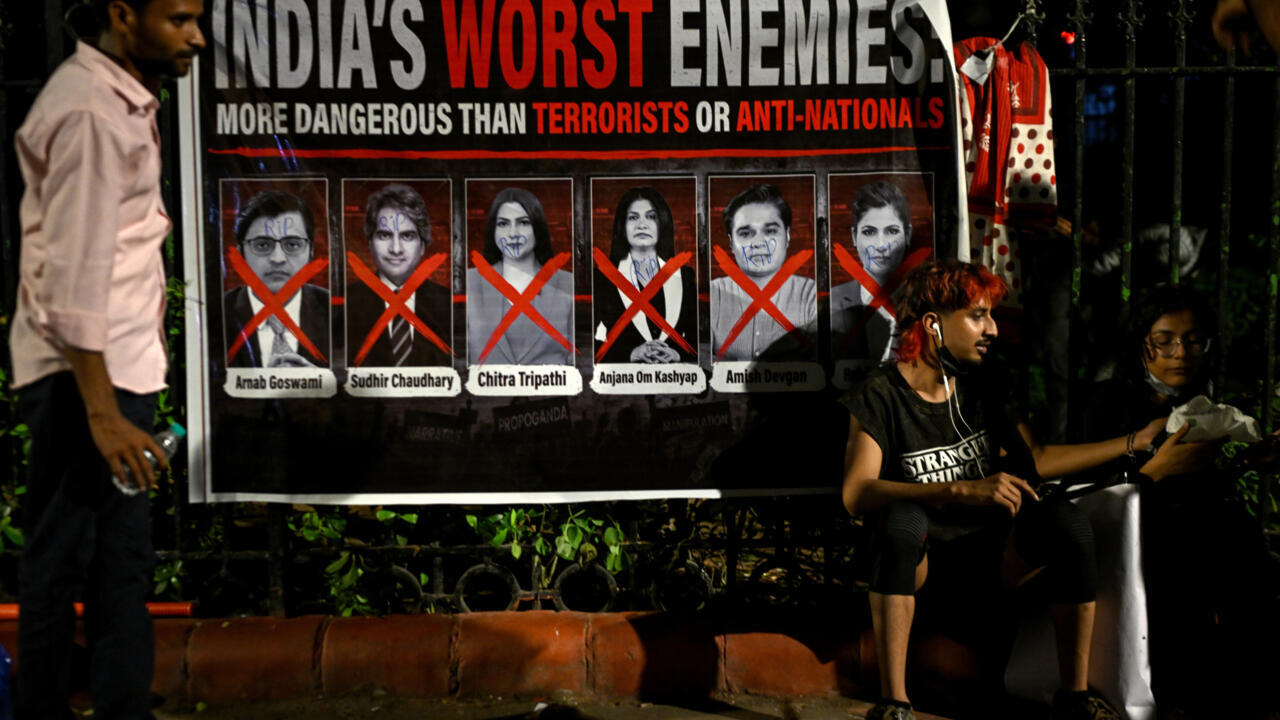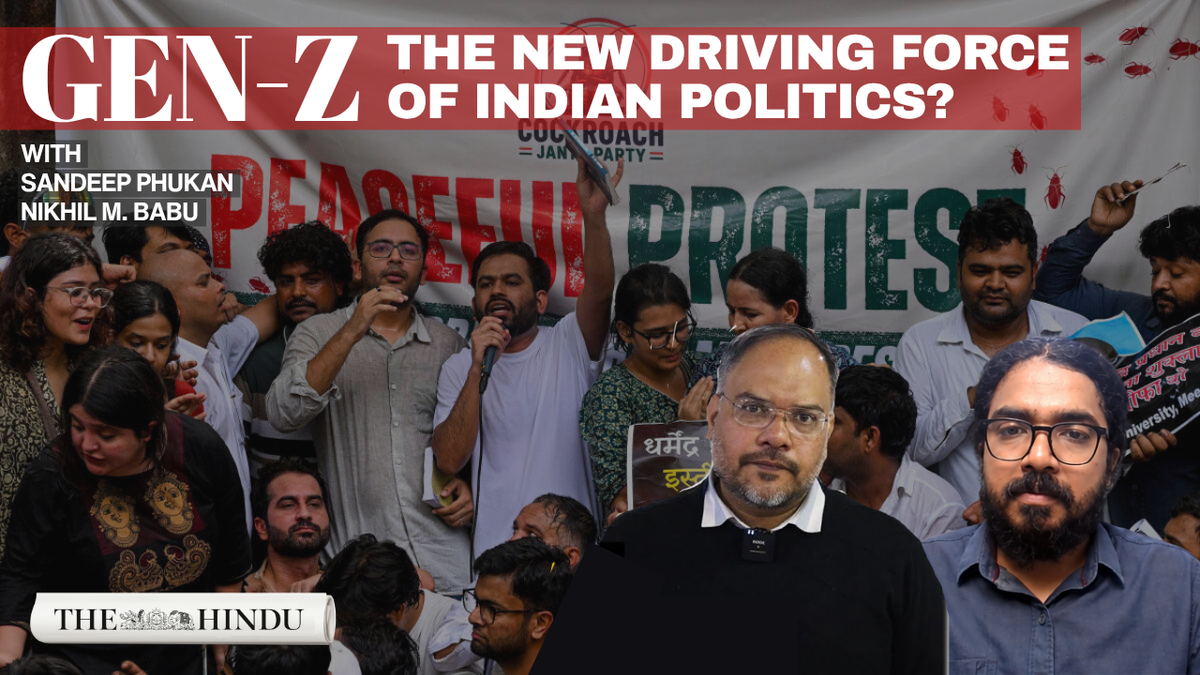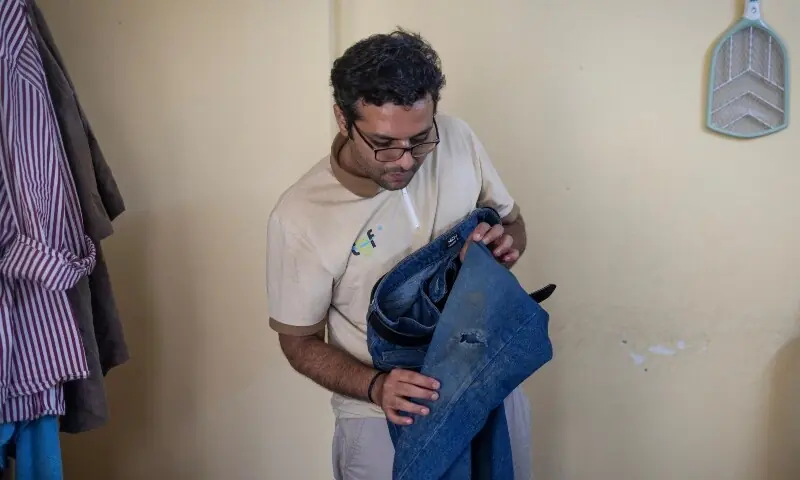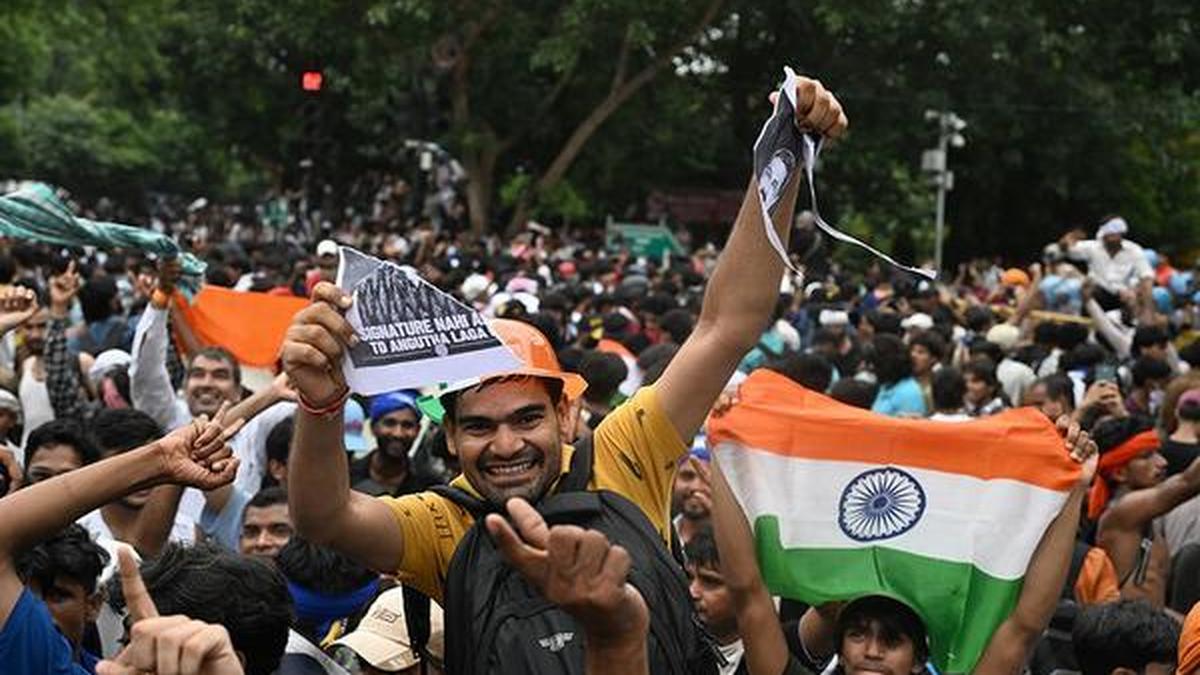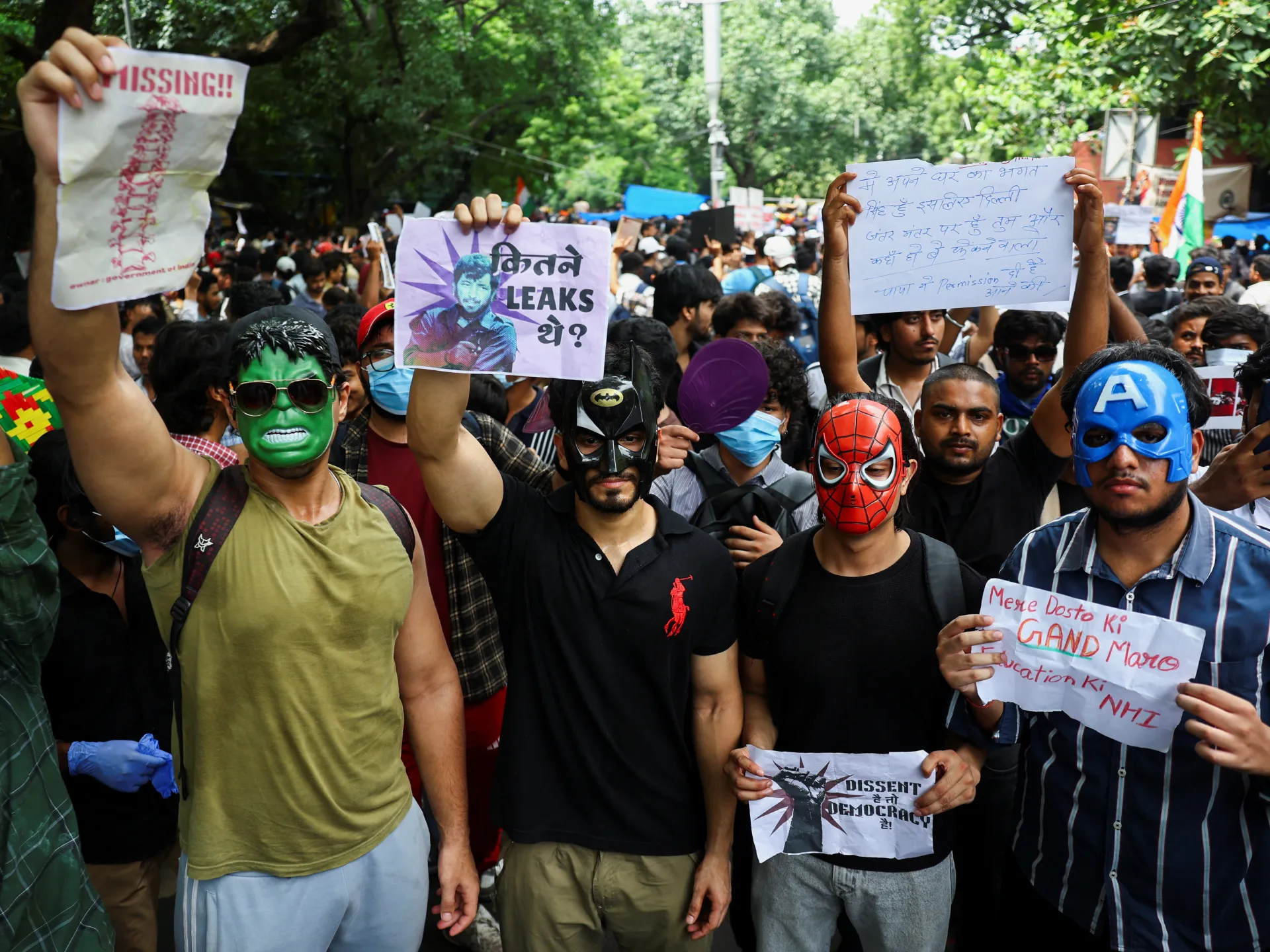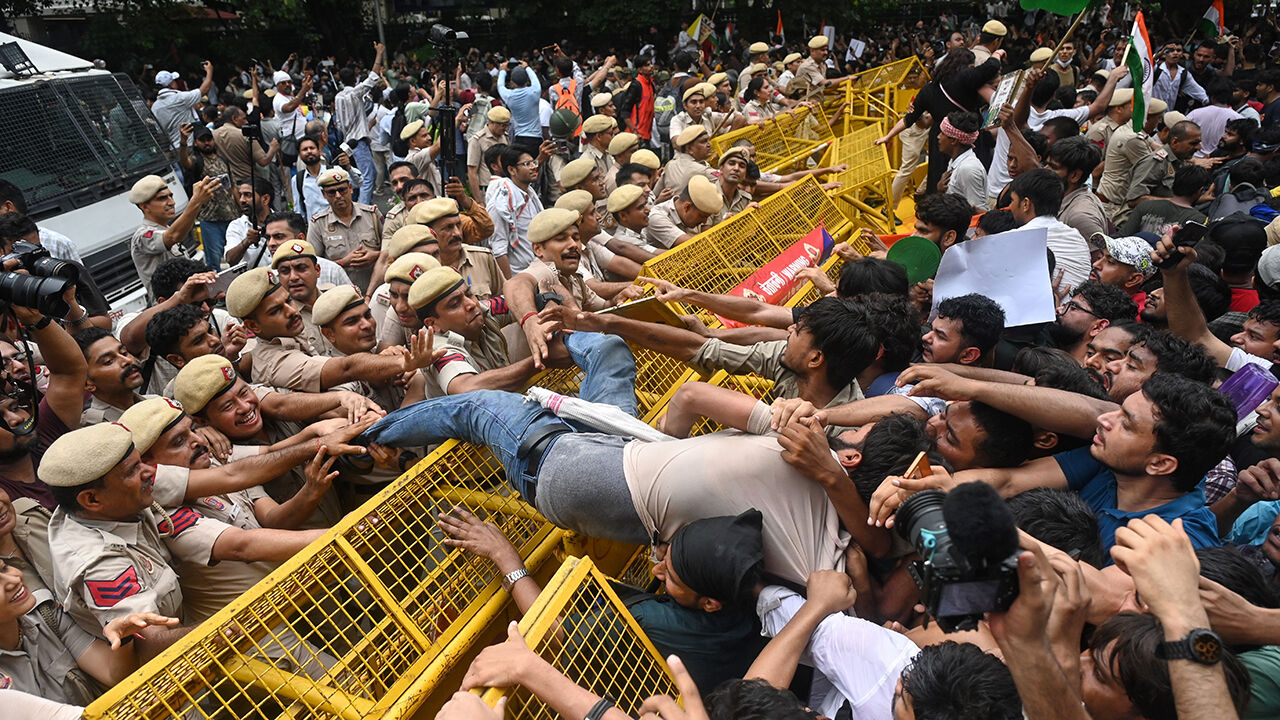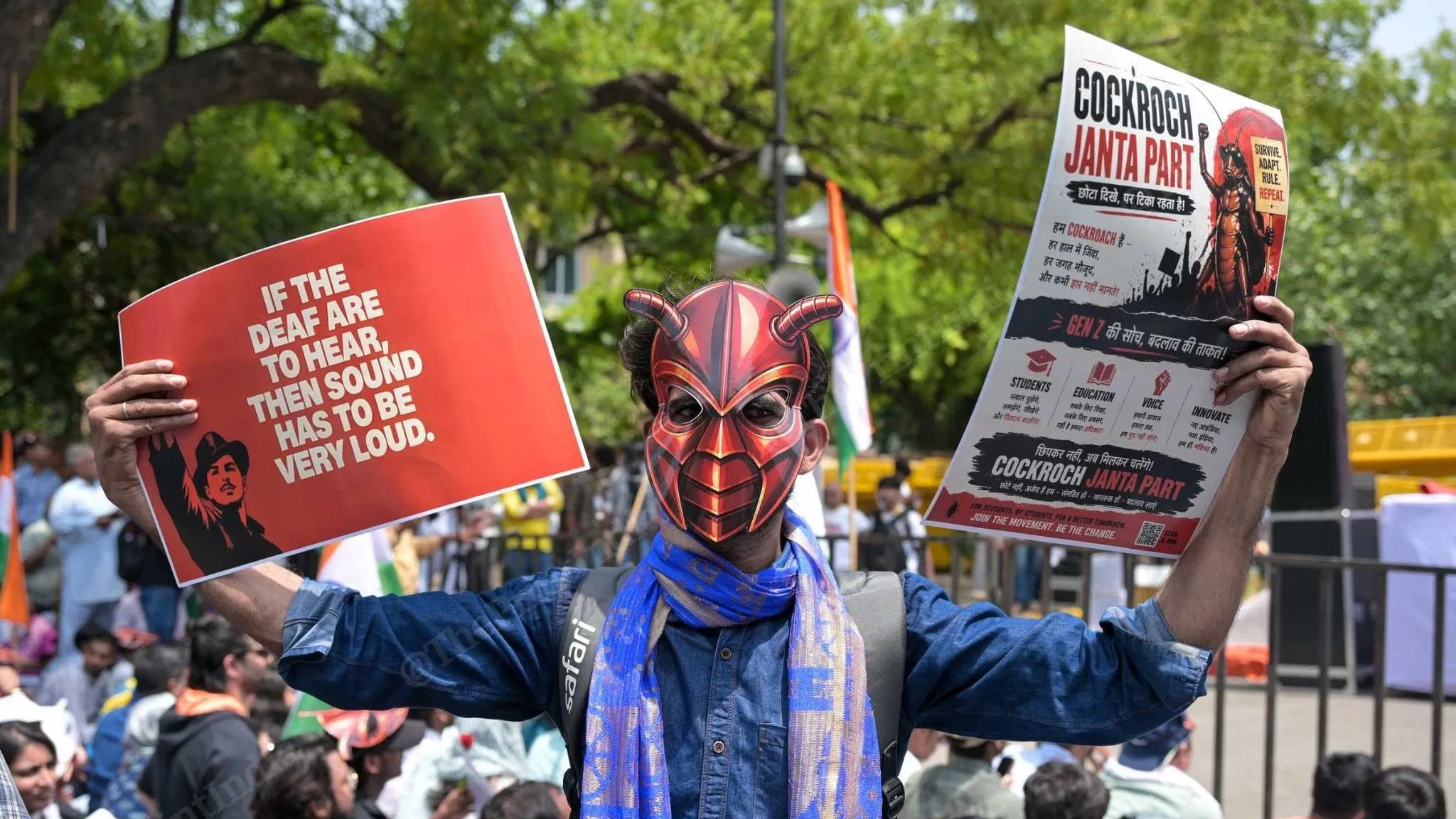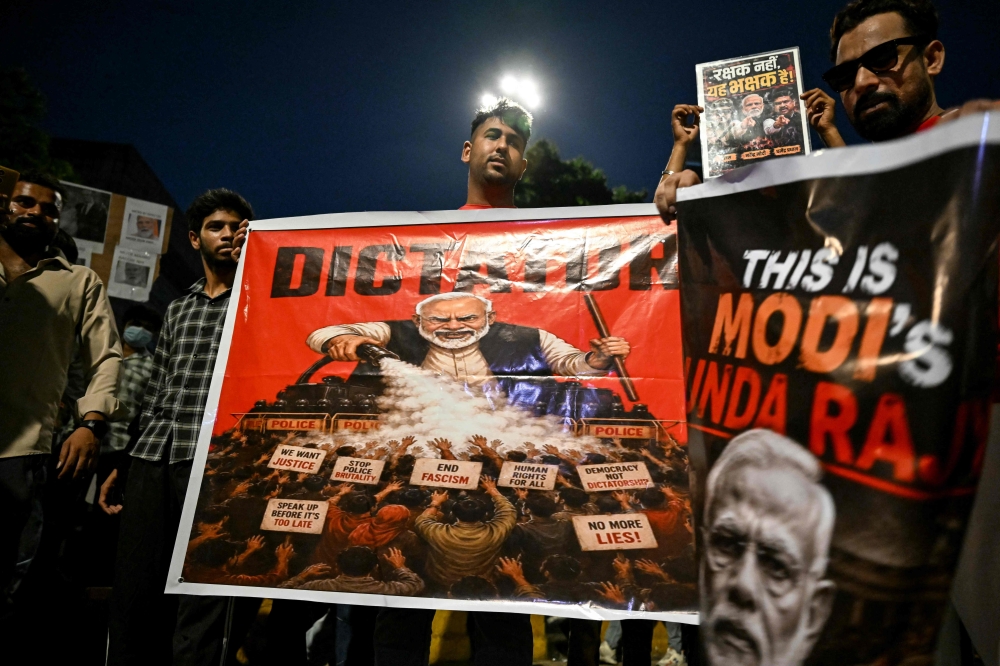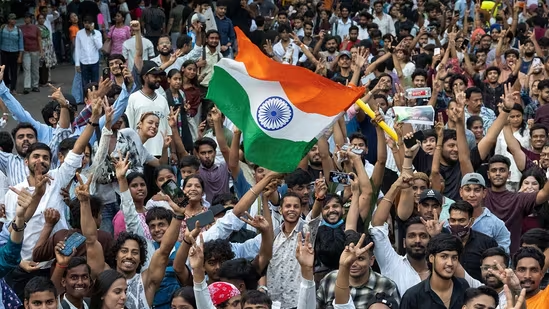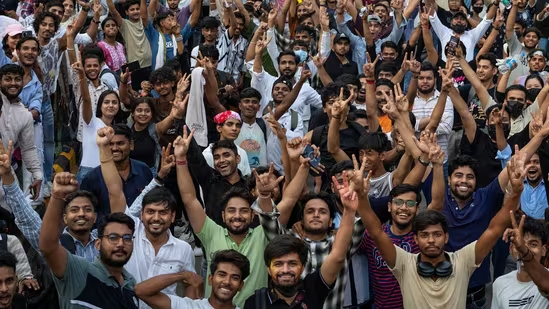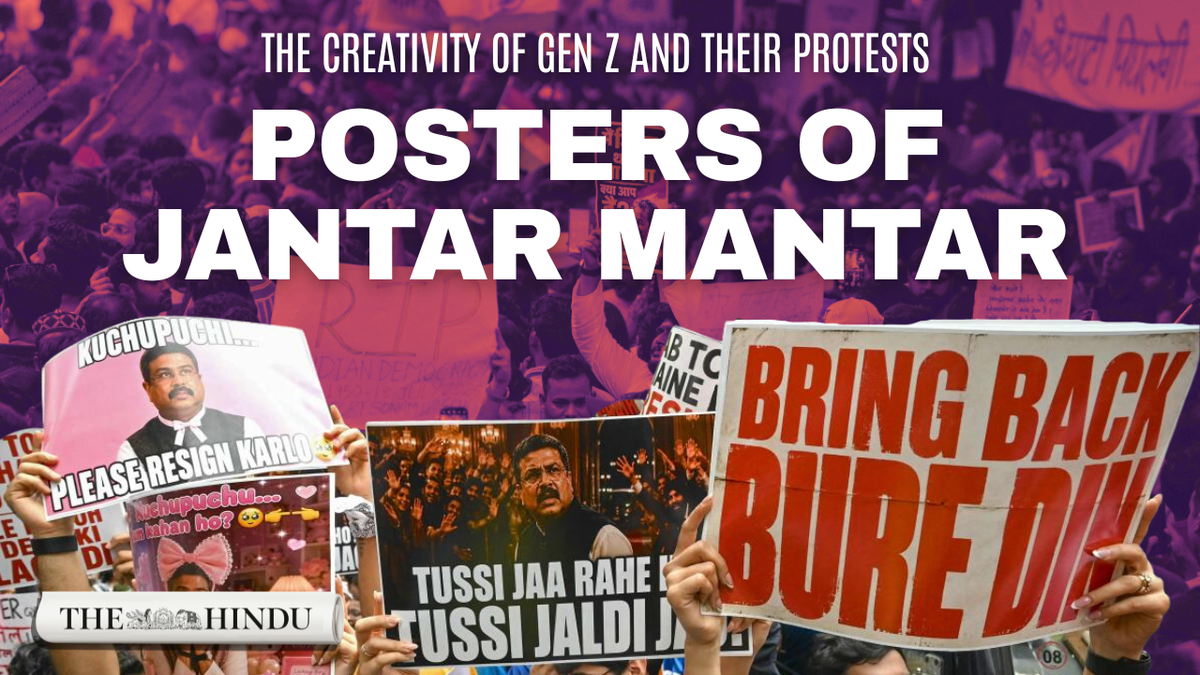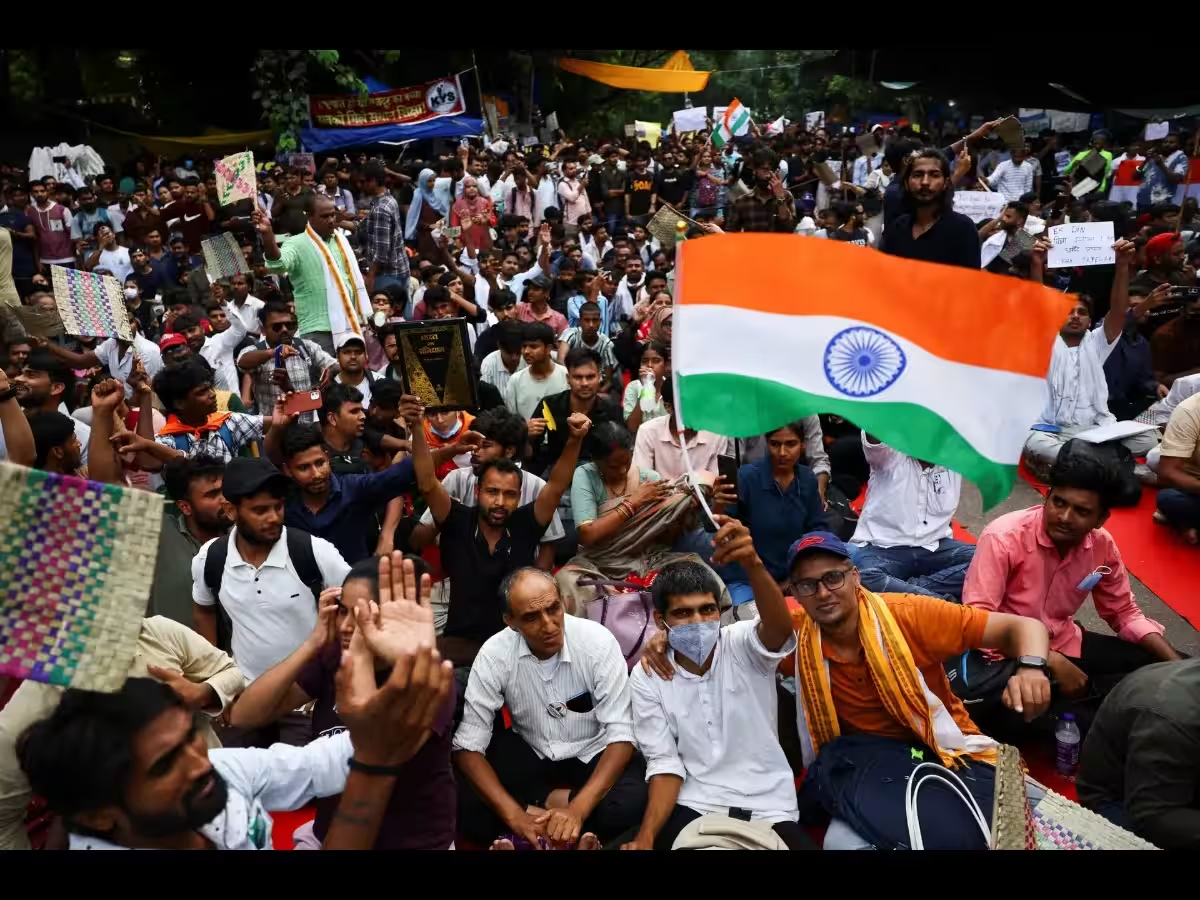
At one moment during the protests at Jantar Mantar this week, a legacy television media journalist, holding a red mic flag, was conducting an interview, when a bunch of protesters surrounded her and began to clap. Although the journalist peddled her dummy questions, shrill cries of ‘godi media’ left her inaudible. And red-faced.Throughout these protests, independent media and brave citizen journalists denounced, or countered, the work of traditional media houses. In his 1922 book, Public Opinion, journalist Walter Lippmann coined the phrase ‘manufacture of consent’. Here, he feared that a public could never see the real world only via images handed to it by a media gatekeeper who stood between the citizen and an event.Later, Edward Herman and Noam Chomsky, writing their 1988 book, Manufacturing Consent: The Political Economy of the Mass Media, out of Cold War newsrooms, described the many filters through which this manufacture pans out: ownership, advertising, fear of retaliation.No government openly sends out a memo telling an editorial board to paint protests in an unfavourable light. But if you don’t, it has ways. Most recently, Shekhar Suman’s late-night stand-up — perhaps too funny, too clever and too grown-up to properly survive primetime — felt the full brunt of this when Enforcement Directorate raided the show’s producer. Criticise us, and we’ll bury you in paperwork and expensive litigation. The legal process, as Arundhati Roy summarised, is the punishment.But that’s the energising, inspiring aspect about the current student protests where events have been unfolding in a meta way. On one side, a sham journalist talks to planted interviewees, while young protesters use their phones to expose the fake narratives by speaking alongside, or even over them. It’s a bit like watching a play rehearsal where actors fluff up their movements, but then a director rushes to rein them in. Here, the actors are a media establishment, and the directors are this nation’s students, smart enough to cotton on that bullshit belongs in the delete folder.Gatekeeping theory — the old newsroom idea, harking back to social psychologist Kurt Lewin and journalism professor David Manning White — is that a story passes through several human ‘gates’ to become news. The theory assumes the gates could not be walked around. But Jantar Mantar showed us that gates can be broken down. A generation of proud cockroaches, raised on the reel, does not wait for permission to be informed. It self-publishes the fact that the internet has been blocked to keep out of digital sight the swelling numbers of protesters.And what does the government fear? Studies by scholars like political scientist Erica Chenoweth show it takes around 3.5% of a population to protest to bring down an administration. See Nepal, see Syria. In India, that number is so large and so overwhelming that it would burst Delhi at its seams, never mind Jantar Mantar. In addition to exposing legacy media, citizen broadcasters took actual media clips from news channels and deconstructed the implausibility of their content: AI-generated narratives, fake events.… They pre-empted narratives by predicting how they would unravel in real time.Trucks filled with stones were shown well in advance with subtext questions even bipartisan media would find difficult to ask aloud. Who had loaded the stones? Was it to toss at Delhi Police so it might seem a mob were attacking the cops? On the ground, they confronted the police — why no name badges? Which officer slapped a girl? Who broke the senior citizen’s shoulder? To be fair, fabrications moved online in both directions: an invented quote here, a doctored context there, each side accusing the other of paid amplification. Sociologist Manuel Castells called networked movements ‘spaces of autonomy’. But autonomy is not the same as accuracy.The cockroach does not automatically tell the truth simply because it crawled out from under the boot of the establishment. At one point, an independent journalist asking all the right questions was herself labelled ‘godi media’. In turn, she could only laugh.Still, something real has shifted. For the first time in my professional memory, people historically spoken about by media — assumed too young, too fringe or too poor to hold an opinion — turned around and edited the editors, in public, on camera, in real time. They weren’t hanging around for the Editors Guild to issue a genteel statement. They did not wait for a columnist to arrive with a sensitively-worded paragraph from the safety of a paper perch.Their agenda was simpler: we saw what you did not show us, and now we’re telling everyone. Our students on the streets remind us in traditional media that there has never been a better time to speak up.(Disclaimer: The opinions expressed in this column are that of the writer. The facts and opinions expressed here do not reflect the views of www.economictimes.com.)
Cut through the BS chase: A generation with phones refuses to let media tell their story alone - The Economic Times
The student movement at Jantar Mantar reflects a broader shift where younger generations no longer rely on legacy media to shape public opinion, instead actively questioning and even confronting it. While this new form of decentralised, participatory media brings greater autonomy and visibility to dissent, it also carries risks of misinformation. Overall, the protests signal a significant change in how narratives are created, contested and consumed in India.
797 words~4 min read