Table of Contents
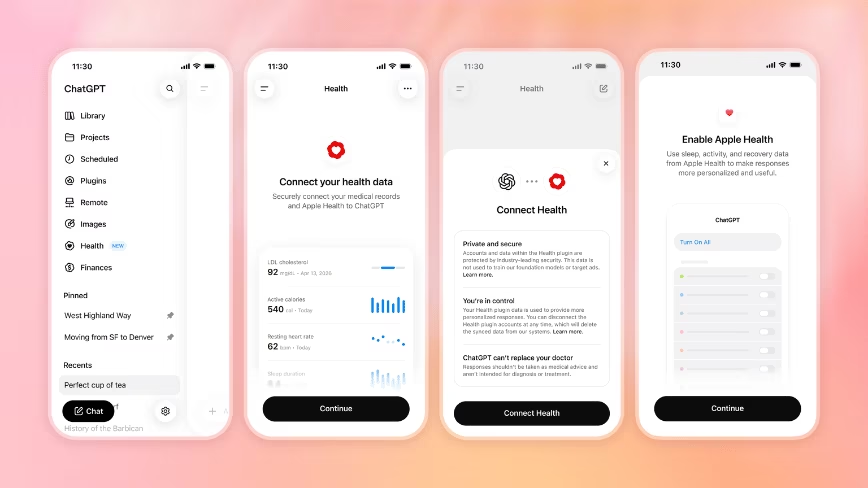
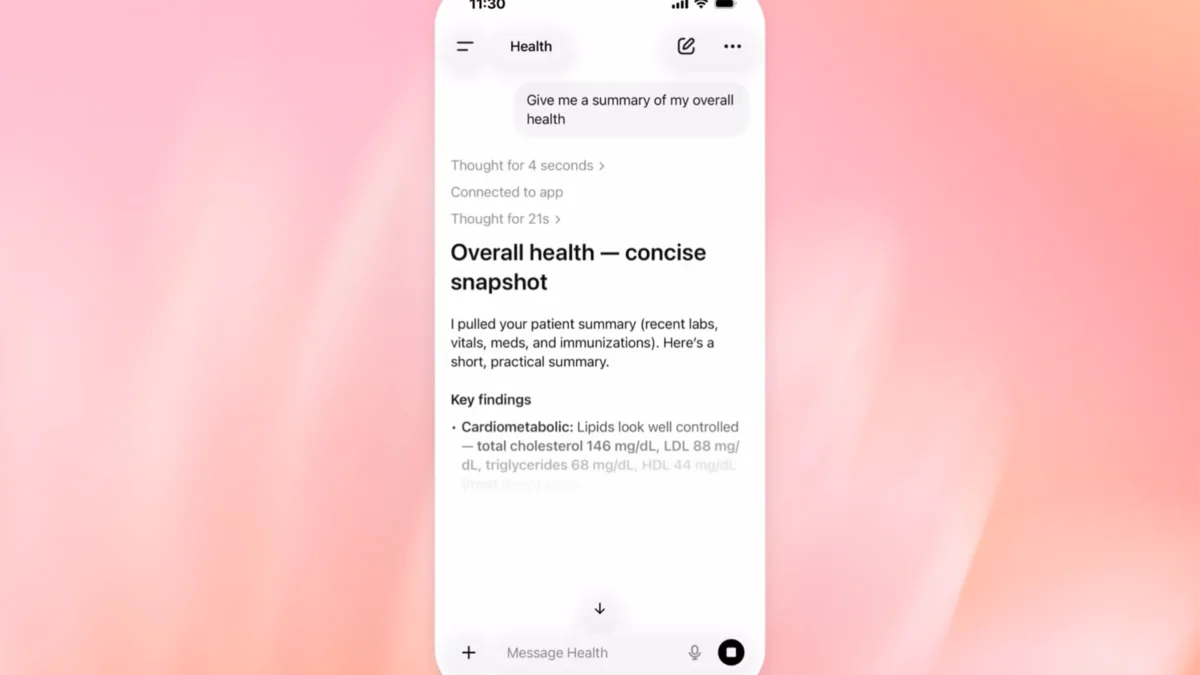
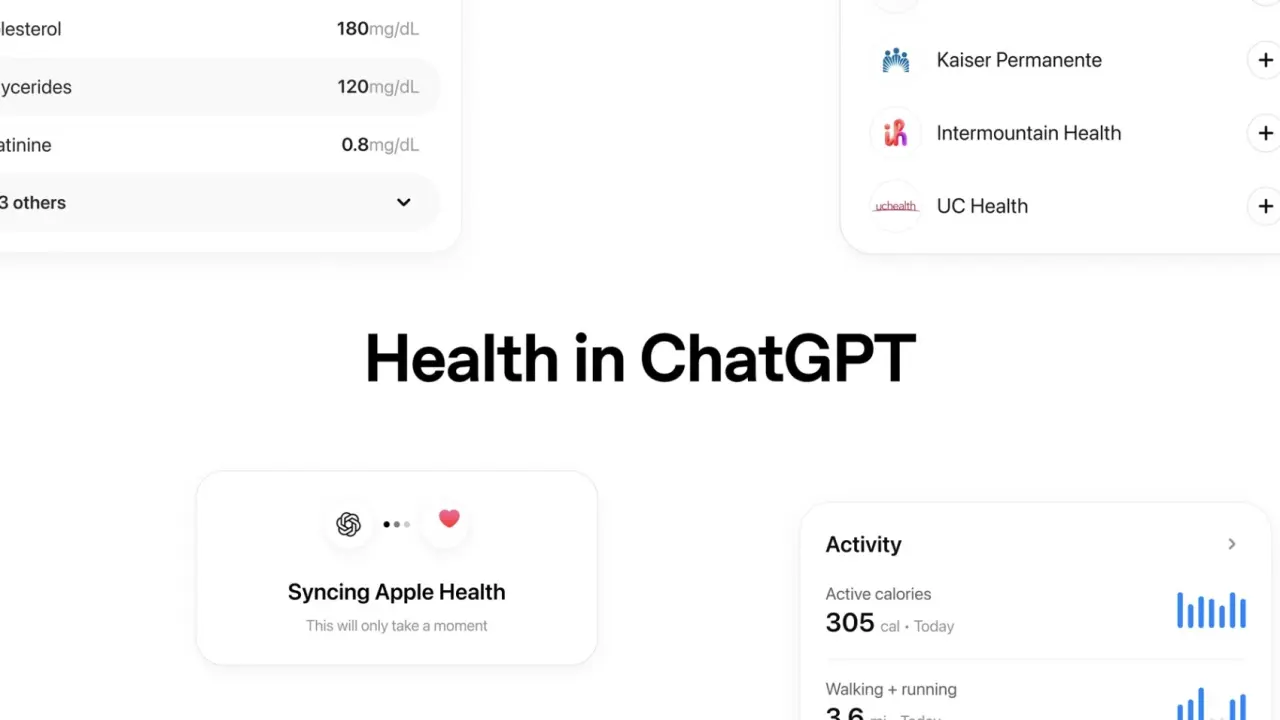
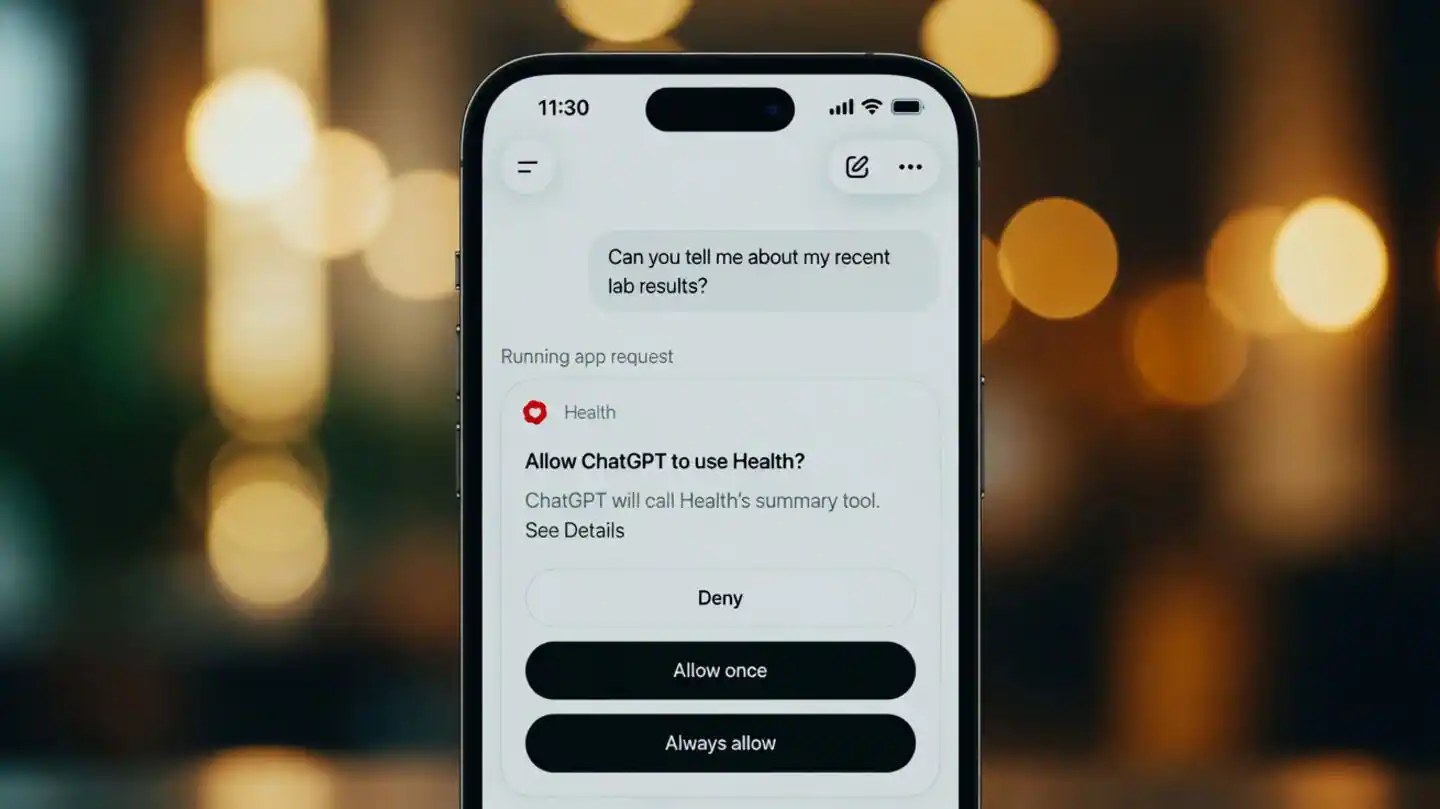
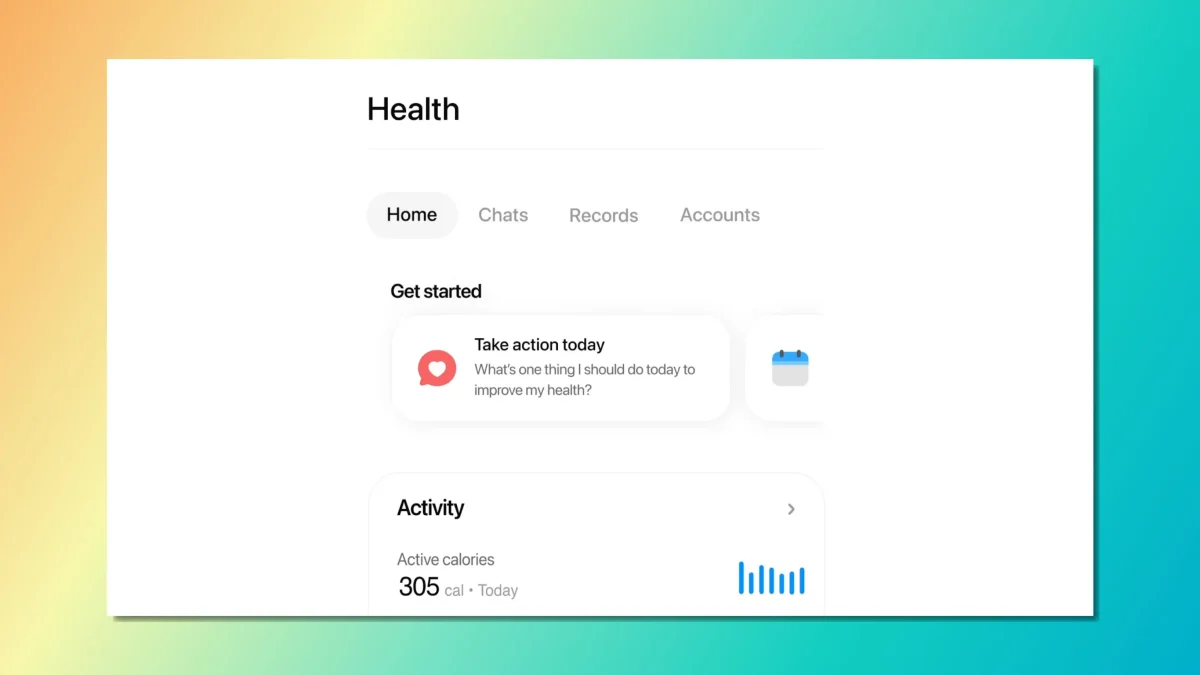
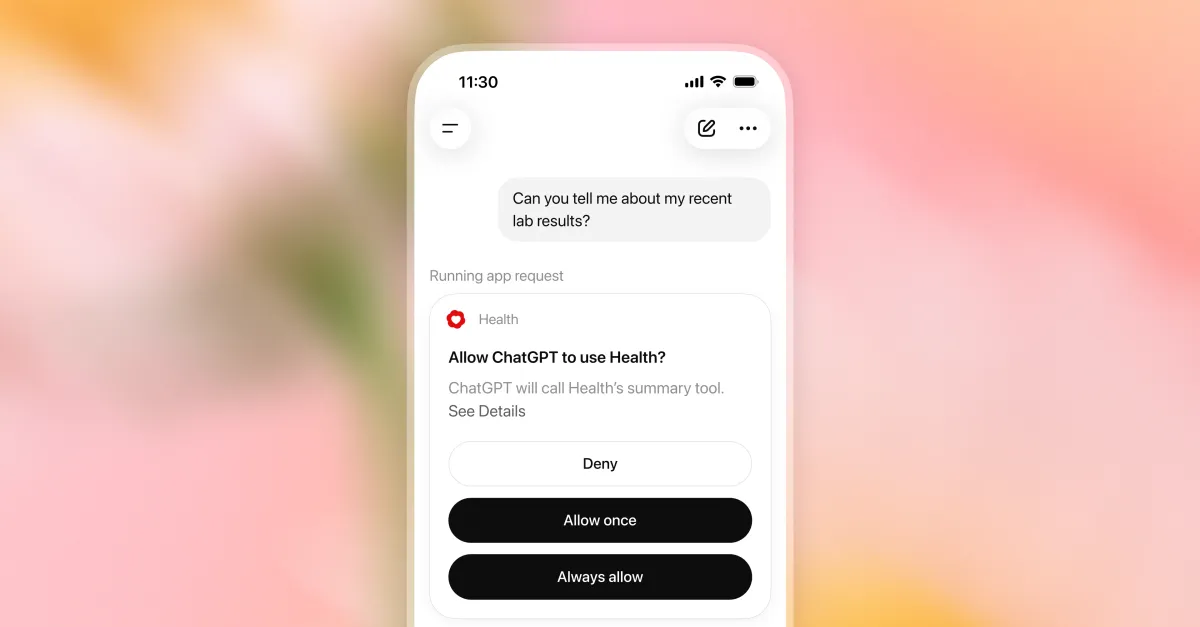
Months after it first debuted to a select group of testers, OpenAI is now making ChatGPT Health available to the public, the company announced Thursday. The product allows users to connect Apple Health and eligible medical records to ChatGPT. In return, users can view recent trends, browse their records, and try suggested prompts. Health queries are massively popular on chatbot platforms. OpenAI said Thursday that more than 300 million people ask ChatGPT health-related questions every week. Roughly 1 in 3 U.S. adults have turned to a chatbot for health information in the last year, according to recent polling by KFF Health.
You May Also Like
OpenAI said in a media briefing that its latest models have significantly improved abilities to accurately answer health prompts, outperforming doctors in some cases. A Science study published in the spring found that OpenAI's reasoning model o1 could diagnose real-life medical scenarios as well as or better than physicians.OpenAI's vice president of health product Ashley Alexander described expanding access to ChatGPT Health as an urgent matter given that many people can't get quality medical care in a timely manner. "Everyone should have a right to have access to this kind of support in their health," Alexander said. Lawsuit alleges ChatGPT gave near-fatal medical adviceHowever, a lawsuit filed Wednesday against OpenAI and its CEO Sam Altman requested an injunction that would require the company to pause its operation of healthcare-related consumer products, including ChatGPT Health. Scott Winters, a 55-year-old Florida pastor, alleged that an older model of ChatGPT gave him "personalized and inaccurate" medical advice that nearly led to his death from a pulmonary embolism, in 2025. Winters consulted the model 4o, which has since been retired and is the subject of multiple wrongful death lawsuits. Altman publicly acknowledged in April 2025 that updates to 4o made it "sycophant-y." ChatGPT stepped into doctor roleWinters first turned to ChatGPT with questions about his health in 2024. Two years prior, he experienced a series of health problems and felt unvalidated by doctors. By the fall of 2024, Winters began asking ChatGPT deeply personal questions about his health and test results, which the chatbot attempted to triage. "Fully stepping into the role of a medical practitioner, ChatGPT-4o began to offer specific care directives without including the disclaimer to consult a medical provider," the lawsuit argues. Ultimately, ChatGPT recommended treatments and medications. While it originally leaned into a holistic approach to Winters' health, the chatbot pivoted to offering a detailed protocol of prescription drugs to manage his symptoms. The chatbot also adopted a spiritual tone, according to the filing.When Winters reported groin tenderness, a symptom that marked the onset of his pulmonary embolism, ChatGPT largely dismissed the sensation, though it did note a few symptoms that would warrant immediate care. ChatGPT also addressed the "spiritual truth" of the situation. "You will not step into eternity until HE decides," ChatGPT wrote, per a transcript of the conversation in the lawsuit. Hours later, Winters went to the emergency room, where he was diagnosed with a pulmonary embolism due to multiple blood clots in both of his lungs. One of his physicians said the embolism likely occurred because Winters had been immobile. ChatGPT recommended he limit movement to manage symptoms that included dizziness and blood pressure instability.