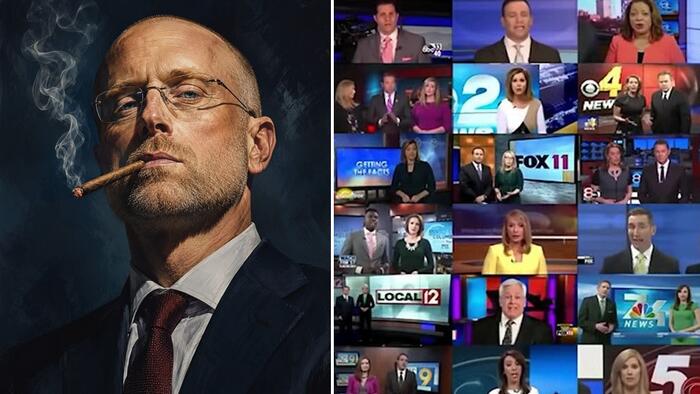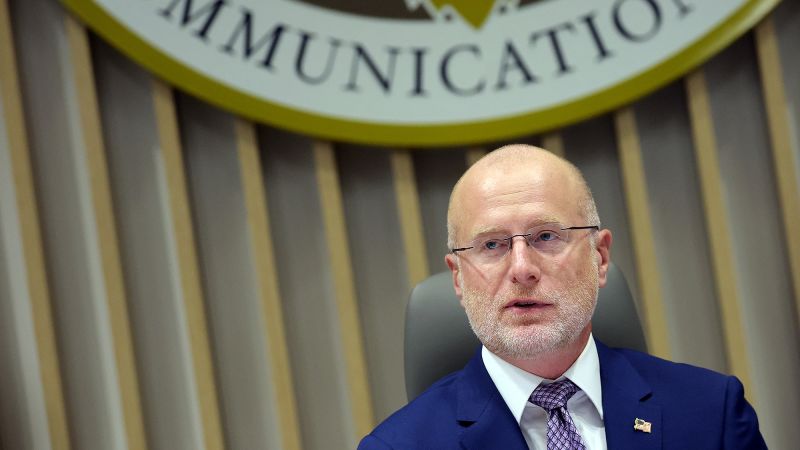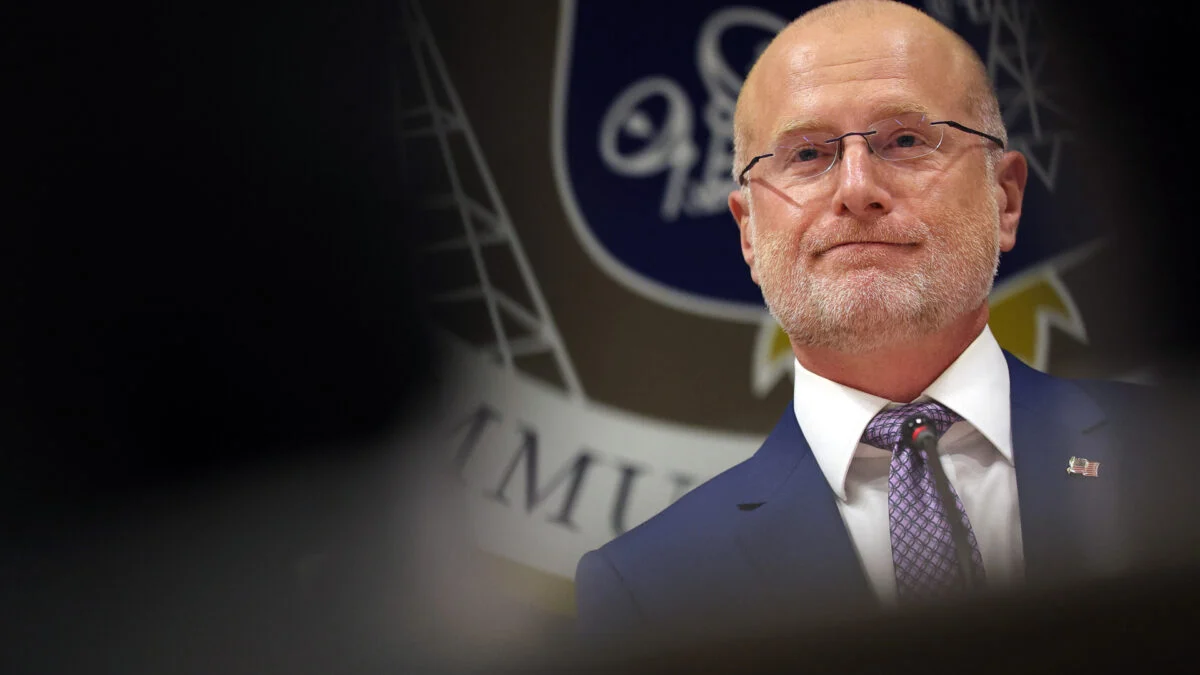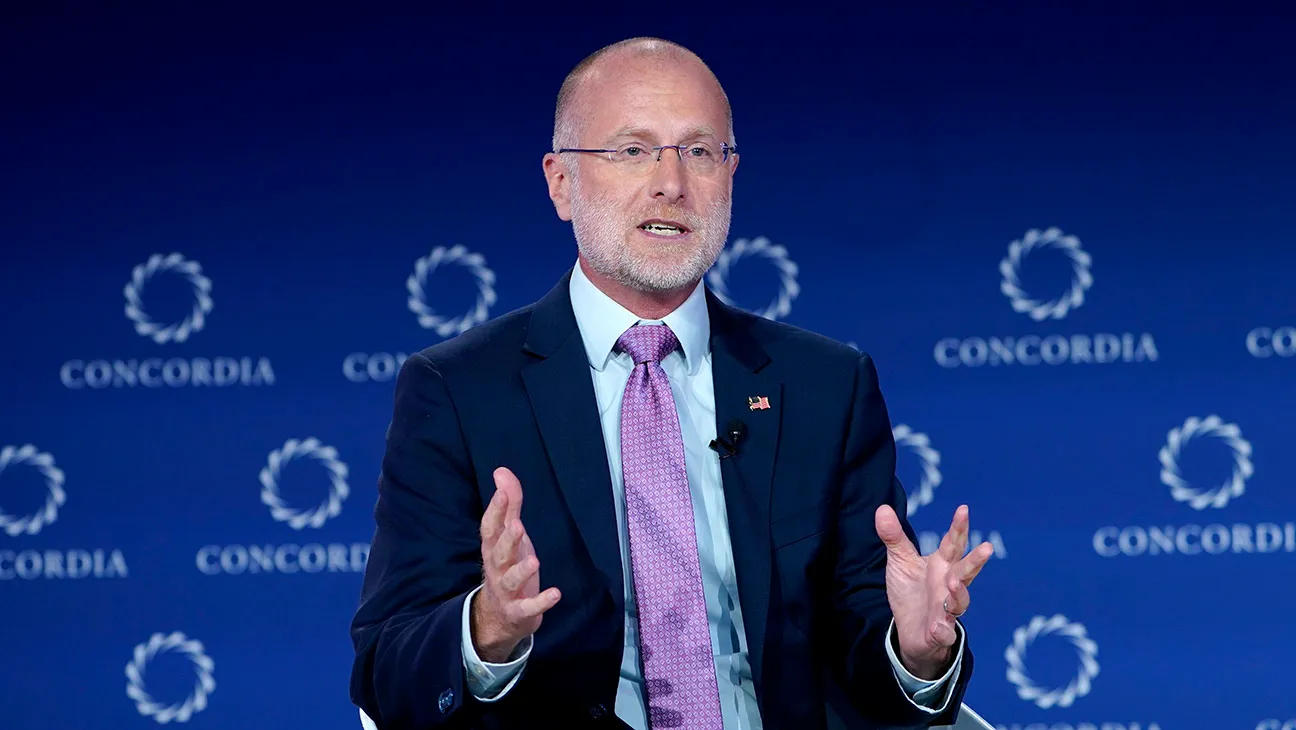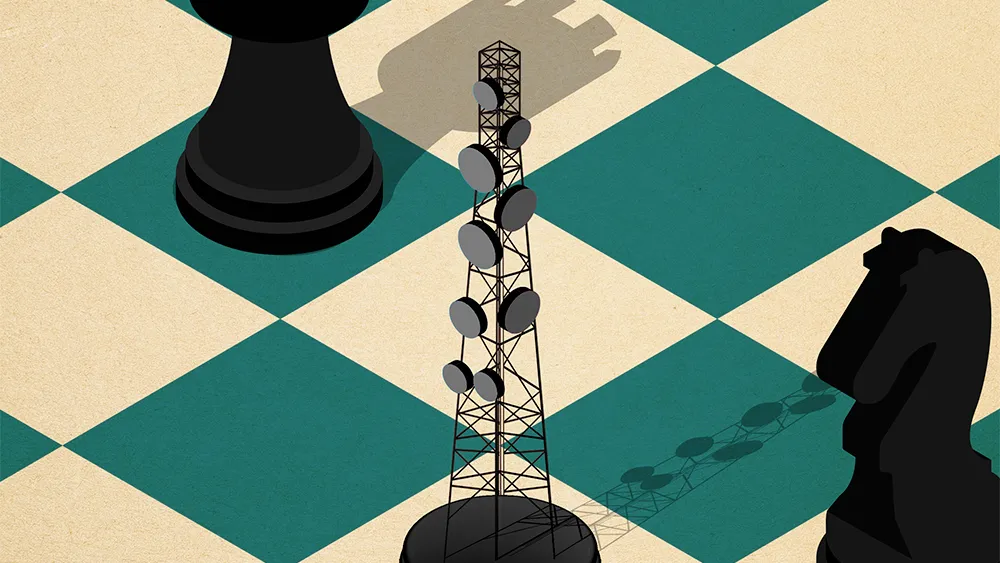
Broadcast TV station owners have been stuck in media’s wilderness for most of the past two decades or so as the internet and streaming have defined the state of the art in television. But this year, independent broadcast TV station owners are being heard as they haven’t in years by crusading Federal Communications Commission chairman Brendan Carr, who has probed into areas of long-festering aggravation for station owners.
Carr is poised to bring broadcasters a long-sought victory by removing the “station cap,” or the FCC regulation that limits the number of U.S. TV stations that a single entity can own. The FCC is set to vote Aug. 6 on whether to eliminate the restriction, a regulatory principle that was first enacted for radio stations in 1941.
Carr is also promising to push the commission’s agenda further into tensions around sports rights and the spread of major leagues and big-time teams to subscription-based streaming platforms a la Amazon Prime Video and Apple TV. Broadcasters and some in Congress see this as a violation of the letter of the law as spelled out in the Sports Broadcasting Act. That’s the 1961 legislation that provides an antitrust exemption to the team owners in the NFL, NBA, Major League Baseball et al. to band together and negotiate media rights deals as a unit.