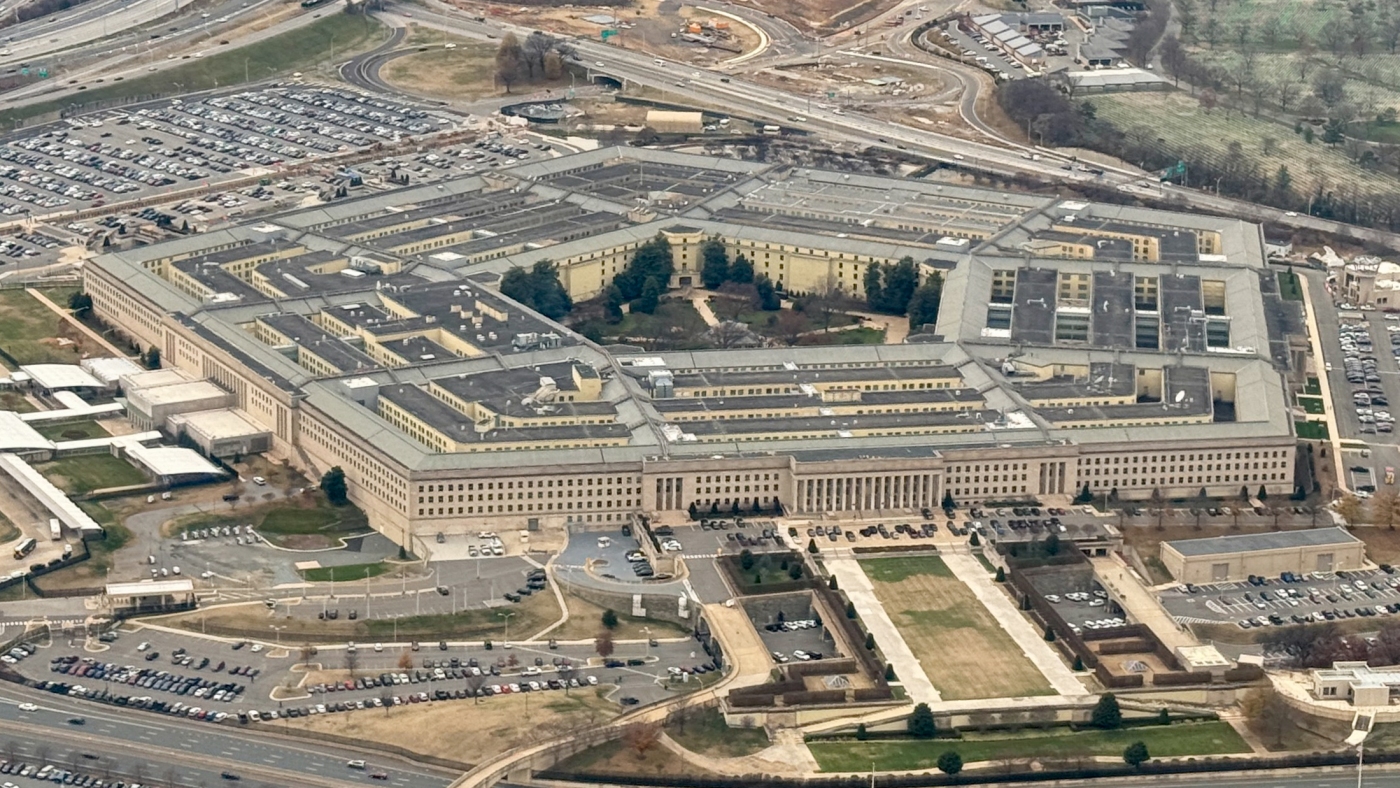
When workers at the Pentagon quietly removed “Department of Defense” plaques and replaced them with new bronze signs reading “Department of War,” the reaction was immediate. Photos of Defense Secretary Pete Hegseth installing a 60-pound “Department of War” plaque spread across social media within hours. Supporters praised the symbolism. Critics argued it sent the wrong signal to allies and adversaries. But behind the headlines, the change raises a deeper question: How much power does a name really have? And when it comes to America’s most important military institution, does renaming the Department of Defense actually matter? This story is about psychology, strategy, culture, and cost, all wrapped in a single word.
Why the Pentagon’s Name Change Is Back in the Spotlight
President Trump’s September executive order directed the Pentagon to “revert to its historic name,” though Congress would still need to update the title in federal law. Soon after, Pentagon workers took down the old DoD signs and installed “Department of War” plaques at two major entrances. Hegseth said the rebrand restores a clarity of purpose tied to winning wars. But the change isn’t just semantic. According to congressional staff and independent analysts, a full rebrand, from IT systems to global basing signage, could cost up to $2 billion. For comparison, renaming Army and Air Force bases that previously honored Confederate officers cost $62 million across nine installations (Naming Commission final report). If renaming nine bases costs $62 million, imagine renaming an entire global defense enterprise. The Pentagon hasn’t released its own cost figure yet. But experts agree the price tag will not be small.