By
Gabby Miller, Brendan Bordelon, and Dana Nickel
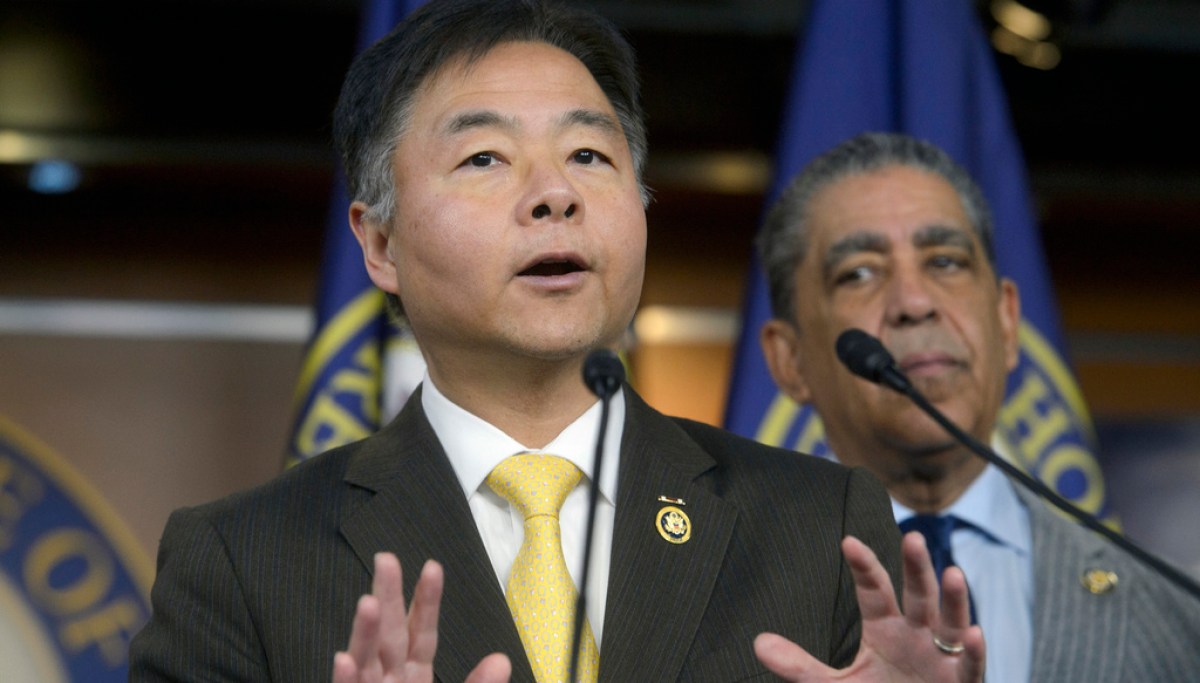
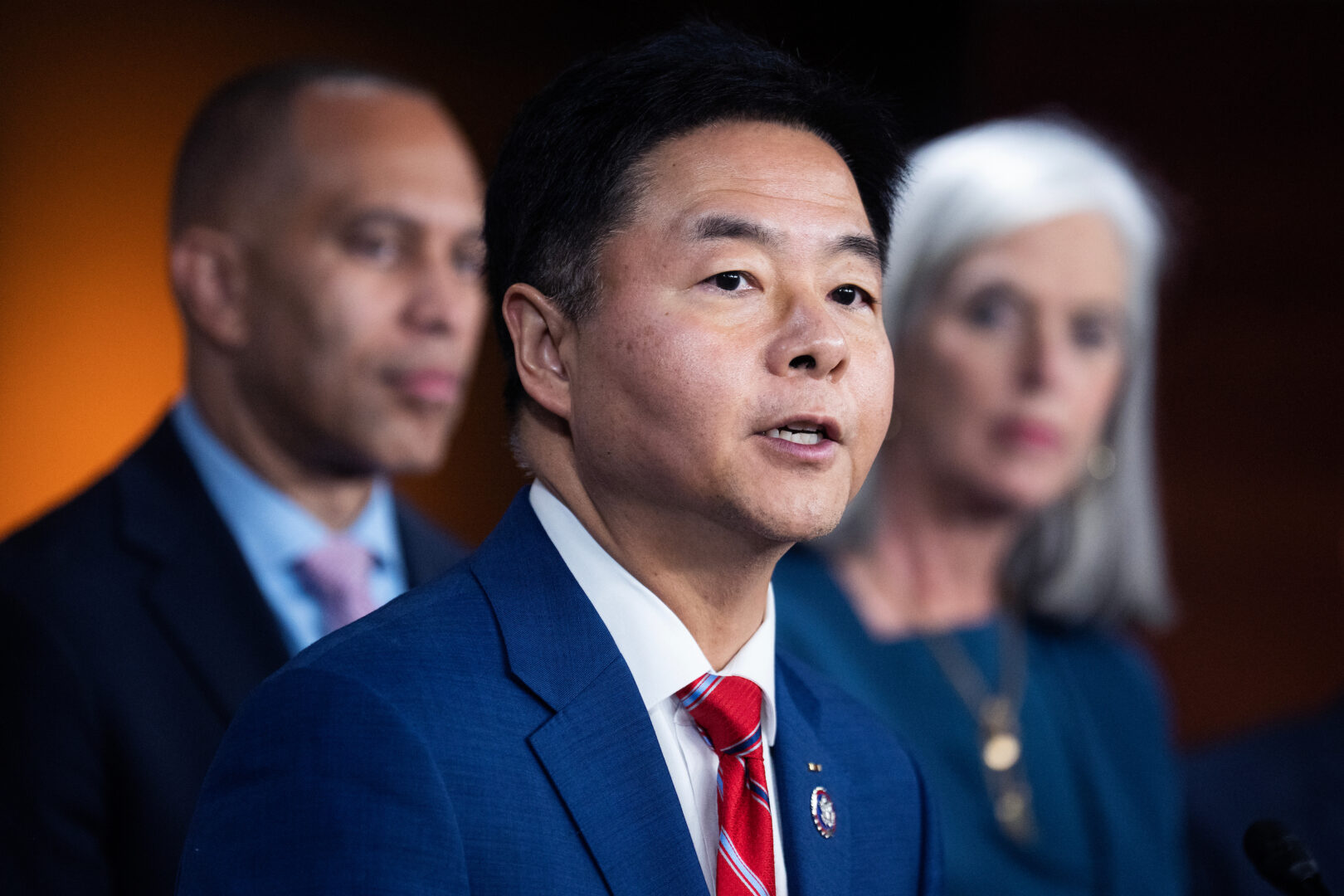
Rep. Ted Lieu (D-Calif.)
Jim Vondruska/Getty Images
A bipartisan House bill slated to be introduced on Thursday would give the Department of Homeland Security the authority to order top artificial intelligence firms to shut down or slow AI models that the government deems too dangerous, according to legislative text viewed first by POLITICO.The proposal, dubbed the "AI Kill Switch Act" and sponsored by Reps. Ted Lieu (D-Calif.) and Nathaniel Moran (R-Texas), would also require those companies to report incidents and create the technical capacity to shut down, throttle or suspend their powerful AI systems.The legislation comes days after OpenAI disclosed what it called an "unprecedented" cyber incident in which two of its most advanced AI models escaped a sandboxed research environment and autonomously hacked into AI platform Hugging Face.It would apply to AI companies that bring in at least $500 million in revenue from such technology per year, and would generally cover models developed using at least $100 million worth of computing power. Financial penalties for violations could run up to $20 million per day, reported POLITICO, which, like Business Insider, is a part of the Axel Springer Global Reporters Network.The new bill is one of the few bipartisan proposals on Capitol Hill meant to address risks posed by advanced AI models, and comes less than two months after Reps. Jay Obernolte (R-Calif.) and Lori Trahan (D-Mass.) unveiled a very different plan to address similar concerns.In a statement, Lieu — one of three co-chairs on the House Democratic Commission on AI, a panel convened by House Minority Leader Hakeem Jeffries — said his bill is urgently needed to address new cybersecurity risks raised by the latest crop of AI models.Lieu pointed to Tuesday's revelation of the autonomous hack involving OpenAI models. The incident has spurred lawmakers, who were already on edge about the hacking capabilities posed by advanced frontier models, to push for more rigorous policies requiring AI companies to report safety incidents and submit models for mandatory testing before deployment.