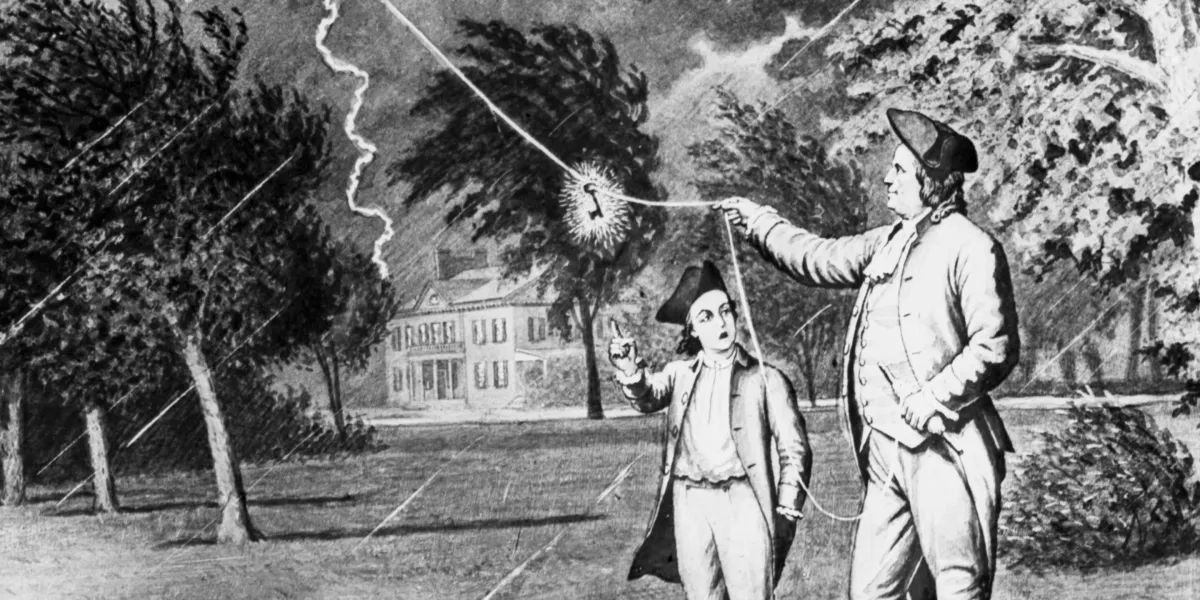
The “Golden Age of Science” had no scientists. For nearly three centuries, discoverers like Darwin and Copernicus, still wrestling to break free from Greek thought, called themselves “natural philosophers.” They made discoveries based on their own curiosity. The purest of them answered to no one: Robert Boyle had an earl’s fortune, Henry Cavendish a banking one, and Charles Darwin a family inheritance that bought him 20 years to dwell on barnacles.
This era of the “gentleman scientist,” of course, was limited to those with wealth, but that was considered a kind of purity—that nothing but curiosity fueled their discoveries.
So when the word “scientist” was coined in 1833, half in jest, many of the men it described refused to answer to it. They could see what it implied: a salary, an institution—a profession, with all the red tape and standards the 19th century’s Enlightenment was so eager to build. Indeed, science would go on to get departments, degrees, grant applications, and, eventually, a federal budget.
The Trump administration wants to bring back this era of the gentleman scientist. In a 123-page report published Tuesday, titled “Science: A New Golden Age,” the White House argued the professionalized machine those stuffy Victorians built had calcified into exactly what the gentlemen feared, a system in which researchers spend half their working hours on paperwork. Its solution is to fund the person, not the institution.