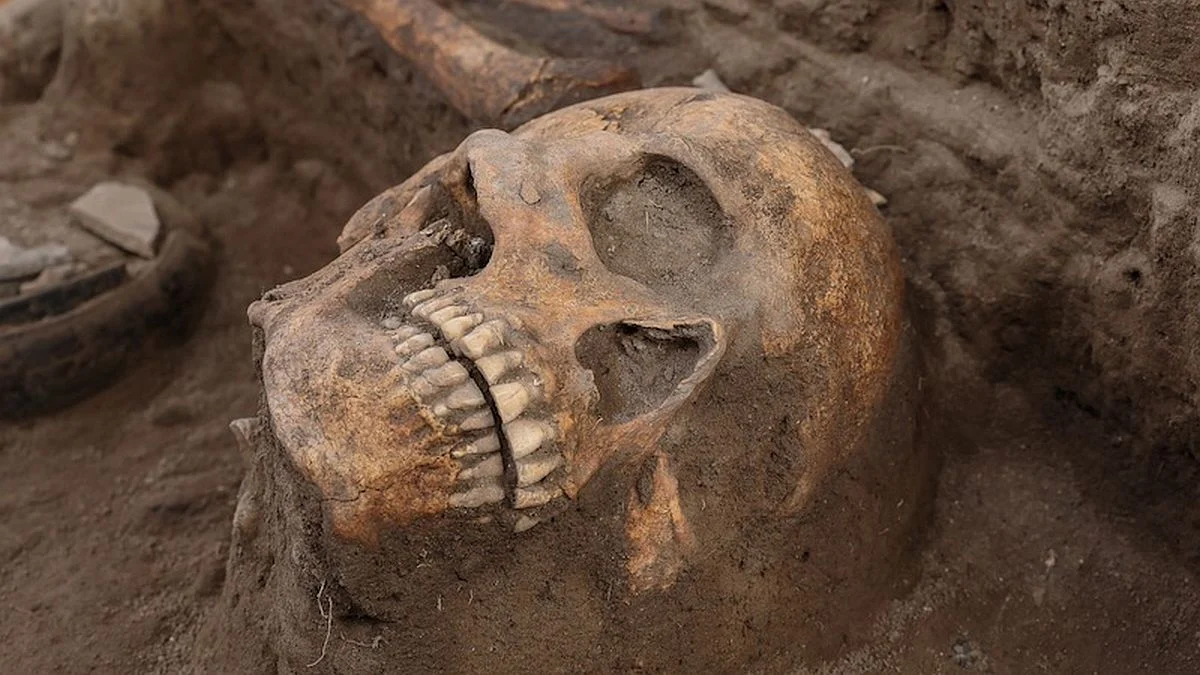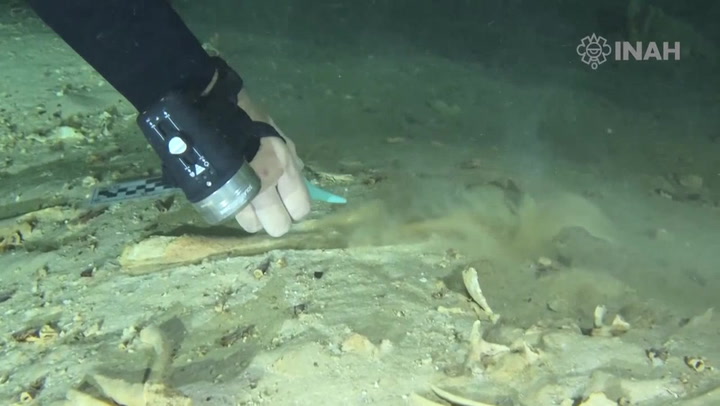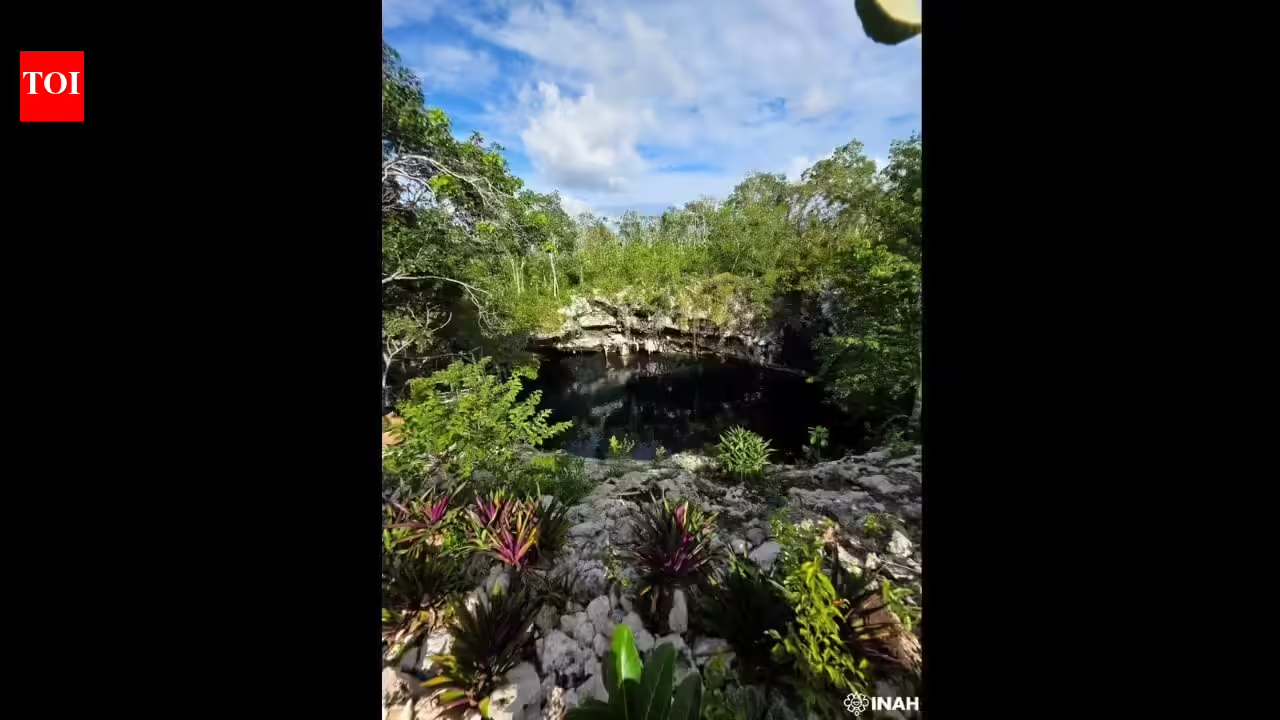
pc: Mexico's National Institute of Anthropology and History (INAH)A routine report from experienced technical divers has led to the documentation of a previously unknown underwater archaeological site in Mexico's Yucatán Peninsula. Hidden deep inside Cenote Yaakun near Playa del Carmen, archaeologists identified the skeletal remains of a young woman alongside ancient ceramic vessels resting far below the surface. Rather than removing the discoveries immediately, specialists are focusing on preserving the fragile environment while gathering evidence that may eventually reveal who the woman was and when she entered the cenote. The find has also prompted a wider research programme intended to protect the submerged archaeological landscape from disturbance and looting before further scientific work begins.How divers led to the discovery of the ancient underwater site in Mexico's Cenote YaakunThe discovery did not begin with an excavation. According to Mexico's National Institute of Anthropology and History (INAH), the agency was alerted during the final months of 2025 after the custodians of Cenote Yaakun received information from technical divers who had noticed cultural material deep inside the flooded sinkhole.After reviewing maps and location data supplied with the report, underwater archaeologist Gustavo García García carried out a five-day investigation, diving between 42 and 53 metres below the surface. According to INAH, the survey revealed two separate archaeological contexts roughly 30 metres apart. One contained ceramic vessels, while the other held human skeletal remains.The initial documentation relied on underwater photogrammetry to record both locations in detail before any significant intervention. That first survey later formed the basis for the officially approved Cenote Yaakun Research Project, authorised by the institute's Archaeology Council.Scientists identify the ancient woman's remains found in Mexico's Cenote YaakunThe human remains have been provisionally identified as those of a female individual. According to INAH, the cenote's custodians suggested the name "Yatzil", a Mayan word meaning "beloved person", while the cenote itself is called Yaakun, which translates as "to love."Physical anthropologist Salvador Isab Estrada examined the visible bones without removing them from the site. The assessment identified parts of the arms, legs, pelvis and a section of the lower jaw that still held three molars.According to the institute, the preserved teeth show relatively limited wear, while the absence of one premolar suggests the woman was likely between 18 and 25 years old when she died. Archaeologists have not yet assigned her to a particular culture or period because laboratory testing has not been completed.The team hopes that, during a future field season planned for 2027, a carefully selected dental sample may provide well-preserved DNA that could offer more information about her ancestry and chronology.Ancient ceramic pots discovered alongside human remains in Mexico's Cenote YaakunThe investigation uncovered more than human remains. On the opposite side of the submerged slope, archaeologists documented three globular ceramic pots positioned at different depths, including one vessel that remains intact and two that survive in fragments.Only a small ceramic fragment has been removed for laboratory examination. No human bones have been recovered so far because the priority remains preserving the archaeological context.Based on the visible characteristics of the pottery, specialists believe it could belong to the Late Postclassic period, dating between AD 1200 and 1521, although that assessment remains provisional until detailed comparisons with known ceramic styles have been completed.The researchers also reported that while many objects remain where they originally came to rest, fragments of the skull appear to have been disturbed previously, reinforcing concerns about accidental damage or deliberate removal by visitors.Why scientists are protecting the ancient underwater archaeological site in Mexico's Cenote YaakunCenote Yaakun extends to depths of more than 80 metres beneath the surface. The archaeological material lies beyond a layer of hydrogen sulphide, in an environment where stable water temperature, darkness and limited disturbance have helped preserve both bone and pottery.Rather than recovering the artefacts, the current project is centred on safeguarding them where they remain. According to INAH, protective barriers will mark the archaeological areas, while diving groups are being asked not to touch, move or remove any material from the cenote. Officials say preserving the site in place will allow future scientific work to continue without compromising the evidence preserved beneath the water.
Divers discover possible ancient woman's skeleton deep inside Mexico's Cenote Yaakun
A routine report from experienced technical divers has led to the documentation of a previously unknown underwater archaeological site in Mexico's Yucatán Peninsula. Hidden deep inside Cenote Yaakun near Playa del Carmen, archaeologists identified the skeletal remains of a young woman alongside ancient ceramic vessels resting far below the surface.
690 words~3 min read