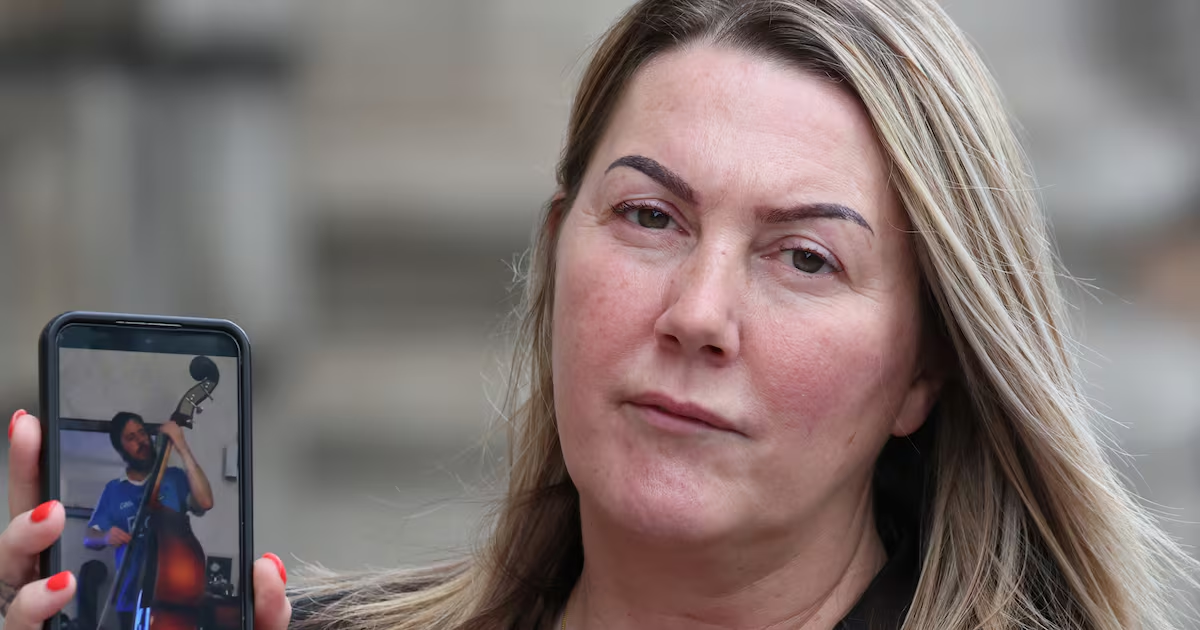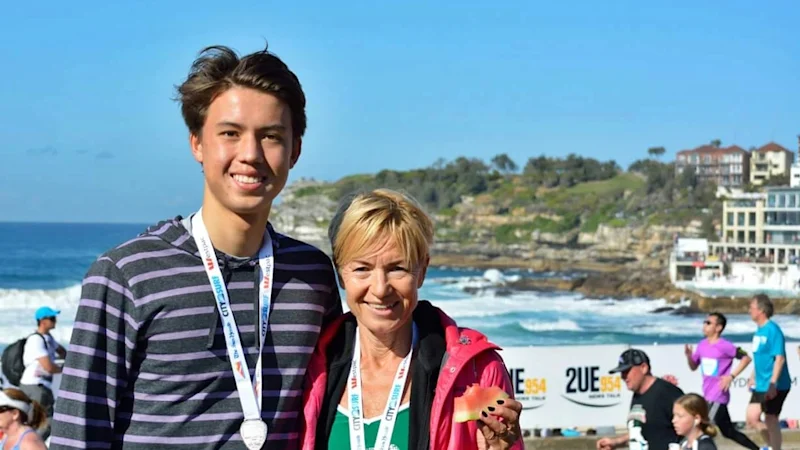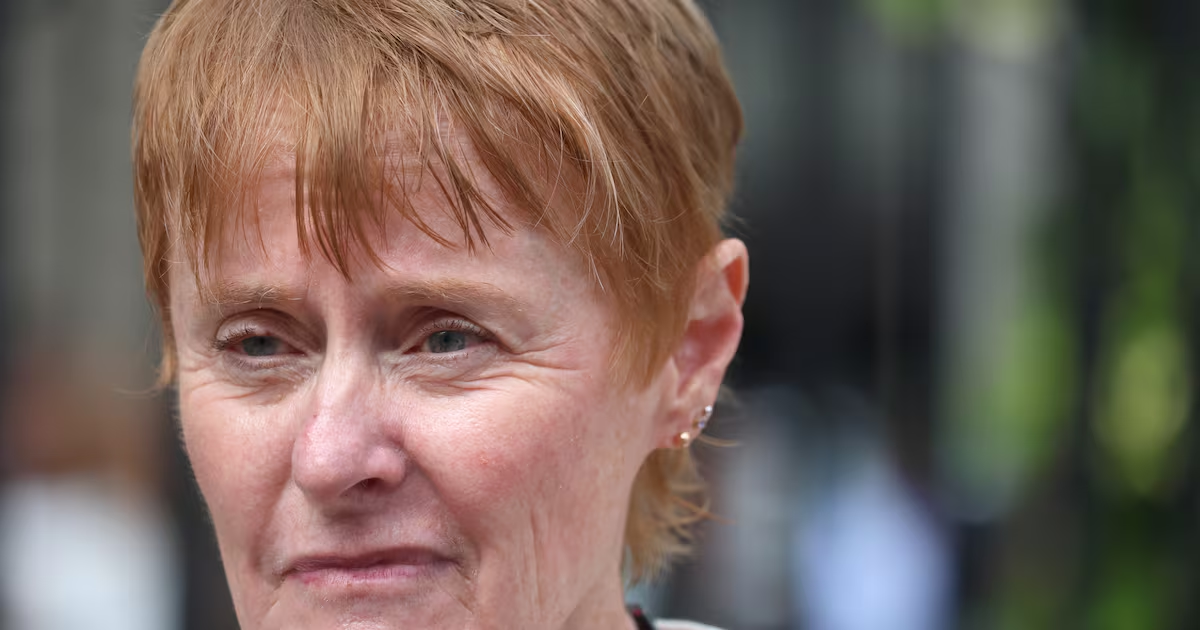
A woman whose husband died by suicide three days after he was admitted to the acute mental health unit of Cork University Hospital (CUH) has called for change in the way mental health is treated in Ireland.Nancy Reilly, along with her husband Mark, had retired to Kinsale, Co Cork, nine years ago. Mark took his own life after being admitted to a single room in the CUH acute mental health unit in March 2022.Reilly, who is from the US, spoke out as she settled a High Court action against the HSE over her husband’s death.“I realise the HSE has a limited pot of money, so not everything can be spent on mental health care. I think there are lots of small differences that could be made. For instance, I told them when Mark was admitted that he was suffering from night terrors. He was in a room by himself. If someone had just been sitting in the room with him, I think quite possibly it wouldn’t have happened,” she said.She added: “Those are the kind of basic levels of training and mental health assessment I think the staff need. I don’t in any way blame Cork University Hospital. I think they’re doing the very best they can with the resources they have, but I think an awful lot is being put on them without enough proper training.”Reilly said her husband was a retired software engineer and when he left that business, they had travelled the world together working as volunteers.“One thing Mark would want me to do, is to help other people, and so this has to be highlighted as an issue with the HSE. What we need is an open, honest conversation. One of the big failings is sending people to the emergency room. Emergency departments are not capable; they’re not trained to deal with this sort of thing,” she said.Darach MacNamara, barrister for the widow instructed by Sinnott Solicitors, told the High Court that on March 15th, 2022, Mark Reilly had been taken to Bandon Garda station for his own safety. He was seen by a doctor, who referred him to Cork University Hospital and said in the referral letter he was at risk of suicide.Mark Reilly on March 16th was admitted to the acute mental unit of the hospital and counsel said it was concluded that he was at a moderate risk of self harm.Counsel said Mark Reilly was placed in a single room and appeared tearful and anxious over the next two days.He was found unresponsive in his room on March 19th, 2022.In a letter read to the court, sincere apologies were offered to the Reilly family on Mark’s death.The letter, which was signed by the Clinical Director of South Lee Mental Health Service Dr Thomas Cronin, said: “I want to acknowledge how distressing and painful this loss is and I am truly sorry for the impact this has had on you.”It continued: “Since Mark’s death significant infrastructure works have been undertaken within the unit to address environmental and safety issues and to strengthen the overall care environment for patients and families.”It said a serious incident management team carried out a full review of the circumstances surrounding Mark Reilly’s care and death.“This review examined all relevant factors carefully and transparently. It identified areas for learning which were acted upon and continue to be addressed,” it saidIn the proceedings against the HSE, it was claimed there was a failure to prepare any or any adequate risk assessment at the time of Mark Reilly’s admission to the hospital.There was also it was claimed a failure to have regard to Mark’s earlier suicide attempt and expressed suicidal ideation.It was claimed he had been placed in isolation on account of his Covid-19 diagnosis when it was claimed it was unsafe to do so having regard to his mental state and condition. Liability was admitted in the case.Noting the settlement and approving the division of the €35,000 statutory mental distress payment, Judge Paul Coffey extended his deepest sympathy to Nancy Reilly on the tragic loss of her husband.
Wife of man who died by suicide in hospital calls for change in mental health treatment
Nancy Reilly spoke after settling action against HSE over death of husband Mark at Cork University Hospital
677 words~3 min read