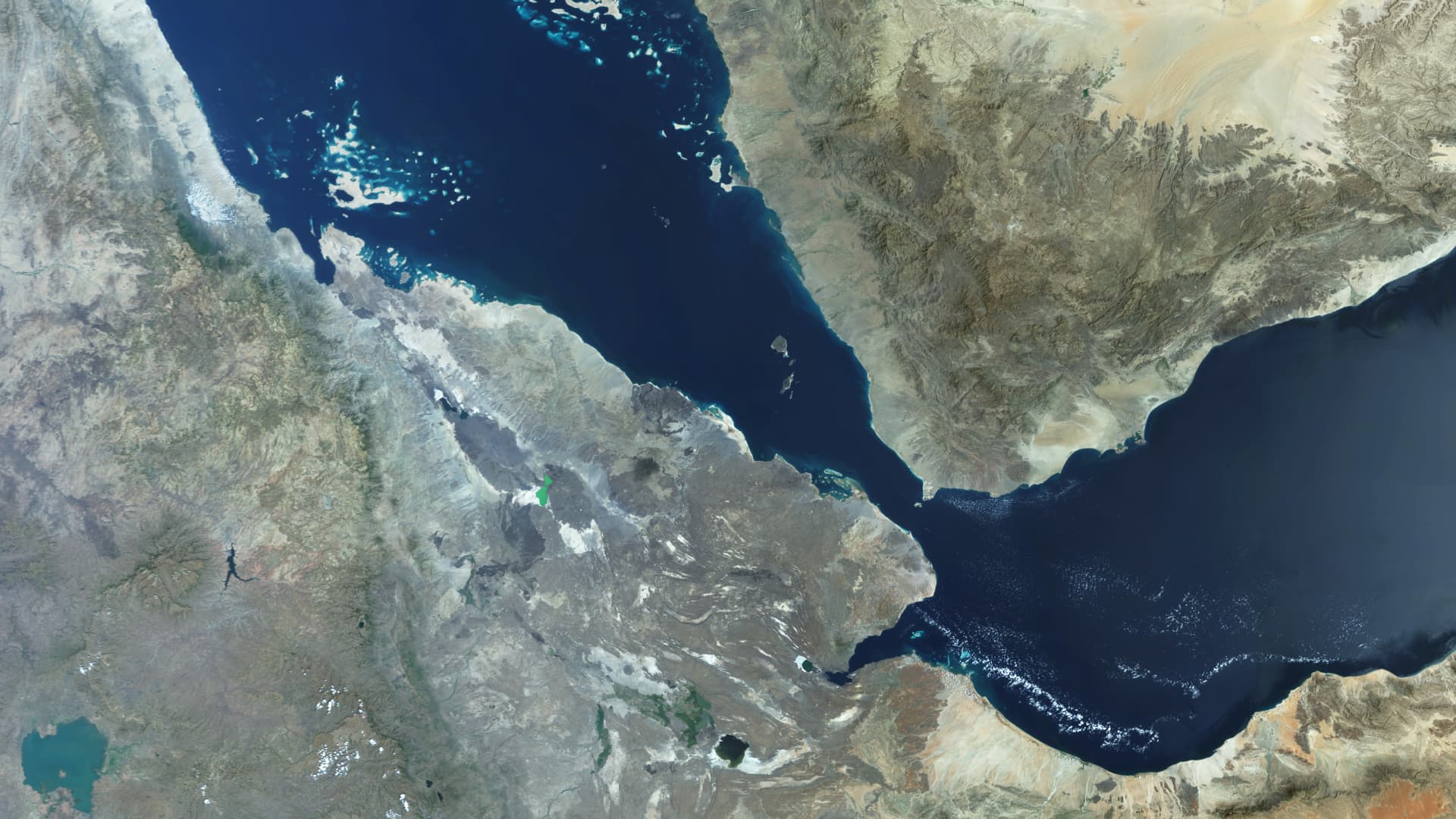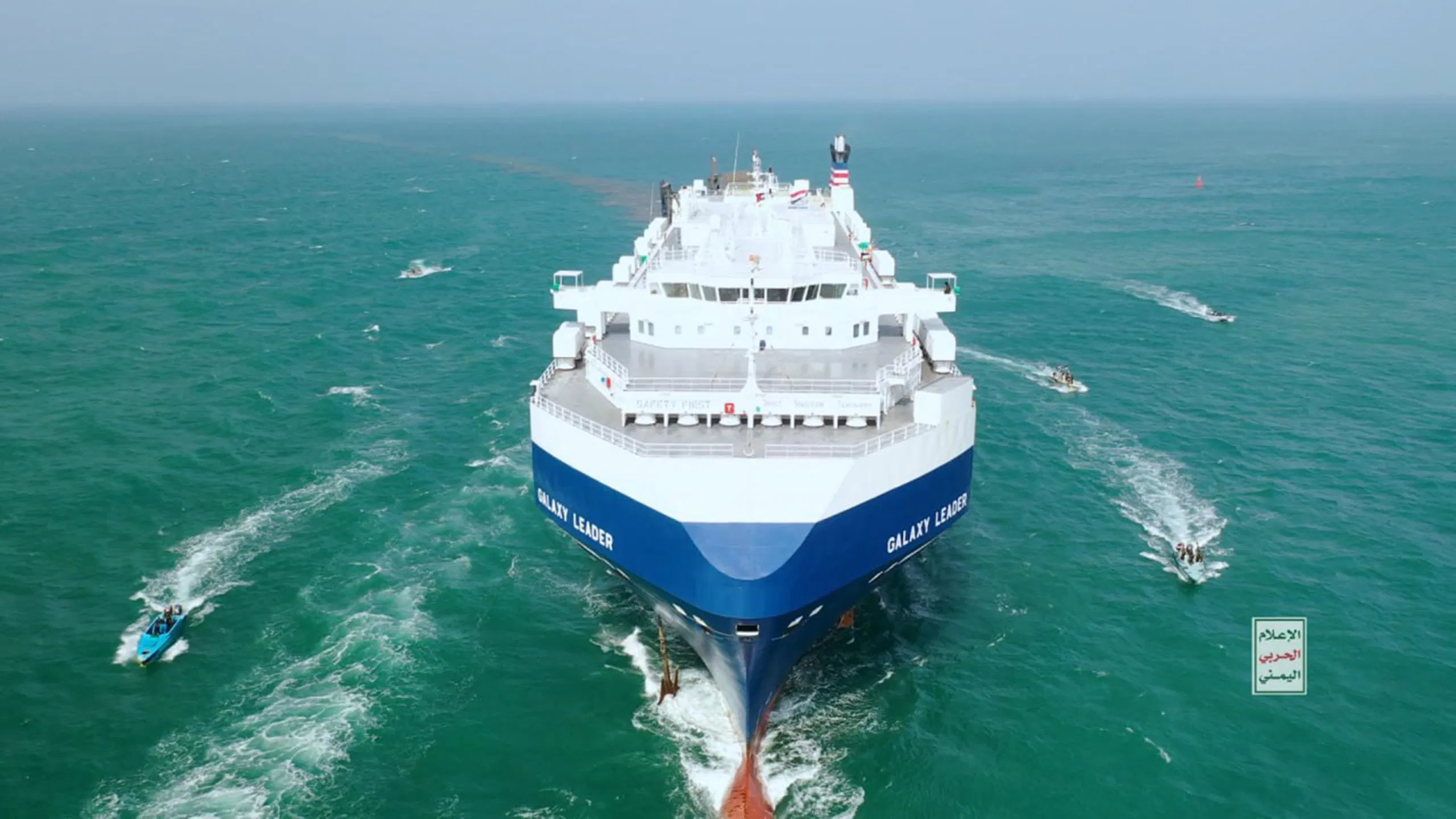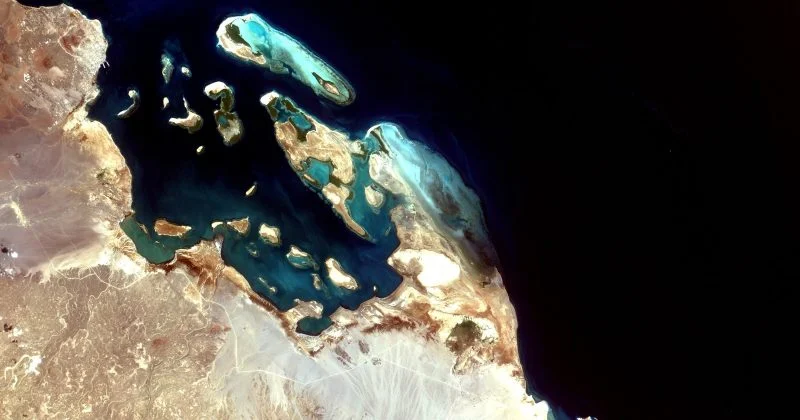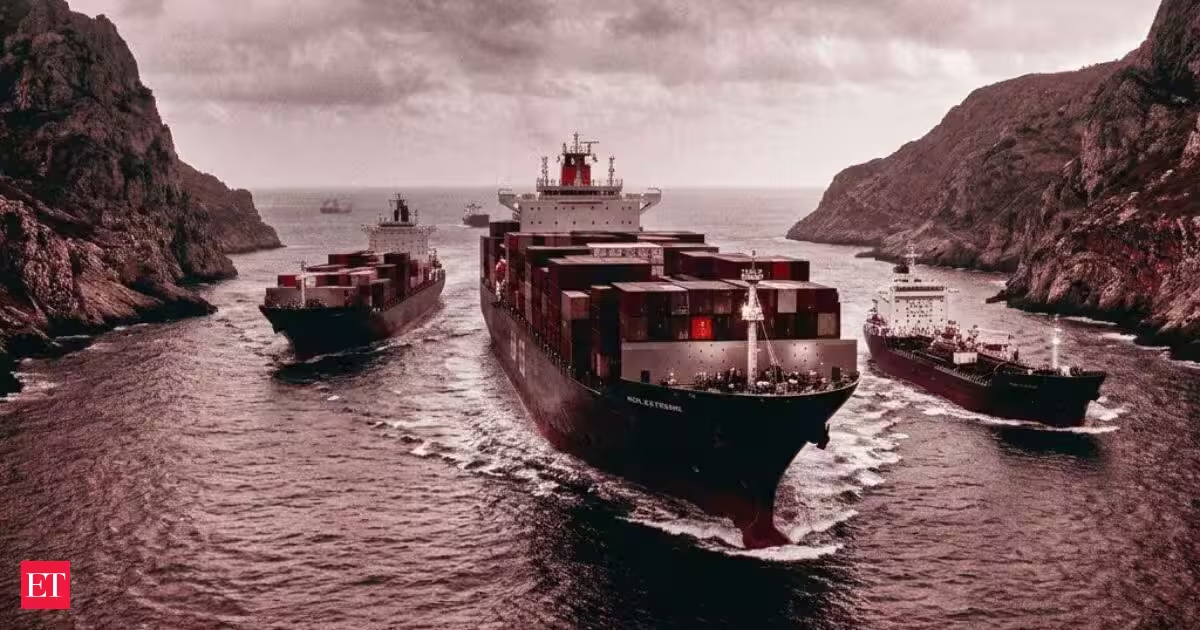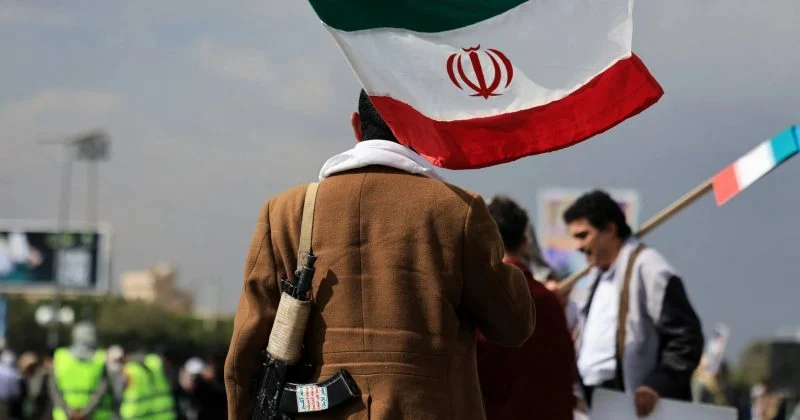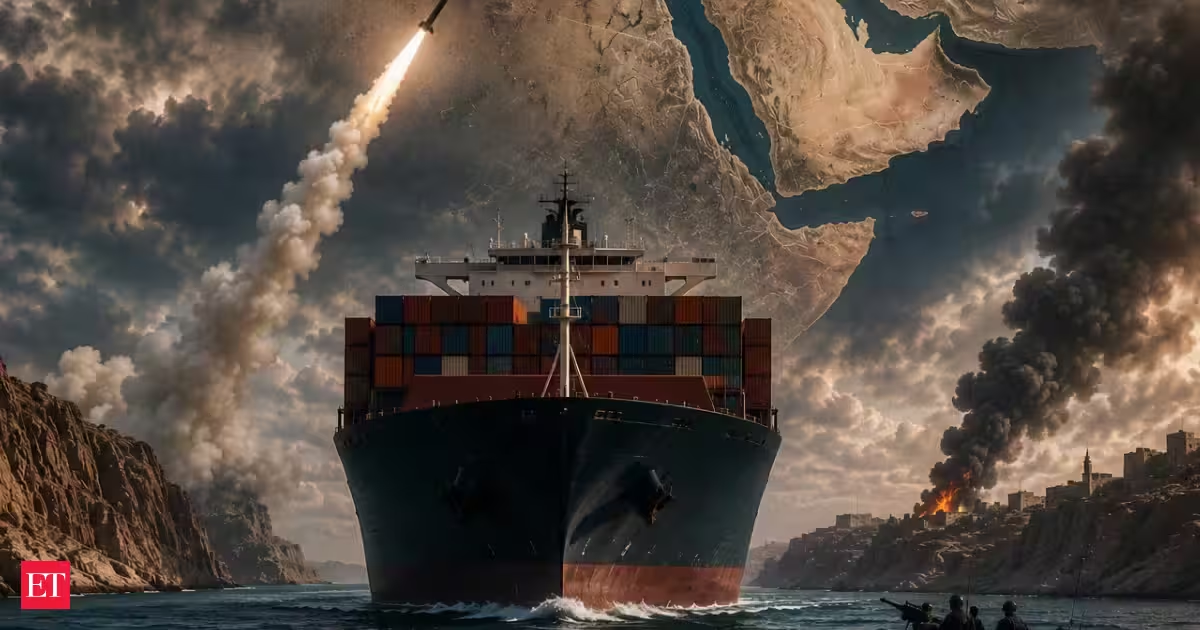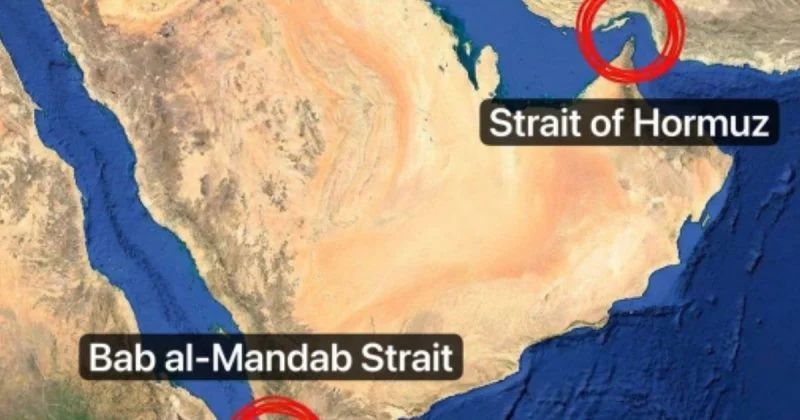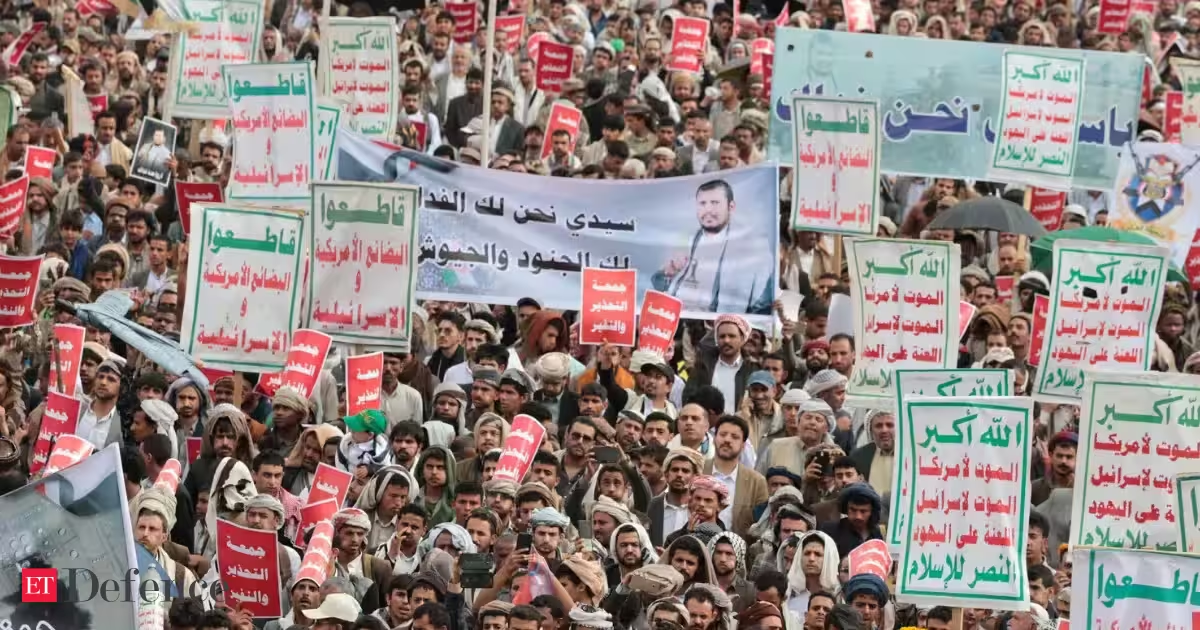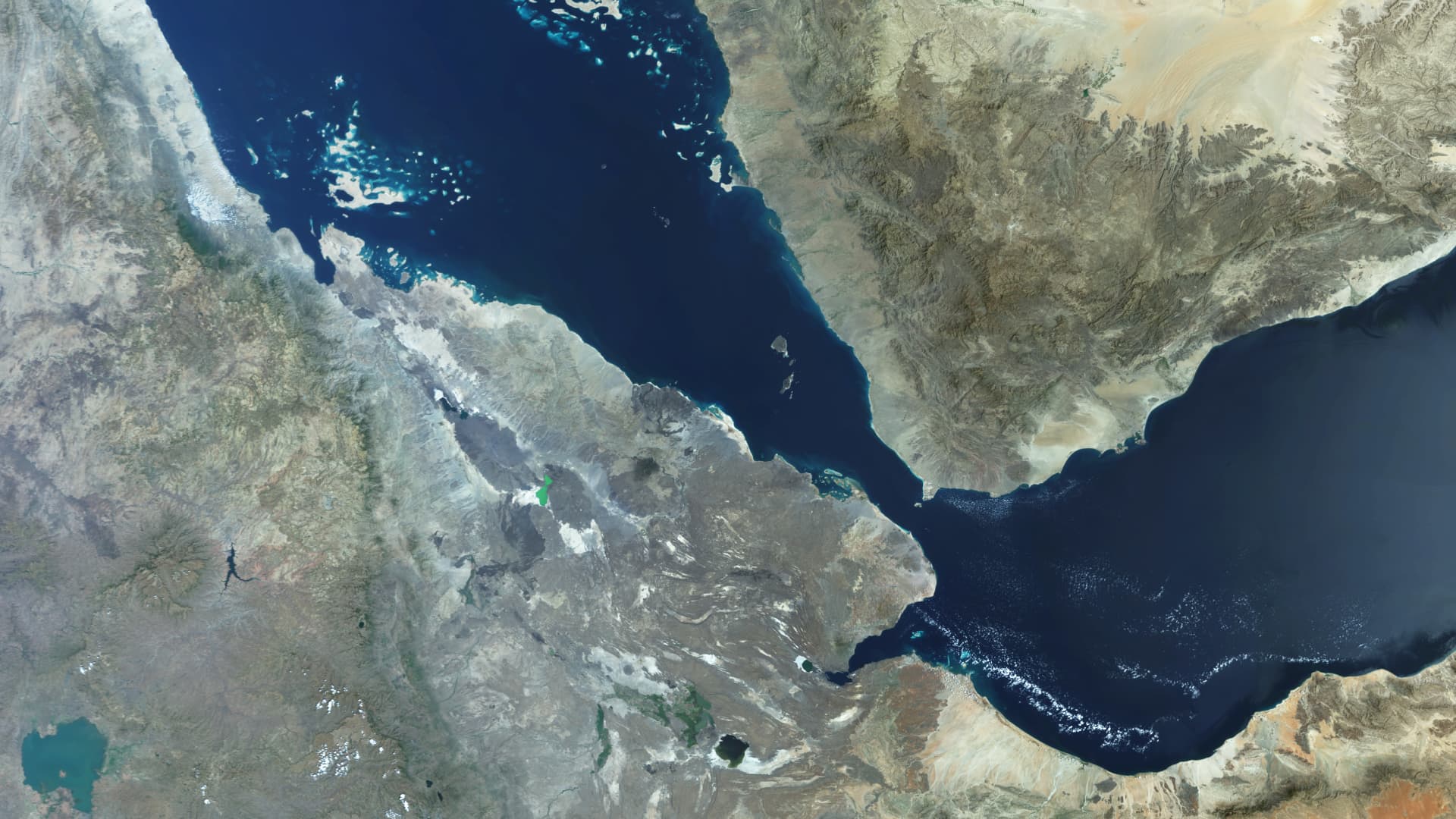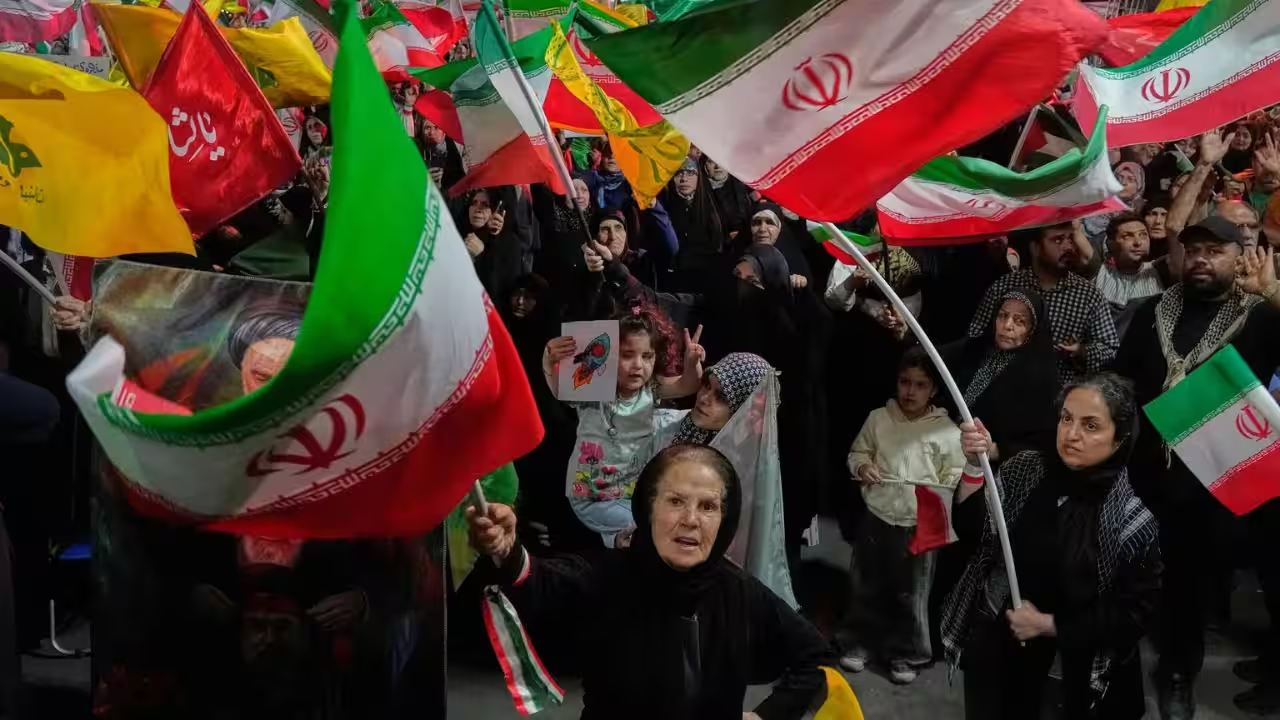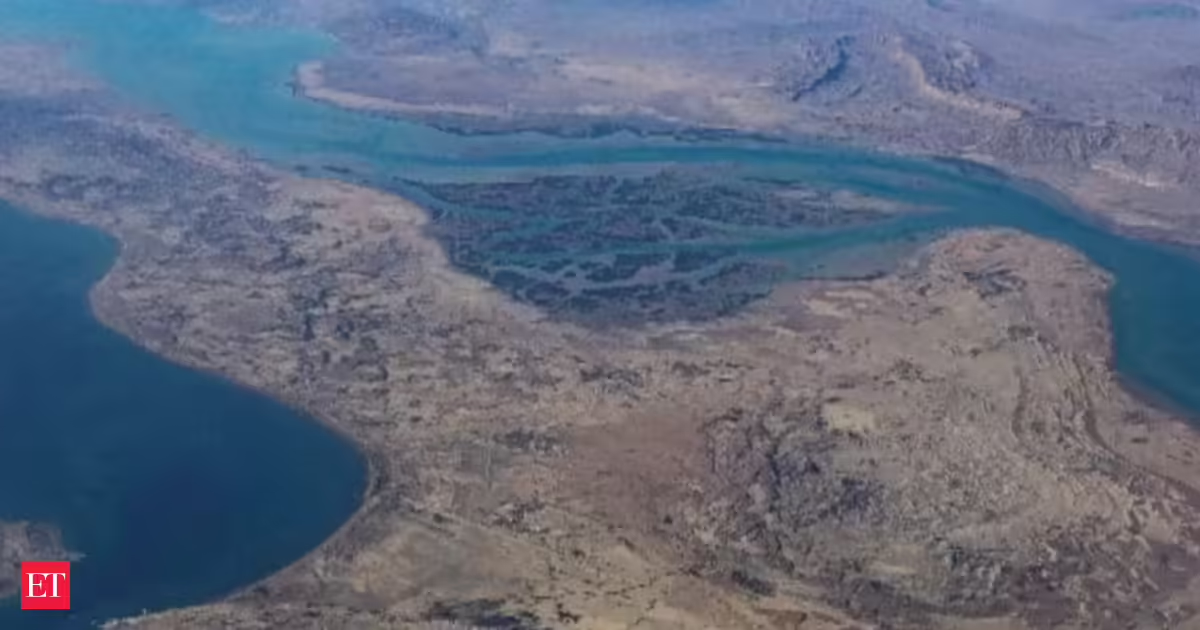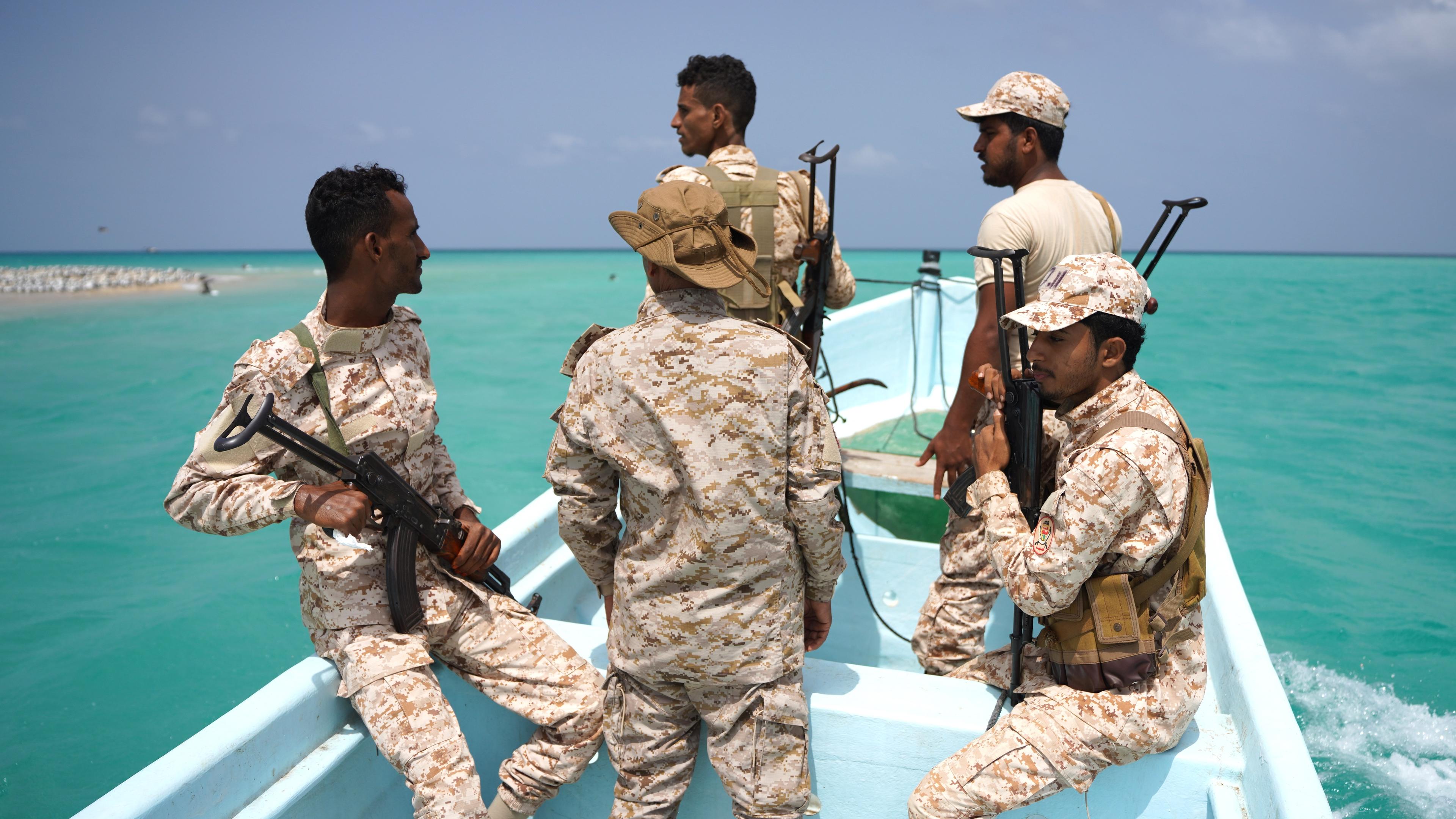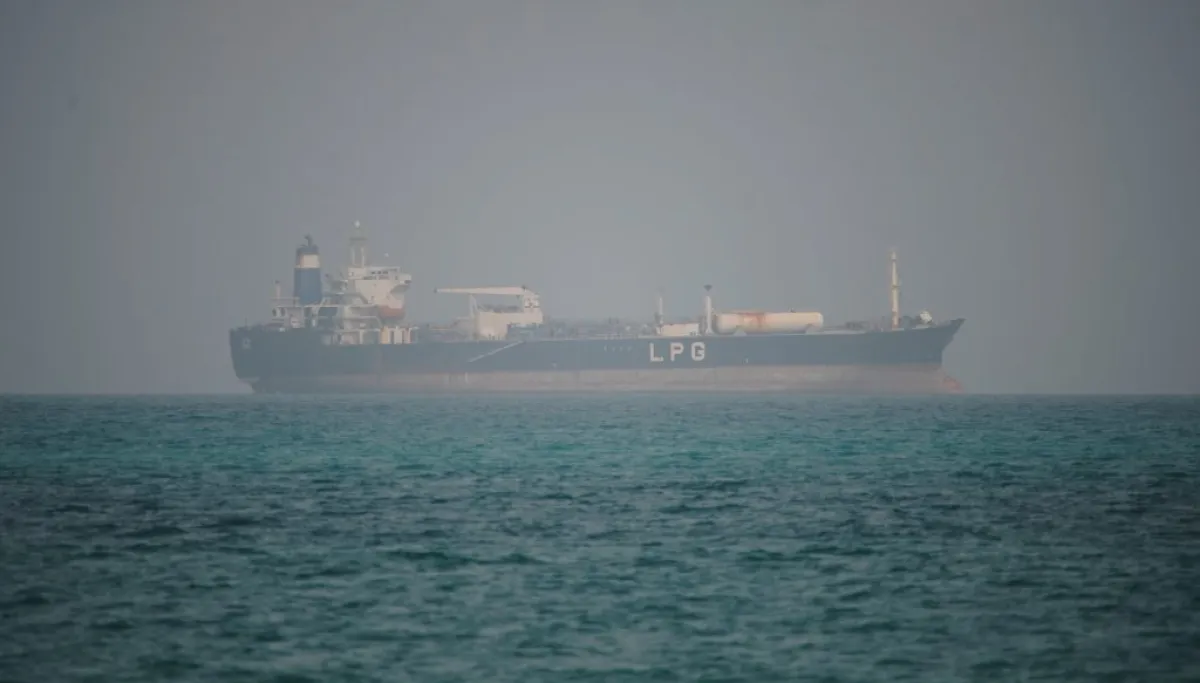
The Bab el-Mandeb Strait, a crucial trade route into the Red Sea, is now also feeling the squeeze of the escalating war in Iran as vessels looking to pass through the waterway are facing the risk of strikes from the Iranian-backed terrorist group known as the Houthis, sending oil prices soaring past $100 a barrel for the first time in two months. More ships have started to avoid the strait, signaling that the monthslong disruptions to global trade of oil and other products are not just limited to the Strait of Hormuz and could very likely grow worse amid prolonged fighting between the United States and Iran. The Bab el-Mandeb Strait separates the Red Sea and the Gulf of Aden, and is the only entry point of the Red Sea from the Indian Ocean.
Map of the Bab el-Mandeb Strait chokepoint. Source: European Council on Foreign Relations; Graphic by Grace Hagerman/Washington Examiner
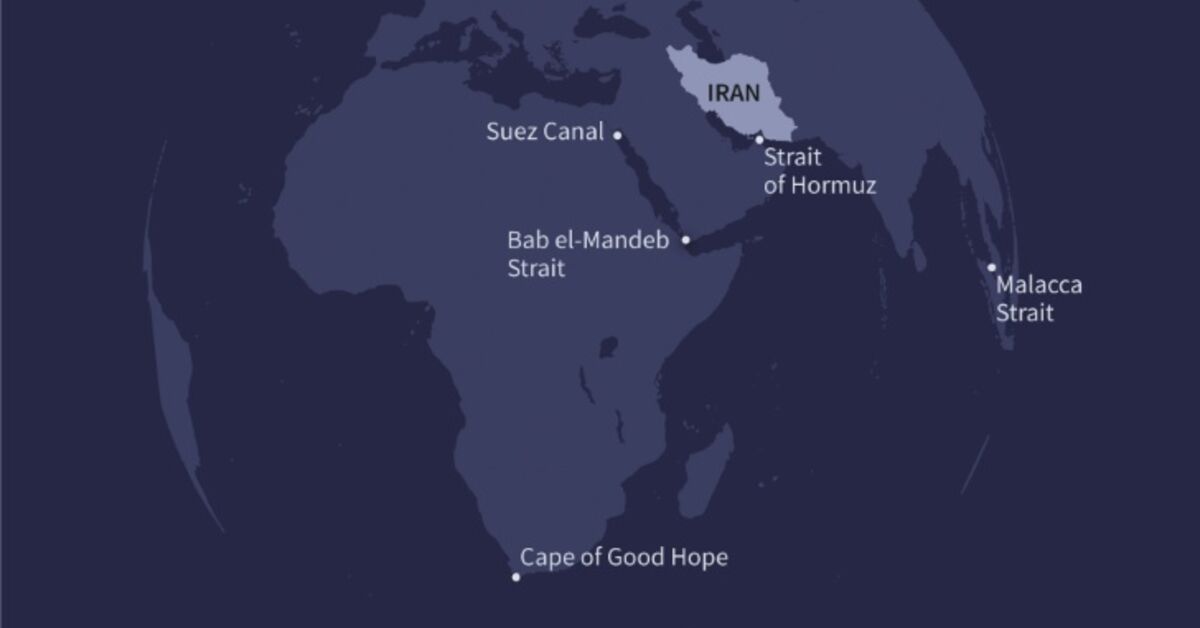
Through the Suez Canal, on the other side of the Red Sea, it also connects the Indian Ocean to the Mediterranean Sea. Given its strategic location, the Bab el-Mandeb is considered one of the most crucial chokepoints for global trade in crude oil, similar to the Strait of Hormuz, Strait of Malacca, and Suez Canal. On one side of the Red Sea is the African coastline of Egypt, Sudan, and Eritrea, while on the other side is Saudi Arabia and Yemen. Millions of barrels per day of crude oil and other petroleum products pass through the strait. Approximately 4.2 million barrels per day transited the strait in the first half of 2025, according to the Energy Information Administration. For comparison, about 20.9 million barrels per day transited through the Strait of Hormuz during the first half of last year. Risks in the region