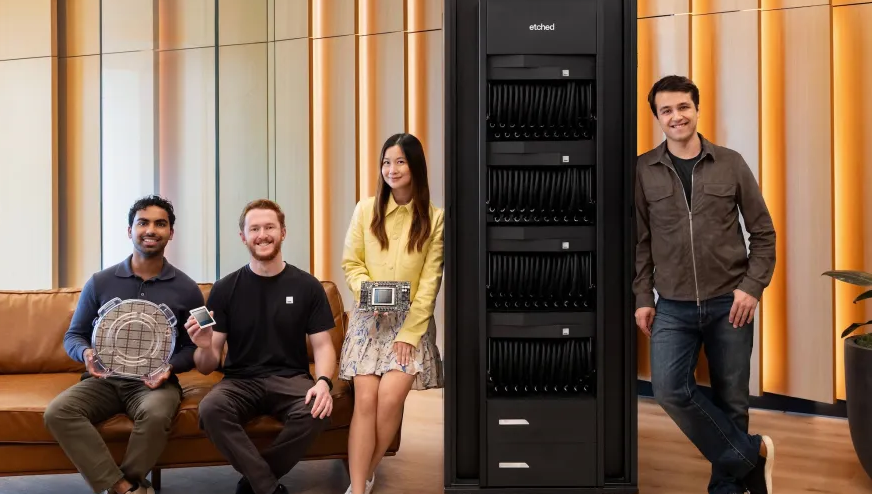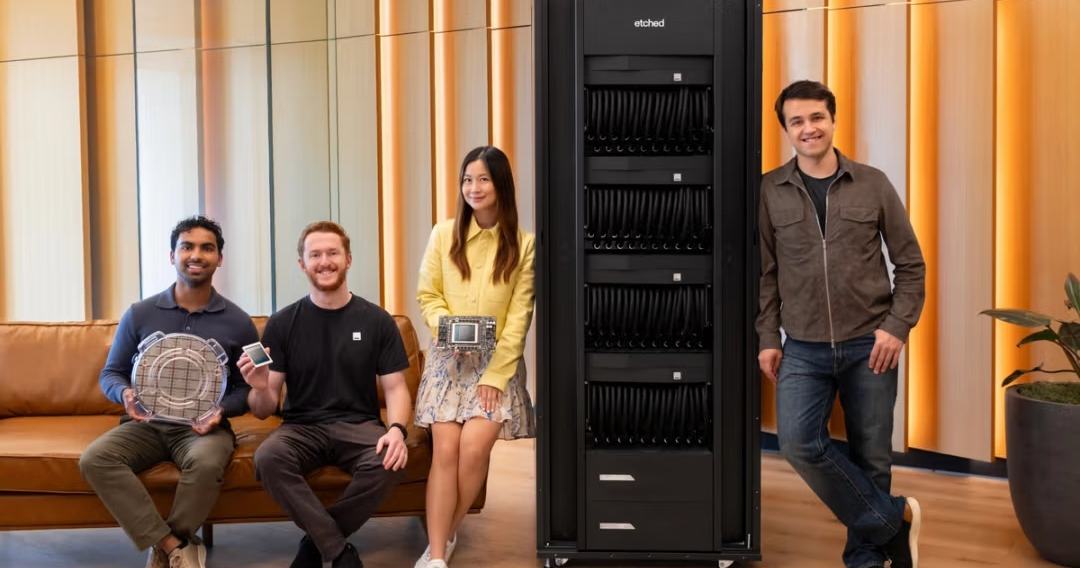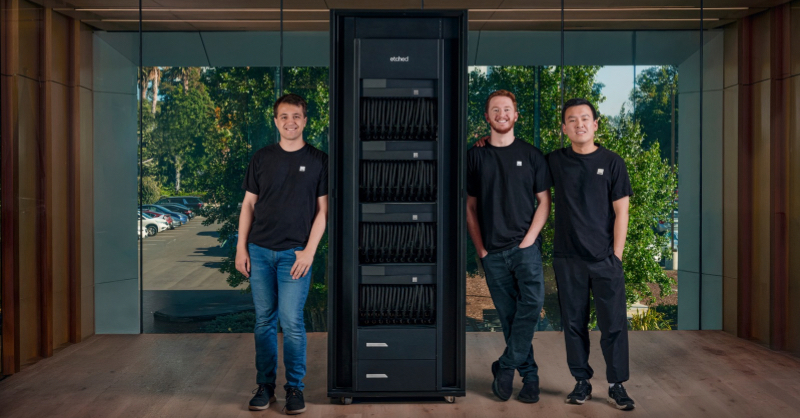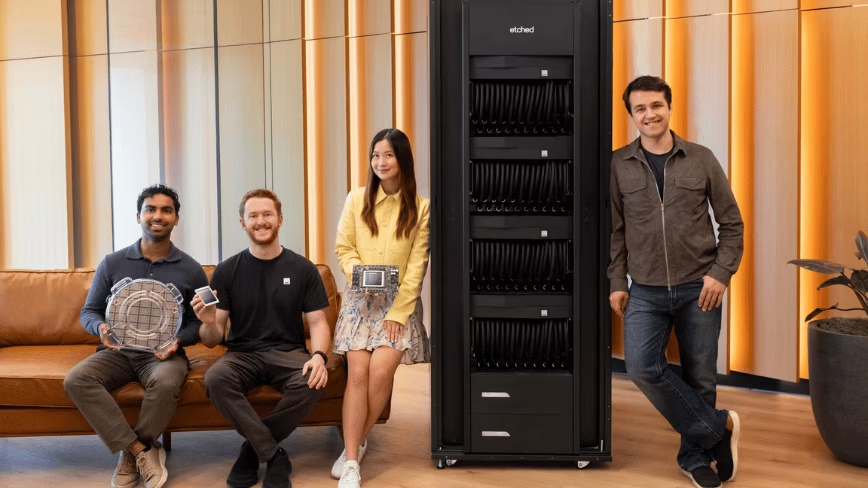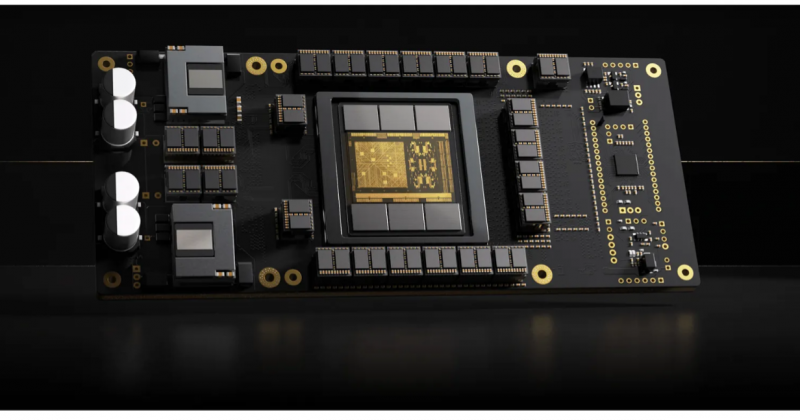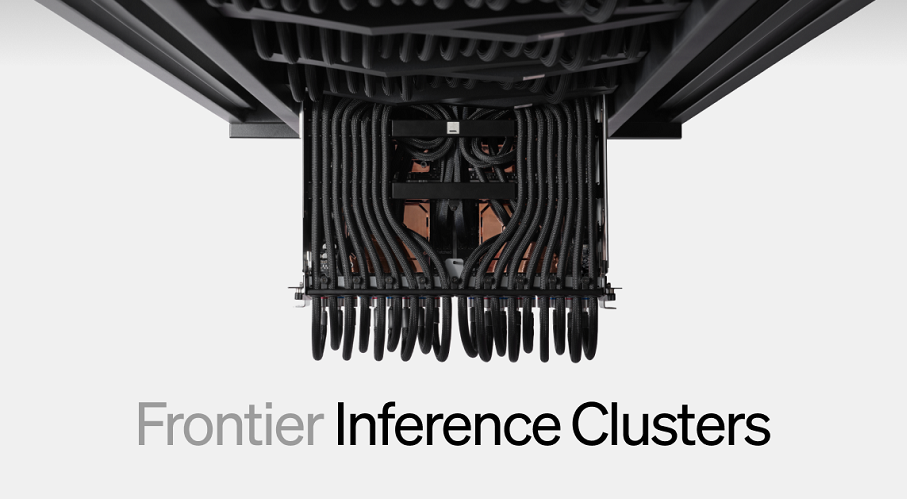
SynopsisEtched secured three hundred million dollars in a Series C funding round. This investment values the artificial intelligence chip company at ten point three billion dollars. Sequoia led the funding round with several other prominent investors participating. The company plans to use these funds to expand production and customer deployments. Demand for Etched's AI inference systems continues to grow significantly.Sequoia-backed Etched said on Thursday it raised $300 million in a Series C funding round that valued the AI chip company at $10.3 billion.Etched is among a growing number of startups seeking to challenge Nvidia's dominance in AI chips by developing hardware for inference, the process of running artificial intelligence models.Here are some details:The funding round was led by Sequoia, with participation from Andreessen Horowitz, Jane Street, Diffusion and SK Hynix.Etched said the financing represents the highest valuation ever for a Sequoia-led Series C.The company will use the proceeds to expand production and customer deployments.It recently opened an 80,000-square-foot facility near its San Jose, California headquarters to expand production and prototyping.Etched said demand for its AI inference systems continues to outpace supply as customers move from evaluation to deployment.The company said it has about 400 employees, and is rapidly expanding. ...moreElevate your knowledge and leadership skills at a cost cheaper than your daily tea.Subscribe Now
AI chip startup Etched raises $300 million at $10.3 billion valuation - The Economic Times
Etched secured three hundred million dollars in a Series C funding round. This investment values the artificial intelligence chip company at ten point three billion dollars. Sequoia led the funding round with several other prominent investors participating. The company plans to use these funds to expand production and customer deployments. Demand for Etched's AI inference systems continues to grow significantly.
TL;DRAI
Etched raised $300M Series C at $10.3B valuation to expand AI inference chip production as customer demand exceeds supply. Specialized hardware becoming critical bottleneck—market fragmenting as enterprises scale deployments beyond Nvidia's generalist approach.
214 words~1 min read