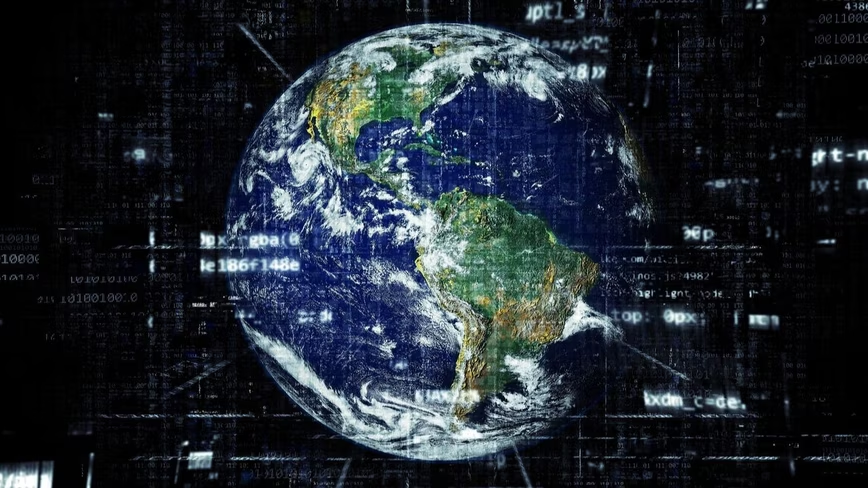
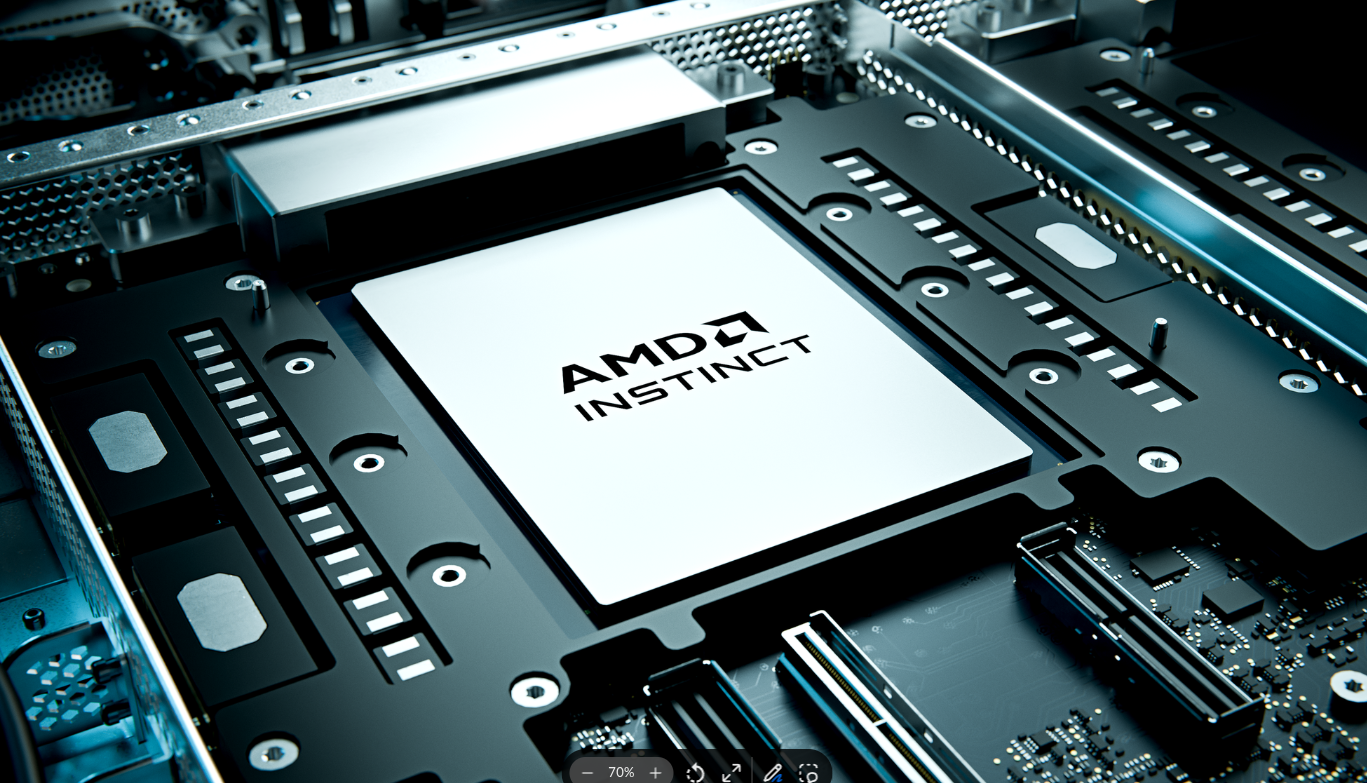
The AI industry runs on Nvidia. A team at the University of Cambridge has just shown it does not have to. They have built a planetary-scale foundation model for the Earth, and every chip that trained and ran it came from AMD.
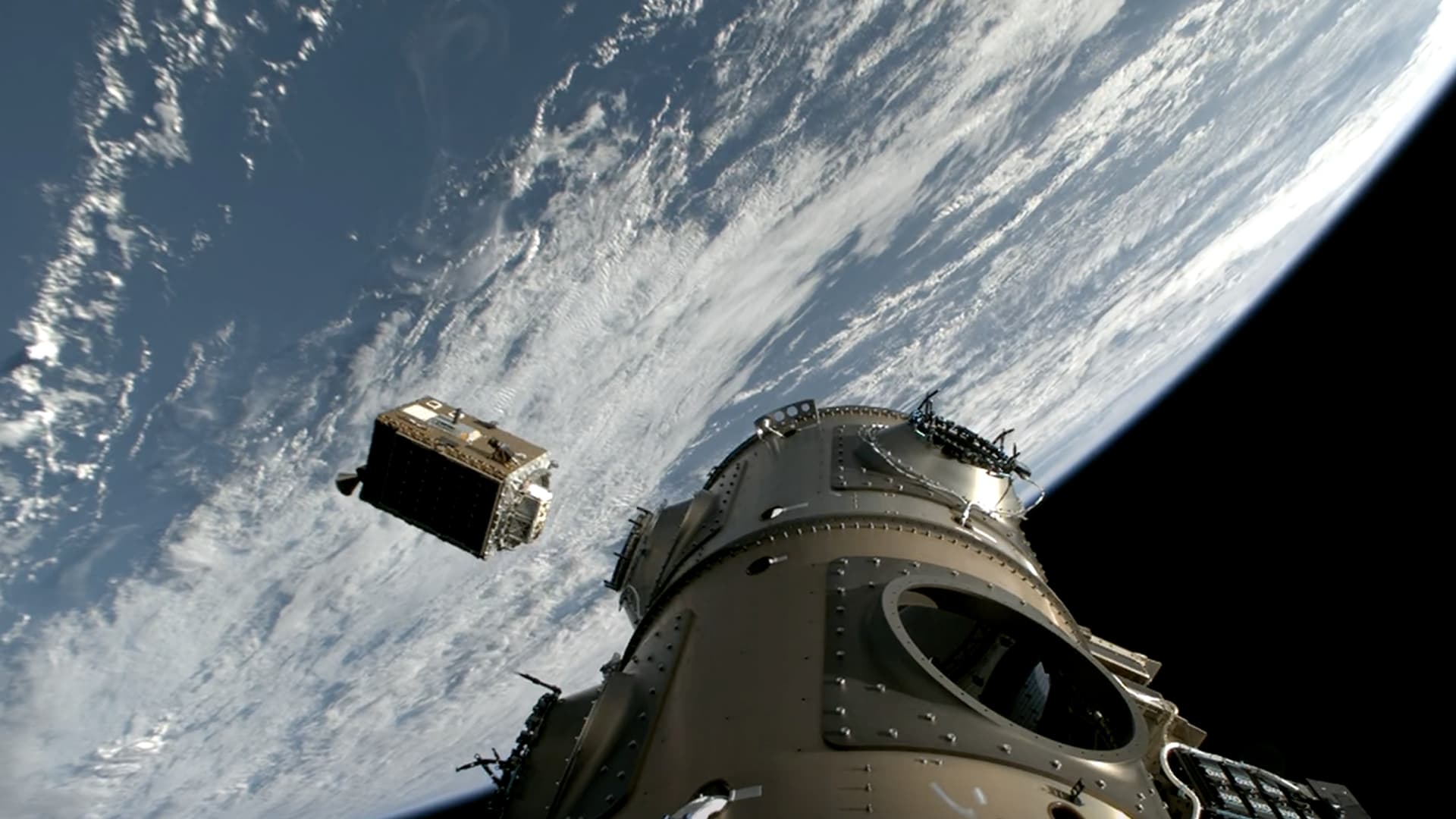
The model is called TESSERA, and its idea is borrowed from large language models. Where an LLM learns from text, TESSERA learns from space. It ingests years of imagery from the European Space Agency’s Sentinel satellites, both radar and optical, the team announced. It then compresses each 10-metre square of the planet’s land into a compact 128-number “fingerprint,” or embedding.
That sounds abstract. The payoff is not.
Normally, mapping crops, forests, or floods from satellite data means building a bespoke model and hand-labelling thousands of examples for each task.
With TESSERA’s fingerprints already computed, researchers can build those tools with far less data, often on an ordinary CPU. The team says it needs about 30 times less labelled data than starting from raw imagery.The 💜 of EU techThe latest rumblings from the EU tech scene, a story from our wise ol' founder Boris, and some questionable AI art. It's free, every week, in your inbox. Sign up now!






 aboutamazon.com