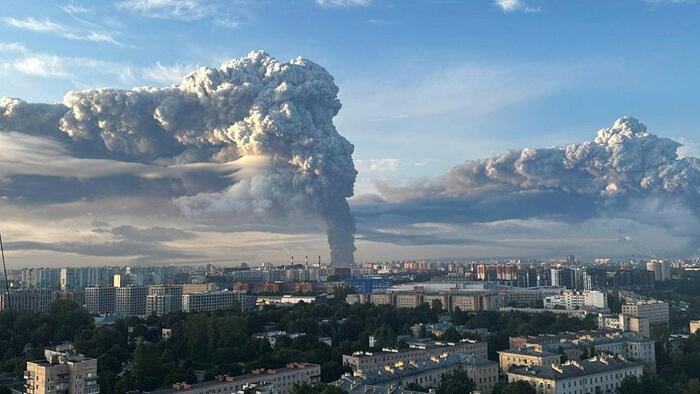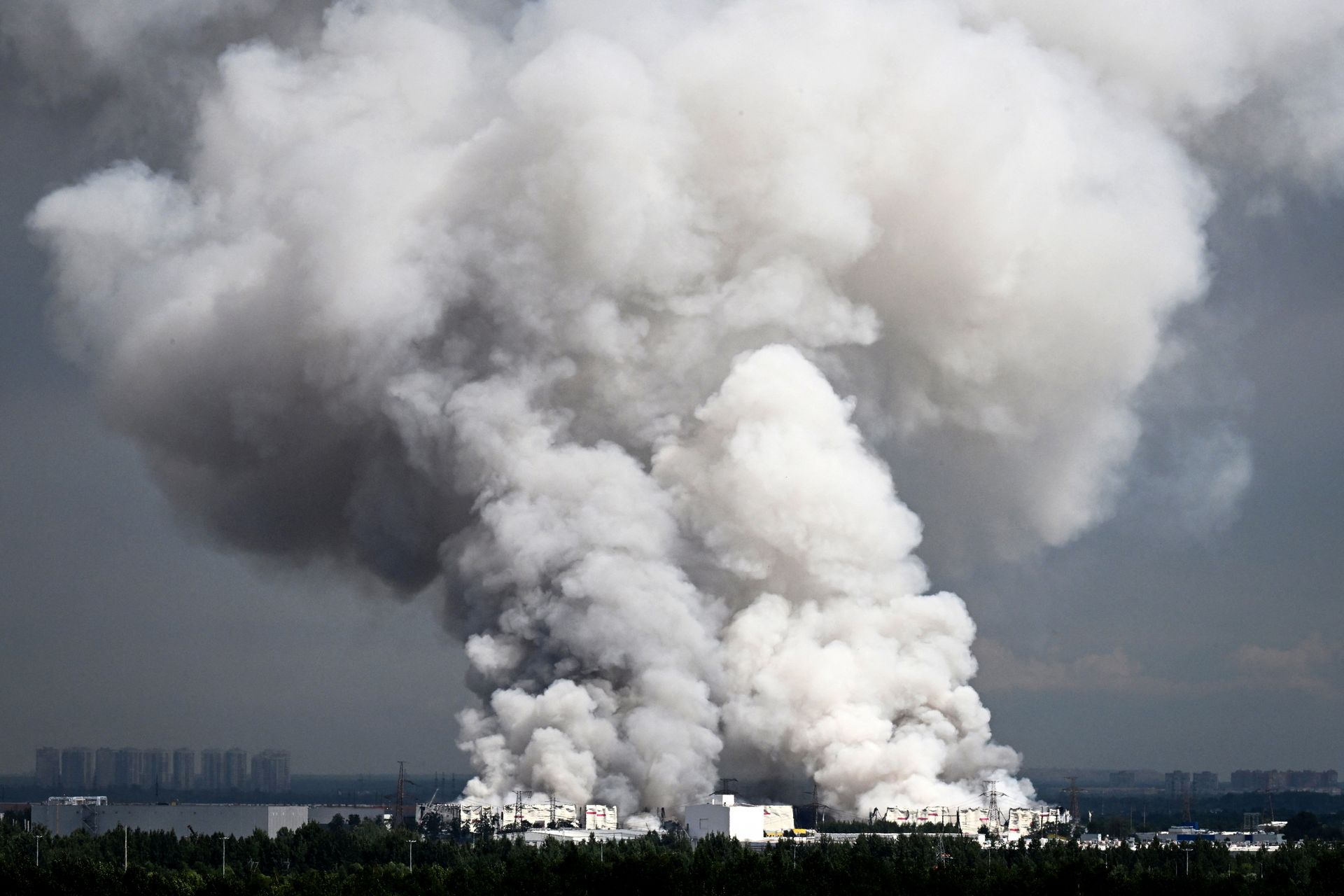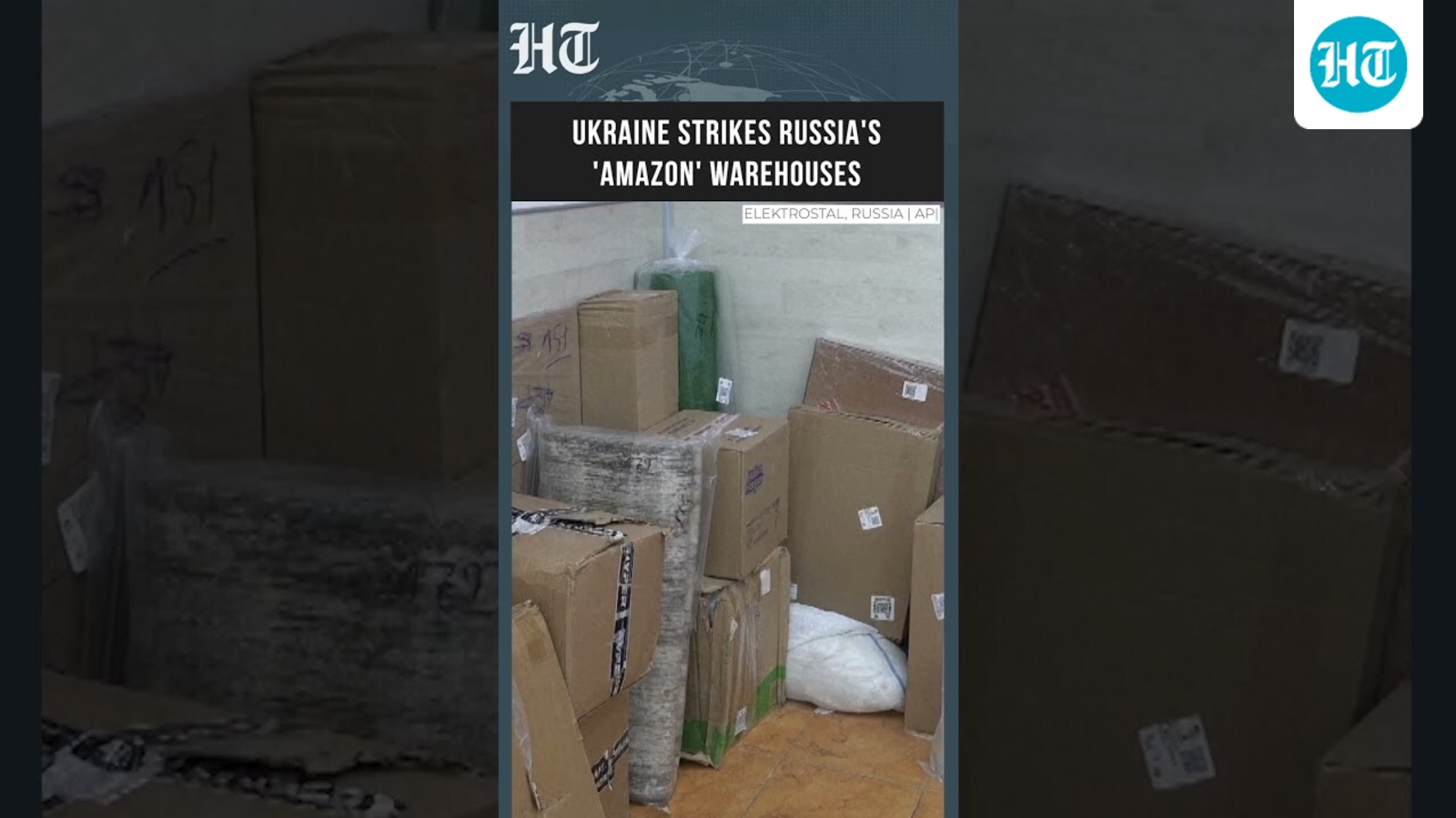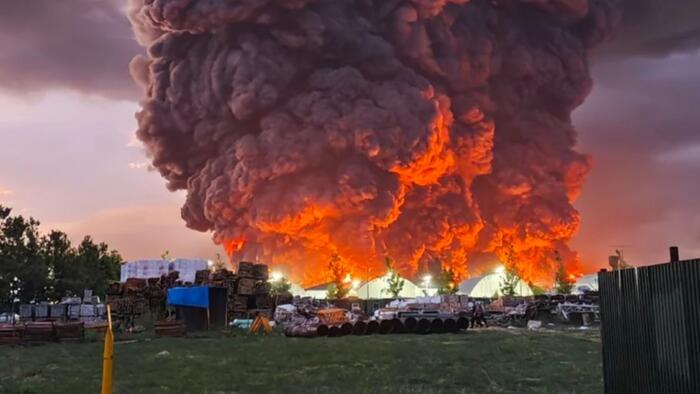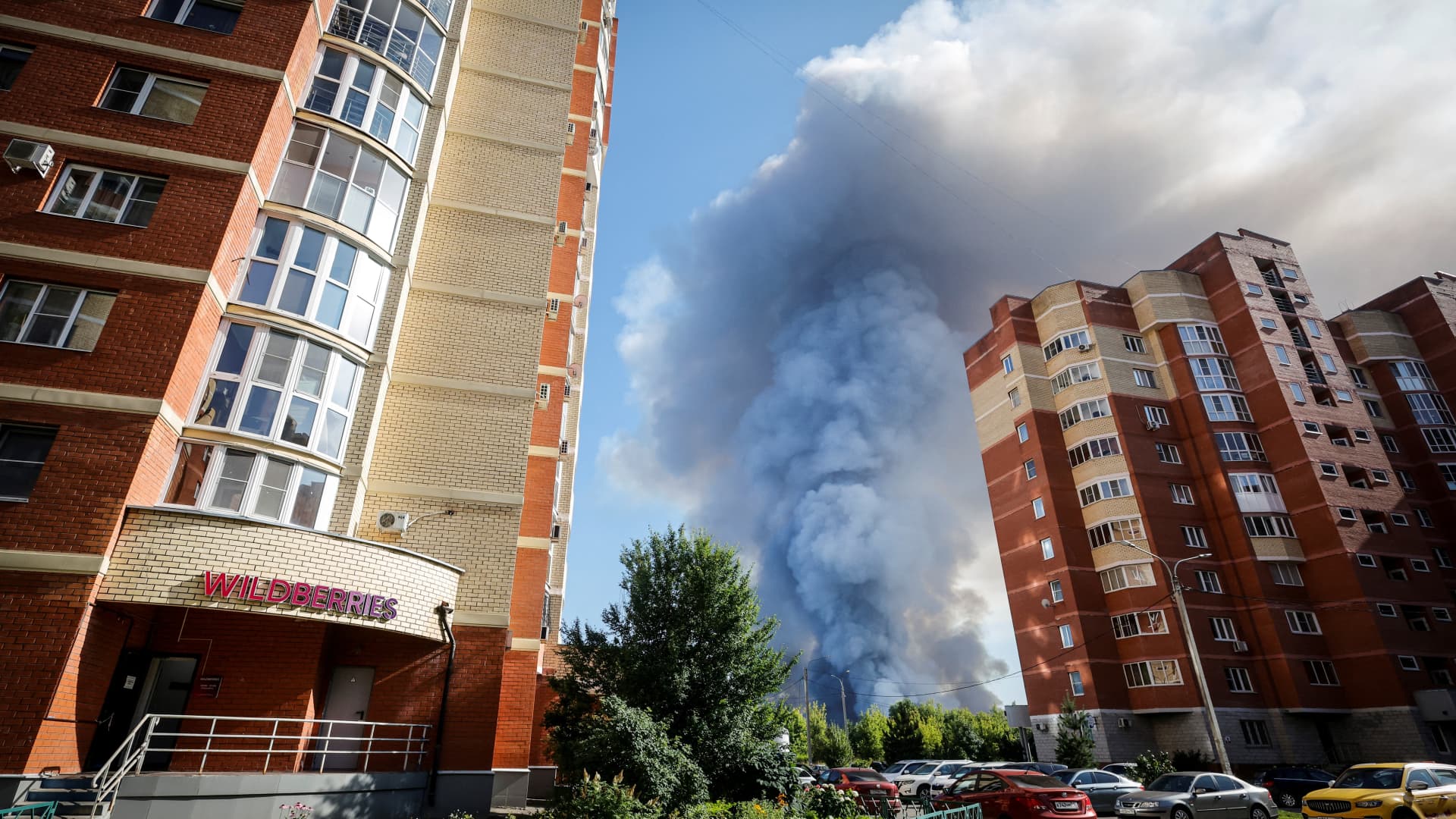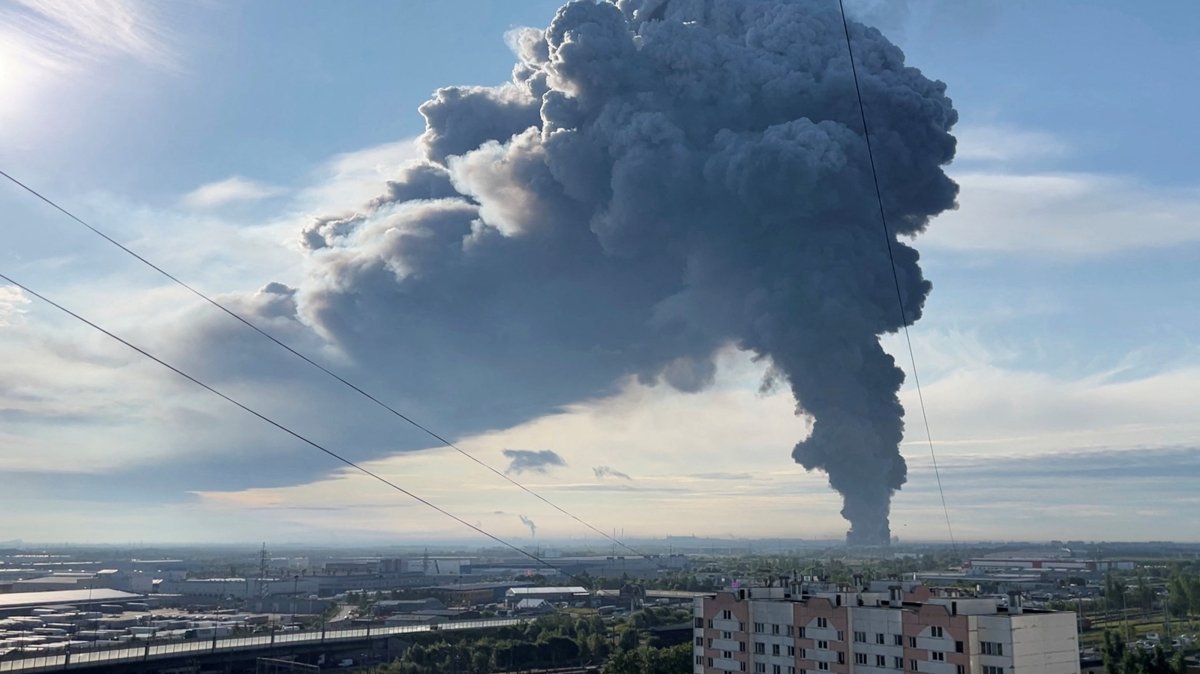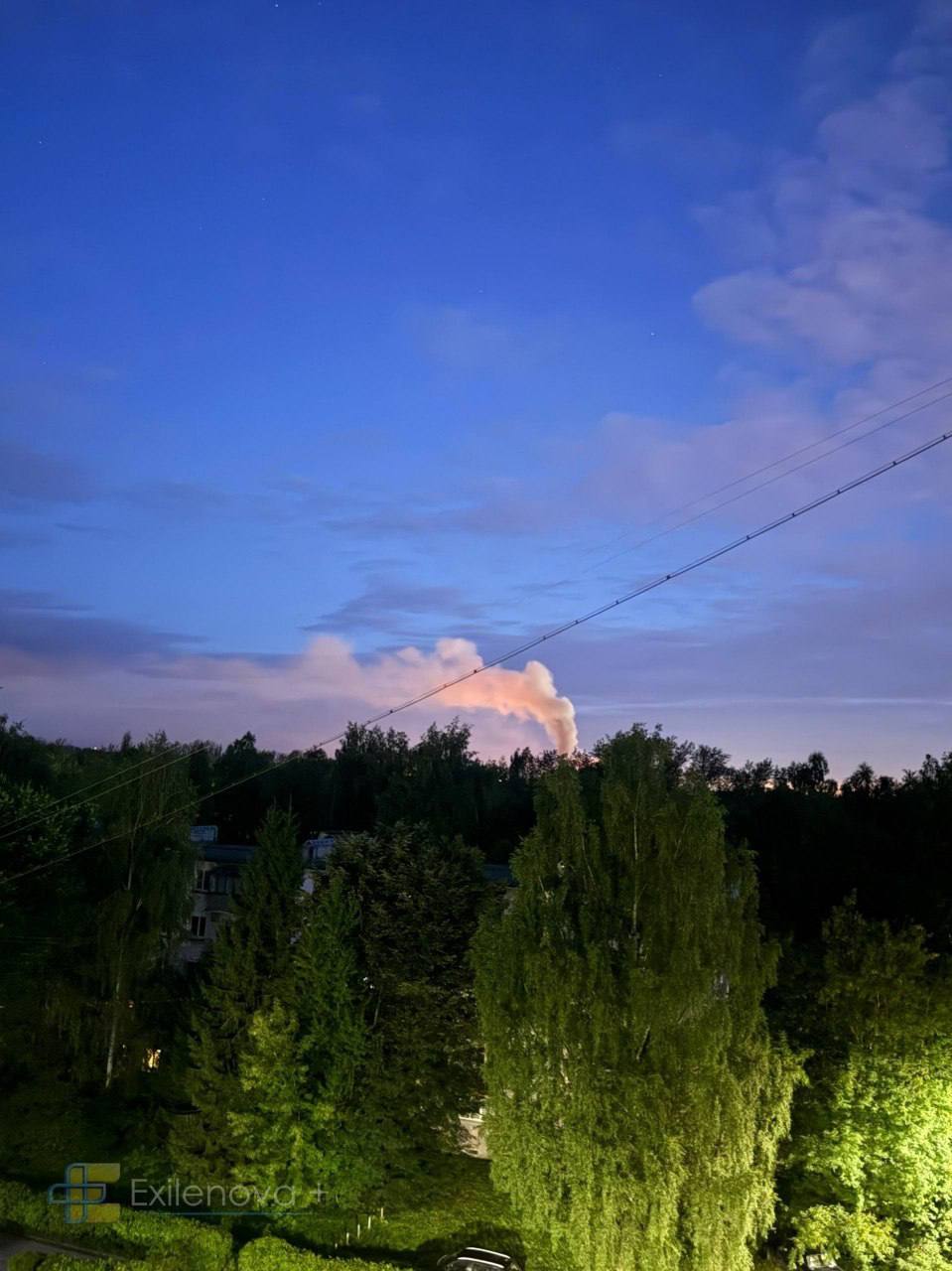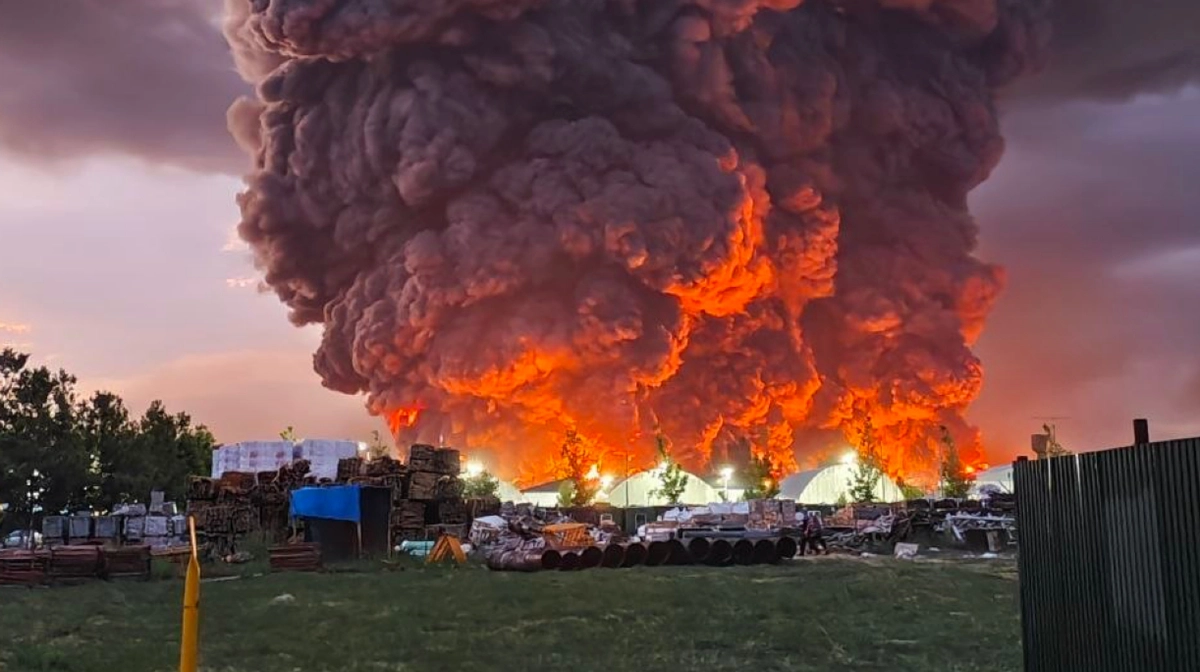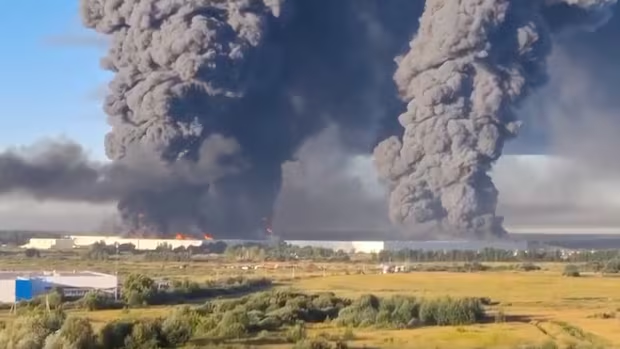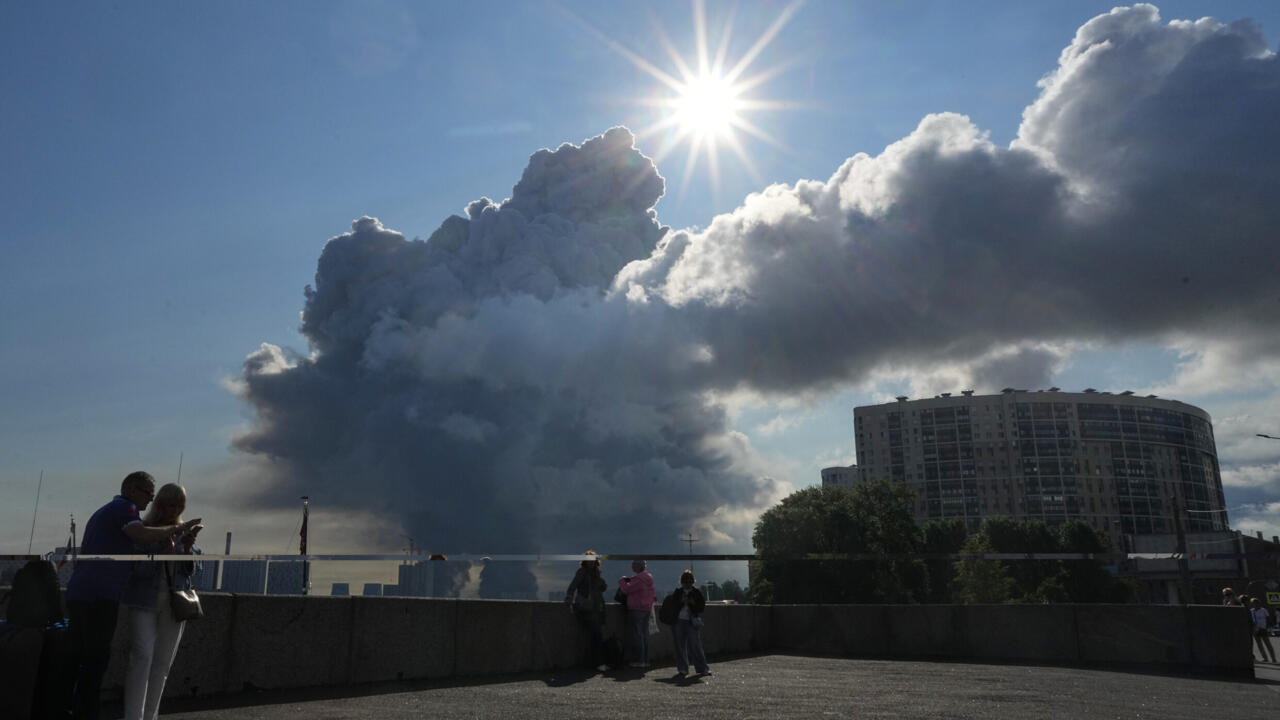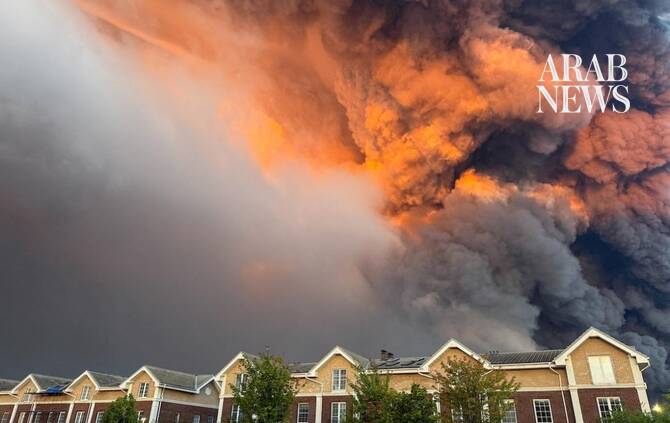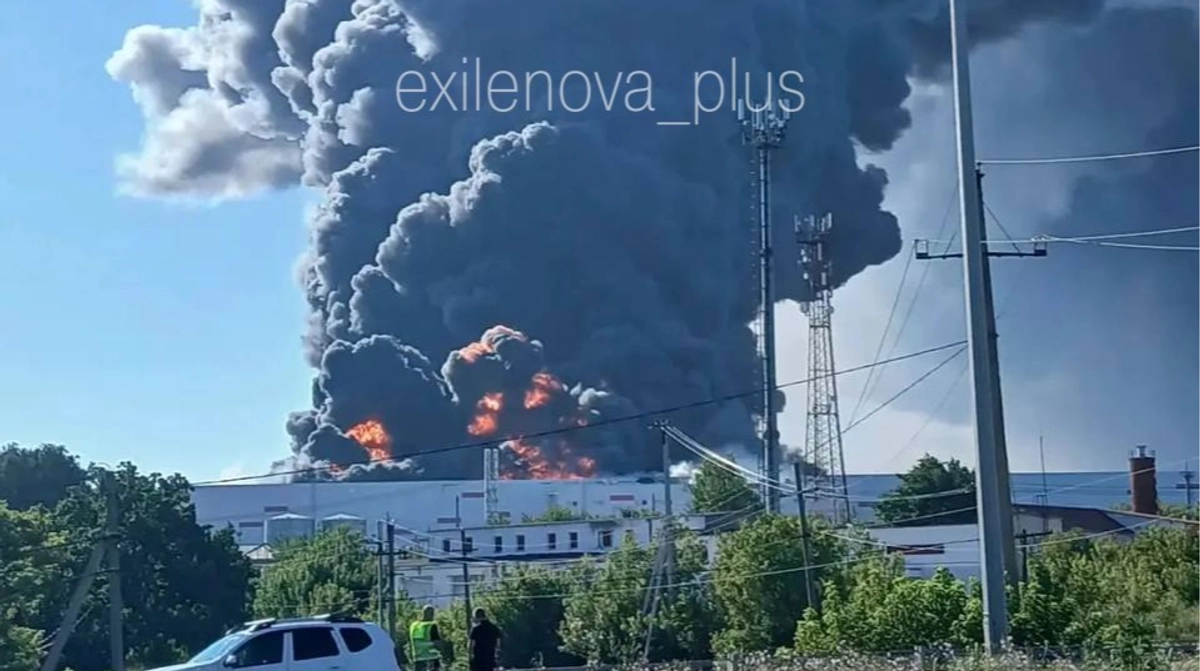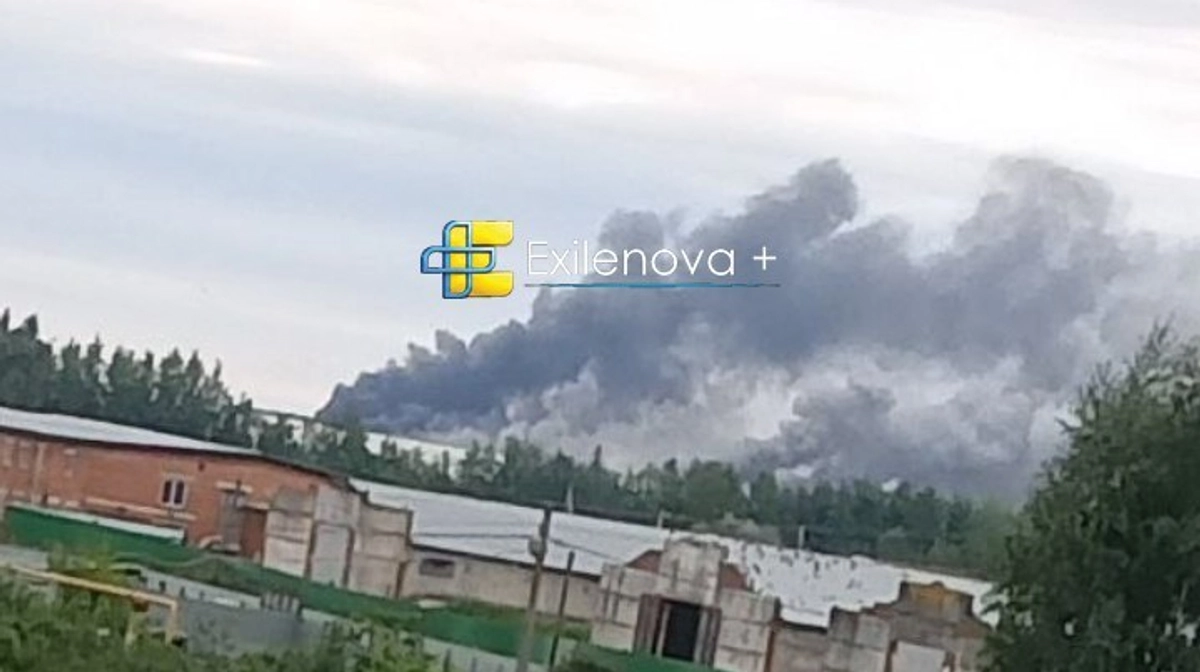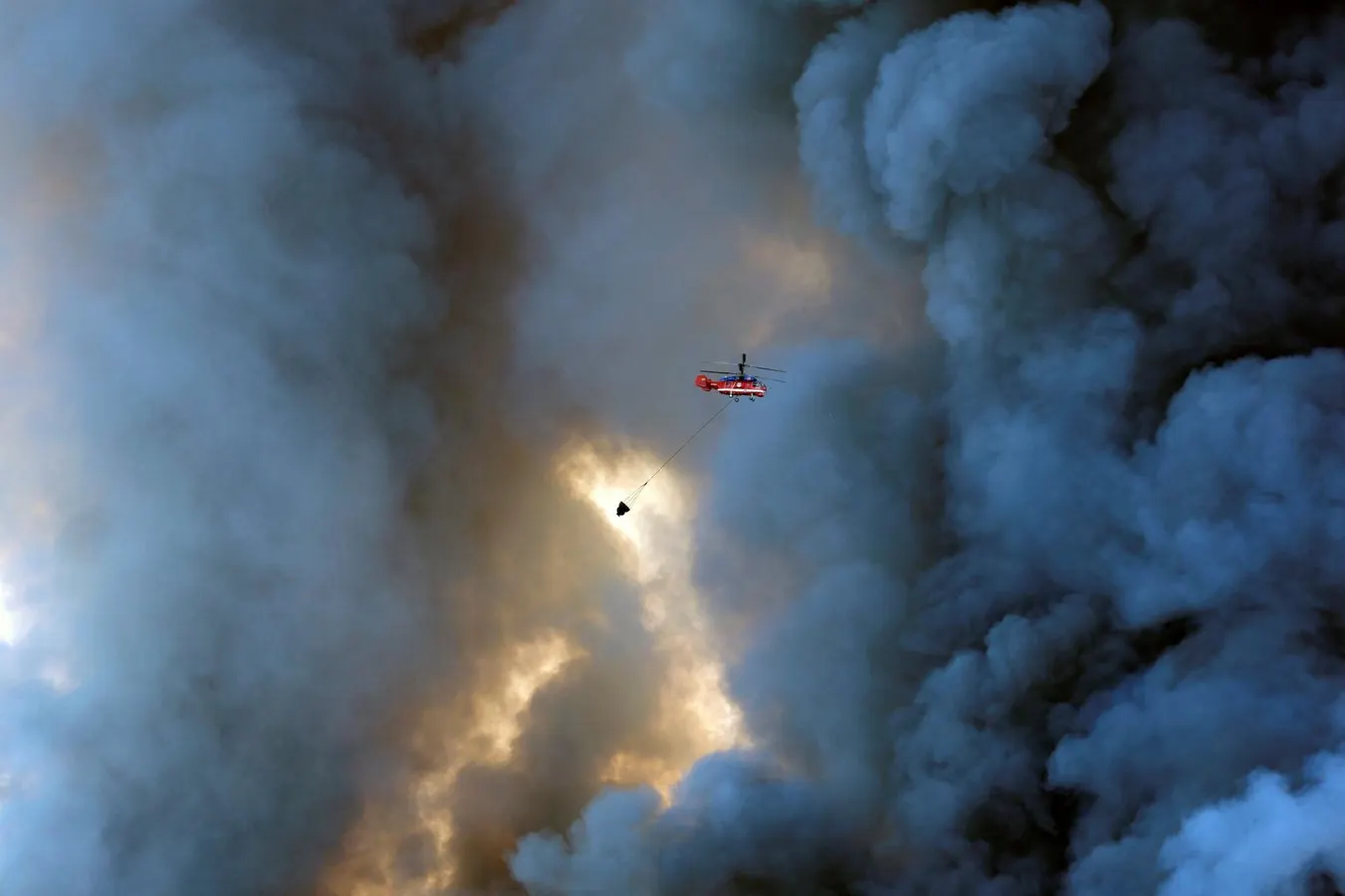
A Russian firefighting helicopter is dwarfed by the fire at the Russian e-commerce firm Wildberries' logistics complexes in the town of Elektrostal outside Moscow on July 18, 2026.AFP via Getty ImagesRecent scenes show Moscow resembling Mordor with a thick cloud of black smoke dominating the skyline. A facility operated by Wildberries, a giant Russian e-commerce outfit resembling Amazon, was struck by drones and completely destroyed. Other locations have had similar treatment.The strike inflicted huge economic damage, estimated at almost $2 billion. Tens of thousands of Muscovites will find their deliveries canceled and the atmosphere heavily polluted. Anyone who thought this war only affected other people may be changing their mind, especially the many resellers reportedly been put out of business. From a military perspective though, this strike, and the infernos which have engulfed other Wildberries facilities, have some important lessons for the rest of the world. Ukraine has found another weak point in the modern online economy and exploited it effectively. Burning Down The HouseDrones like Ukraine’s Fire Point FP-1 carry much smaller payloads than missiles or warplanes. A Tomahawk cruise missile has a 1,000-pound warhead; an F-15E typically delivers over 10,000 pounds of bombs but can carry more. A B-1A bomber brings a full 75,000 pounds of munitions.The Fire Point FP-1 deep-strike drones is relatively small and carries a modest payload by military standards.AFP via Getty ImagesWhen configured for long-range strikes, the FP-1 carries a warhead weighing just 120 pounds. With such a weapon, targets must be chosen carefully. This amount of explosive may barely scratch a bunker, and will only inflict minor damage on large targets like factories or office blocks, requiring multiple hits for an effective strike. Ukrainian planners know that the secret of small drone attacks is not their explosive power, but technique. In a phrase coined by T.X. Hammes in 2016, the drone just needs to “bring the detonator.” This means finding targets which do not need to be destroyed from outside but will destroy themselves once ignited.The Russians showed this in 2017-18 when they carried out a series of drone sabotage strikes on Ukrainian ammunition dumps. In one case a small quadcopter blew up some 20,000 tons of munitions. Since then the Ukrainians have become masters of the art, using drones to set ablaze Russian refineries and oil and gas storage facilities as well as ammunition dumps and parked aircraft. The drone campaign against energy has been so effective that Russ now has a widespread fuel crisis. Tougher targets, such as factories, require bigger weapons like the Fire Point FP-5 Flamingo with its 2,000-pound warhead, or forthcoming Ukrainian ballistic missiles. But now strike planners have found a new target set for their drones: facilities operated by the giant online retailer Wildberries. As with other targets, these were selected because they are high value and can be set ablaze by a small drone. Danger: Flammable Goods If they are like their Western equivalents, as much as 20-30% of the contents of a typical fulfilment warehouse will be cardboard packaging, paper, and wooden pallets. Another 20% is plastic toys, household goods. and packaging. Another 20% may be textiles and clothing, including flammable synthetics. Furniture adds another 10% – this is combustible (it burns) but not flammable (easy to set alight). Non-combustible materials like metal, glass and ceramics typically comprise less than 20% of the contents. In other words, much of what is inside is flammable, including plastic which burns at high temperature and releases that thick black smoke. The situation is further worsened by the presence of many thousands of cans of aerosols, from hairspray and insecticides to paint and penetrating oil. Once these are ruptured by heat, the flammable propellant tends to form a cloud which can in turn ignite and spread the fire rapidly. Many items contain batteries, from e-bikes, power banks, cordless tools to all sorts of electronics. These also burn at very high temperature and make the fire harder to extinguish.Even some initially non-flammable items may be dangerous. Wildberries sells drinks, including several thousand under the classification "Vodka." As the fire develops it will reach over 400C and bottles start to crack, spilling their contents and setting off a chain reaction. All the warhead needs to do then, is get the fire going. High explosive is not an efficient way of starting fires, and we do not know what sort of warheads may have been used. However, we know that Russian Shahed drones, which also carry warheads in the 100-pound range, are often equipped with incendiaries. Napalm, used in WWII and Vietnam, is an effective incendiary Getty ImagesThe original Shahed warhead is a blast/fragmentation design which throws out lethal shrapnel. Many variants have emerged since then, some of them including “incendiary elements”, usually in the form of blocks of magnesium, zirconium, aluminum or other reactive metal which burns fiercely once ignited. These are embedded in the explosive, and are projected outwards from the blast to start numerous fires. Some of the Russian warheads contain stacks of the more sophisticated GE30M incendiaries, a mix of metal and barium perchlorate, an oxidizers to guarantee that the material ignites. Others reportedly include metal hydride, and even a few with a liquid incendiary resembling napalm. A hundred pounds is not a lot in explosive terms. But it is enough to start a lot of fires. Massive open floor plans – the Elektrostal facility occupied more than 50 acres – allow a free flow of air, so any fire can grow rapidly and spread across acres of flammable material.Damage AssessmentImagery from after the event shows the Moscow Wildberries warehouse has been burned down to the ground. Damage runs into the billions, and insurance will apparently not pay out. The biggest losers may be the resellers who sold via Wildberries, some of whom are likely to go out of business as a result.From WIldberries "Evertthing for the SVO" selectionWildberriesRussians complain that Wildberries is a civilian organization and nothing to do with the war effort. But, as Ukrainian officials pointed out, it did directly supply troops in the “SVO” (the Special military Operation, the preferred Russian term for the invasion) with drones and other equipment, Wildberries even has a page marketing “everything for the SVO” including radio sets, fiber reels for FPV drones and complete tactical clothing ensembles, yours for just $500. In this world of dual-use items, the warehouses and distribution facilities of companies like Wildberries have become targets. These operations have revolutionized the retail world, offering world-beating economies of scale and giving consumers unprecedent level of choice and speed of delivery. The problem is that, unless they have highly efficient fire-extinguishing systems, such sites may be vulnerable to catastrophic fires like those we have just seen. A traditional, dispersed retail operation would require far more extensive attacks. But giant, centralized warehouses filled with flammable goods now look like obvious targets for drone attacks, just like oil storage tanks.Hitting these warehouses not only causes disproportionate economic damage, it will also have knock-on effects as supply chains which have come to rely on online retails are readjusted. Those columns of smoke are seriously bad news for Russian and Wildberries. They are also a warning signal to the rest of the world.
Why Do Russia’s Wildberries Warehouses Burn So Fiercely?
Ukrainian drones hit facilities operated by Russian e-commerce giant Wildberries with spectacular results. This might have been predicted by the tyoes of material stored inside.
1,202 words~5 min read