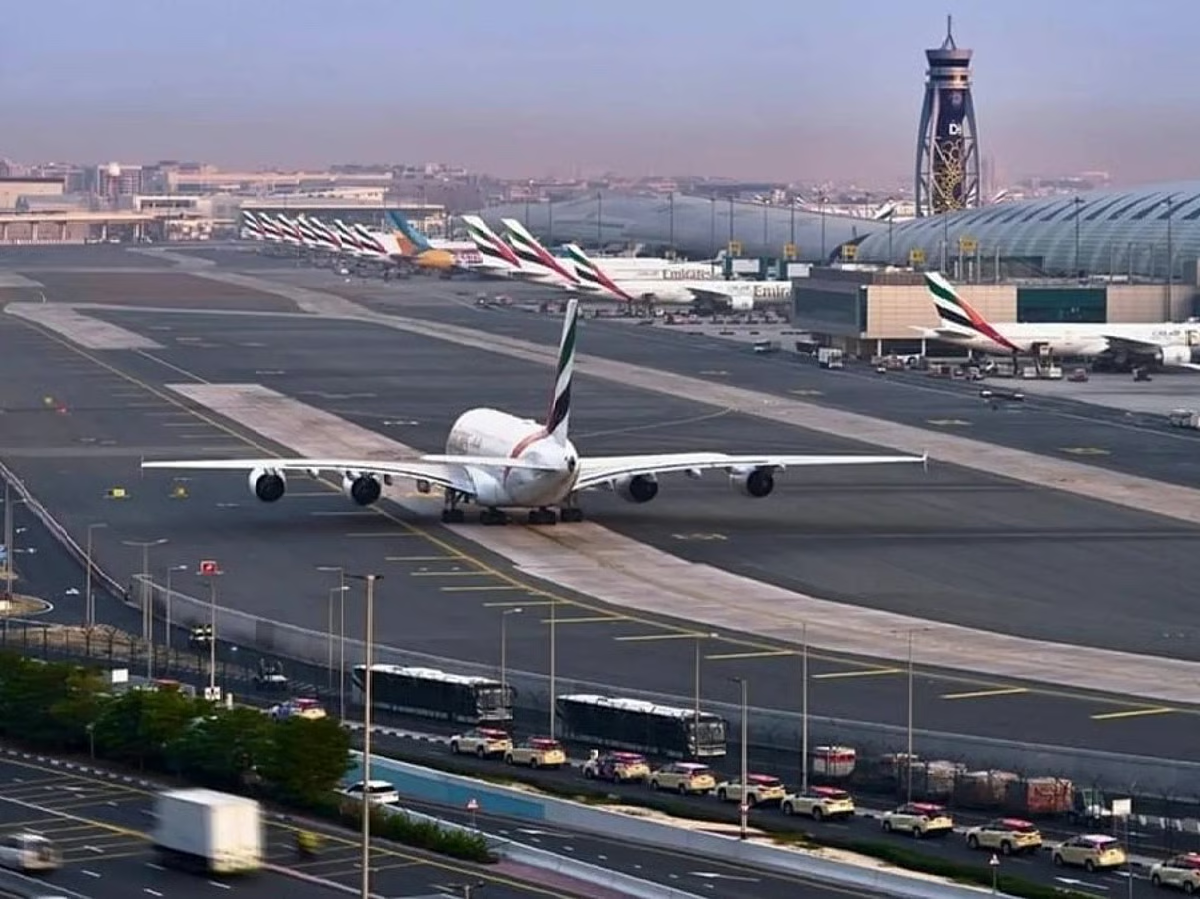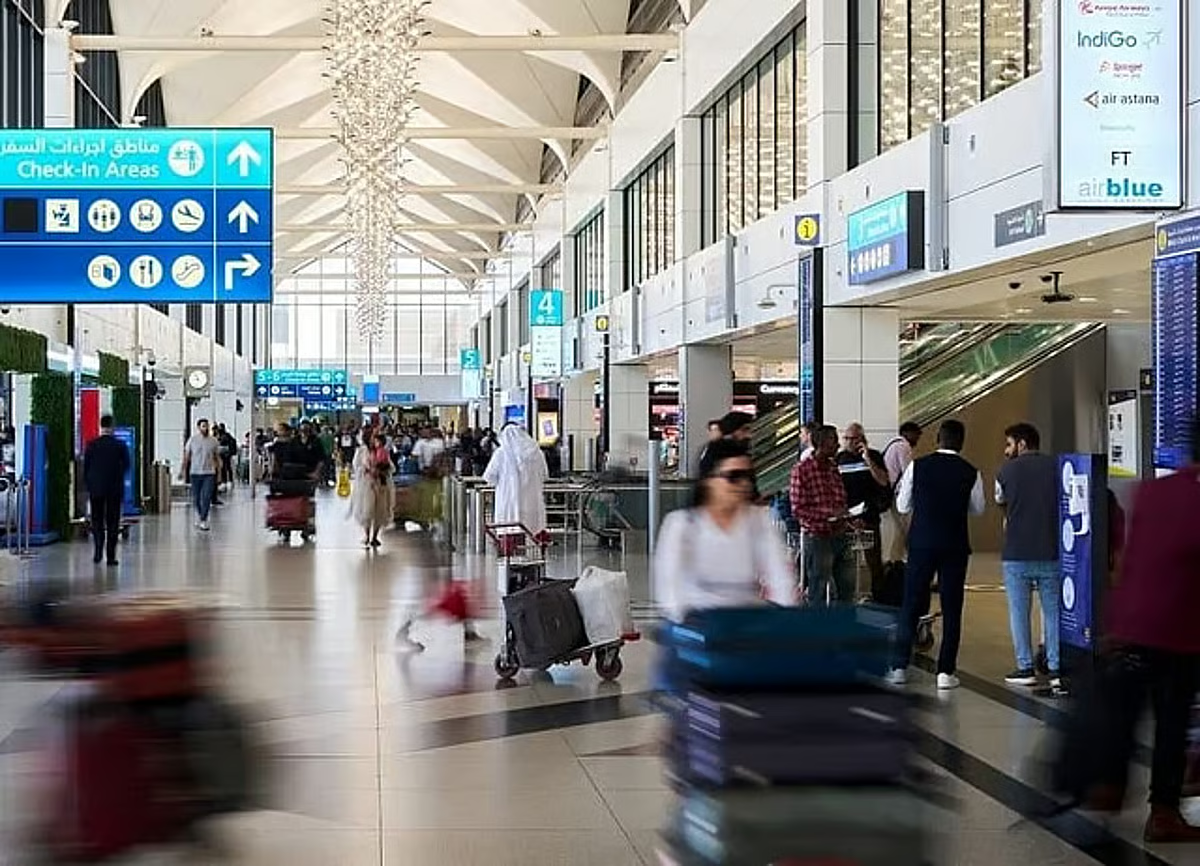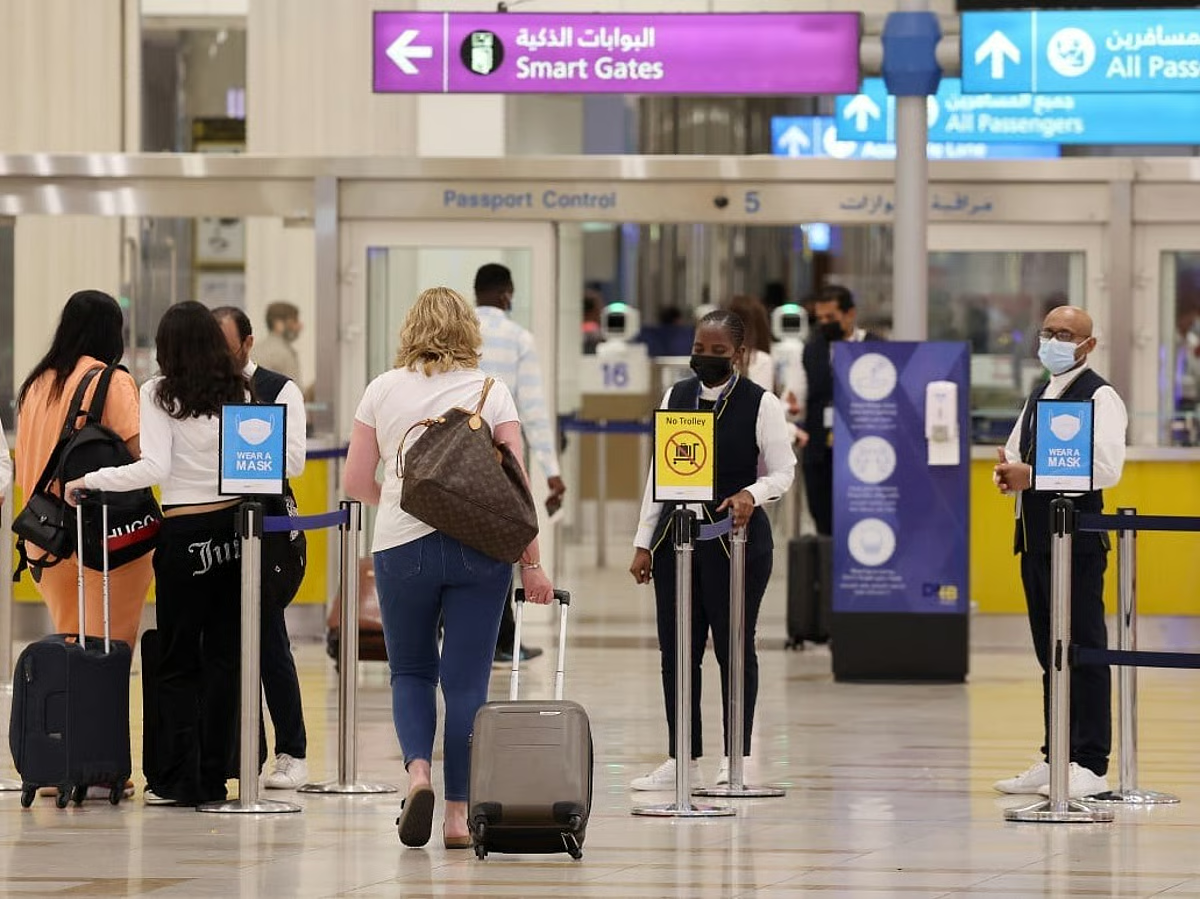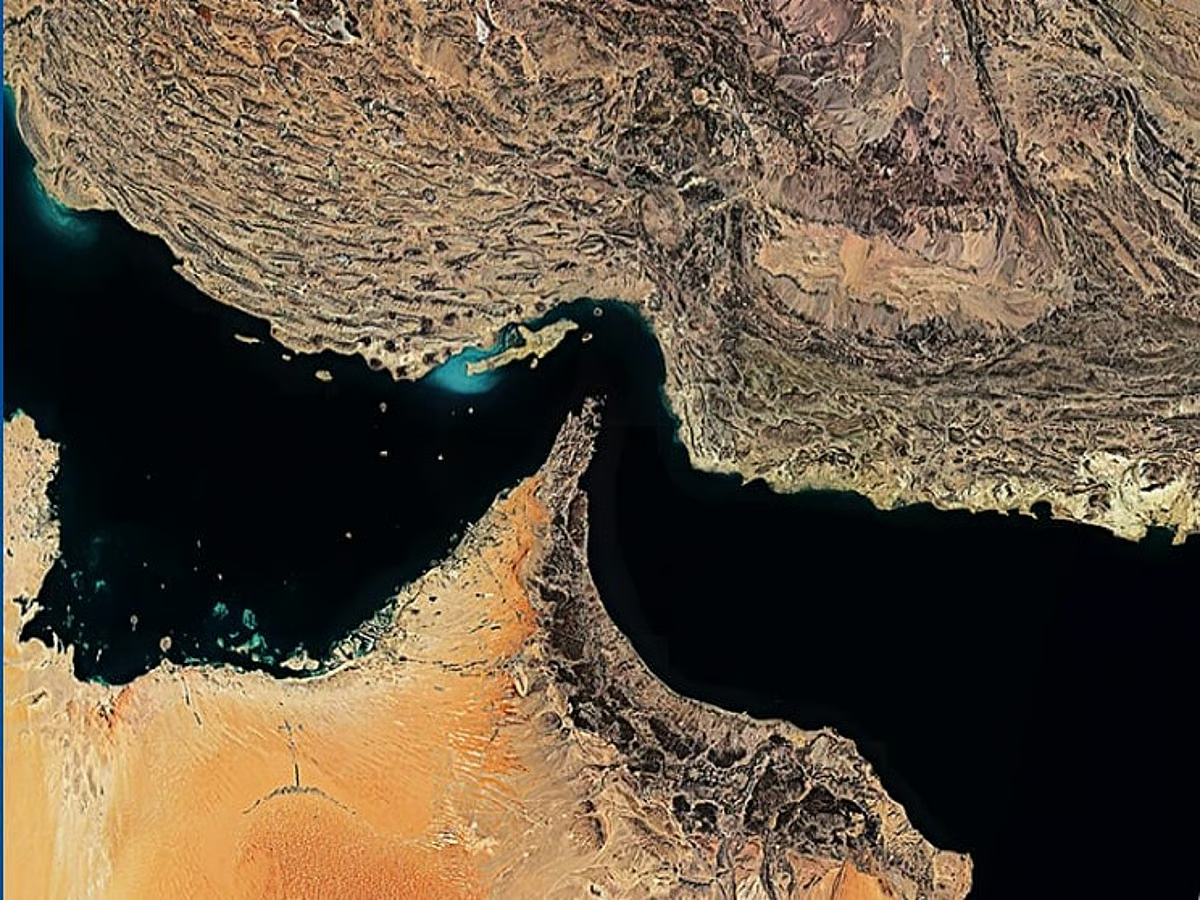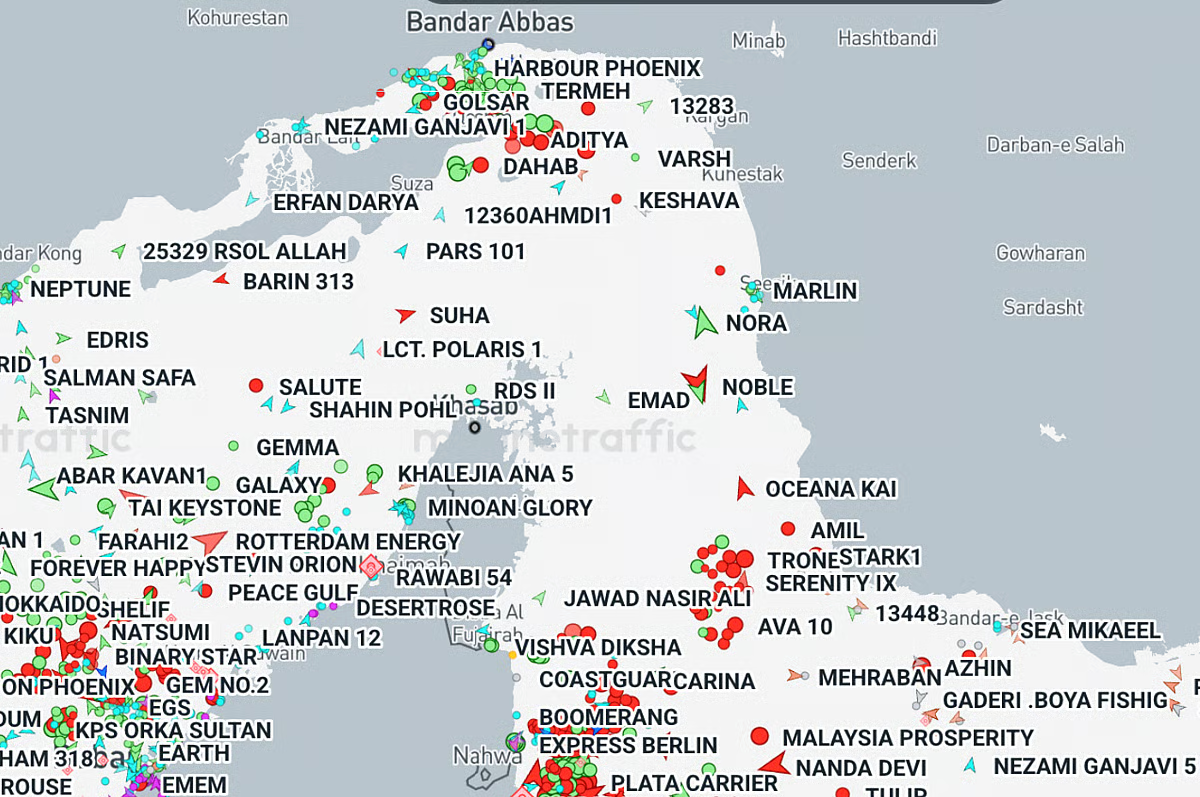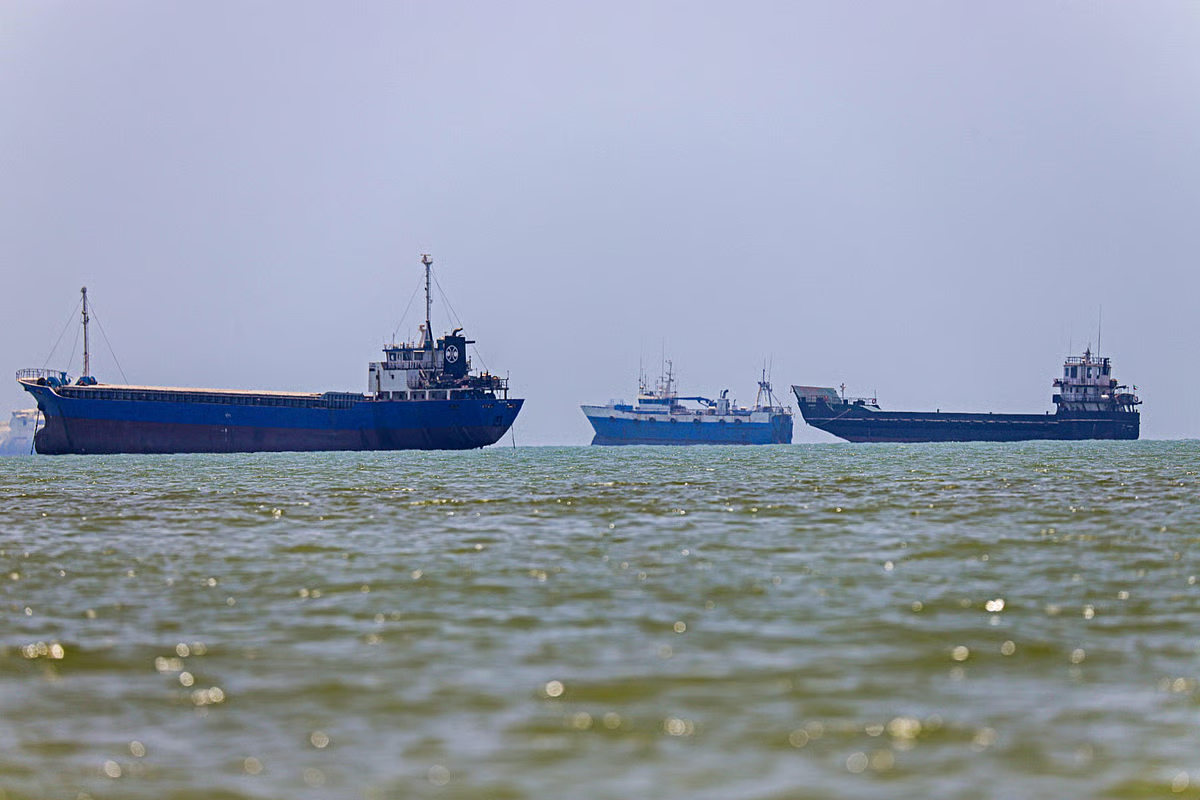
Dubai: The conflict between the US and Iran has entered a more dangerous phase, with hostilities spreading across the Middle East and raising concerns over regional security, global energy supplies and international trade.Although the UAE has not been directly targeted, residents and businesses are closely monitoring developments as military activity moves towards some Gulf states, Jordan and key energy infrastructure and major shipping routes. The latest escalation has seen the US launch a 12th consecutive night of air strikes inside Iran, while Tehran has vowed to respond with "an eye for an eye". At the same time, Yemen's Iran-backed Houthi rebels have widened the conflict by targeting commercial oil tankers in the Red Sea.A look at the latest developments:UAE flights remain largely operationalSeveral international carriers have suspended or reduced services to the UAE and other Middle East destinations, with some cancellations extending into late October. Other airlines have gradually resumed operations on selected routes.Passengers are advised to check directly with their airline before travelling to the airport, as flight schedules and routes may change at short notice. Travellers are also encouraged to arrive earlier than usual and monitor airline updates for any last-minute changes.Iran accuses US of aggressive approachIranian Foreign Minister Abbas Araghchi criticised Washington's handling of the crisis, describing the US approach as "irrational" and "domineering".Speaking on Iranian state television, Araghchi said Tehran had responded firmly to what it considers excessive pressure from the United States, signalling that Iran has no intention of backing down as tensions continue to rise.Trump warns Houthis of military responseUS President Donald Trump warned Yemen's Houthi rebels that further attacks on commercial shipping would trigger a strong military response.In a post on Truth Social, Trump said the United States would hold Iran responsible for any future Houthi attacks, describing the group as an Iranian proxy. He said both Iran and the Houthis would face "major military punishment" if the assaults continued.Saudi nuclear deal linked to Israel tiesAccording to the US president, the agreement does not permit uranium enrichment and remains conditional on Saudi Arabia joining the Abraham Accords, which were launched during Trump's first term to normalise relations between Israel and several Arab states.Drones strike Kuwait-Iraq borderKuwait reported that hostile drones struck near the Al-Abdali border crossing with Iraq, causing material damage but no casualties.An Iraqi security source confirmed the incident, while a Kuwaiti official told AFP that Iran was believed to be responsible. The attack is the latest sign that the conflict is spreading beyond its original battlefield.US approves record defence spendingThe US House of Representatives narrowly approved the 2027 National Defence Authorization Act, authorising a record $1.15 trillion in defence spending.The legislation passed by a vote of 216-212 as lawmakers debated military funding against the backdrop of the widening conflict with Iran.EU condemns Red Sea attacksThe European Union criticised the Houthi attacks on commercial shipping, calling them illegal and dangerous.EU foreign policy chief Kaja Kallas said the assault on an oil tanker further increased tensions in an already volatile region and called on the Houthis to immediately stop targeting civilian vessels.Britain withdraws embassy staffThe United Kingdom has temporarily withdrawn its remaining diplomatic staff from Iran because of the deteriorating security situation.The Foreign Office said the British embassy would continue operating remotely while monitoring developments.Gulf states strengthen air defencesBahrain activated air raid sirens after Iranian forces claimed to have targeted US military assets in Bahrain, Jordan and Kuwait.Jordan's military said it intercepted three Iranian missiles, while a fourth landed in an uninhabited area. Kuwait also confirmed that its air defences intercepted hostile drones overnight.The incidents underline the growing risk of the conflict spreading across the Gulf region.Oil prices surge as markets reactGlobal oil prices jumped sharply after the latest attacks on shipping in the Red Sea.ECB warns of inflation risksEuropean Central Bank President Christine Lagarde warned that the renewed conflict in the Middle East could push inflation higher than previously expected.Speaking after the ECB kept interest rates unchanged, Lagarde said rising geopolitical tensions and attacks on oil shipments had increased the risks to the global inflation outlook.As fighting intensifies and military threats expand across the region, governments, airlines and financial markets remain on high alert, with concerns growing that any further escalation could have far-reaching consequences for regional stability and the global economy.
US-Iran conflict: Evening updates for UAE residents
US air strikes, Iranian threats and Houthi attacks: what the deepening US-Iran conflict means for UAE flights, Gulf security and global oil markets today.
710 words~3 min read