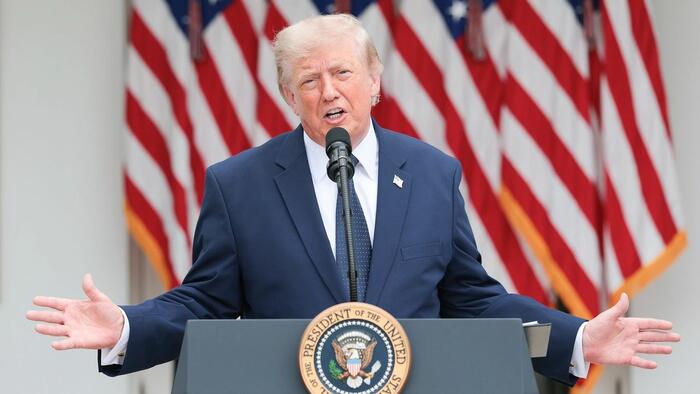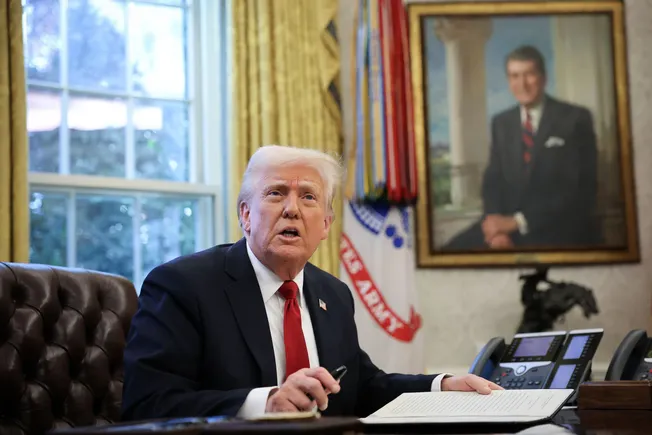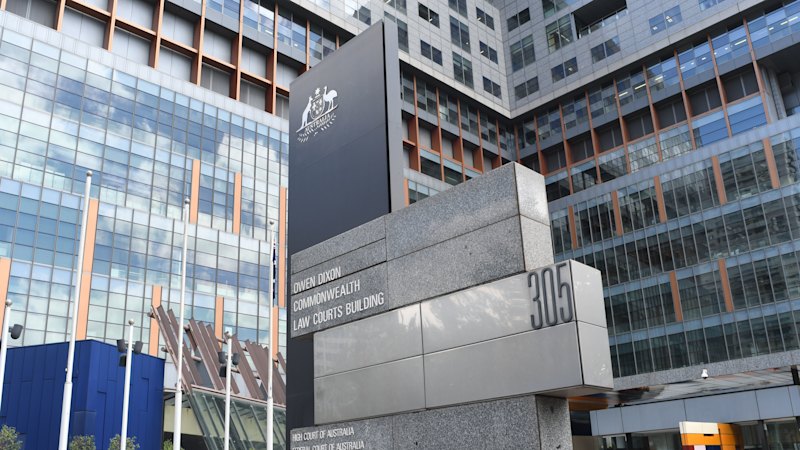
EXCLUSIVE — Sen. Marsha Blackburn (R-TN) is demanding answers from the Federal Judicial Center, the federal judiciary’s research and education agency, over its relationship with a climate training program run by the Environmental Law Institute, an organization she says has also advanced Chinese interests.Blackburn’s letter, which was sent to the agency on Thursday evening, follows President Donald Trump’s Truth Social post on Sunday calling for a federal review of what he called “fraudulent, biased, and misleading” climate science manuals used by federal judges. Trump’s post revived a controversy over a climate chapter the Federal Judicial Center removed from its scientific evidence manual this year after objections from Republican state attorneys general.In the letter obtained exclusively by the Washington Examiner, Blackburn asked the center to disclose how many federal judges have participated in programming from ELI’s Climate Judiciary Project, whether the center knew of ELI’s alleged ties to China before working with it, and whether the center partners with other legal training organizations tied to foreign governments.
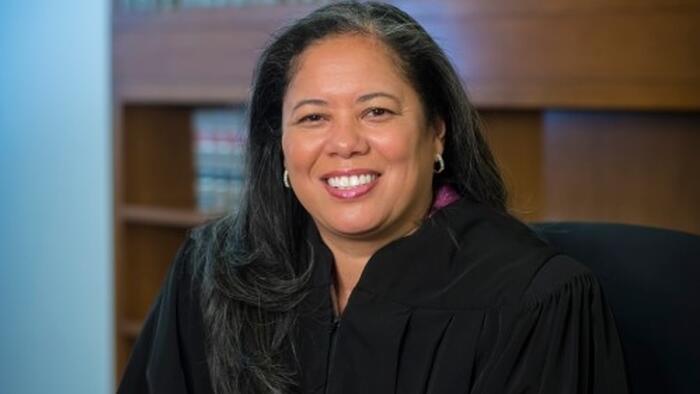
“[W]hen judges receive continuing education and training, it should pertain to the impartial, fair administration of justice — not political, left-wing programming from a CCP-linked group,” Blackburn wrote to Judge Robin Rosenberg, Federal Judicial Center director. Blackburn requested a response by 5 p.m. on July 29.The Federal Judicial Center provides research, education, and training for federal judges and court staff. It also produces the Reference Manual on Scientific Evidence, a guide judges use when evaluating expert testimony in technically complex cases.The manual became a flashpoint earlier this year after the center included a chapter on climate science in its fourth edition, released in December as part of a long-planned update. Written by Columbia Law School’s Jessica Wentz and Radley Horton, the chapter said it was intended to help judges assess expert testimony and documentary evidence involving climate science.But the chapter quickly drew a coordinated challenge from Republican state attorneys general. In a Jan. 29 letter, 27 GOP attorneys general argued that the material took sides in disputes over climate attribution — the effort to connect particular weather events to human-caused emissions — and was biased against fossil fuel companies.The attorneys general argued the chapter was “rife with methodology issues” and appeared intended to persuade judges to accept views advanced by climate litigation advocates. The Federal Judicial Center subsequently removed the chapter in February, according to Reuters.The controversy has more recently drawn Supreme Court Justice Elena Kagan into the fight. Kagan wrote the foreword to the fourth edition of the manual, noting that judges would increasingly confront litigation involving “climate science” and encouraging them to use the manual when evaluating scientific evidence.Supreme Court Justice Elena Kagan testifies before a Senate Appropriations Subcommittee on Financial Services and General Government hearing on the “Review of the FY2027 Budget Request for the Supreme Court” on Capitol Hill, Tuesday, July 14, 2026, in Washington, D.C. (Graeme Jennings/Washington Examiner)