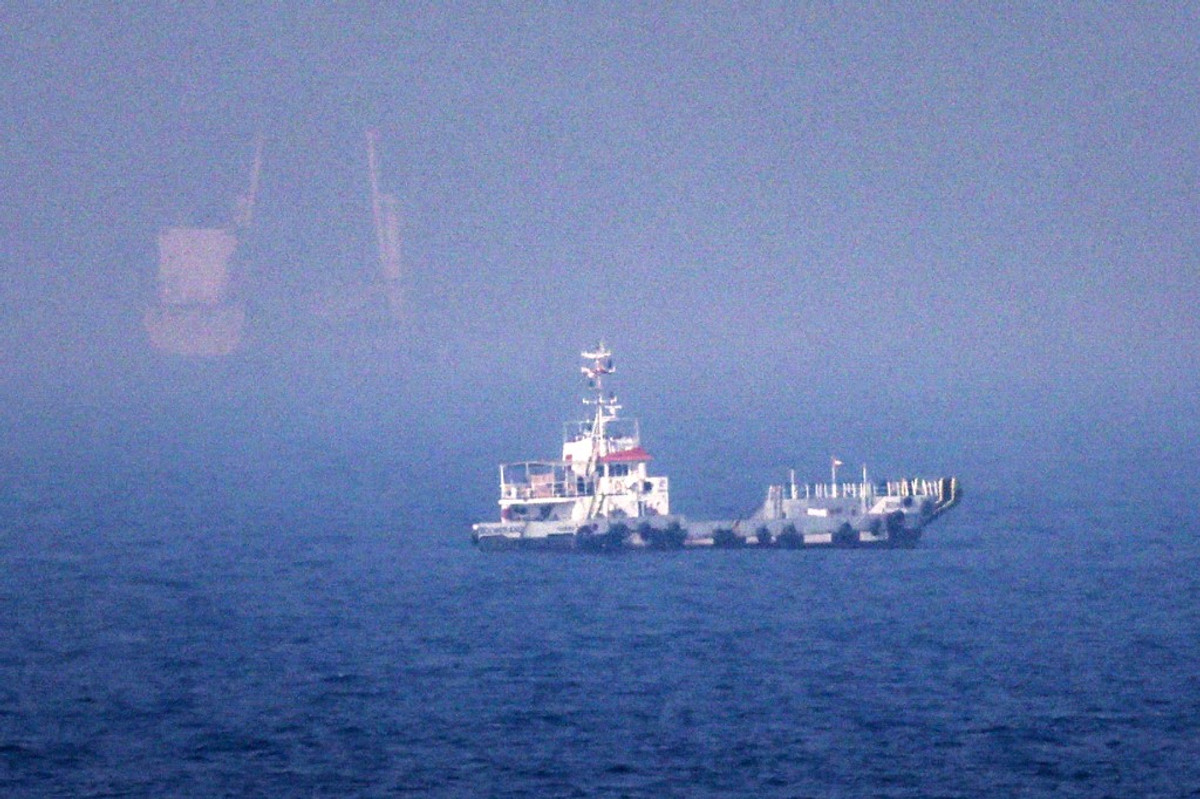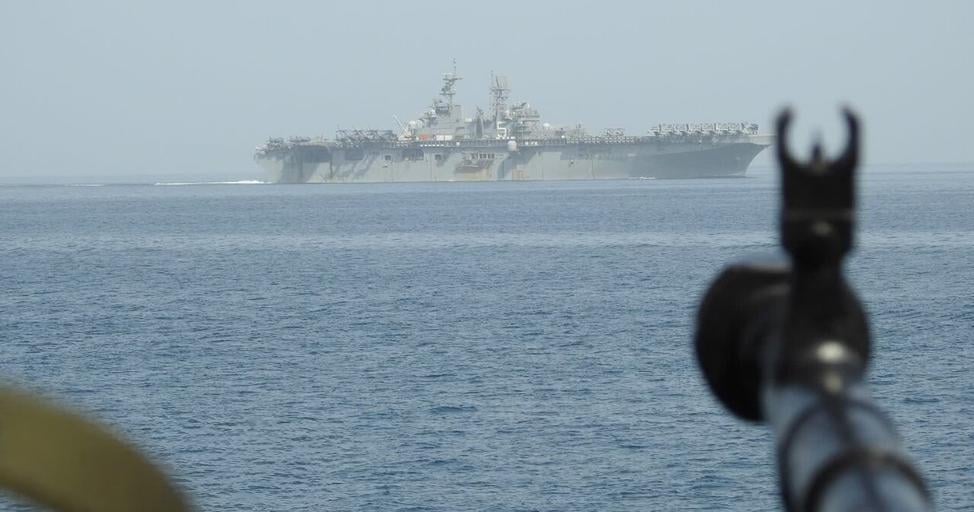
The 14-point agreement signed between Iran and the United States in early July to end the 14-day war was never fully implemented. Disagreements over Point 5, a provision specifically dedicated to the Strait of Hormuz, led to a fresh round of conflict just two weeks later.
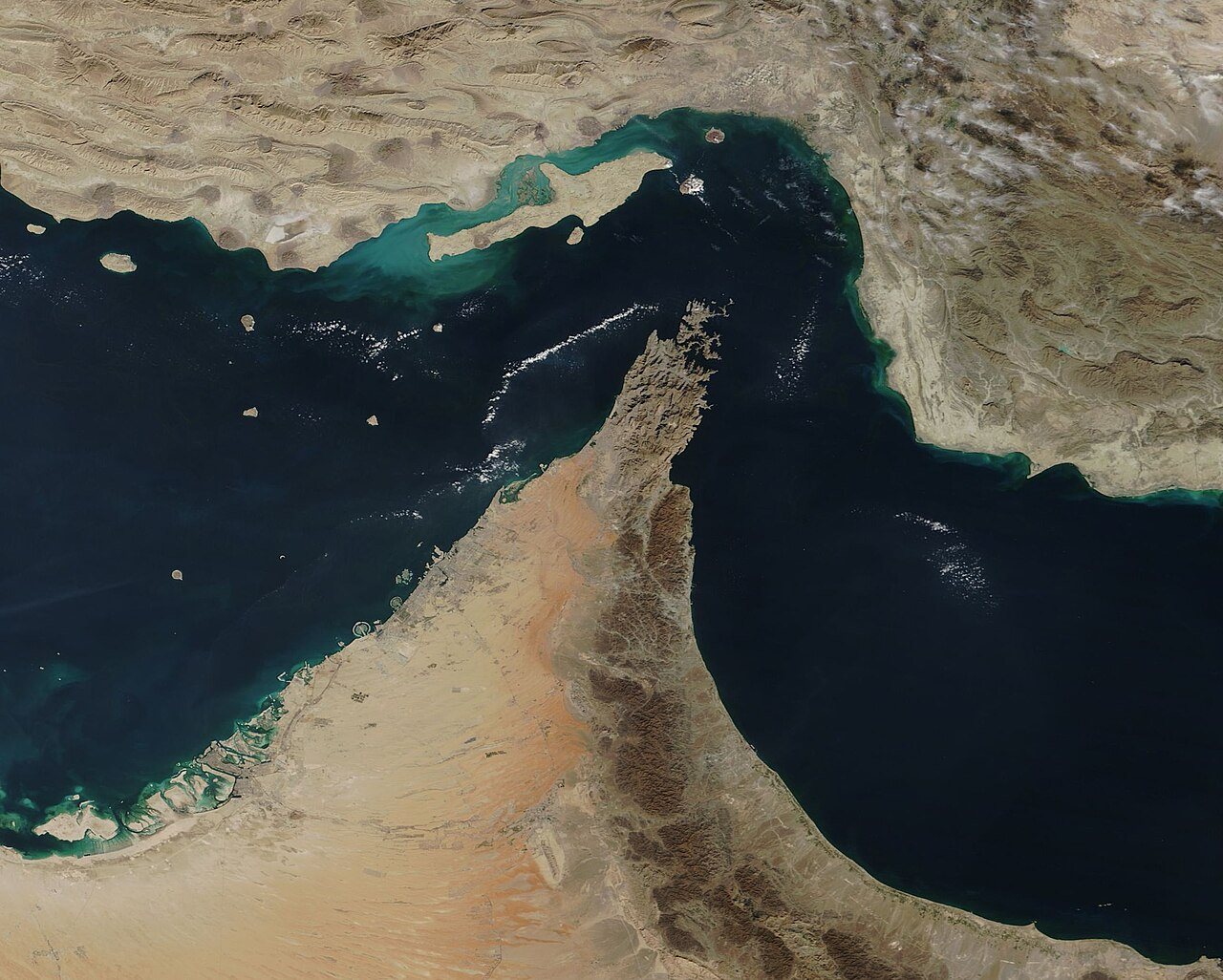
The Islamic Republic, which had closed the Strait on the first day of the war, committed under the agreement to guaranteeing the safe passage of commercial vessels for 60 days without levying any tolls or fees. Simultaneously, Tehran agreed to negotiate a long-term management framework for the waterway in cooperation with Oman and other littoral states.
These commitments proved short-lived. On July 7, after shots were fired at three commercial ships in the Strait of Hormuz, the conflict flared up once more. Despite daily U.S. air strikes targeting Iranian infrastructure along the Persian Gulf coast and in other inland cities, the Islamic Republic continues to insist on its “right to exercise sovereignty over the Strait of Hormuz.”
Shahin Modarres, an international security researcher and international relations expert, emphasized in an interview with IranWire that Tehran’s stance directly violates international conventions and international law.